Post by : Anis Karim
Travel trends are evolving at a pace never seen before. After years of travelers flocking to famous landmarks, a quiet revolution is underway. The next generation of explorers is no longer satisfied with crowded city centers or over-visited beaches. Instead, they are searching for experiences that are raw, authentic, and culturally immersive.
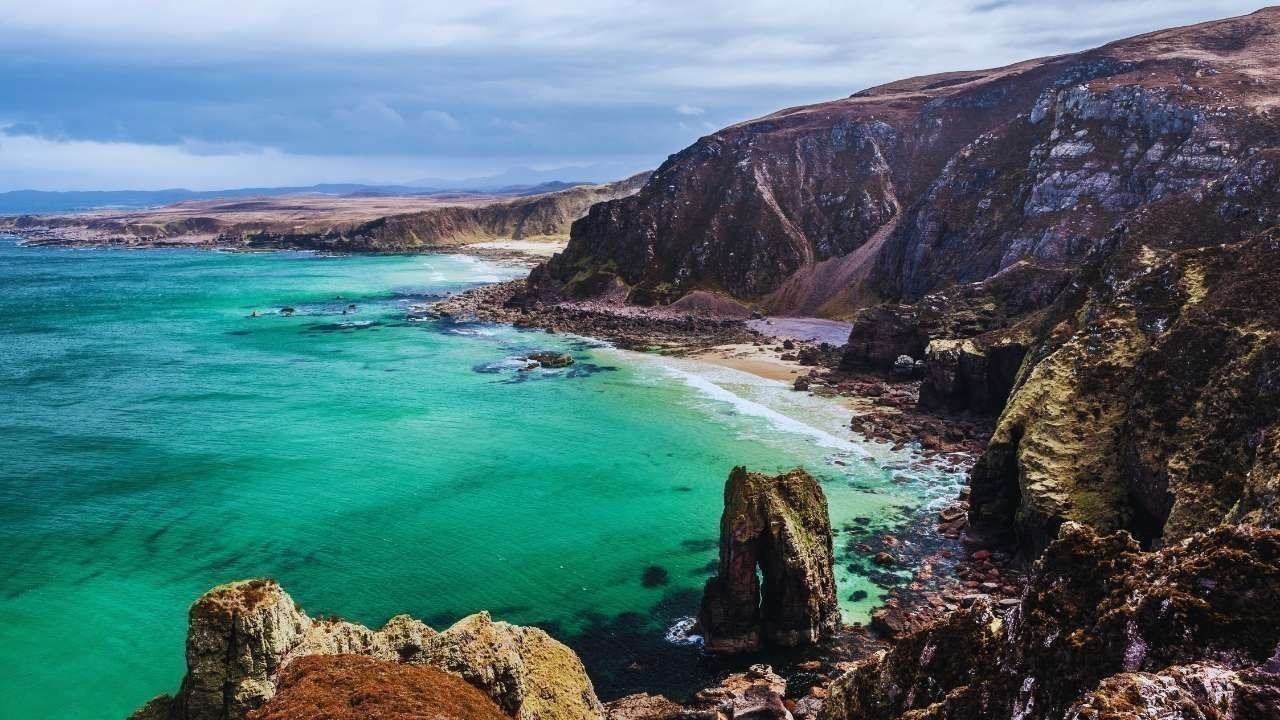
Hidden destinations—once overlooked due to lack of infrastructure or global recognition—are beginning to shine as travel platforms, social media creators, and curiosity-driven explorers put them in the spotlight. By 2026, these gems are projected to see a surge in interest as travelers seek new adventures that balance sustainability with discovery.
But what makes these destinations so attractive? The answer lies in a blend of authenticity, affordability, and the thrill of being among the first to uncover what feels like a “secret” place.
One of the main drivers behind the surge in hidden gems is a shift in traveler psychology. Tourists today crave more than just Instagram-perfect pictures; they want meaningful memories. This demand for authenticity is leading them toward destinations where traditions are still intact, crowds are thin, and nature remains untouched.
From staying in family-run homestays to participating in local festivals, travelers are finding value in experiences rather than material souvenirs. The new generation of explorers is willing to bypass global chains and seek locally rooted culture, which is why previously overlooked towns, villages, and islands are gaining attention.
While Dubrovnik has long dominated the Adriatic coast, Kotor is emerging as its quieter, equally stunning neighbor. Enclosed by dramatic fjord-like mountains, Kotor offers cobblestone streets, medieval fortresses, and a serene bay perfect for sailing. With fewer crowds and lower prices than its Croatian counterpart, it is expected to top travel search lists by 2026.
Long known only among diving enthusiasts, Raja Ampat is beginning to capture mainstream traveler interest. Its untouched coral reefs, turquoise lagoons, and biodiversity make it one of the world’s last great marine frontiers. With eco-tourism initiatives expanding, it is poised to become a hotspot for sustainable travelers.
Matera is unlike any other city in Europe. Known for its cave dwellings carved into limestone, the city offers travelers a surreal mix of history and modern charm. As interest in cultural heritage deepens, Matera is expected to attract travelers seeking an authentic blend of history and gastronomy.
Often overshadowed by Dubai and Abu Dhabi, Salalah is the Arabian Peninsula’s hidden green oasis. With monsoon-kissed landscapes, lush waterfalls, and coconut-fringed beaches, it feels worlds away from the deserts most associate with the Gulf. Its unique seasonal climate is set to make it one of the most searched Middle Eastern destinations in 2026.
For travelers who dream of dramatic landscapes, the Lofoten Islands are a revelation. Jagged peaks, fishing villages, and northern lights paint a surreal picture. While Iceland has seen a tourist boom, Lofoten offers similar beauty with far fewer crowds. Adventure seekers are increasingly setting their eyes here.
Though Bhutan is no longer completely hidden, it still remains one of the world’s least commercialized travel experiences. Strict tourism policies ensure limited visitors, which adds to its charm. With its focus on Gross National Happiness, Bhutan offers travelers a profound journey of culture, spirituality, and sustainability.
Tbilisi blends the energy of a modern capital with centuries-old traditions. Its quirky architecture, wine culture, and booming art scene make it one of the most intriguing destinations. By 2026, as budget airlines expand routes to Georgia, Tbilisi is expected to capture more global attention.
Several factors explain why these places are set to explode in popularity:
Affordability: Compared to saturated tourist markets, hidden gems often offer lower prices for accommodation, food, and activities.
Accessibility Improvements: Expansion of airports, new highways, and train routes are making previously remote regions easier to reach.
Sustainability Efforts: Many of these destinations are actively promoting eco-tourism and controlled visitor numbers, appealing to conscious travelers.
Social Media Influence: Travel creators are spotlighting “undiscovered” places, creating curiosity among audiences worldwide.
Travel technology platforms are reshaping how destinations gain recognition. Algorithms now push lesser-known but high-rated spots to users searching for alternatives to mainstream locations. In addition, immersive experiences like virtual reality previews and AI-driven itinerary planners are introducing travelers to places they may never have otherwise considered.
This digital amplification ensures that a small town or an uncharted island can trend globally almost overnight.
While growing attention benefits local economies, it also raises the risk of overtourism. Lessons from Bali, Venice, and Santorini have shown how fragile ecosystems and communities can be strained by uncontrolled visitor influx.
Destinations aiming to preserve their identity are setting new rules—caps on visitor numbers, eco-friendly travel taxes, and incentives for slow travel. These strategies are vital for hidden gems to retain their charm even as they rise in popularity.
By 2026, travelers will be more informed and selective. They will expect:
Unique Cultural Immersion: From cooking with locals to participating in festivals.
Sustainable Practices: Transparent eco-initiatives will be a deciding factor in bookings.
Digital Integration: Travelers will want seamless bookings, real-time translation, and AI-recommended itineraries.
Safety and Comfort: Even in hidden destinations, reliable transport and healthcare access will remain essential.
The travel industry, recovering strongly after years of disruptions, is projected to see robust growth through 2026. This growth will be uneven, however—while traditional hotspots may plateau, hidden gems will rise due to pent-up demand for novelty.
Travel companies, tour operators, and even influencers are shifting their focus accordingly. By investing in less mainstream destinations, they are tapping into the desire for exclusivity and personalization.
Hidden gems represent more than just beautiful destinations; they embody a new philosophy of travel. They speak to the desire for discovery, authenticity, and sustainable tourism. As the world heads into 2026, these under-the-radar spots will no longer remain secrets for long.
For travelers, this is both an opportunity and a challenge—an opportunity to experience these places before they become overrun, and a challenge to do so responsibly. For the destinations themselves, the coming years will be pivotal in striking a balance between growth and preservation.
The message is clear: the next travel trend is not about where everyone goes, but where few have gone—and that’s what makes hidden gems the crown jewels of tomorrow’s travel.
The information in this article is based on current travel trends, projections, and expert insights as of 2025. Actual popularity of destinations may vary depending on global events, travel policies, and regional developments. Travelers are encouraged to verify local guidelines, safety measures, and sustainability practices before planning trips.

Jannik Sinner Completes Sunshine Double With Miami Win
Jannik Sinner beats Jiri Lehecka 6-4, 6-4 to claim the Miami Open, becoming the first man to complet

Athar Festival 2026 Ends with Strong Social Impact
Athar Festival 2026 in Abu Dhabi raised AED17M for orphans, blending entertainment with charity and

Abu Dhabi Licenses Foster Families Association
Abu Dhabi licenses Foster Families Association to promote fostering, support families, and ensure sa

The Myriad Expands Student Housing in Saudi Arabia
The Myriad advances Saudi expansion as demand for modern student housing rises, supporting education

Hellmann Opens New Healthcare Hub at Dubai South UAE
Hellmann expands UAE presence with a new healthcare logistics facility at Dubai South, boosting capa

Ghana Sack Otto Addo Ahead of 2026 World Cup Start
Ghana dismiss coach Otto Addo just 72 days before the 2026 World Cup after poor results, including d

Indonesia Boat Sinks, All 21 Survivors Rescued Safely
Rescue teams saved 21 people after a boat sank near Taliabu Island. All passengers were found safe a


Bank of Baroda Faces Abu Dhabi Legal Battle over NMC Collapse
Bank of Baroda’s involvement in Abu Dhabi litigation tied to the NMC Healthcare collapse raises repu
Top Museum Openings of 2026 Set to Transform Global Tourism
From Los Angeles to Abu Dhabi and Brussels, 2026 brings major museum launches—Lucas Museum, Guggenhe

UAE Tour Highlights UAE’s Strength in Hosting Global Sports Events
Abu Dhabi Sports Council says the successful UAE Tour reflects the UAE’s leading role in hosting maj
EU Seeks Clarity from US After Supreme Court IEEPA Ruling
European Commission urges full transparency from the US on steps after Supreme Court ruling, emphasi

SpaceX Launches 53 New Satellites for Expanding Starlink Network
SpaceX launches 53 Starlink satellites in two Falcon 9 missions, breaking reuse records and expandin
RTA Awards Contract for Phase II of Hessa Street Upgrade in Dubai
Phase II of Hessa Street Development to add bridges, tunnel, and upgraded intersections, doubling ca

UAE Gold Prices Today, Monday 16 February 2026: Dubai & Abu Dhabi Updated Rates
Gold prices in UAE on 16 Feb 2026 updated: 24K around AED 599.75/gm, 22K AED 555.25/gm, and 18K AED

Over 25 Ahmedabad Schools Receive Bomb Threat Email, Authorities Investigate
More than 25 schools in Ahmedabad evacuated after bomb threat emails mentioning Khalistan. Authoriti