Post by : Sam Jeet Rahman
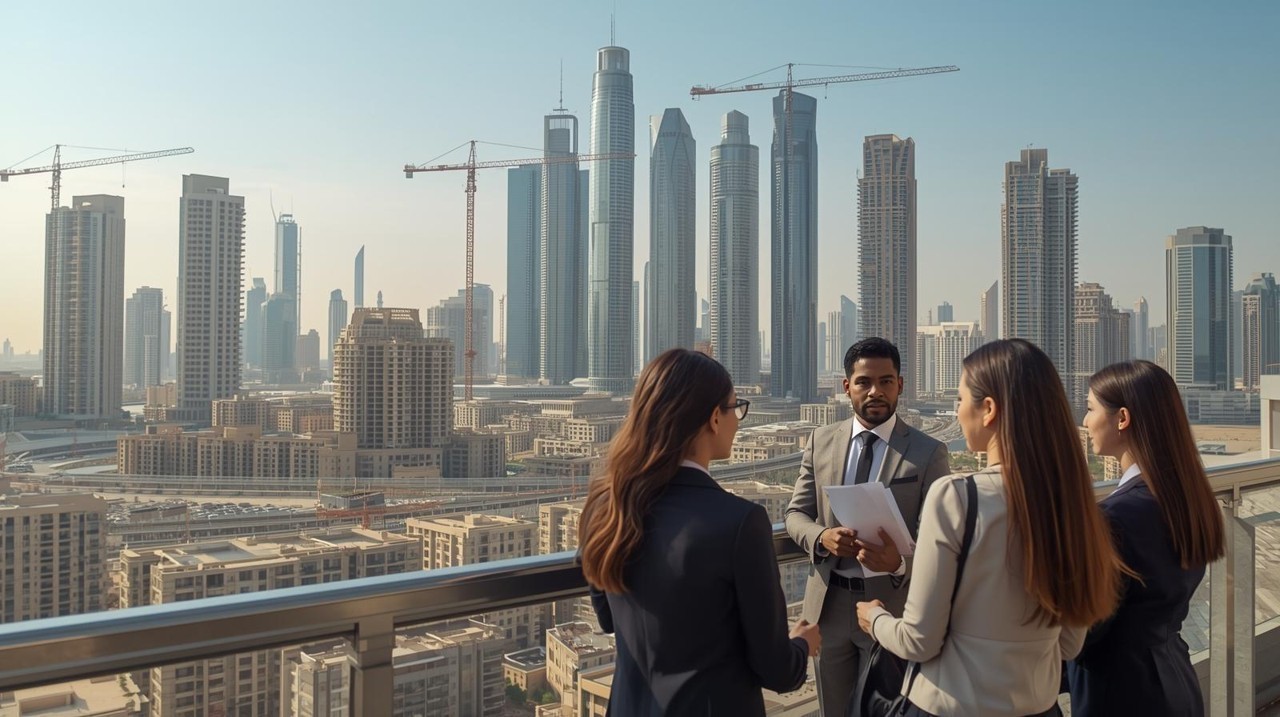
The Middle East real estate market continues to evolve rapidly in 2025, driven by urbanization, economic diversification, and major infrastructure projects. Investors, developers, and homebuyers are increasingly seeking high-growth areas that offer long-term potential. From luxury residential projects to commercial hubs, the region presents numerous opportunities for those looking to invest in real estate. This article highlights the emerging real estate hotspots in the Middle East in 2025, analyzing key cities, trends, and investment opportunities.
Dubai remains one of the most dynamic real estate markets in the Middle East. In 2025, the city continues to attract investors with its luxury residential projects, commercial developments, and global events.
Key Highlights:
High-End Residential Projects: Villas, waterfront apartments, and high-rise luxury apartments in areas like Dubai Marina, Palm Jumeirah, and Downtown Dubai.
Commercial Growth: Expansion of office spaces and business hubs in Dubai South and Business Bay.
Tourism-Driven Demand: Expo 2025-inspired developments and hospitality projects boosting short-term rental demand.
Investment Appeal: Steady rental yields of 6-8% in prime areas, attracting both local and international investors.
Dubai’s combination of modern infrastructure, tax-free policies, and world-class amenities makes it a top real estate hotspot in the Middle East.
Abu Dhabi has been increasingly attractive to real estate investors seeking premium properties and sustainable developments.
Key Highlights:
Residential Growth: New waterfront and gated community projects in areas like Saadiyat Island and Yas Island.
Commercial Hubs: Focus on office spaces, co-working developments, and mixed-use projects.
Government Initiatives: Incentives for foreign investors and ease of property ownership for expatriates.
Luxury Lifestyle: High-end facilities, cultural centers, and proximity to leisure and business districts.
With a focus on sustainable and smart city developments, Abu Dhabi is emerging as a premium market for real estate investments.
Riyadh, the capital of Saudi Arabia, is rapidly transforming due to the Saudi Vision 2030 initiatives, attracting both residential and commercial real estate investments.
Key Highlights:
Infrastructure Projects: Mega projects like King Salman Park, NEOM city proximity, and improved transport networks.
Residential Demand: Rising interest in modern apartments and gated communities catering to young professionals.
Commercial Expansion: Development of business districts, hotels, and mixed-use complexes.
Investment Incentives: Government-backed initiatives to attract foreign investment in real estate.
Riyadh’s urban growth and ambitious development plans make it one of the Middle East’s most promising real estate hotspots in 2025.
Jeddah is gaining attention for its residential and tourism-driven real estate developments.
Key Highlights:
Coastal Projects: Waterfront developments and luxury apartments along the Red Sea coast.
Tourism-Related Investments: Expansion of resorts, hotels, and entertainment facilities.
Commercial Growth: Increasing demand for office spaces in the city center and new business districts.
Property Value Appreciation: Steady growth in property prices due to increased investor interest.
With its coastal appeal and strategic location, Jeddah is becoming a strong contender for real estate investments.
Doha’s real estate market is thriving in 2025, boosted by the economic growth and global events that have increased demand for residential and commercial spaces.
Key Highlights:
Luxury Residential Projects: Villas and apartments in Lusail City, The Pearl, and West Bay.
Commercial Developments: Expansion of office spaces, business parks, and retail hubs.
Global Events Impact: Post-World Cup infrastructure projects continue to enhance property values.
Investment Incentives: Policies allowing expatriates and foreign investors to purchase property in designated areas.
Doha’s real estate market offers a mix of high returns, luxury living, and strong infrastructure support, attracting both local and international investors.
Bahrain’s capital, Manama, is emerging as a hotspot due to affordable real estate options and government-driven economic diversification initiatives.
Key Highlights:
Affordable Residential Options: Growing demand for apartments and townhouses catering to middle-income buyers.
Commercial Expansion: Rise in office spaces and business complexes.
Investment Appeal: Low property taxes and a business-friendly environment attract foreign investors.
Lifestyle Developments: Modern amenities, shopping centers, and leisure projects enhance quality of life.
Manama is becoming increasingly attractive for investors seeking high potential with lower entry costs compared to larger GCC markets.
Muscat is gaining popularity as a real estate destination for those seeking a mix of modern living and cultural heritage.
Key Highlights:
Residential Projects: Villas and apartments in gated communities and seaside developments.
Tourism Influence: Development of resorts, hotels, and vacation properties.
Commercial Opportunities: Growth in office spaces and retail hubs.
Government Support: Initiatives to encourage foreign property ownership and investment.
Oman’s stable economy and scenic landscapes make Muscat an emerging hotspot for both residential and tourism-driven real estate projects.
Kuwait City’s real estate market is evolving with new luxury projects and modern commercial hubs.
Key Highlights:
Residential Demand: High-end apartments and gated communities in prime areas.
Commercial Growth: Development of office complexes and mixed-use buildings.
Investment Incentives: Policies to facilitate foreign ownership and attract international investors.
Urban Development: Smart city projects and infrastructural upgrades enhance real estate appeal.
Kuwait City offers opportunities for long-term investors seeking growth in both residential and commercial sectors.
Several trends are shaping the real estate landscape in the Middle East this year:
Luxury Living: High-end villas, penthouses, and waterfront apartments remain in demand.
Smart Cities: Integration of technology and sustainability in urban planning attracts modern buyers.
Foreign Investment: Relaxed property ownership regulations for expatriates encourage international investors.
Mixed-Use Developments: Combination of residential, commercial, and leisure spaces drives urban growth.
Tourism-Driven Demand: Resorts, hotels, and vacation properties boost real estate growth in coastal areas.
Infrastructure Development: Mega projects, airports, metro expansions, and entertainment hubs increase property value.
These trends indicate that the Middle East will continue to be a lucrative market for real estate in 2025 and beyond.
The Middle East real estate market in 2025 offers diverse opportunities for investors and homebuyers. Cities like Dubai, Abu Dhabi, Riyadh, Jeddah, Doha, Manama, Muscat, and Kuwait City are emerging as high-potential hotspots due to urbanization, modern infrastructure, and investment-friendly policies.
Whether you are looking for luxury residences, commercial spaces, or tourism-driven properties, these markets provide promising returns and long-term growth potential. With the region’s continuous development and strategic initiatives, investing in these real estate hotspots is becoming increasingly attractive for both local and international buyers.
Qatar, Italy Leaders Discuss Regional Stability & Energy Ties
Qatar’s Emir and Italy’s Prime Minister discuss regional stability, energy security, and economic co
Danube Launches Signature Master-Planned Community
Danube Properties unveils Greenz By Danube in Dubai, offering luxury villas, townhouses, 50+ ameniti
Neoterra breaks ground on ELMORA, unveils new project
Neoterra begins ELMORA construction in Jumeirah Garden City and announces a new residential project
WINGIE Launches AI Refund System for Airline Travelers
WINGIE introduces AI-driven refund technology, enabling seamless, fully digital airline refund proce
Dubai property sales surge to AED176.7B in Q1 2026
Dubai records AED176.7B property sales in Q1 2026, with rising values, steady transaction growth and

Russia Strikes Northeast Ukraine, 4 Killed, 11 Injured
Russian drone and missile attacks on northeast Ukraine killed 4 and injured 11, with major strikes r

Selena Gomez Leads Candy Pink Trend in 2026 Fashion
Selena Gomez embraces candy pink fashion at a Rare Beauty event, highlighting 2026’s biggest color t


UAE Art Show in Seoul Challenges Stereotypes
Exhibition in Seoul highlights diverse UAE art, moving beyond luxury stereotypes to explore identity

Starbucks Strikes Major Partnership for China Growth
Starbucks teams with Boyu Capital, selling a majority stake in China unit to ramp up store growth an

Couple Among Three Charged in Massive Meth Trafficking Case in Malaysia
Three charged in Malaysia for trafficking 510kg of meth; if convicted, they could face severe penalt
Murder Suspect Returns to Geylang Crime Scene for Investigation
Singapore police revisit Geylang as a 48-year-old suspect faces charges in the fatal stabbing of a 7
NASA Launches Artemis II Crew for 10-Day Lunar Mission
NASA launches Artemis II with four astronauts for a 10-day Moon mission, marking the first crewed lu
Dubai RTA, Ministry Partner for Family First Programme
Dubai RTA and Ministry of Family partner to enhance transport, urban spaces, and services under Fami
Bank of Baroda Faces Abu Dhabi Legal Battle over NMC Collapse
Bank of Baroda’s involvement in Abu Dhabi litigation tied to the NMC Healthcare collapse raises repu
Top Museum Openings of 2026 Set to Transform Global Tourism
From Los Angeles to Abu Dhabi and Brussels, 2026 brings major museum launches—Lucas Museum, Guggenhe