Post by : Michael Darzi
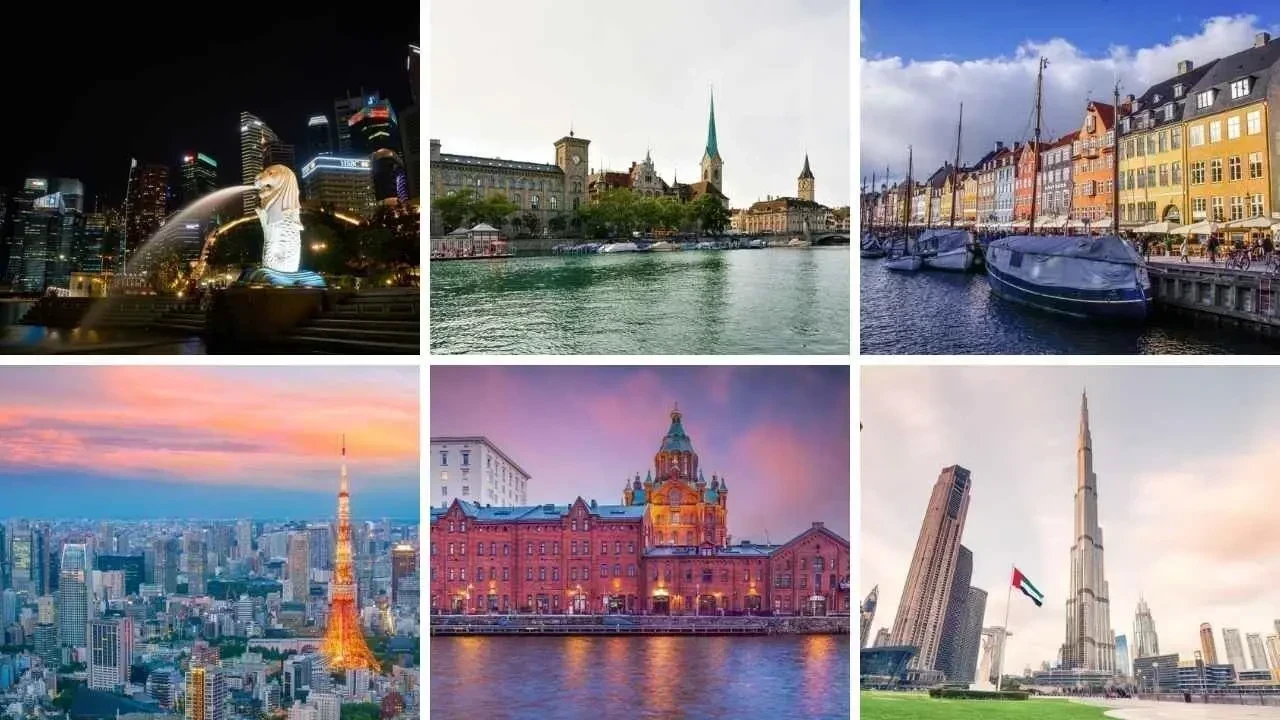
In today’s world, traffic jams, pollution, and crowded streets are common in many big cities. That is why clean cities feel so refreshing. Cities like Singapore, Zurich, Copenhagen, Tokyo, Helsinki, and Dubai stand out for their clean roads, fresh air, organized public spaces, and healthy living conditions. These cities prove that modern life does not have to mean dirty surroundings.
Across different regions, these cities have managed to stay clean while continuing to grow. Visitors often feel the difference as soon as they arrive. Streets feel calmer, public places feel safer, and daily movement feels easier. These cities are not only attractive to tourists, but also offer a better quality of life for the people who live there.
This report looks at the world’s cleanest cities and explains why they feel different, how cleanliness improves daily life, and why they are worth visiting at least once.
In cities like Singapore and Tokyo, cleanliness is part of everyday behavior. People do not throw trash on the roads because they believe public places should be respected. Cleanliness is not just about fines or rules, but about mindset.
In these cities, waste bins are used properly, public transport stays clean, and sidewalks remain clear. This behavior develops through education, public awareness, and social responsibility. When people care about their surroundings, cities remain clean naturally.
Cities such as Zurich and Copenhagen are known for strong urban planning. Roads, housing areas, markets, and parks are carefully designed. Waste collection points are placed correctly, drainage systems work well, and traffic is well managed.
These cities focus on stopping problems before they begin. Flooding, garbage overflow, and pollution are reduced because systems are planned for long-term growth. This approach helps protect public health and saves money over time.
Reliable public transport plays a big role in cities like Helsinki and Tokyo. Clean buses, metros, and trains encourage people to leave their cars at home. Fewer cars mean less traffic, lower noise, and cleaner air.
Transport stations are cleaned regularly, and passengers are expected to follow rules. Because of this, public transport remains safe, clean, and comfortable for everyone.
Parks and green areas are an important part of clean cities. In places like Copenhagen and Helsinki, trees line the streets and parks are found in almost every neighborhood. These green spaces reduce dust, improve air quality, and help people relax.
Green areas also make cities more beautiful and enjoyable, especially for families and children.
Many clean cities use technology to manage cleanliness. In Singapore and Zurich, smart waste bins alert workers when they are full. Street-cleaning machines operate during quiet hours, and air-quality sensors track pollution levels.
Some cities reuse water to clean roads and water plants, helping protect natural resources. These systems work quietly in the background but make a big difference.
Dubai has become one of the cleanest cities in the Middle East. Roads, beaches, parks, and public areas are cleaned daily and closely monitored. Cleanliness is visible in tourist areas as well as residential communities.
Through modern waste systems, public awareness campaigns, and strict rules against littering, Dubai maintains high standards. The city shows that rapid development and cleanliness can move forward together.
Tourists often remember how a city made them feel. Clean cities like Singapore, Zurich, and Dubai feel safer, calmer, and more welcoming. Walking becomes pleasant, and public spaces feel comfortable.
Visitors can enjoy food, culture, shopping, and sightseeing without worrying about pollution or hygiene. This is why clean cities attract repeat visitors.
The biggest lesson from clean cities is that cleanliness is not only about money. It depends on planning, leadership, and public cooperation. Even small actions—like regular cleaning, public education, and respect for shared spaces—can bring big change.
When governments and citizens work together, cities become better places to live.
Here are the cleanest cities in the world—Singapore, Zurich, Copenhagen, Tokyo, Helsinki, and Dubai—definitely worth visiting at least once. These cities offer more than clean streets; they offer a better way of life.
They remind us that a clean environment is not a luxury. It is a basic need. For the future of city living, cleanliness is no longer optional—it is essential.
This article is intended for general information and public awareness only. The cities mentioned are shared as examples based on commonly observed cleanliness standards, public practices, and widely reported urban conditions. Cleanliness levels may change over time due to development, population growth, environmental factors, or policy updates. The views expressed in this article do not officially rank, rate, or compare cities, nor are they meant to promote or criticize any location. Readers are encouraged to consult local authorities, official city websites, or government sources for the most recent and accurate information.

Dubai Launches Commercial Driverless Taxis with Apollo Go
Dubai Taxi Company partners with Baidu’s Apollo Go to launch driverless taxis, advancing Dubai’s sma

Amelia Kerr Leads NZ to Record ODI Run Chase Against SA
Amelia Kerr’s unbeaten 179 powers New Zealand to record-breaking 348-run chase, beating South Africa
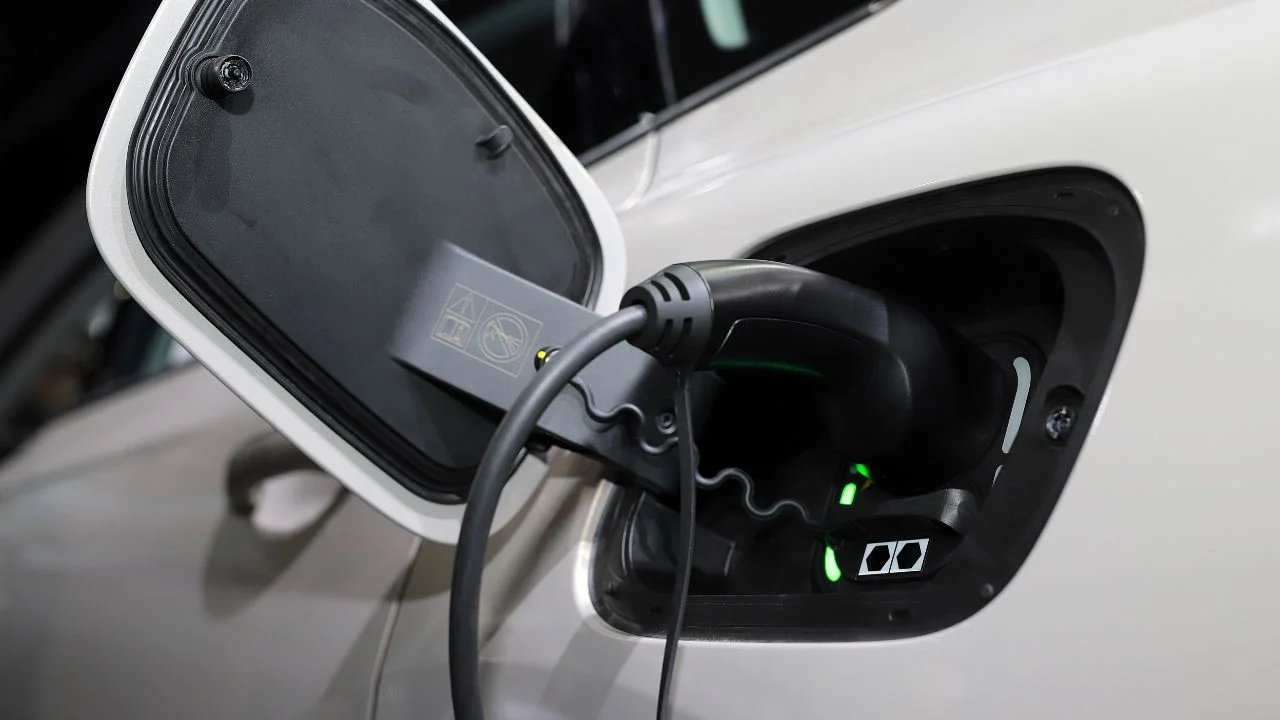
Sharjah Issues New Rules for Electric Vehicle Chargers
Sharjah’s Executive Council sets rules for EV charging stations, detailing installation, tariffs, sa

China VC Funding Hits Record on State-Driven Tech Push
China’s venture capital fundraising is set to hit a record in Q1 2026, led by state-backed investors
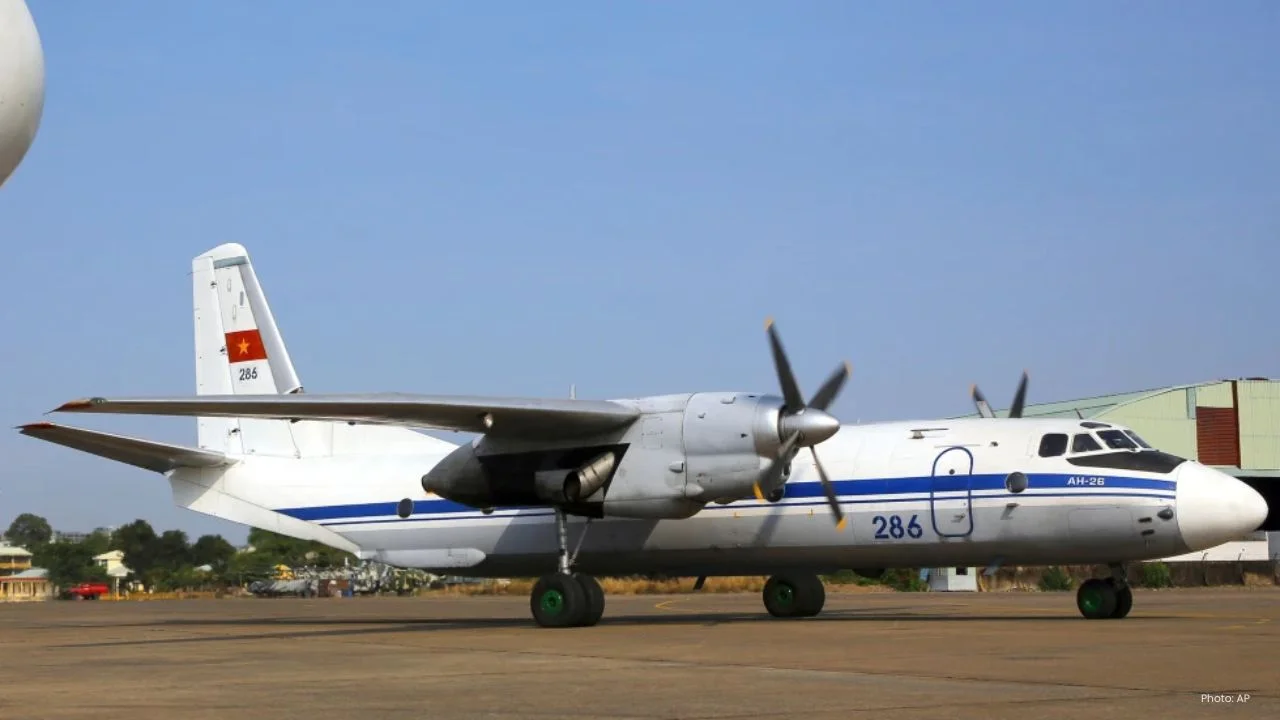
Russian Military Plane Crash in Crimea Kills 29 People
A Russian An-26 military plane crashed in Crimea, killing 29 onboard. Authorities suspect technical
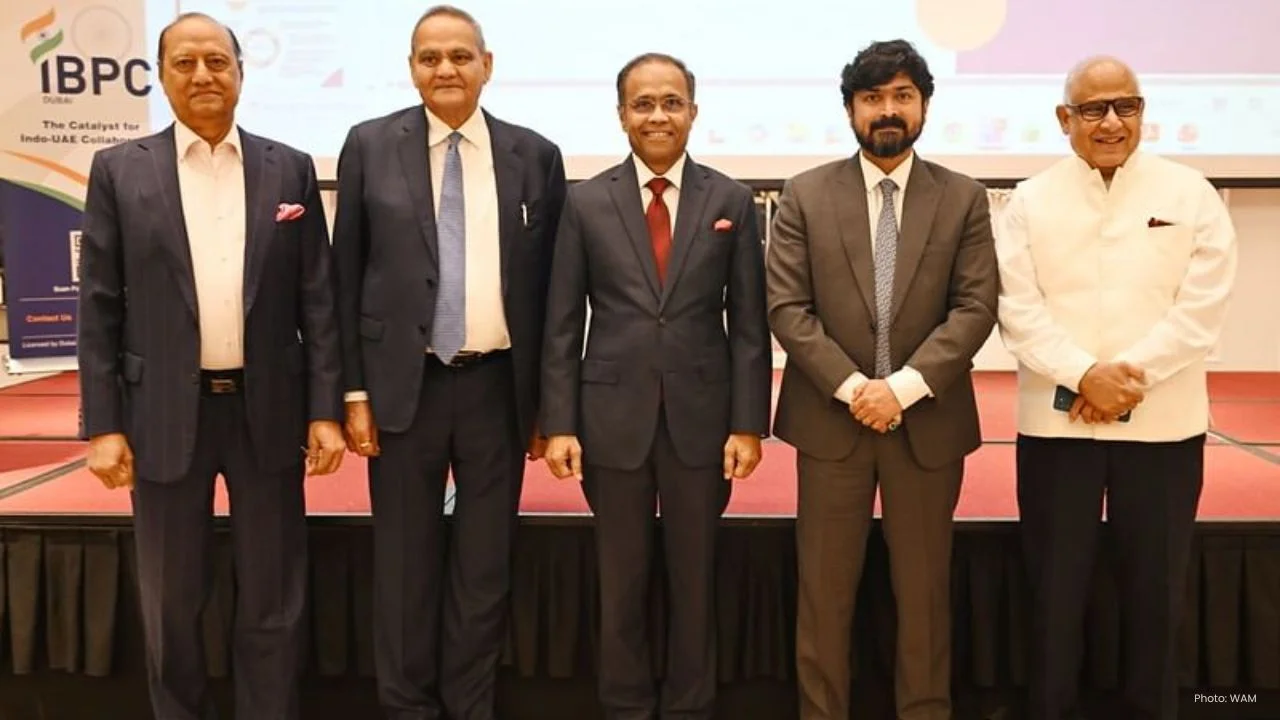
IBPC Dubai AGM Strengthens India-UAE Economic Ties
IBPC Dubai AGM highlights growth, inclusivity, and upcoming conclaves, reinforcing India-UAE economi
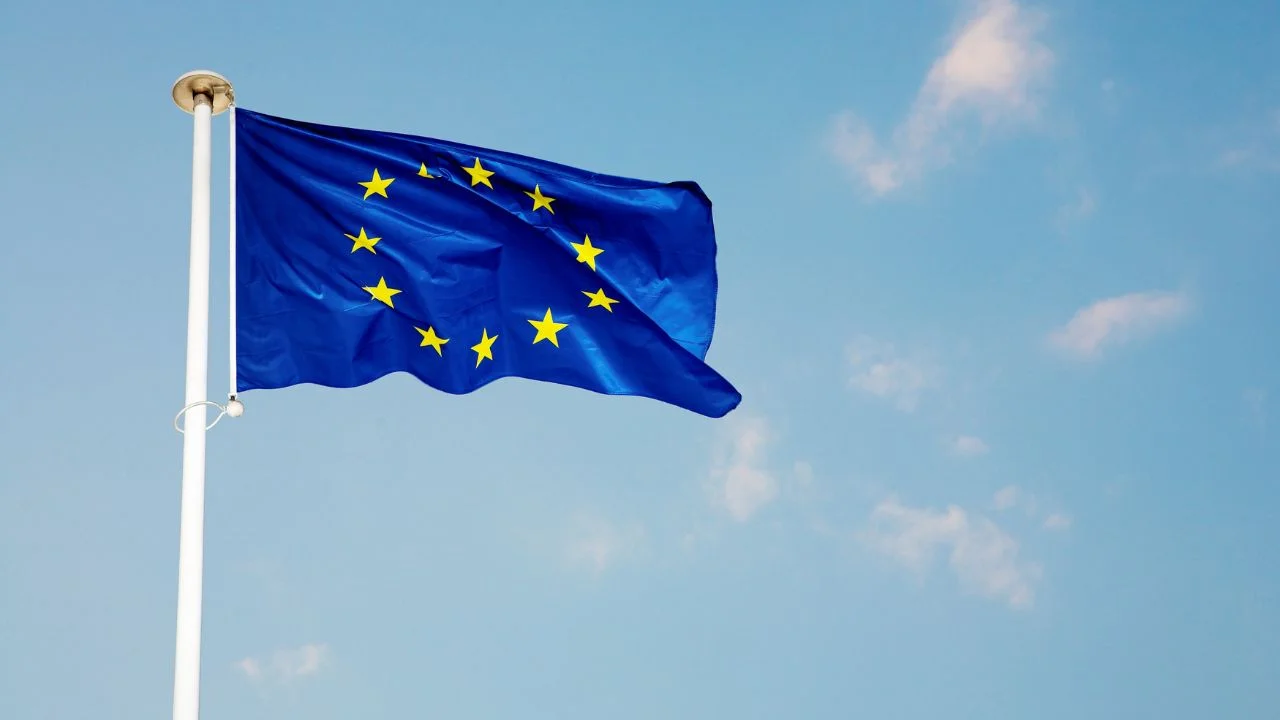
EU Urges Protection of UNIFIL After Peacekeeper Deaths
EU nations demand protection of UNIFIL forces after deadly attacks, urging restraint and warning aga


Bank of Baroda Faces Abu Dhabi Legal Battle over NMC Collapse
Bank of Baroda’s involvement in Abu Dhabi litigation tied to the NMC Healthcare collapse raises repu
Top Museum Openings of 2026 Set to Transform Global Tourism
From Los Angeles to Abu Dhabi and Brussels, 2026 brings major museum launches—Lucas Museum, Guggenhe
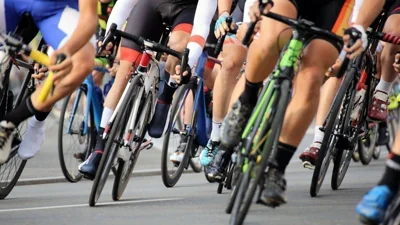
UAE Tour Highlights UAE’s Strength in Hosting Global Sports Events
Abu Dhabi Sports Council says the successful UAE Tour reflects the UAE’s leading role in hosting maj
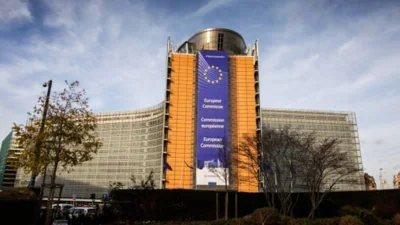
EU Seeks Clarity from US After Supreme Court IEEPA Ruling
European Commission urges full transparency from the US on steps after Supreme Court ruling, emphasi
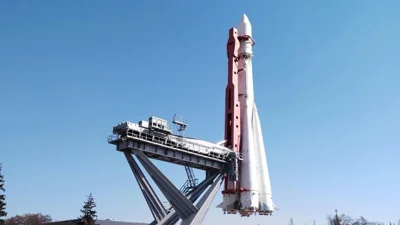
SpaceX Launches 53 New Satellites for Expanding Starlink Network
SpaceX launches 53 Starlink satellites in two Falcon 9 missions, breaking reuse records and expandin
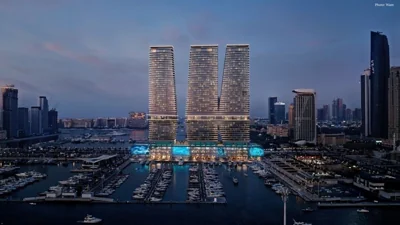
RTA Awards Contract for Phase II of Hessa Street Upgrade in Dubai
Phase II of Hessa Street Development to add bridges, tunnel, and upgraded intersections, doubling ca
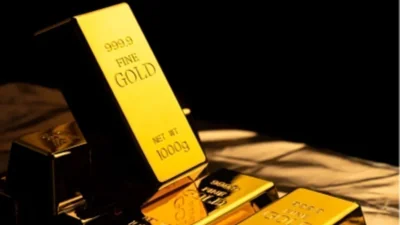
UAE Gold Prices Today, Monday 16 February 2026: Dubai & Abu Dhabi Updated Rates
Gold prices in UAE on 16 Feb 2026 updated: 24K around AED 599.75/gm, 22K AED 555.25/gm, and 18K AED

Over 25 Ahmedabad Schools Receive Bomb Threat Email, Authorities Investigate
More than 25 schools in Ahmedabad evacuated after bomb threat emails mentioning Khalistan. Authoriti