Post by : Naveen Mittal
What if you could wake up more energized, think sharper, and recover faster — not through medication, but by understanding your biology? Welcome to the world of biohacking, one of the fastest-growing wellness movements of 2025. It’s a blend of science, data, and self-experimentation, where individuals use nutrition, technology, and lifestyle tweaks to upgrade the body and mind.
What started as a niche Silicon Valley experiment has now evolved into a global culture focused on living smarter, not harder.
At its core, biohacking means taking control of your own biology. It involves intentionally changing your environment, diet, or habits to improve how your body functions. Unlike traditional health approaches that wait for illness, biohackers aim to prevent decline by constantly optimizing performance.
There are three main forms of biohacking:
Nutritional biohacking — using specific diets, supplements, or fasting methods to boost metabolism and brain function.
Technological biohacking — using wearables, tracking apps, and smart devices to monitor health in real time.
Behavioral biohacking — building powerful routines for better sleep, focus, and emotional regulation.
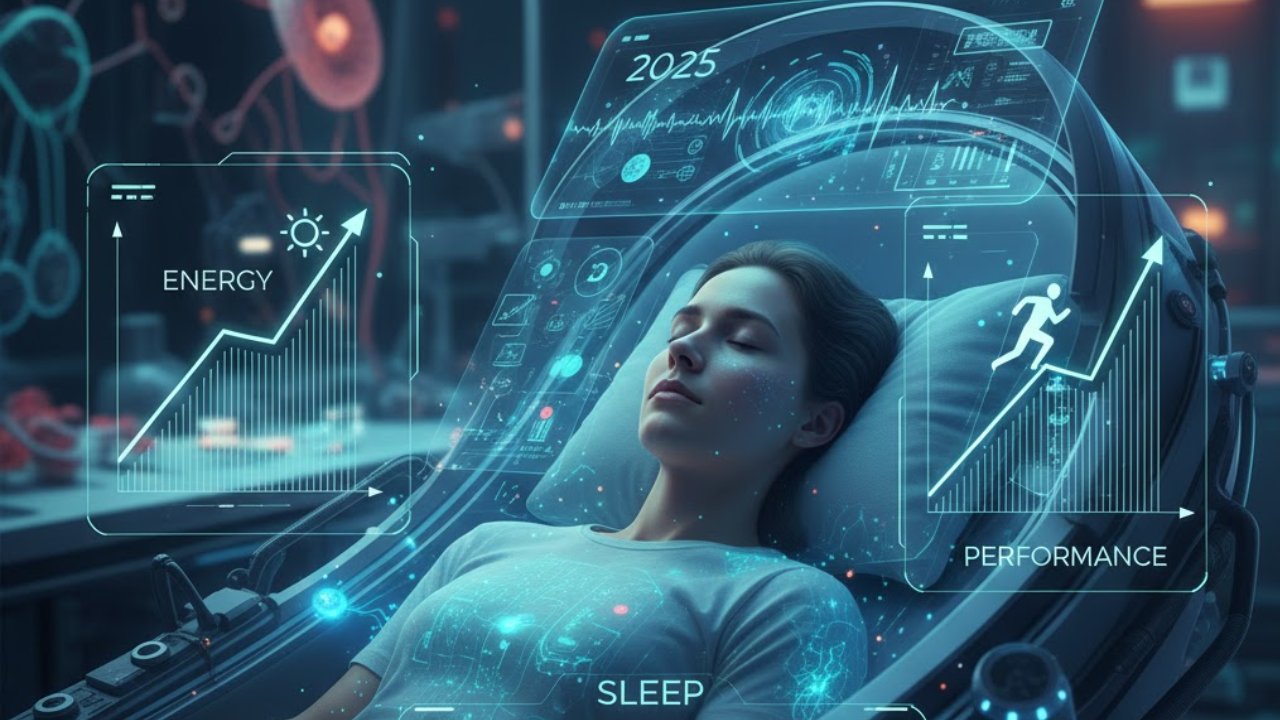
Sleep is the foundation of all human performance, and biohackers are obsessed with perfecting it. The trend now revolves around deep-sleep optimization — improving the quality, not just quantity, of rest.
Tech tools like Oura Ring, Whoop, and Apple Watch Ultra monitor sleep cycles, heart rate variability, and oxygen levels, providing actionable feedback. Some even adjust lighting and temperature automatically to sync with your circadian rhythm.
People are also adopting sleep hygiene rituals — cutting blue light exposure, using red light in the evenings, and consuming magnesium or glycine to enhance relaxation. The goal is to wake up with complete recovery, not just enough rest.
Unlike caffeine dependence, biohacking energy focuses on cellular vitality. The approach revolves around improving mitochondrial health — the energy engines of your cells.
Practices like cold plunges, infrared saunas, and red light therapy (already trending in 2025) help stimulate cellular repair and enhance circulation. On the nutritional side, people are using tools like ketogenic diets, adaptogenic herbs, and intermittent fasting to maintain steady energy levels throughout the day.
Instead of chasing bursts of motivation, biohackers design their days around sustainable alertness and focus — turning productivity into a biological rhythm rather than a struggle.
The most ambitious area of biohacking is neuro-optimization — training the brain for sharper focus and longer attention spans. Tools like neurofeedback headsets, EEG monitoring, and nootropic supplements are becoming mainstream.
Nootropics — compounds that enhance cognitive function — are now a billion-dollar market, with natural ingredients like lion’s mane mushroom, L-theanine, bacopa, and omega-3s leading the trend. Combined with meditation and breath control, they’re helping people achieve deep work states faster and more consistently.
Modern professionals are no longer just exercising their bodies — they’re training their brains like athletes.
Technology has become the biohacker’s laboratory. Wearables now measure everything from hydration to blood sugar, and AI-driven health platforms recommend personalized interventions in real time.
Smart patches can track glucose without needles, while smart rings analyze stress patterns and suggest breathing techniques. Biohackers use this data to fine-tune their routines — from meal timing to sleep cycles — creating a personalized feedback loop that evolves with them.
It’s health turned into a science experiment, with data replacing guesswork.
Food is no longer just fuel — it’s information for the body. Modern biohackers treat nutrition as a programmable tool that can activate or suppress specific biological pathways.
The trend leans toward low-inflammatory, nutrient-dense eating — focusing on clean proteins, healthy fats, and micronutrients. Intermittent fasting remains a cornerstone, helping regulate insulin, support cellular repair (autophagy), and increase longevity markers.
Many are also experimenting with personalized nutrition based on DNA tests and gut microbiome analysis to craft diets that match their genetic profile.
Modern biohacking isn’t just physical; it’s deeply mental. Techniques like breathwork, cold exposure, and meditation train the nervous system to handle stress more efficiently. The idea is to shift from reactive to regulated states — staying calm under pressure.
Apps like Open, Othership, and Mindset provide structured breathing and visualization programs that help balance emotional energy. Combined with physical recovery, this emotional regulation is what turns high performance into long-term sustainability.
As we move deeper into 2025, biohacking is moving from experimental to mainstream wellness. Hospitals are adopting data-driven recovery systems, and workplaces are offering biometric wellness programs for employees. The line between medicine, fitness, and technology continues to blur — paving the way for a future where humans actively upgrade their biology every day.
From DNA-based diets to neural implants, the next generation of health innovation is no longer about treating sickness — it’s about engineering vitality.

Dubai Launches Commercial Driverless Taxis with Apollo Go
Dubai Taxi Company partners with Baidu’s Apollo Go to launch driverless taxis, advancing Dubai’s sma
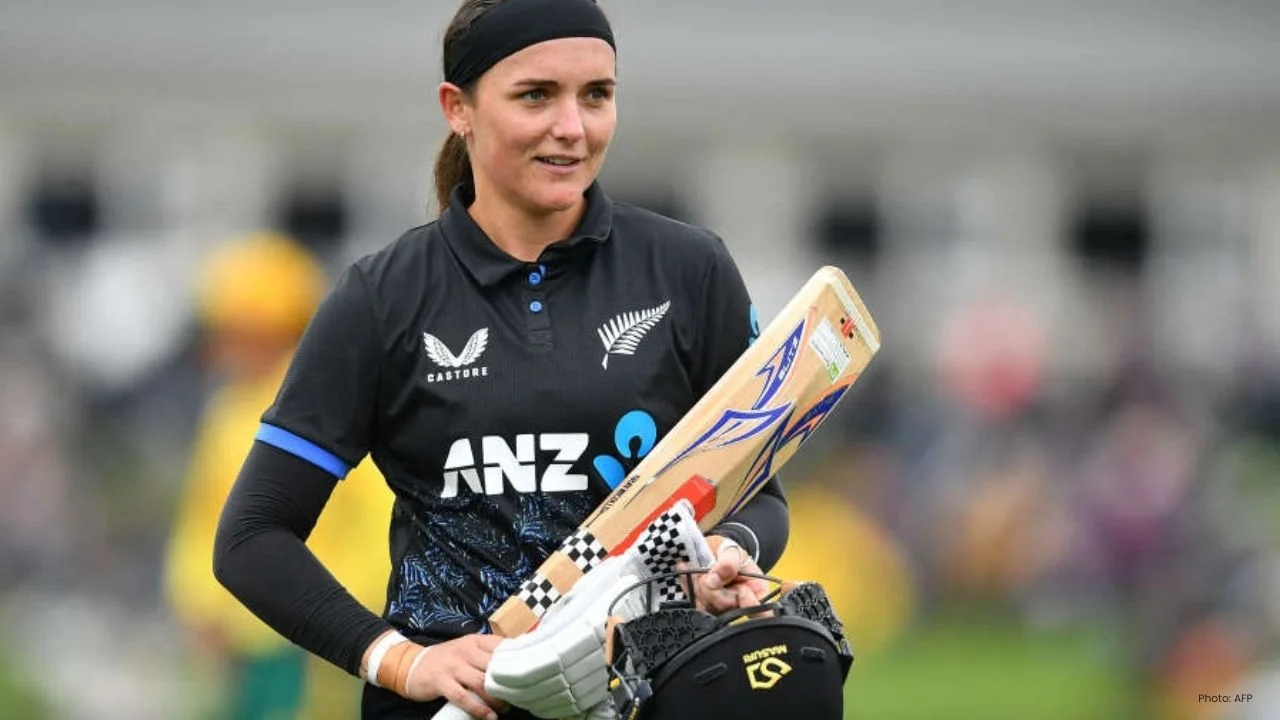
Amelia Kerr Leads NZ to Record ODI Run Chase Against SA
Amelia Kerr’s unbeaten 179 powers New Zealand to record-breaking 348-run chase, beating South Africa
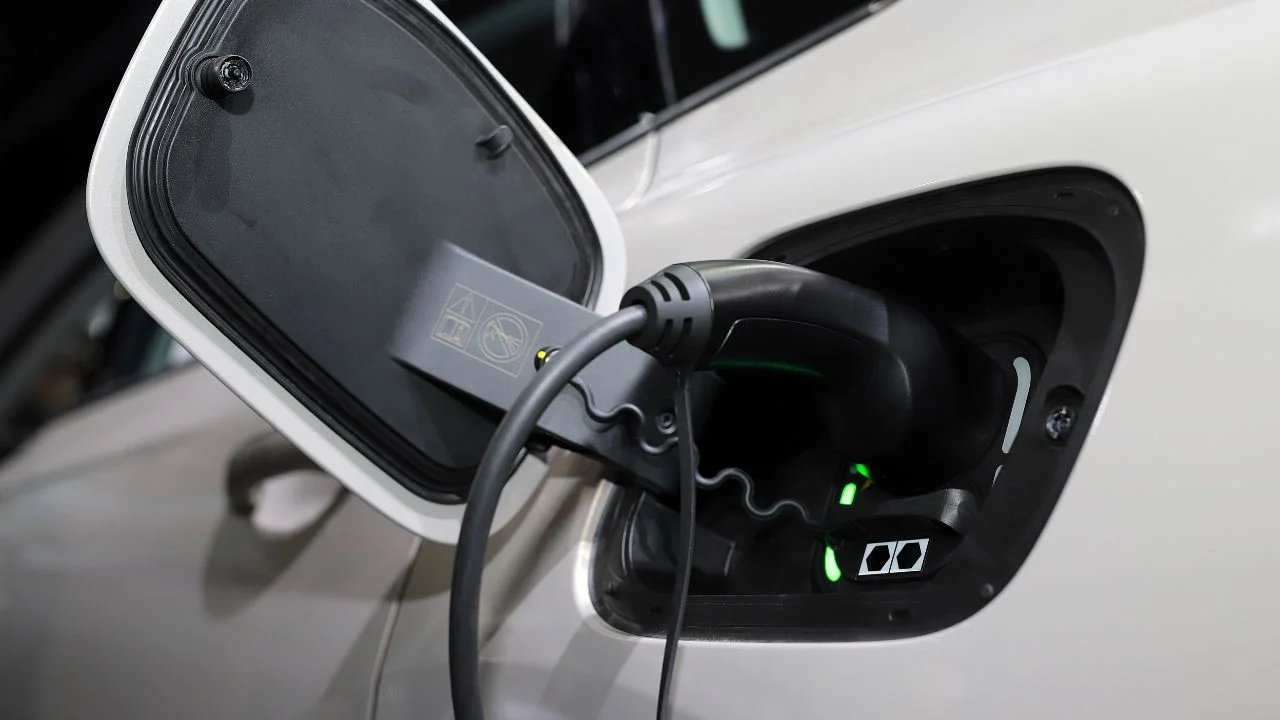
Sharjah Issues New Rules for Electric Vehicle Chargers
Sharjah’s Executive Council sets rules for EV charging stations, detailing installation, tariffs, sa
China VC Funding Hits Record on State-Driven Tech Push
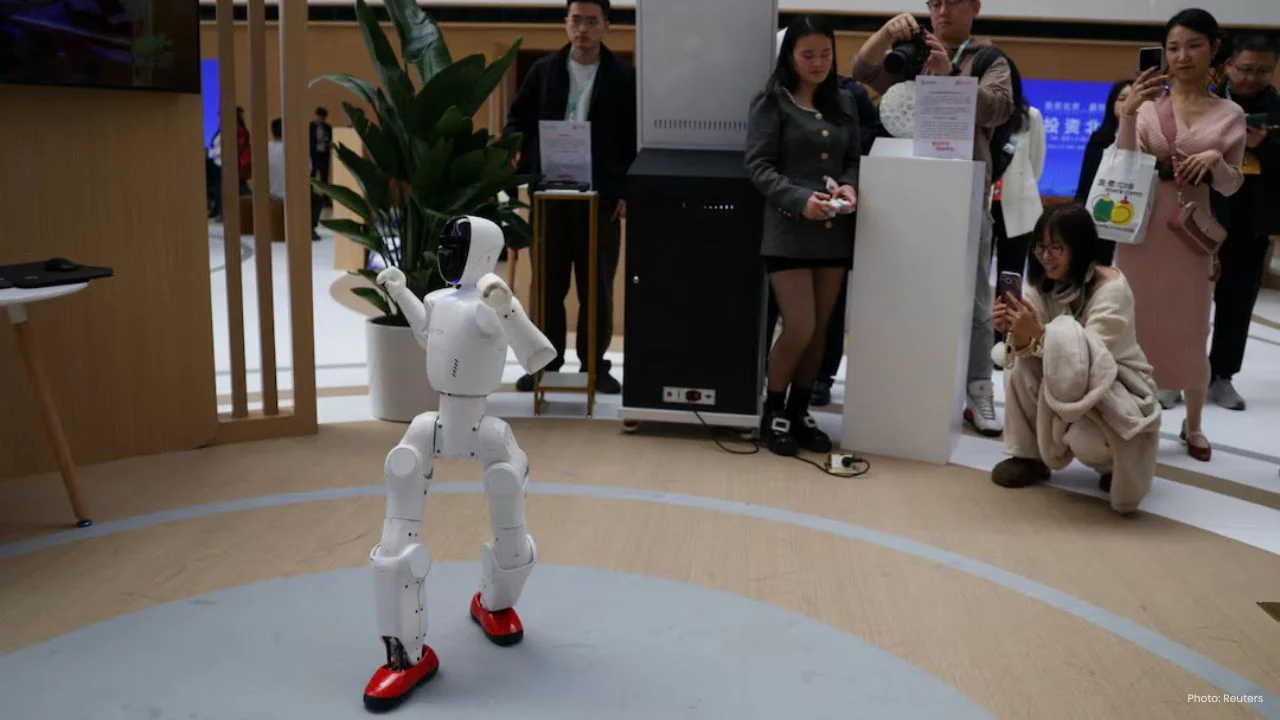
China’s venture capital fundraising is set to hit a record in Q1 2026, led by state-backed investors

Russian Military Plane Crash in Crimea Kills 29 People
A Russian An-26 military plane crashed in Crimea, killing 29 onboard. Authorities suspect technical

IBPC Dubai AGM Strengthens India-UAE Economic Ties
IBPC Dubai AGM highlights growth, inclusivity, and upcoming conclaves, reinforcing India-UAE economi
EU Urges Protection of UNIFIL After Peacekeeper Deaths
EU nations demand protection of UNIFIL forces after deadly attacks, urging restraint and warning aga


Bank of Baroda Faces Abu Dhabi Legal Battle over NMC Collapse
Bank of Baroda’s involvement in Abu Dhabi litigation tied to the NMC Healthcare collapse raises repu

Top Museum Openings of 2026 Set to Transform Global Tourism
From Los Angeles to Abu Dhabi and Brussels, 2026 brings major museum launches—Lucas Museum, Guggenhe

UAE Tour Highlights UAE’s Strength in Hosting Global Sports Events
Abu Dhabi Sports Council says the successful UAE Tour reflects the UAE’s leading role in hosting maj

EU Seeks Clarity from US After Supreme Court IEEPA Ruling
European Commission urges full transparency from the US on steps after Supreme Court ruling, emphasi

SpaceX Launches 53 New Satellites for Expanding Starlink Network
SpaceX launches 53 Starlink satellites in two Falcon 9 missions, breaking reuse records and expandin

RTA Awards Contract for Phase II of Hessa Street Upgrade in Dubai
Phase II of Hessa Street Development to add bridges, tunnel, and upgraded intersections, doubling ca

UAE Gold Prices Today, Monday 16 February 2026: Dubai & Abu Dhabi Updated Rates
Gold prices in UAE on 16 Feb 2026 updated: 24K around AED 599.75/gm, 22K AED 555.25/gm, and 18K AED

Over 25 Ahmedabad Schools Receive Bomb Threat Email, Authorities Investigate
More than 25 schools in Ahmedabad evacuated after bomb threat emails mentioning Khalistan. Authoriti