Post by : Anis Karim
A Silent Shift in How People Monitor Their Health
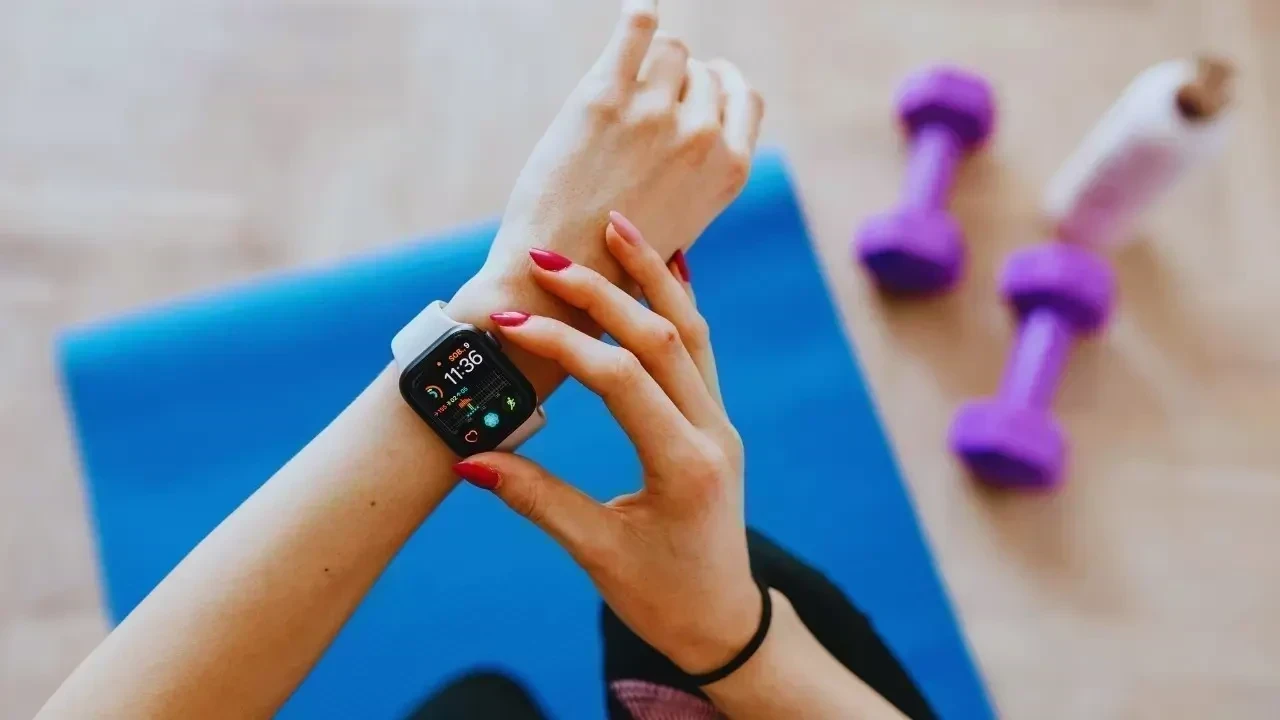
In the last few years, a subtle but powerful change has taken place in personal wellness. Without loud advertising or dramatic announcements, smartwatches have steadily become the most widely used health-tracking tools across households, workplaces, gyms, and even medical environments. What began as a fashionable accessory now plays a deeper role in people’s lives, helping them track sleep, heart rate, steps, exercise, calories, oxygen levels, and even stress patterns.
This shift didn’t happen overnight. It is the result of growing health awareness, digital convenience, and the desire for real-time insights. Today, a smartwatch is not just a tech gadget — it is a quiet health assistant worn on the wrist.
For many users, smartwatches began as interesting add-ons. But as lifestyles grew busier and people became more conscious of their physical and mental wellbeing, these devices suddenly felt essential. They offer something smartphones cannot: continuous, effortless monitoring.
Smartwatches track health without demanding extra time or effort. People naturally wear them throughout the day, making health monitoring completely integrated into routine life.
Several reasons explain this sudden rise:
– Increased focus on preventive health
– Growing interest in fitness and daily activity levels
– More sedentary jobs that require reminders to move
– Rising awareness of heart health
– Demand for convenient tracking instead of manual logs
– The appeal of real-time insights
– Easy integration with everyday routines
These benefits make smartwatches an appealing choice for both tech-savvy users and older adults looking to monitor their wellbeing.
In the past, people visited doctors when they felt unwell. Now, smartwatches help users notice patterns early — changes in energy, sleep deficits, unusual heart rate, irregular routines, or stress spikes. This proactive approach empowers individuals to take control of their wellness before problems escalate.
Smartwatches encourage:
– More steps every day
– Consistent sleep schedules
– Increased physical activity
– Better hydration habits
– Improved stress management
– Regular heart-rate monitoring
These small behavioural changes add up to long-term health benefits.
One of the biggest transformations brought by smartwatches is the shift from occasional health checks to real-time monitoring. This constant feedback loop helps people understand their bodies in a more transparent and personal way.
Real-time tracking allows users to identify:
– Sudden heart rate jumps
– Drops in oxygen levels
– Sleep disturbances
– High stress moments
– Calories burned throughout the day
– Activity levels across hours
This instant data offers clarity that traditional fitness journals or occasional check-ups can never match.
Sleep has become a major health focus recently. Poor sleep affects mood, immunity, mental health, productivity, and long-term wellbeing. Smartwatches monitor sleep patterns automatically, giving users detailed insights every morning.
People can finally see:
– Their deep sleep duration
– Light sleep vs. REM cycles
– Restlessness during sleep
– Average sleep quality
– Trends over days or weeks
This helps individuals adjust routines, reduce screen time at night, and develop better sleep hygiene — all guided by simple, accessible data.
Continuous heart-rate tracking is one of the strongest features driving smartwatch adoption. Users today want to understand their cardiovascular health, even if they’re not fitness enthusiasts.
Smartwatches help detect:
– Elevated resting heart rate
– Unusually low heart rate
– Sudden spikes during stress
– Workout intensity levels
– Cardiovascular endurance patterns
In some cases, smartwatches have even alerted users to irregularities early, encouraging timely medical attention.
As mental health awareness grows, stress monitoring has become a valued feature. Smartwatches analyse heart variability patterns to estimate stress levels, offering breathing exercises and calming prompts during intense moments.
People rely on these features to:
– Understand emotional fluctuations
– Reduce anxiety
– Manage work pressure
– Build daily calm routines
This makes smartwatches not just physical health devices but mental wellness companions.
Another reason smartwatches have taken over is their ability to motivate users gently. Activity rings, step counters, streaks, badges, and reminders create a subtle sense of accomplishment.
These features encourage:
– Walking at least 30 minutes a day
– Standing periodically
– Completing step goals
– Avoiding long sedentary periods
– Staying active even on busy days
This gamification turns daily health into an engaging, achievable habit.
Earlier, fitness tracking was limited to athletes or gym enthusiasts. Smartwatches changed that by making fitness accessible to everyone — from office workers to homemakers, students, and seniors.
They offer different workout modes such as:
– Walking
– Cycling
– Running
– Yoga
– Strength training
– HIIT
– Swimming
– Outdoor sports
– Home workouts
With each workout, users receive feedback on calories burned, effort levels, and performance consistency.
A surprising trend is the increasing use of smartwatches among older adults. The reason is simple: health reassurance. These devices help them monitor:
– Heart rate
– Oxygen saturation
– Sleep patterns
– Steps taken
– Medication reminders
– Sudden inactivity alerts
Children and caregivers also feel more comfort knowing their loved ones have a health-tracking companion on their wrist.
In recent times, oxygen monitoring (SpO2) has become widely valued. Smartwatches offer quick checks, helping users understand their breathing efficiency, especially during sleep or workouts.
This has helped people:
– Identify potential breathing issues
– Track altitude-related changes during travel
– Monitor wellness during illness recovery
Wellness metrics have become a daily part of life for many users.
Smartwatches give users information without needing to reach for their phones. This convenience matters during:
– Meetings
– Workouts
– Commutes
– Cooking
– Outdoor walks
– Household chores
Glancing at the wrist is faster and less distracting than pulling out a phone each time.
Smartwatch ecosystems now connect seamlessly with:
– Smartphones
– Earbuds
– Fitness apps
– Smart home devices
– Health platforms
– Medical records
This interconnected ecosystem makes the smartwatch a central part of daily living.
For people trying to lose weight, maintain weight, or build muscle, smartwatches offer critical data:
– Calories burned
– Calories consumed (via apps)
– Activity levels
– Metabolism patterns
– Exercise performance
Users can track weekly progress and stay motivated with small, measurable improvements.
Smartwatches feel personal because they adapt to the user’s life. People customise:
– Watch faces
– Activity goals
– Widgets
– Notifications
– Health reminders
– Workout preferences
The device becomes a personalised health guide rather than a generic tool.
The biggest reason smartwatches are taking over health tracking is their ability to support preventive health. They help individuals spot early warning signs before they become major health concerns.
When users see:
– Reduced sleep consistency
– Higher stress patterns
– Sudden heart-rate changes
– Drop in activity levels
– Irregular progress
– Rapid fatigue
They are encouraged to take corrective action early.
Preventive health is becoming the core of modern wellness, and smartwatches perfectly align with this approach.
People trust data more than guesswork. Instead of assuming how active they are or estimating how well they slept, they rely on real numbers. The accuracy of modern sensors has significantly improved, making smartwatches reliable tools for everyday monitoring.
Users feel informed rather than uncertain.
All indicators show that smartwatches will become even more central to personal health tracking. The reasons are clear:
– Sensors will get more accurate
– More health metrics will be added
– Integration with medical professionals will increase
– Lifestyle diseases require constant tracking
– People value convenient wellness tools
– Younger generations are already growing up with them
Smartwatches are not replacing medical care — they are enhancing everyday awareness.
Disclaimer:
This article provides general insights into health-tracking technologies. Smartwatches should not be used as substitutes for medical diagnosis or professional healthcare advice.

Family Wins “Family of the Year 2026” at Noor Al Quran Event in Ras Al Khaimah
A family honored at the Noor Al Quran initiative in Ras Al Khaimah for Quran memorization and strong

US Approves $16.5B Arms Deal Amid Iran War Escalation
US approves $16.5B arms sale to Gulf allies and $7B to UAE, boosting defence amid Iran tensions whil

UAE Busts Hezbollah-Iran Terror Network, Members Held
UAE authorities have broken a terror network linked to Hezbollah and Iran, arresting members accused

Swiatek Stunned by Linette in Miami Open Upset Shock
Iga Swiatek suffered a shocking defeat to Magda Linette at the Miami Open, marking her first opening

UAE Orphan Fund Raises AED 3.3 Billion in Ramadan Drive
UAE’s Mother of the Nation Orphan Fund raises AED 3.3B in Ramadan, boosting support for education, h

Ramadan in the UAE: Reflections on Humanity, Leadership, and Lasting Values
A heartfelt Ramadan reflection by Osama Regaah on UAE’s spirit of humility, unity, and leadership, a

Dhurandhar 2 Opens Big, Crosses ₹100 Cr on Day 1
Ranveer Singh starrer Dhurandhar 2 earns ₹102 Cr on day one despite delays, beating past Bollywood o


Bank of Baroda Faces Abu Dhabi Legal Battle over NMC Collapse
Bank of Baroda’s involvement in Abu Dhabi litigation tied to the NMC Healthcare collapse raises repu

Top Museum Openings of 2026 Set to Transform Global Tourism
From Los Angeles to Abu Dhabi and Brussels, 2026 brings major museum launches—Lucas Museum, Guggenhe

UAE Tour Highlights UAE’s Strength in Hosting Global Sports Events
Abu Dhabi Sports Council says the successful UAE Tour reflects the UAE’s leading role in hosting maj

EU Seeks Clarity from US After Supreme Court IEEPA Ruling
European Commission urges full transparency from the US on steps after Supreme Court ruling, emphasi

SpaceX Launches 53 New Satellites for Expanding Starlink Network
SpaceX launches 53 Starlink satellites in two Falcon 9 missions, breaking reuse records and expandin

RTA Awards Contract for Phase II of Hessa Street Upgrade in Dubai
Phase II of Hessa Street Development to add bridges, tunnel, and upgraded intersections, doubling ca

UAE Gold Prices Today, Monday 16 February 2026: Dubai & Abu Dhabi Updated Rates
Gold prices in UAE on 16 Feb 2026 updated: 24K around AED 599.75/gm, 22K AED 555.25/gm, and 18K AED

Over 25 Ahmedabad Schools Receive Bomb Threat Email, Authorities Investigate
More than 25 schools in Ahmedabad evacuated after bomb threat emails mentioning Khalistan. Authoriti