
Post by : Anis Karim
Every winter brings a rise in respiratory illnesses, but this season’s spike has pushed hospitals to respond earlier and more aggressively. Healthcare systems across various regions are diverting staff, expanding respiratory wards, increasing oxygen supply, and revisiting emergency protocols to prepare for a projected rise in patient volume.
Winter respiratory illnesses are no longer routine seasonal challenges. They are impacted by unpredictable climate patterns, evolving viruses, rising pollution levels in urban areas, and shifting immunity cycles. The result is a heavier-than-usual patient load arriving earlier than expected — prompting hospitals to move resources quickly.
Several factors have converged to intensify respiratory cases this season:
sudden temperature drops triggering respiratory irritation
increased indoor gatherings and close-contact environments
circulation of multiple respiratory viruses simultaneously
lower post-holiday immunity across different age groups
air quality fluctuations intensifying chronic conditions
delayed vaccinations and prevention measures in some regions
Together, these factors create a perfect storm, pushing hospitals to adjust capacity before systems get overwhelmed.
The surge isn’t limited to one illness. Hospitals are reporting a mix of respiratory conditions showing sharp increases this week.
seasonal influenza
respiratory syncytial virus (RSV)
acute bronchitis
pneumonia cases
asthma flare-ups triggered by cold air and pollution
chronic obstructive pulmonary disease (COPD) exacerbations
viral infections causing persistent cough and breathing difficulty
With multiple illnesses spreading simultaneously, hospitals face diverse and often unpredictable patient needs.
To manage the rising demand efficiently, hospitals are rapidly reallocating resources toward respiratory care.
Beds are being shifted from lower-demand departments to respiratory units.
Emergency teams are expanding triage stations and fast-track systems for patients with breathing difficulties.
Hospitals are strategically distributing oxygen cylinders, concentrators, and ventilators to high-demand floors.
Specialist teams handle sudden deteriorations in patients with acute breathing problems.
Virtual consultations help manage mild to moderate cases at home, reducing ER congestion.
Supplies such as bronchodilators, steroids, antiviral medicines, and antibiotics are being secured.
These operational shifts ensure hospitals can stay agile during the highest-pressure weeks of the season.
Winter respiratory spikes disproportionately affect certain groups, prompting hospitals to tailor care strategies.
elderly individuals, especially those with pre-existing heart or lung conditions
infants and young children vulnerable to RSV and viral pneumonia
people with chronic lung diseases
individuals with weakened immune systems
patients with uncontrolled asthma
residents of high-pollution regions
Hospitals are prioritising prevention, early diagnosis, and continuous monitoring for these groups to reduce complications.
Many regions are reporting heightened pediatric respiratory admissions. Winter viruses spread quickly among children in schools, daycare centers, and public spaces. Pediatric ICUs are being expanded or supported with cross-trained staff to manage RSV and influenza surges.
Children often require more frequent monitoring, which adds pressure to nursing teams and equipment availability. This is one of the primary reasons hospitals are diverting staff and ventilatory support toward pediatric wards.
Diagnostic loads increase dramatically during winter. Hospitals are allocating more laboratory space, quick-response testing lanes, and portable imaging units.
High-demand diagnostics include:
chest X-rays
arterial blood gas (ABG) analyses
viral panels
rapid flu and RSV tests
CT scans for suspected pneumonia
Fast and accurate diagnosis reduces the risk of complications and helps clinicians manage bed flow more efficiently.
The redistribution of resources inevitably affects other departments.
postponing some elective procedures
reducing non-urgent outpatient appointments
cross-training staff from less busy units
reallocating recovery wards for respiratory support
prioritising emergency and critical care services
While necessary, these changes require careful coordination to maintain patient safety across all specialties.
Hospitals are working with local clinics and primary-care providers to decentralise respiratory care. Community centers are offering early intervention through:
walk-in respiratory clinics
flu and RSV vaccination drives
guidance on managing mild symptoms at home
medication refills to prevent emergency visits
monitoring programs for patients with chronic lung diseases
Community-level support helps keep hospital capacity available for severe cases.
Climate fluctuations and poor air quality have intensified respiratory symptoms this season. Sudden temperature swings irritate airways, while pollution particles worsen inflammation and reduce the body’s defense mechanisms.
Hospitals in polluted regions are reporting:
increased asthma attacks
higher COPD admissions
more severe viral infections
prolonged recovery times
Environmental factors are becoming key drivers of hospital planning strategies.
Healthcare workers face significant pressure during winter respiratory surges. Hospitals are introducing measures to support staff and avoid burnout.
Common solutions include:
flexible shifts
backup staffing pools
respiratory-care training refreshers
mental-health support programs
holiday-season rest cycles for frontline workers
Hospitals know that sustaining workforce strength is essential to managing prolonged respiratory peaks.
Modern hospitals are leveraging technology to ease the burden on medical staff.
remote patient monitoring
automated ventilator management tools
advanced triage software
predictive analytics for bed planning
digital dashboards for respiratory case tracking
These tools make it easier to detect early deterioration, streamline diagnostics, and enhance real-time decision-making.
Medication and equipment demand spikes sharply during respiratory season. Hospitals are ensuring strong supply chains for:
N95 and surgical masks
nebulizers
oxygen regulators
antiviral drugs
inhalers
respiratory disposables
protective gowns
Proactive stockpiling prevents shortages during peak respiratory weeks.
Effective communication reduces panic, ensures efficient patient flow, and encourages preventive behavior. Hospitals are sharing:
guidance on early symptom management
updates on waiting times
vaccination recommendations
home-care advice to reduce unnecessary ER visits
information on telehealth availability
Clear communication helps stabilize demand and improve care outcomes.
The next several weeks are likely to see continued pressure on respiratory units, with hospitals focusing on:
maintaining bed capacity
scaling staff support
strengthening ICU operations
increasing remote monitoring
accelerating vaccinations
expanding community care partnerships
How well hospitals manage this phase will influence recovery speed and overall public health outcomes.
Hospitals are redirecting resources for winter respiratory care because this season’s early and intense surge demands immediate action. With rising cases of influenza, RSV, pneumonia, and chronic respiratory flare-ups, systems are reallocating staff, expanding care units, reinforcing diagnostics, and preparing infrastructure for sustained pressure.
Winter respiratory care is no longer a routine seasonal challenge — it has become a strategic, system-wide effort requiring preparedness, agility, and coordinated support across healthcare networks.
This article discusses general healthcare trends and hospital responses to seasonal respiratory surges. Actual systems, protocols, and capacity adjustments may vary by region, infrastructure, and healthcare regulations.

Philippine Airlines Suspends Dubai, Doha Flights Till April 30
Philippine Airlines has suspended Manila-Dubai and Doha flights till April 30 due to Middle East ten
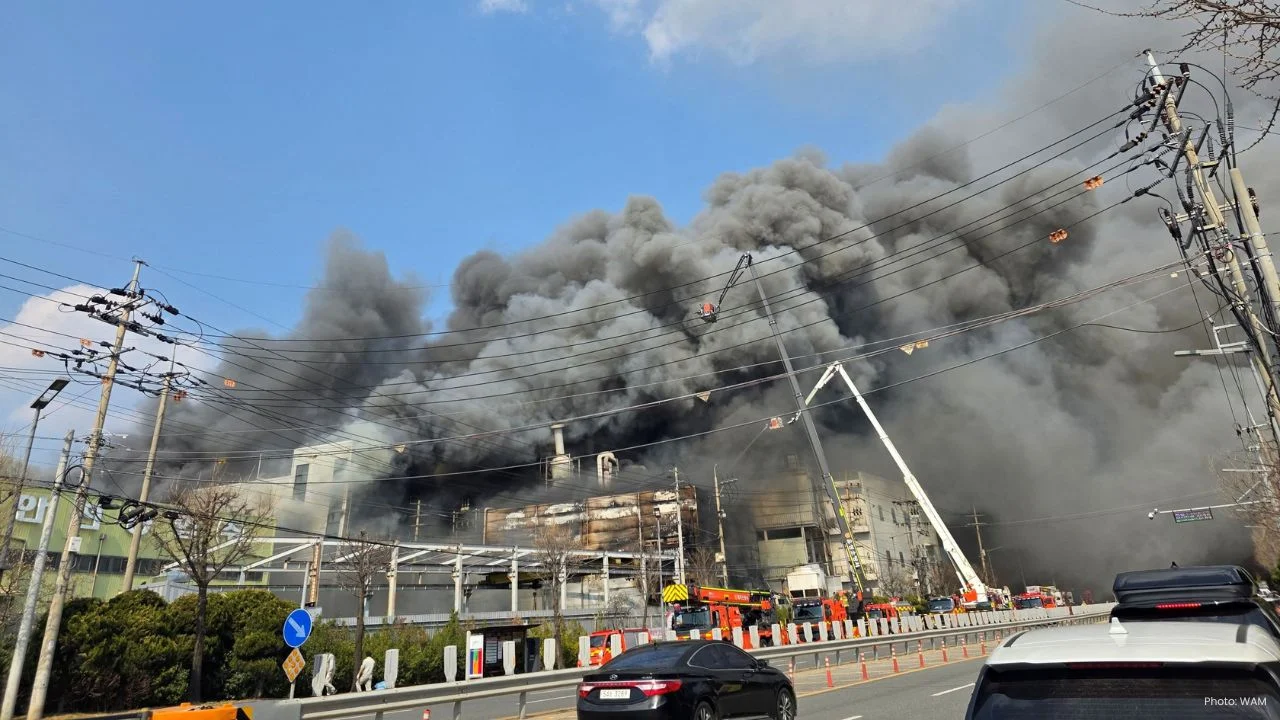
Deadly Factory Fire in Daejeon Kills 11, Several Missing
A massive fire at an auto parts factory in Daejeon, South Korea, has killed 11 people, injured 59, a

Sanofi Opens Innovation Centre in Chengdu China
Sanofi opens its first China Innovation Centre in Chengdu, boosting R&D, clinical trials, and supply

Jordan, Egypt Condemn Terror Plot Targeting UAE
Jordan and Egypt strongly condemn a terror plot targeting the UAE’s economy, reaffirming support for

Elon Musk Found Liable in Twitter Investor Case
A US jury found Elon Musk liable for misleading Twitter investors in 2022 deal, awarding up to $2.1

BTS Comeback Concert Draws 260K Fans in Seoul
BTS holds a mega comeback concert in Seoul with 260,000 fans, marking their first album in 3 years a
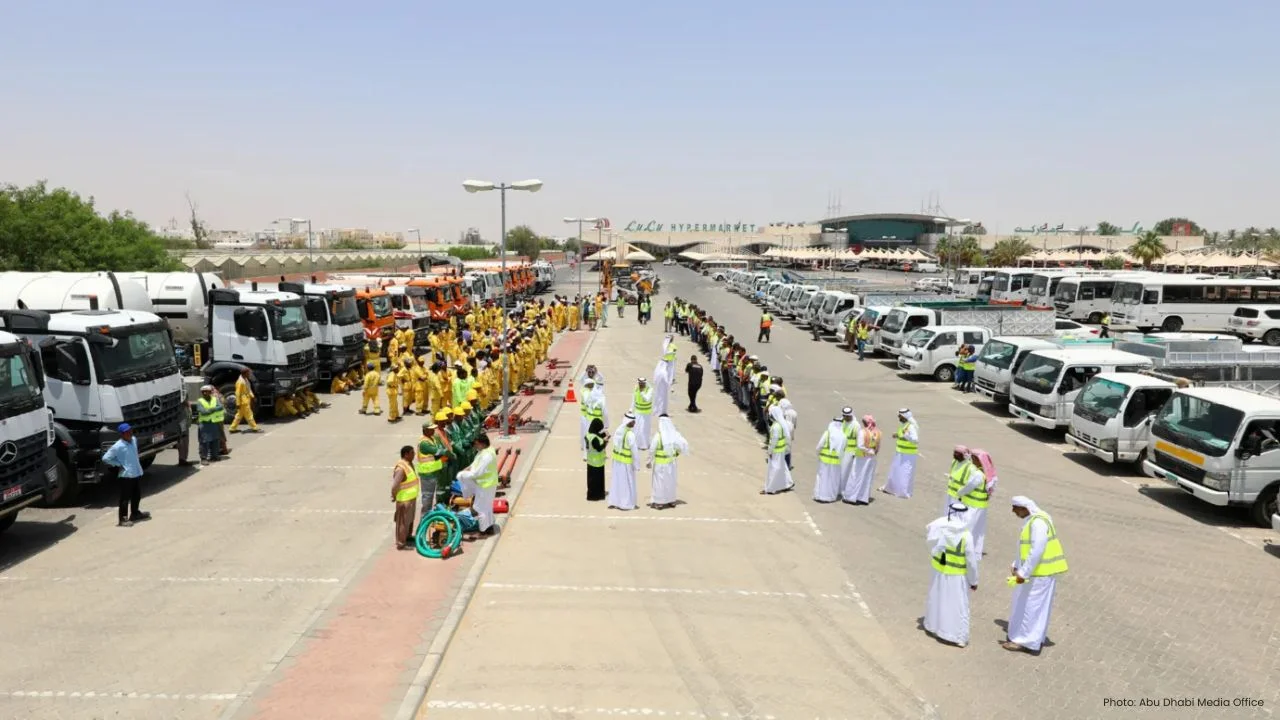
UAE DMT Prepares for Weather Alert March 21–27
Abu Dhabi’s DMT activates emergency plans, deploys teams, and urges public caution as unstable weath


Bank of Baroda Faces Abu Dhabi Legal Battle over NMC Collapse
Bank of Baroda’s involvement in Abu Dhabi litigation tied to the NMC Healthcare collapse raises repu

Top Museum Openings of 2026 Set to Transform Global Tourism
From Los Angeles to Abu Dhabi and Brussels, 2026 brings major museum launches—Lucas Museum, Guggenhe

UAE Tour Highlights UAE’s Strength in Hosting Global Sports Events
Abu Dhabi Sports Council says the successful UAE Tour reflects the UAE’s leading role in hosting maj

EU Seeks Clarity from US After Supreme Court IEEPA Ruling
European Commission urges full transparency from the US on steps after Supreme Court ruling, emphasi

SpaceX Launches 53 New Satellites for Expanding Starlink Network
SpaceX launches 53 Starlink satellites in two Falcon 9 missions, breaking reuse records and expandin

RTA Awards Contract for Phase II of Hessa Street Upgrade in Dubai
Phase II of Hessa Street Development to add bridges, tunnel, and upgraded intersections, doubling ca

UAE Gold Prices Today, Monday 16 February 2026: Dubai & Abu Dhabi Updated Rates
Gold prices in UAE on 16 Feb 2026 updated: 24K around AED 599.75/gm, 22K AED 555.25/gm, and 18K AED

Over 25 Ahmedabad Schools Receive Bomb Threat Email, Authorities Investigate
More than 25 schools in Ahmedabad evacuated after bomb threat emails mentioning Khalistan. Authoriti