Post by : Abhinav Rana
Photo : X / @Info_Ambon1
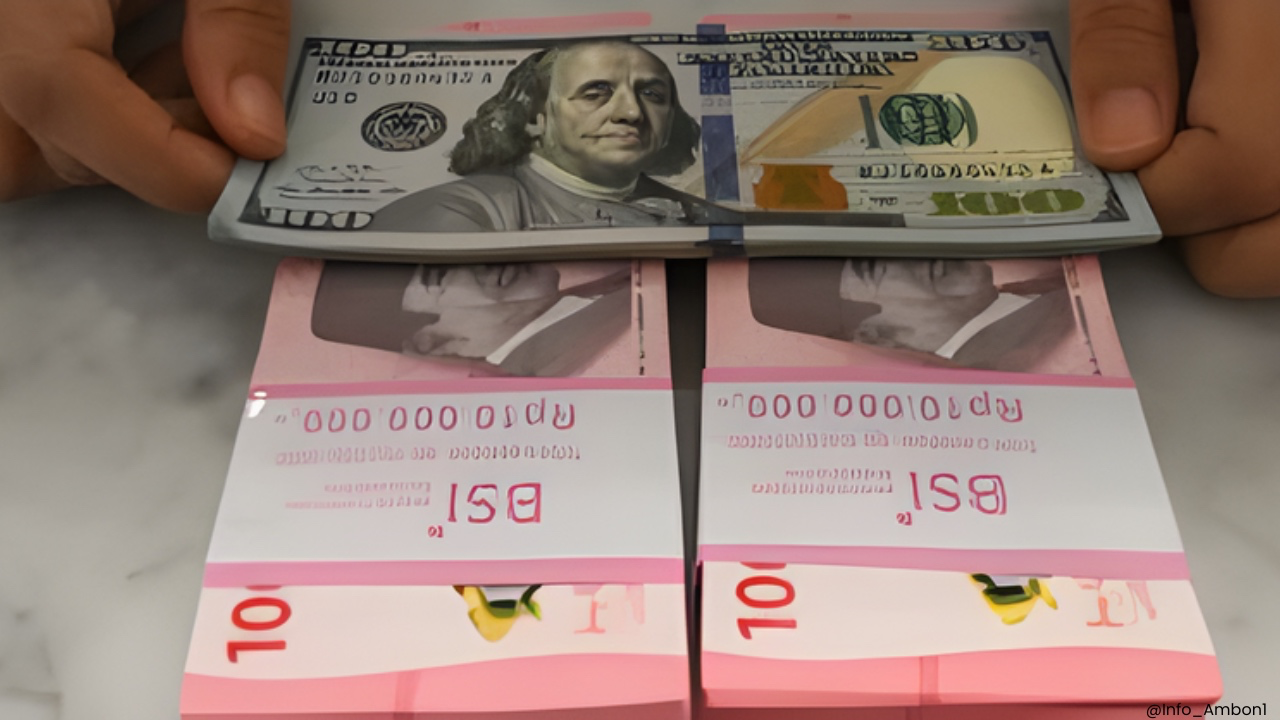
A shifting currency environment is offering financial gains for many expatriates in the UAE. The depreciation of the Indian rupee, Philippine peso, and Pakistani rupee is leading to enhanced remittance value. What may appear as a negative trend in their home nations is actually an opportunity for expatriates to make the most out of their sent dirhams. Currently, exchange rates are at multi-year lows, prompting households to rethink the timing and methods of their money transfers for gaining maximum benefit from these favorable conditions.
The advantage in remittances comes from a broader slump in several Asian currencies against the UAE dirham, which is pegged to the US dollar. Factors such as global economic pressures, inflation, and capital movements are adversely affecting currencies like the rupee and peso, while the dirham enjoys enhanced purchasing power. Recent exchange rates show the Indian rupee hitting historic lows around 25+ per dirham, with the Philippine peso trading in the 16 range—conditions that significantly increase the funds received back home for the same remittance amount. This currency disparity isn't a recent occurrence but reflects a global market trend influenced by oil price fluctuations and investor sentiment. For expatriates, this means more value without increasing the amount sent.
In light of favorable exchange conditions, expatriates in the UAE are adopting more strategic approaches to their remittance choices. Rather than simply sending fixed monthly sums, many are now timing their transfers to capitalize on these rates or splitting remittances into multiple smaller transactions as a hedge against potential future currency changes. This shift indicates a more financially astute strategy, turning remittances from routine tasks into calculated financial movements. Families are now closely tracking exchange trends, assessing the merits of immediate transfers against potential future depreciation. This behavior signifies a noteworthy evolution in financial planning among expatriates, where access to real-time market data fosters more informed decision-making.
The positive effects of this remittance surge extend well beyond single households. Increased currency inflows can give vital support to economies facing currency depreciation, stabilizing local consumption and spending. For families receiving remittances, the advantages include higher purchasing power, improved saving opportunities, and increased financial agility. Often, these funds serve as essential financial lifelines, enabling expenses such as education, healthcare, and housing. On a larger scale, sustained remittance inflows can significantly bolster economic resilience, especially in countries where overseas workers form a crucial part of the national income.
While fundamentally financial, trends in remittances are intricately connected to larger global systems, spanning transportation and logistics. Cross-border monetary flows are deeply intertwined with migration trends, labor mobility, and global economic activities—all influenced by infrastructure and transport networks. In regions like the Gulf, where robust expatriate populations thrive thanks to aviation, shipping, and urban transit, currency fluctuations can indirectly influence travel behavior, spending habits, and economic activities. Enhanced remittance inflows typically lead to greater financial circulation, impacting various sectors from retail to transport services, highlighting an often-unnoticed link: financial flows and physical mobility are two interconnected aspects of the global economy, each subtly influencing the other.
Though expatriates currently enjoy this advantageous situation, experts warn that currency trends can rapidly change, making the timing of transfers essential. While the rupee, peso, and other currencies may remain under stress, unforeseen global economic conditions could reverse trends and limit the existing remittance benefits. However, for the moment, the opportunity remains, prompting many expatriates to take decisive actions to capitalize on favorable exchange rates while they last. The upcoming weeks are pivotal in determining whether this trend stabilizes or shifts further, potentially leading to more chances or challenges for those sending money home.
As currency fluctuations increasingly define the global financial landscape, expatriates in the UAE are adapting to a new era of financial insight and flexibility. Remittances are evolving from simple obligations into strategic decisions, influenced by global trends, economic indicators, and individual goals. This change signifies a wider transformation in how people engage with global markets, transitioning everyday transactions into opportunities for enhancing value. Thus, while declining currencies may signal economic hurdles in certain regions, for UAE expatriates, it represents a period of financial empowerment, where insight, strategy, and timing convert volatility into advantage.

Spirit Airlines on the Verge of Liquidation Due to Escalating Costs
Spirit Airlines may soon face liquidation amidst escalating fuel prices and ongoing financial losses

Indonesia's Youth Engagement Needs Urgent Attention
With the Youth Pledge centennial approaching, experts emphasize the need for greater youth involveme

Dubai SME–DLD Pact Boosts Emirati Role in Real Estate
Dubai SME and DLD sign MoU to boost Emirati SMEs in real estate, offering access, training, and part
Gaza–Israel Crisis: UAE Relief Through Dubai Strengthens Emergency Logistics
DXB News Network’s verified report on UAE humanitarian aid through Dubai, covering WHO medical ship

Historic Israel-Lebanon Talks on the Horizon, Says Trump
Trump reveals potential direct talks between Israeli and Lebanese leaders, sparking hope for peace a

Hockey Diplomacy: Carney and Stubb Hit the Ice in Ottawa
PM Mark Carney and President Alexander Stubb engaged in a friendly hockey match in Ottawa, emphasizi

Tragic Capsizing: Hundreds of Rohingya Refugees Missing in Andaman Sea
A capsized boat in the Andaman Sea leaves around 250 Rohingya refugees missing, highlighting their d


7 Daily Habits to Burn Belly Fat Naturally
Discover 7 simple daily habits to burn belly fat naturally without extreme dieting. Easy, effective

Power of Compounding: How $5,000 Can Grow Into $120,000
Discover how compounding turns $5,000 into $120,000 over time. Learn long-term investing strategies

When to Test Blood Sugar: Morning vs After Breakfast Explained
Should you check blood sugar fasting or after meals? Learn the best time to test glucose levels and

WhatsApp Down Today? Users Report Strange Issue Worldwide
WhatsApp users report message delays and strange issues worldwide. Find out what happened, why it oc

Is Your Phone Spying on You? 6 Android Settings to Turn Off Now
Worried your phone is spying on you? Learn 6 Android settings to turn off now to protect your privac

7 Protein-Rich Indian Foods You Should Add to Your Daily Diet
Discover 7 protein-rich Indian foods to boost your daily protein intake naturally without supplement

Is It Safe to Keep Laptop Plugged In All the Time? Battery Truth Explained
Is it safe to keep your laptop plugged in all day? Learn the truth about battery health, charging ha

Actual Cost of Living in Dubai for a Family : Rent, School Fees & Monthly Expenses
Discover the real cost of living in Dubai for a small family in 2026, including rent, school fees, g