Post by : Anis Karim
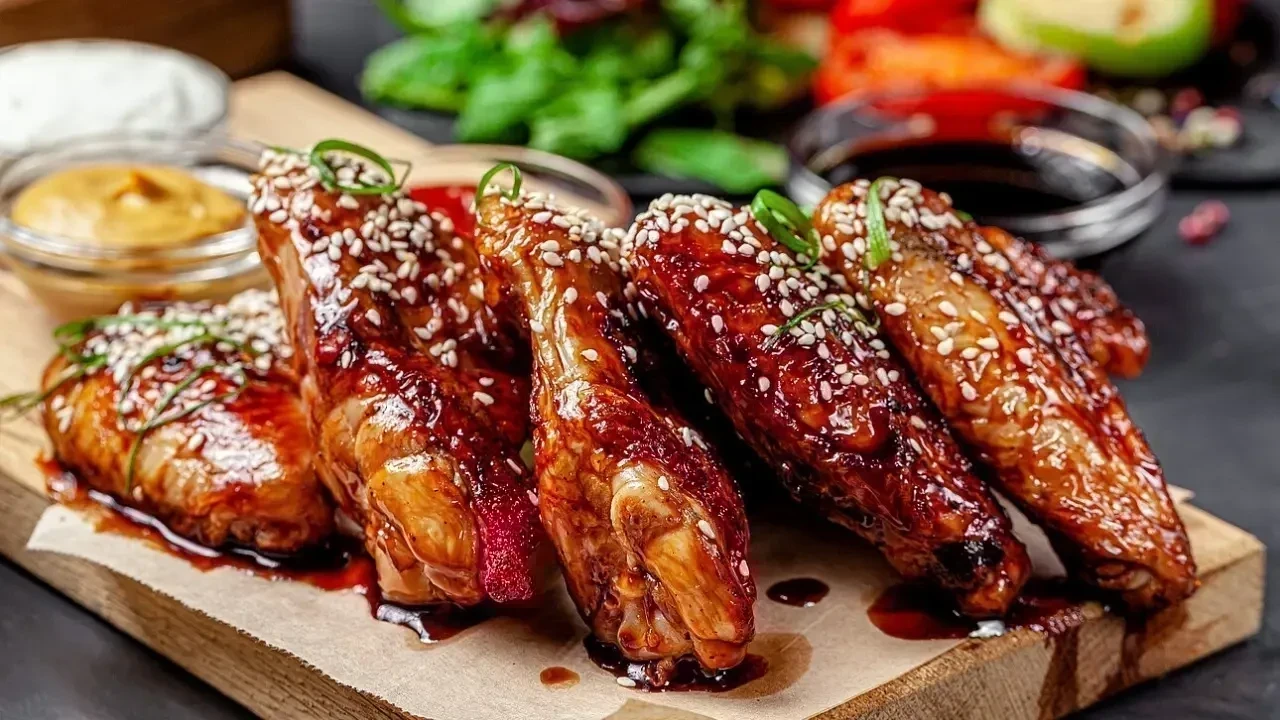
Culinary trends often make a quiet entrance before gradually gaining traction. However, the swicy phenomenon has rocketed to center stage—loudly and unapologetically. From hot honey splashed on fried chicken to chili-enhanced chocolates and spicy mango snacks dominating social media feeds, swicy is now one of the most discussed and sought-after flavor profiles globally.
Combining the terms sweet and spicy, the swicy style isn't a novel concept; cultures worldwide have harmonized heat and sweetness for ages. What sets swicy apart in 2026 is its strategic branding, marketing, and integration, especially in fast food and packaged goods, combined with a digital food culture.
The pivotal question remains: is swicy destined to revolutionize culinary experiences or merely a trend fueled by social media popularity?
Swicy embodies a unique balance of sugar-driven sweetness and capsaicin-driven heat. This juxtaposition is crucial: sweetness mitigates the burn, while spice elevates flavors, leading to an intricate sensory journey.
Typical swicy pairings involve:
Hot honey paired with fried delicacies
Chili-infused chocolate
Sweet chili sauces
Spicy fruit snacks
Sugar-dusted items accompanied by heat-driven sauces
Unlike foods that focus solely on spice intensity, swicy aims for pleasure, equilibrium, and repeatability.
Tastes globally are shifting rapidly. Consumers increasingly crave diversity in flavors—seeking contrast, complexity, and surprise. That’s precisely what swicy brings to the table.
Search data shows a trend of individuals looking for:
“Sweet and spicy snacks”
“Hot honey recipes”
“Spicy dessert inspirations”
This interest aligns with a broader movement towards exciting yet accessible dining experiences.
Platforms like TikTok and food-centric channels thrive on reaction-driven eating. Swicy foods fit right in:
The sweetness entices taste buds
The spice elicits genuine reactions
The equilibrium invites repeated tasting
Food content creators often showcase first bites, animated faces, and exaggerated reactions—elements that perform exceptionally well in the digital landscape.
As a result, swicy has transformed from a mere flavor into a content phenomenon.
For dining establishments, swicy provides an avenue for innovation that doesn’t demand unfamiliar ingredients—just a creative remix of what’s already known.
Strategies for swicy offerings include:
Incorporating hot honey in existing fried dishes
Creating sweet chili glazes
Introducing limited-edition swicy sauces
Since sweetness offsets spice, these dishes resonate with a wider audience compared to conventional spicy foods.
Packaged food brands have swiftly adopted the swicy trend, resulting in grocery shelves filled with:
Sweet chili tortilla chips
Spicy fruit gummies
Chili-enhanced chocolate bars
Bottles of hot honey
Sweet-spicy nut blends
These products enjoy:
Strong shelf presence
Clear flavor indicators
Easier sampling experiences
Once consumers experience a swicy product, they are likely to explore others—creating a flavor ecosystem.
From a neurobiological perspective, swicy flavors engage multiple pleasure pathways concurrently:
Sweetness promotes dopamine release
Spiciness generates endorphins
The contrast keeps the brain actively engaged
This synergy fosters what food scientists frequently denote as “controlled stimulation”—exciting yet manageable.
Hence, swicy foods are often perceived as positively addictive.
While “swicy” is a contemporary term, the alliance of sweet and spicy flavors is age-old:
Southeast Asian kitchens frequently unite sugar and chili
Latin American treats blend fruit, salt, and spice
East Asian sauces balance heat with sweetness
Middle Eastern cuisine often involves honey paired with spice
What’s new is the Western approach to branding and mass-market commercialization.
One of the most surprising trends is the emergence of swicy desserts. Searches for spicy sweet treats have skyrocketed, particularly among younger demographics.
Popular choices include:
Chili-infused brownies
Spiced caramel drizzle
Hot honey gelato
Pepper-laced pastries
Desserts were once thought to shy away from heat, yet swicy has rewritten those culinary norms.
While still a niche area, swicy beverages are starting to capture attention:
Spicy margaritas blended with fruit syrup
Chili-infused sodas
Sweet-spicy mocktails
Mango with chili smoothies
These beverages utilize controlled levels of spice to ensure refreshment without discomfort.
Indeed, younger consumers are amplifying swicy's visibility as they:
Search for novelty
Document food experiences online
Thrive on strong sensory contrasts
However, swicy ofrece transcends age. Its customizable heat levels allow it to resonate across diverse audiences, promoting its sustainability beyond transient spicy trends.
Spice frequently links to:
Boosting metabolism
Decreasing sugar dependency
Controlling appetite
When paired with natural sweeteners such as honey or fruit, swicy creations are occasionally viewed as more balanced compared to sugar-heavy alternatives.
This perception—whether based on scientific evidence or not—enhances consumer trust.
Swicy presents brands with multiple advantages:
A catchy, memorable branding
Clear flavor concept
Versatility across product categories
Storytelling conducive to virality
Furthermore, it empowers brands to refresh existing lines rather than inventing entirely new ones.
One potential downside is excessive spiciness. When heat overshadows sweetness, it risks losing mainstream appeal.
Brands struggling with swicy often:
Chase shock value
Neglect balance
Misunderstand spice thresholds
The key to swicy's triumph relies on precision, not aggression.
Several signs indicate swicy may be here for the long haul:
Adoption in myriad food categories
Integration into mainstream dining
Compatibility with global cultures
Strong consumer renewal interest
Unlike passing flavor trends, swicy naturally blends into everyday eating habits.
Previous spicy trends often concentrated on:
Heat challenges
Shock-driven consumption
Episodic viral moments
Conversely, swicy focuses on enjoyable and harmonious experiences, enhancing its chances of becoming a lasting fixture.
The future of swicy products may explore:
Region-specific chili varieties
Natural sweetening agents
Fermented sources of heat
Layering spice complexities
Swicy is poised to evolve from a mere novelty into culinary sophistication.
Consumers actively seek:
“Hot honey recipes”
“Sweet-spicy sauce DIY”
“Chili-infused chocolate at home”
This suggests that swicy isn't merely being enjoyed—it's also being recreated.
Swicy beautifully exemplifies how modern consumers perceive food:
Desiring flavor contrasts
Rejecting extreme flavors
Valuing experiential dining
In essence, swicy mirrors contemporary lifestyle preferences—bold yet balanced, thrilling but satisfying.
The emergence of the swicy flavor is no coincidence. It intersects psychology, culture, marketing, and shifting taste preferences. Its triumph lies in equilibrium—not merely between sweet and spicy but also between novelty and familiarity.
Swicy is accessible, versatile, and resonates emotionally. Whether savored in a restaurant, as part of a packaged snack, or recreated at home, it fulfills a longing for flavor with emotional depth.
So, is swicy poised to be the next monumental culinary phenomenon? All indicators strongly suggest it already is—and may very well become a permanent fixture in our dining experiences.
This article serves as an analytical look into emerging culinary trends based on observable consumer behavior, industry patterns, and interest levels, meant for informational purposes only.

Family Wins “Family of the Year 2026” at Noor Al Quran Event in Ras Al Khaimah
A family honored at the Noor Al Quran initiative in Ras Al Khaimah for Quran memorization and strong

US Approves $16.5B Arms Deal Amid Iran War Escalation
US approves $16.5B arms sale to Gulf allies and $7B to UAE, boosting defence amid Iran tensions whil

UAE Busts Hezbollah-Iran Terror Network, Members Held
UAE authorities have broken a terror network linked to Hezbollah and Iran, arresting members accused

Swiatek Stunned by Linette in Miami Open Upset Shock
Iga Swiatek suffered a shocking defeat to Magda Linette at the Miami Open, marking her first opening

UAE Orphan Fund Raises AED 3.3 Billion in Ramadan Drive
UAE’s Mother of the Nation Orphan Fund raises AED 3.3B in Ramadan, boosting support for education, h

Ramadan in the UAE: Reflections on Humanity, Leadership, and Lasting Values
A heartfelt Ramadan reflection by Osama Regaah on UAE’s spirit of humility, unity, and leadership, a

Dhurandhar 2 Opens Big, Crosses ₹100 Cr on Day 1
Ranveer Singh starrer Dhurandhar 2 earns ₹102 Cr on day one despite delays, beating past Bollywood o


Bank of Baroda Faces Abu Dhabi Legal Battle over NMC Collapse
Bank of Baroda’s involvement in Abu Dhabi litigation tied to the NMC Healthcare collapse raises repu

Top Museum Openings of 2026 Set to Transform Global Tourism
From Los Angeles to Abu Dhabi and Brussels, 2026 brings major museum launches—Lucas Museum, Guggenhe

UAE Tour Highlights UAE’s Strength in Hosting Global Sports Events
Abu Dhabi Sports Council says the successful UAE Tour reflects the UAE’s leading role in hosting maj

EU Seeks Clarity from US After Supreme Court IEEPA Ruling
European Commission urges full transparency from the US on steps after Supreme Court ruling, emphasi

SpaceX Launches 53 New Satellites for Expanding Starlink Network
SpaceX launches 53 Starlink satellites in two Falcon 9 missions, breaking reuse records and expandin

RTA Awards Contract for Phase II of Hessa Street Upgrade in Dubai
Phase II of Hessa Street Development to add bridges, tunnel, and upgraded intersections, doubling ca

UAE Gold Prices Today, Monday 16 February 2026: Dubai & Abu Dhabi Updated Rates
Gold prices in UAE on 16 Feb 2026 updated: 24K around AED 599.75/gm, 22K AED 555.25/gm, and 18K AED

Over 25 Ahmedabad Schools Receive Bomb Threat Email, Authorities Investigate
More than 25 schools in Ahmedabad evacuated after bomb threat emails mentioning Khalistan. Authoriti