Post by : Anis Karim
As gold prices escalate, it’s not just a trend; it signals a deeper psychological shift regarding public trust in traditional currencies. Gold serves as a barometer of uncertainty, and its increasing value often indicates that something essential—confidence—is diminishing.
Every significant surge in gold prices carries emotional weight, echoing public concerns about monetary policies and future stability. Unlike equities, gold doesn’t promise returns. It doesn’t generate interest like bonds or provide shelter like real estate.
So, why do people gravitate towards gold in tumultuous times?
Gold offers a semblance of steadiness in an unpredictable landscape. It’s an anchor when currencies falter, and economies stumble. In essence, a rising gold price communicates a clear message:
Public concern is at a peak.
Gold doesn’t expand wealth; it preserves it. It’s a fortress for value when finances appear fragile. Globally, trust in paper money is dwindling, making gold an appealing alternative.
While markets operate on logic, gold is driven by collective emotions. Investors engage with stocks to accumulate wealth, while individuals turn to gold to safeguard their assets.
As living costs creep higher, wages often don’t keep pace. This disparity fuels an awareness of currency erosion.
Gold provides a protective layer against monetary weakness by increasing in value as currencies fade.
With currencies faltering, imports become pricier, inflation rises quietly, and savings begin to diminish in significance. In such times, people don’t seek gold out of greed but as a survival tactic.
Gold acts as insurance against a declining purchasing power.
While stock markets react swiftly to uncertainties, gold changes slowly, responding only when fears rise to critical levels.
When investments appear risky and savings feel inadequate, gold emerges as a safe haven.
Individuals fear not immediate catastrophe but mismanagement and instability.
Though central banks manage interest rates and liquidity, they struggle to retain emotional authority. As inflation persists and currencies weaken despite reassurances, public skepticism grows.
People then find solace in gold, switching from traditional financial tools to more emotional assets.
In recent years, the quest for higher returns dominated. However, the focus is shifting towards safety and stability amidst uncertainty.
Now, more than ever, gold is perceived as a comforting currency.
Gold is not just for older generations anymore. Young professionals are digitally investing in gold as a safeguard against financial instability.
This reflects a troubling trend:
The youth are losing faith in the longevity of currency.
In a digital age filled with complexities, gold offers reliability.
No operating system
No password
No server
No expiry
It endures when other systems fail, representing simplicity amidst danger.
Gold does not engage in politics or protests. It remains indifferent to instability.
When political landscapes fluctuate, people often retract trust from formal agreements, opting instead for solid assets like gold.
When confidence in banks declines, individuals may not react outwardly; instead, they migrate their savings into gold silently.
This nuanced shift reflects a significant psychological change.
Gold doesn’t predict crises, but it senses shifts in sentiment before statistics can.
If gold prices are consistently rising, it often indicates:
Inflation worries
Anticipated currency declines
Expected market volatility
Geopolitical uncertainties
Lack of trust in financial instruments
Gold isn’t an immediate reaction; it’s a gradual response to mounting fears.
In Indian culture, gold signifies more than mere investment; it encompasses:
Legacy
Financial security
Sentiment
Tradition
Marriage customs
Reliability
Gold is favored over bank agreements and becomes particularly significant in times of global unease.
The middle class feels economic pressures acutely, caught between assistance and immunity.
Rising gold prices often reveal:
Anxiety among the middle class
Eroding confidence
Increasing living expenses
Instability fears
In times of turmoil, gold becomes the essential fallback.
While gold may not increase wealth, it certainly helps secure it when conditions falter.
Gold won’t replace income but prevents losses from becoming catastrophic.
Ultimately, it serves as a refuge during extended uncertainties.
Our world is built on mutual agreements:
Trust in currency
Loan repayment reliability
Credibility of banks
Government promises
When these bonds fray, society gravitates towards certainty instead of opportunity.
Gold is a pragmatic choice—a protective response mechanism.
Rising gold prices suggest:
People are psychologically preparing
Global stability is in doubt
Economic confidence is waning
Inflated economies are feeling fragile
Gold climbs when optimism is shaky.
Ask not whether gold will rise, but rather:
“Do I trust the money I hold?”
If uncertain, investing in gold makes logical sense.
Gold doesn’t scream of crises.
It gently expresses doubt.
When prices rise, it signals not changes in gold, but shifts in trust.
Trust in:
Currency stability
Institutional reliability
Growth assumptions
Prospects for stability
Policy certainty
This loss of faith drives one of the most significant transitions of our time—not merely economic but psychological.
Until confidence is restored, gold will keep rising—not due to its intrinsic value but because all else appears fragile.
Disclaimer:
This article serves general informational purposes and does not provide financial or investment advice. Always consult certified financial professionals before making any investment decisions.
Gold Prices Edge Up, Set for Third Weekly Decline
Gold prices rose slightly but are heading for a third weekly loss as a strong US dollar and Fed tigh

Philippine Airlines Suspends Dubai, Doha Flights Till April 30
Philippine Airlines has suspended Manila-Dubai and Doha flights till April 30 due to Middle East ten
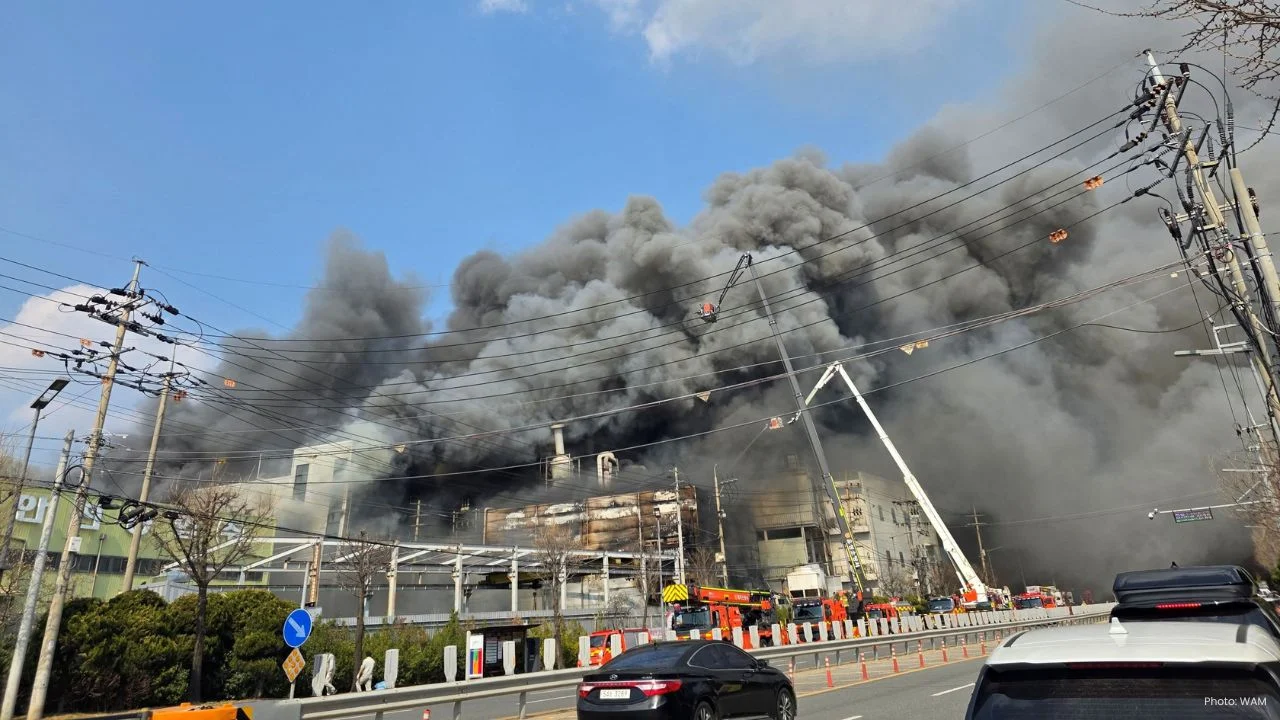
Deadly Factory Fire in Daejeon Kills 11, Several Missing
A massive fire at an auto parts factory in Daejeon, South Korea, has killed 11 people, injured 59, a
Sanofi Opens Innovation Centre in Chengdu China
Sanofi opens its first China Innovation Centre in Chengdu, boosting R&D, clinical trials, and supply

Jordan, Egypt Condemn Terror Plot Targeting UAE
Jordan and Egypt strongly condemn a terror plot targeting the UAE’s economy, reaffirming support for
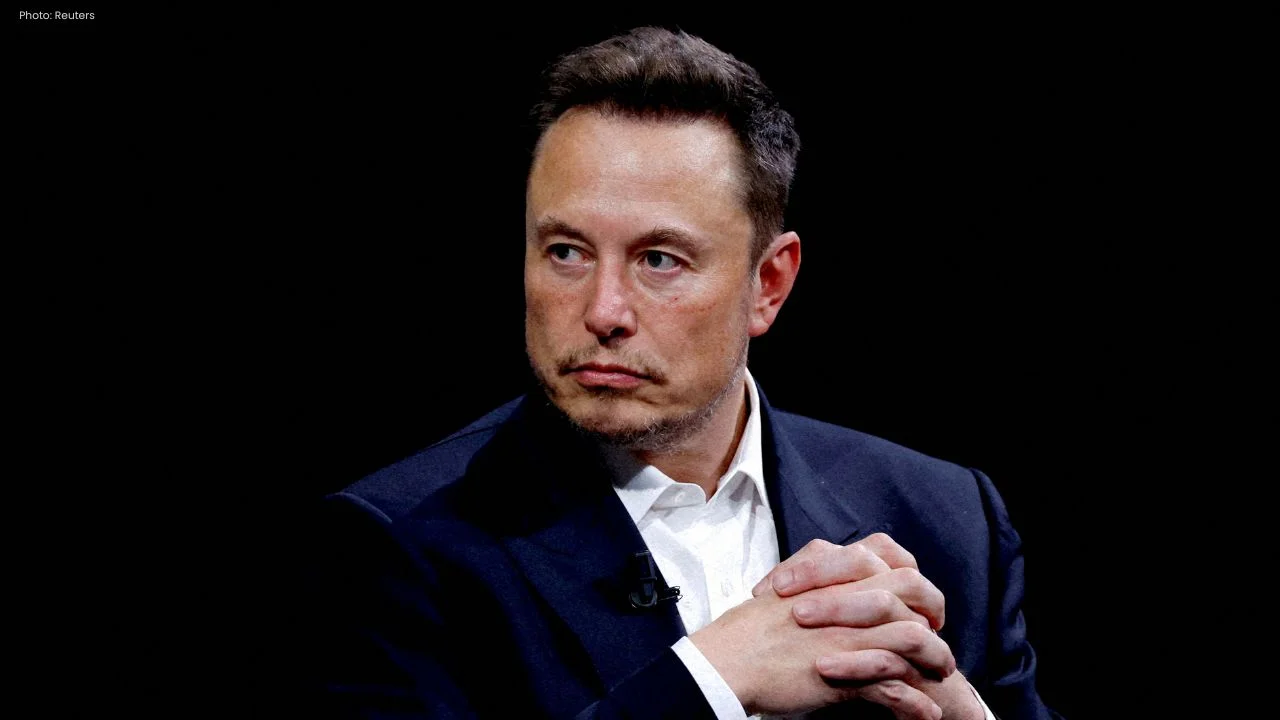
Elon Musk Found Liable in Twitter Investor Case
A US jury found Elon Musk liable for misleading Twitter investors in 2022 deal, awarding up to $2.1
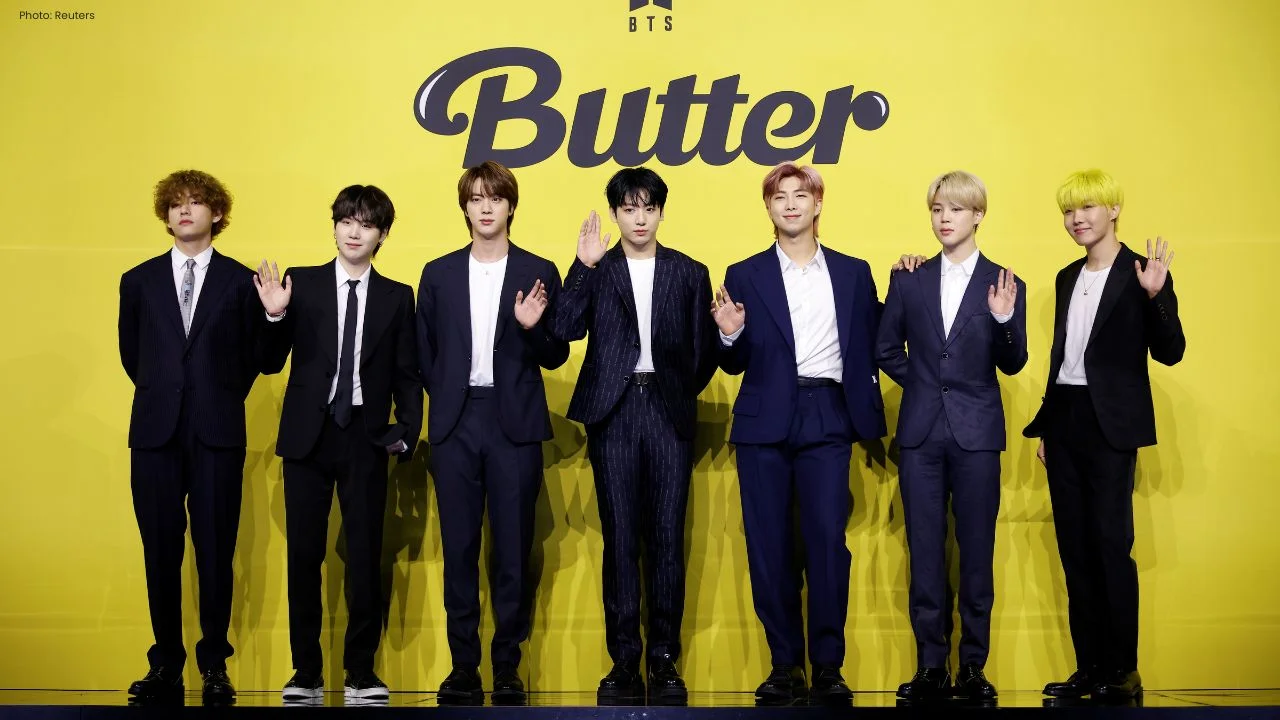
BTS Comeback Concert Draws 260K Fans in Seoul
BTS holds a mega comeback concert in Seoul with 260,000 fans, marking their first album in 3 years a


Bank of Baroda Faces Abu Dhabi Legal Battle over NMC Collapse
Bank of Baroda’s involvement in Abu Dhabi litigation tied to the NMC Healthcare collapse raises repu

Top Museum Openings of 2026 Set to Transform Global Tourism
From Los Angeles to Abu Dhabi and Brussels, 2026 brings major museum launches—Lucas Museum, Guggenhe

UAE Tour Highlights UAE’s Strength in Hosting Global Sports Events
Abu Dhabi Sports Council says the successful UAE Tour reflects the UAE’s leading role in hosting maj

EU Seeks Clarity from US After Supreme Court IEEPA Ruling
European Commission urges full transparency from the US on steps after Supreme Court ruling, emphasi

SpaceX Launches 53 New Satellites for Expanding Starlink Network
SpaceX launches 53 Starlink satellites in two Falcon 9 missions, breaking reuse records and expandin

RTA Awards Contract for Phase II of Hessa Street Upgrade in Dubai
Phase II of Hessa Street Development to add bridges, tunnel, and upgraded intersections, doubling ca
UAE Gold Prices Today, Monday 16 February 2026: Dubai & Abu Dhabi Updated Rates
Gold prices in UAE on 16 Feb 2026 updated: 24K around AED 599.75/gm, 22K AED 555.25/gm, and 18K AED

Over 25 Ahmedabad Schools Receive Bomb Threat Email, Authorities Investigate
More than 25 schools in Ahmedabad evacuated after bomb threat emails mentioning Khalistan. Authoriti