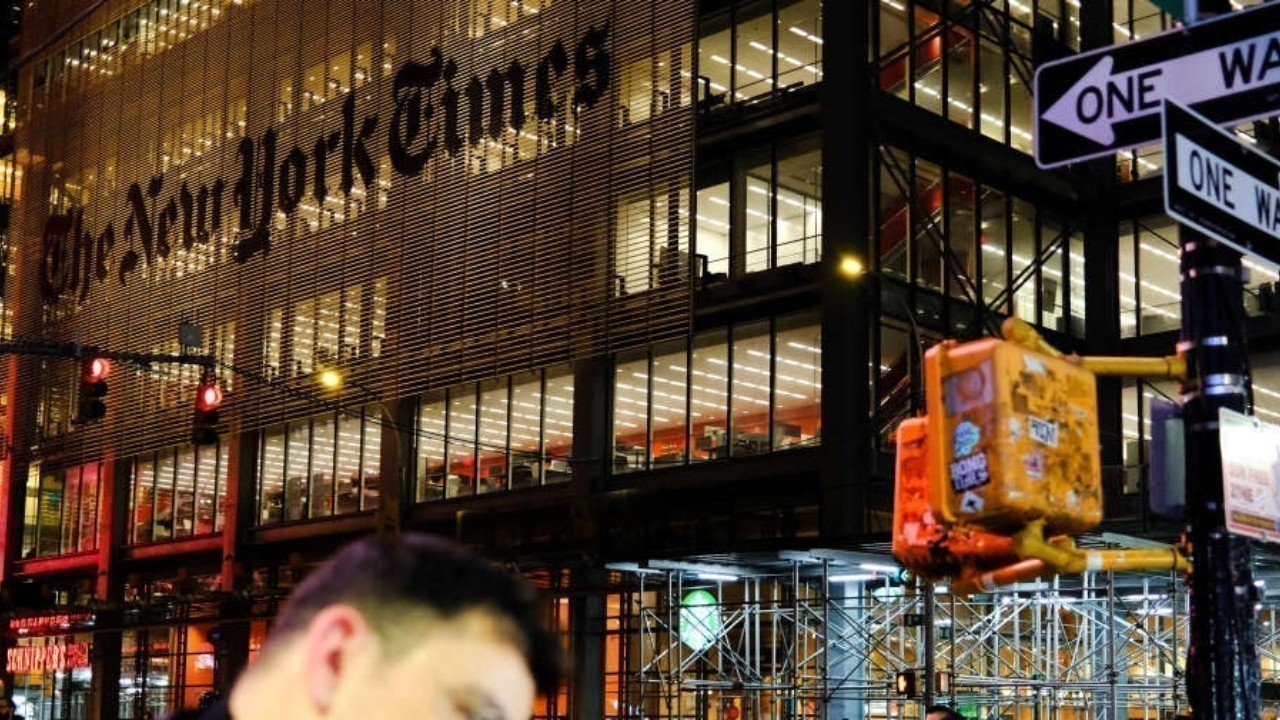
Post by : Priya Chahal
Photo:AFP
When former U.S. President Donald Trump announced a $15 billion lawsuit against The New York Times, accusing the newspaper of defamation and libel, it quickly became one of the most dramatic flashpoints in the clash between politics, media, and law. The claim is not just extraordinary in size; it also carries immense political and social weight. It raises questions about journalistic freedom, public accountability, and whether America’s most polarizing political figure can succeed in challenging one of the nation’s most respected newspapers.
The Lawsuit Explained
Trump’s complaint centers on his argument that The New York Times engaged in deliberate misrepresentation and produced stories designed to harm him politically and personally. He argues that the coverage was reckless, misleading, and damaging to his reputation, his business interests, and his future political prospects. Calling it libel and defamation, the former president has demanded an unprecedented $15 billion in damages.
At its heart, the lawsuit is built on the claim that this was not simple reporting but a targeted campaign of character assassination. Trump’s team says that the newspaper crossed the line between journalism and propaganda, presenting commentary and speculation as fact. They argue that this alleged conduct went beyond fair criticism of a public figure into malicious intent.
Trump’s Long Battle with the Media
Conflict with the press has defined much of Donald Trump’s public life. From his 2016 campaign through his presidency and his life after office, he has frequently accused major media outlets of spreading “fake news.” In dozens of speeches, rallies, and interviews, he has called the press “the enemy of the people,” suggesting that mainstream journalists work against him rather than in pursuit of objective truth.
The New York Times has often been a primary focus of his criticism. The publication, known for its investigative journalism and strong editorial voice, played a central role in reporting stories on Trump’s finances, his administration’s decisions, and his personal controversies. Trump and his allies insist that the paper’s coverage is evidence of a political campaign against him, while his critics argue that tough scrutiny is the price of power.
Defamation and the Law
Defamation lawsuits in the United States face a particularly high legal hurdle when they involve a public figure. The precedent comes from the 1964 Supreme Court ruling in New York Times Co. v. Sullivan, which set the “actual malice” standard. This means that Trump must prove not only that the published claims were false, but also that the journalists or editors knew they were false or acted with reckless disregard for the truth.
This is an extremely difficult burden of proof. Historically, most suits by public figures against major media outlets have failed for this reason. The courts prioritize freedom of the press, recognizing its role in a democratic society, especially where matters of public interest are concerned. Experts expect that Trump’s lawsuit will face these same challenges, and many predict it will not succeed.
Yet Trump’s lawsuit is striking for its magnitude. By asking for $15 billion, he has not only sought financial damages but has also elevated this into a statement of political and cultural significance. It is a way of telling his supporters that he is fighting back against the “mainstream media empire” he has long claimed is biased against him.
Media Accountability vs. Free Press
The core tension at the heart of this lawsuit is the balance between holding media accountable for errors and preserving the freedom of the press. Journalists are tasked with digging into stories of immense public importance, including the actions of presidents and political leaders. Mistakes and bias can occur, but U.S. law deliberately shields journalists from the chilling effect of excessive lawsuits.
On the other hand, there is growing global debate about media responsibility in the age of misinformation. Trump and his supporters argue that when influential publications make damaging claims, they can shape public opinion in a way that has real-world consequences—political, financial, and personal. According to them, this requires tougher accountability. Critics worry that using lawsuits to silence publications risks turning courts into tools of censorship.
Political Undercurrents
This battle is not just legal—it is profoundly political. Trump remains one of the most influential figures in American politics, actively shaping the Republican Party and maintaining a loyal base of voters. Every move he makes is viewed through the lens of political strategy.
By suing The New York Times, Trump is reinforcing his central message: that powerful institutions are aligned against him. This plays directly into the narrative he has used for years, casting mainstream media as dishonest and elite-driven, while portraying himself as the champion of ordinary Americans who are misled by the press.
For Trump’s critics, however, the lawsuit is destined to fail and is little more than a political stunt to rally his supporters. They argue that his true aim is not to win a $15 billion award but to keep himself in the media spotlight as he weighs future political ambitions.
The Times’ Position
While The New York Times has not yet given a detailed public response, its stance will likely rely on the First Amendment and established legal precedent. The newspaper will argue that it acted within its journalistic responsibilities, that its reporting was based on sources and evidence, and that opinions expressed in its articles are protected as free speech.
Given its reputation as one of America’s leading newspapers, the Times is also unlikely to retreat. Historically, the paper has vigorously defended its right to publish stories about public figures, even under immense political and financial pressure.
What This Means for the Future
The outcome of this lawsuit—whether it succeeds, fails, or is dismissed—will have far-reaching implications. If Trump were to succeed, it would mark one of the most significant shifts in press freedom in modern American history, possibly opening the door for more public figures to pursue similar cases.
If the lawsuit fails, it will reinforce the strength of existing legal protections for the press. But regardless of the court’s decision, the case will continue to fuel debates about trust in journalism, the role of media in democracy, and the boundaries of political criticism.

10 Songs That Carry the Same Grit and Realness as Banda Kaam Ka by Chaar Diwari
From underground hip hop to introspective rap here are ten songs that carry the same gritty realisti

PPG and JAFZA Launch Major Tree-Planting Drive for Sustainability
PPG teams up with JAFZA to plant 500 native trees, enhancing green spaces, biodiversity, and air qua

Dubai Welcomes Russia’s Largest Plastic Surgery Team
Russia’s largest plastic surgery team launches a new hub at Fayy Health, bringing world-class aesthe
The Art of Negotiation
Negotiation is more than deal making. It is a life skill that shapes business success leadership dec

Hong Kong Dragon Boat Challenge 2026 Makes Global Debut in Dubai
Dubai successfully hosted the world’s first Hong Kong dragon boat races of 2026, blending sport, cul

Ghanem Launches Regulated Fractional Property Ownership in KSA
Ghanem introduces regulated fractional real estate ownership in Saudi Arabia under REGA Sandbox, ena

Why Drinking Soaked Chia Seeds Water With Lemon and Honey Before Breakfast Matters
Drinking soaked chia seeds water with lemon and honey before breakfast may support digestion hydrati

Why Drinking Soaked Chia Seeds Water With Lemon and Honey Before Breakfast Matters
Drinking soaked chia seeds water with lemon and honey before breakfast may support digestion hydrati

Morning Walk vs Evening Walk: Which Helps You Lose More Weight?
Morning or evening walk Learn how both help with weight loss and which walking time suits your body

What Really Happens When You Drink Lemon Turmeric Water Daily
Discover what happens to your body when you drink lemon turmeric water daily including digestion imm
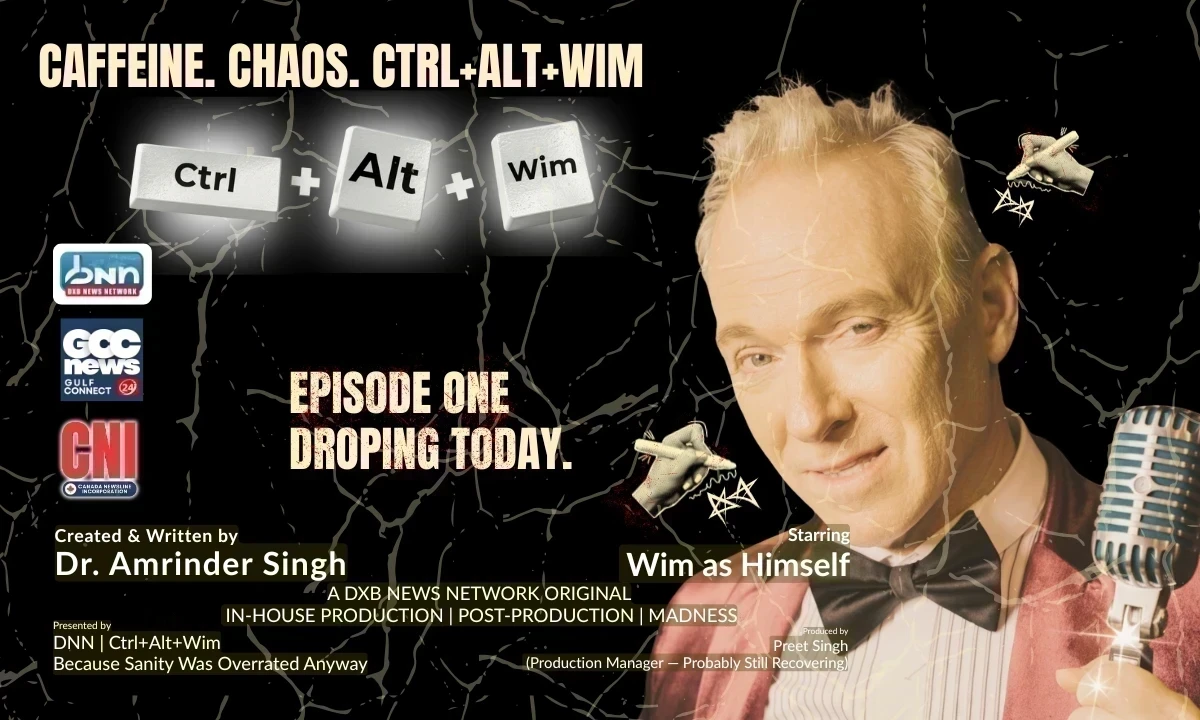
DXB News Network Presents “Ctrl+Alt+Wim”, A Bold New Satirical Series Starring Global Entertainer Wim Hoste
DXB News Network premieres Ctrl+Alt+Wim, a bold new satirical micro‑series starring global entertain

High Heart Rate? 10 Common Causes and 10 Natural Ways to Lower It
Learn why heart rate rises and how to lower it naturally with simple habits healthy food calm routin

10 Simple Natural Remedies That Bring Out Your Skin’s Natural Glow
Discover simple natural remedies for glowing skin Easy daily habits clean care and healthy living ti

Mattel Revamps Masters of the Universe Action Figures for Upcoming Film
Mattel is set to revive Masters of the Universe action figures in sync with their new movie, ignitin

China Executes 11 Members of Infamous Ming Family Behind Myanmar Scam Operations
China has executed 11 Ming family members, linked to extensive scams and gambling in Myanmar, causin