Post by : Michael Darzi
A few years ago, Korean pop music was mostly heard in South Korea and nearby countries. Today, K-Pop artists perform in packed stadiums across the world, lead international music charts, and have fans in almost every country. More than just becoming popular, K-Pop has changed how the global music industry works.
This success did not happen by luck. It came from careful planning, hard work, fresh ideas, and a strong bond with fans. Along the way, K-Pop challenged old rules that were mainly set by Western music markets and showed that there can be new ways to succeed.
K-Pop began as a mix of many music styles such as pop, hip-hop, R&B, and electronic music. For a long time, it stayed popular mostly in South Korea and parts of Asia. Instead of trying to copy Western music, Korean entertainment companies focused on building their own style.
They paid close attention to song quality, strong stories, powerful stage shows, and eye-catching visuals. Over time, this helped K-Pop reach people from different cultures. It proved that music does not have to be in English to touch hearts around the world.
One of the biggest changes brought by K-Pop is its training system. In many countries, artists are found quickly and pushed into fame. In K-Pop, trainees often train for many years before they debut.
They practice singing, dancing, fitness, stage confidence, languages, and how to talk to media. This long training helps them feel confident on big stages from the start. Because of this success, music companies in other countries have also started focusing more on training and long-term growth.
Before K-Pop became global, music promotion was mostly about sound. K-Pop changed this by making visuals just as important. High-quality music videos, clear themes, fashion styles, and perfectly matched dance moves became normal.
Each new release feels like a full experience, not just a song. This raised expectations in the music world. Today, many artists outside K-Pop also focus more on visuals, image, and storytelling.
K-Pop changed how artists and fans connect. Instead of staying distant, artists talk to fans through live videos, social media, fan meetings, and behind-the-scenes clips.
Fans are not just listeners. They help promote songs, take part in streaming events, vote in online polls, and even support charity work in their favorite artists’ names. This showed the music industry that strong fan communities can be more powerful than old-style advertising.
K-Pop artists used online platforms early and wisely. Video sites and social media helped them reach global audiences without depending on radio stations or foreign record labels.
Because of this, power shifted. Music success no longer depends only on radio play or award shows. Fans from around the world now help decide which songs and artists become popular.
In the past, working with artists from other countries was rare. K-Pop helped change that. Korean artists began working with producers, writers, and performers from many parts of the world.
These partnerships created new sounds and helped artists reach new listeners. Today, global collaborations are common, and music companies actively look for talent beyond their own countries.
One of the biggest ideas K-Pop changed is the belief that global success needs English lyrics. Most K-Pop songs are still in Korean, yet fans worldwide sing along and feel connected.
This showed that feelings, performance, and stories matter more than language. Because of this, the global music industry is now more open to songs in many languages.
K-Pop also became known for its strong work culture. Long practice hours, teamwork, and constant improvement are part of the system. While this approach has faced criticism for being demanding, it also raised standards for preparation and professionalism.
Many artists and labels around the world now focus more on practice, discipline, and teamwork because of K-Pop’s influence.
In the past, music success was judged mostly by album sales and radio hits. K-Pop expanded this idea. Today, online views, fan engagement, world tours, merchandise sales, and social media reach are also important.
This wider view of success changed how the industry plans careers and measures impact.
K-Pop’s global rise did more than create famous singers. It changed music industry norms—from how artists are trained and promoted to how fans take part and how success is measured.
K-Pop showed the world that music success does not belong to one country or language. It grows from creativity, connection, and community. As the music industry keeps changing, the K-Pop effect will continue to shape its future.
This article is written for general information and cultural awareness only. The content is based on widely observed music industry trends, public information, and general analysis, all of which may change over time as the global music landscape continues to evolve.
The article does not aim to promote, criticize, or favor any specific music genre, artist, company, or industry practice. Views expressed are meant to provide insight into cultural and industry shifts rather than professional guidance. The information shared should not be considered expert advice related to music, business, finance, or entertainment decisions. Readers’ interpretations, opinions, and experiences may differ based on personal interests, cultural background, and exposure to the music industry.
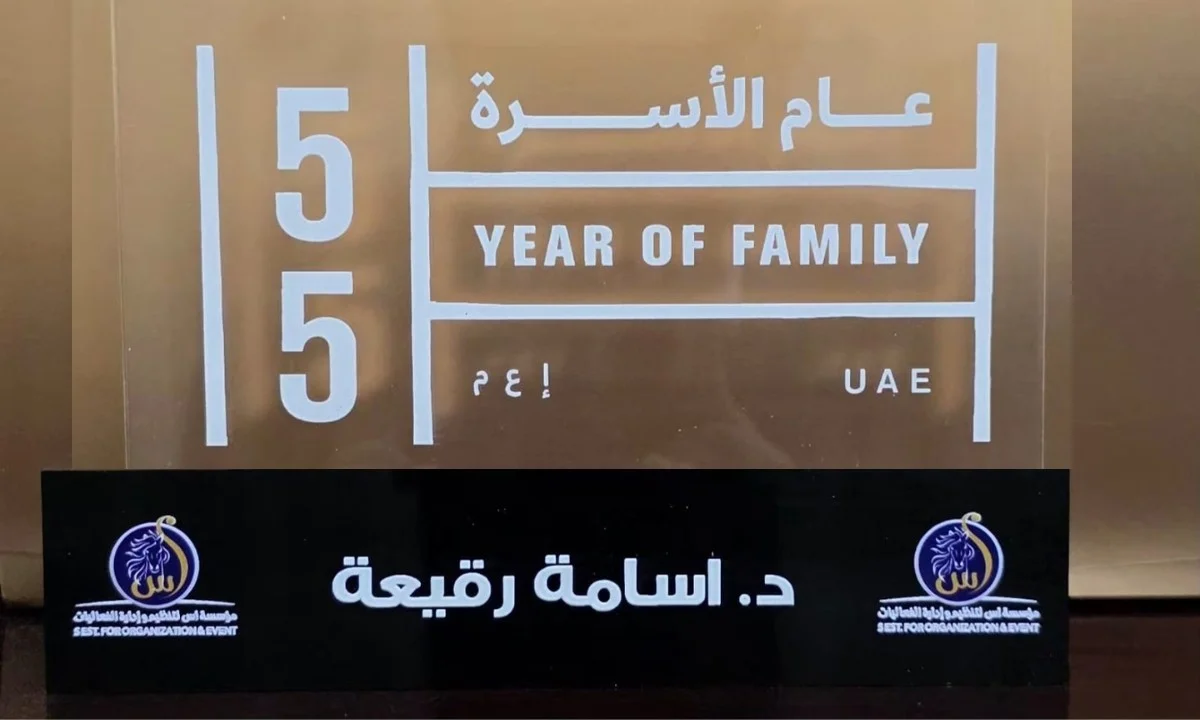
Family Wins “Family of the Year 2026” at Noor Al Quran Event in Ras Al Khaimah
A family honored at the Noor Al Quran initiative in Ras Al Khaimah for Quran memorization and strong
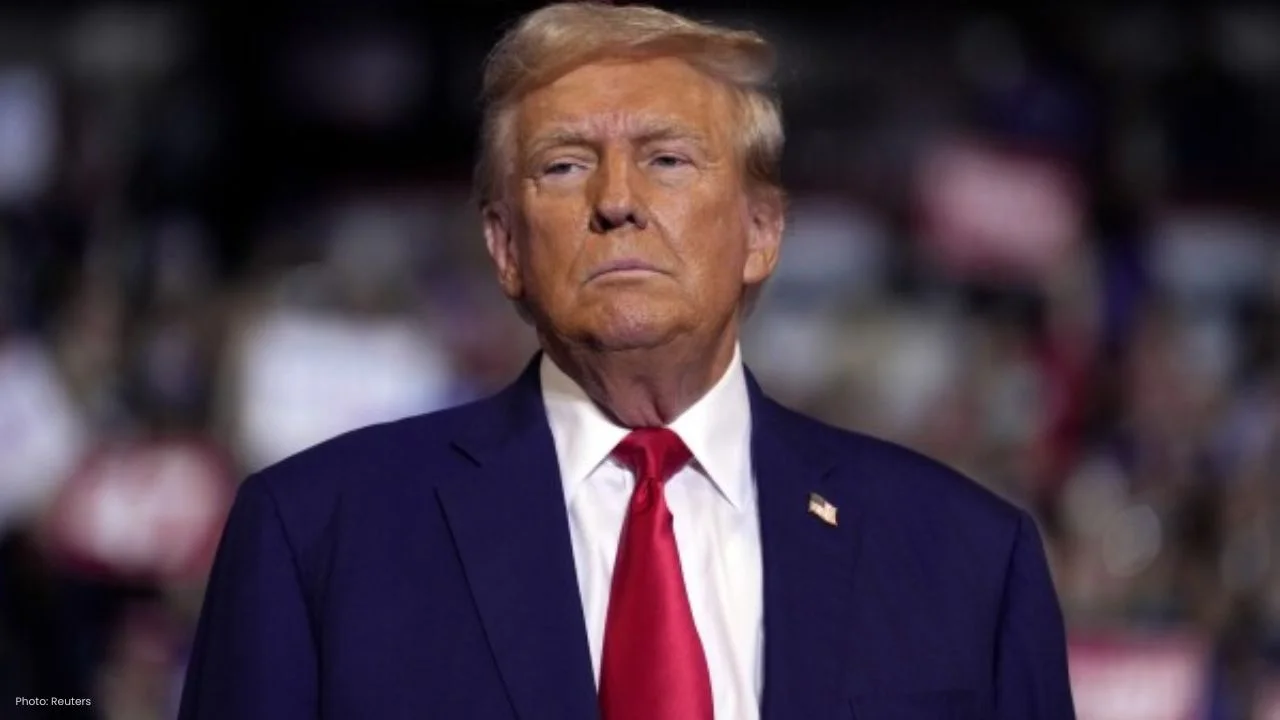
US Approves $16.5B Arms Deal Amid Iran War Escalation
US approves $16.5B arms sale to Gulf allies and $7B to UAE, boosting defence amid Iran tensions whil

UAE Busts Hezbollah-Iran Terror Network, Members Held
UAE authorities have broken a terror network linked to Hezbollah and Iran, arresting members accused

Swiatek Stunned by Linette in Miami Open Upset Shock
Iga Swiatek suffered a shocking defeat to Magda Linette at the Miami Open, marking her first opening

UAE Orphan Fund Raises AED 3.3 Billion in Ramadan Drive
UAE’s Mother of the Nation Orphan Fund raises AED 3.3B in Ramadan, boosting support for education, h

Ramadan in the UAE: Reflections on Humanity, Leadership, and Lasting Values
A heartfelt Ramadan reflection by Osama Regaah on UAE’s spirit of humility, unity, and leadership, a

Dhurandhar 2 Opens Big, Crosses ₹100 Cr on Day 1
Ranveer Singh starrer Dhurandhar 2 earns ₹102 Cr on day one despite delays, beating past Bollywood o


Bank of Baroda Faces Abu Dhabi Legal Battle over NMC Collapse
Bank of Baroda’s involvement in Abu Dhabi litigation tied to the NMC Healthcare collapse raises repu

Top Museum Openings of 2026 Set to Transform Global Tourism
From Los Angeles to Abu Dhabi and Brussels, 2026 brings major museum launches—Lucas Museum, Guggenhe

UAE Tour Highlights UAE’s Strength in Hosting Global Sports Events
Abu Dhabi Sports Council says the successful UAE Tour reflects the UAE’s leading role in hosting maj
EU Seeks Clarity from US After Supreme Court IEEPA Ruling
European Commission urges full transparency from the US on steps after Supreme Court ruling, emphasi

SpaceX Launches 53 New Satellites for Expanding Starlink Network
SpaceX launches 53 Starlink satellites in two Falcon 9 missions, breaking reuse records and expandin

RTA Awards Contract for Phase II of Hessa Street Upgrade in Dubai
Phase II of Hessa Street Development to add bridges, tunnel, and upgraded intersections, doubling ca

UAE Gold Prices Today, Monday 16 February 2026: Dubai & Abu Dhabi Updated Rates
Gold prices in UAE on 16 Feb 2026 updated: 24K around AED 599.75/gm, 22K AED 555.25/gm, and 18K AED

Over 25 Ahmedabad Schools Receive Bomb Threat Email, Authorities Investigate
More than 25 schools in Ahmedabad evacuated after bomb threat emails mentioning Khalistan. Authoriti