Post by : Zayd Kamal
In recent years, artificial intelligence (AI) has revolutionized industries worldwide, transforming the way businesses operate and workers perform their tasks. Among the countries leading this change, Saudi Arabia stands out for its remarkable adoption of AI technologies. Saudi workers use AI more than global peers, a trend that reflects the kingdom’s ambitious goals and investment in technology.
Saudi Arabia’s commitment to becoming a global technology hub is underscored by its Vision 2030 initiative, which aims to diversify the economy and reduce dependence on oil revenues. AI plays a crucial role in this vision, with the Saudi government investing heavily in developing and integrating AI technologies across various sectors. This strategic focus has positioned Saudi Arabia at the forefront of AI adoption, making Saudi workers use AI more than global peers.
The integration of AI into the Saudi workforce is not limited to specific industries but spans across various sectors, including finance, healthcare, and manufacturing. For instance, the financial sector in Saudi Arabia has embraced AI for fraud detection, customer service automation, and predictive analytics. In healthcare, AI is being utilized for diagnostic tools, patient monitoring, and personalized treatment plans. This widespread use of AI enhances efficiency, accuracy, and productivity, setting Saudi workers apart from their global counterparts.
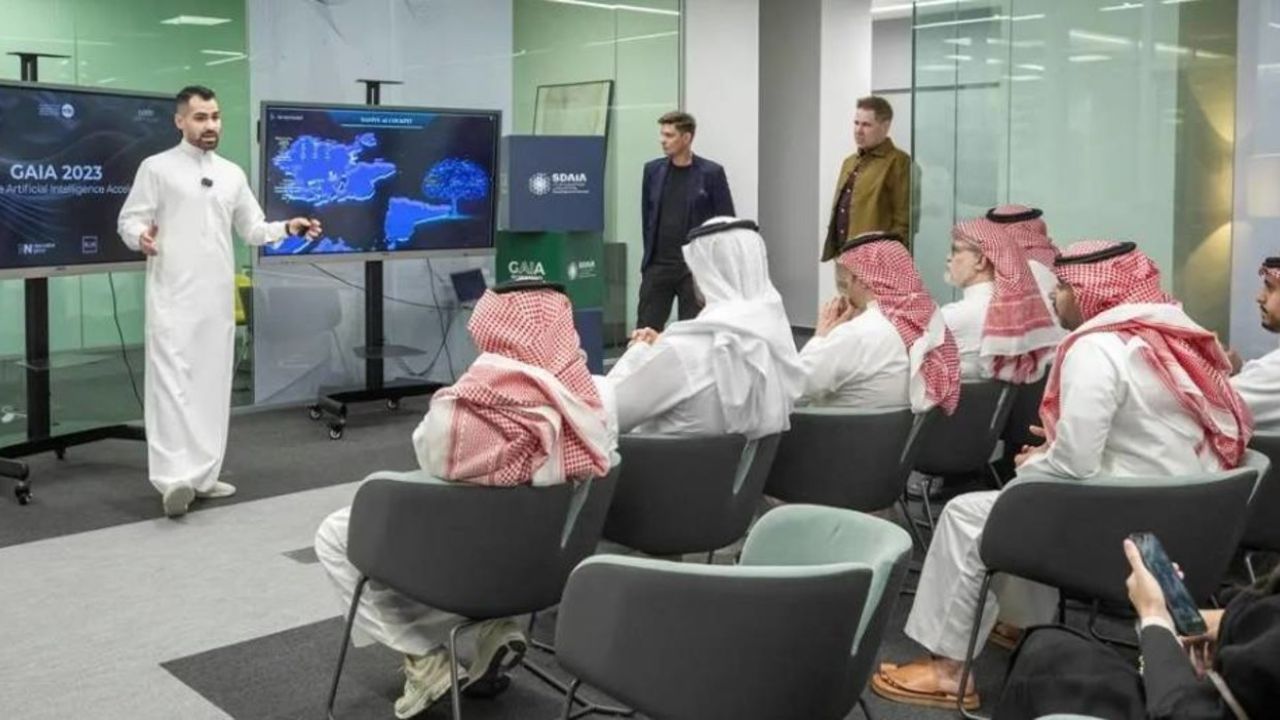
Several factors contribute to the higher AI usage among Saudi workers compared to their global peers:
Government Support and Investment: The Saudi government has launched numerous initiatives to promote AI, including funding research and development projects, supporting startups, and establishing partnerships with international tech companies. This support creates an environment conducive to AI adoption and innovation.
Skilled Workforce: Saudi Arabia has invested in education and training programs to equip its workforce with the necessary skills to harness AI technologies. Universities and technical institutions offer specialized courses and degrees in AI and related fields, preparing Saudi workers to excel in this digital age.
Business Adoption: Companies in Saudi Arabia are increasingly incorporating AI into their operations to gain a competitive edge. From automating routine tasks to leveraging data analytics for strategic decision-making, businesses are leveraging AI to enhance their performance and productivity.
Strategic Partnerships: Saudi Arabia has formed strategic partnerships with leading global tech companies and research institutions. These collaborations facilitate knowledge transfer, technology exchange, and access to cutting-edge AI tools and resources.
The extensive use of AI has had a profound impact on Saudi workers and the broader economy. Some key benefits include:
Enhanced Productivity: AI tools and applications streamline workflows, automate repetitive tasks, and provide valuable insights, allowing workers to focus on more strategic and creative activities. This results in increased productivity and efficiency.
Improved Job Satisfaction: By taking over mundane and repetitive tasks, AI technologies can improve job satisfaction among workers. Employees can engage in more meaningful and challenging work, leading to higher levels of motivation and job satisfaction.
Economic Growth: The integration of AI drives innovation, attracts investment, and fosters the growth of new industries. This contributes to Saudi Arabia’s economic diversification and aligns with the goals of Vision 2030.

Despite the benefits, the widespread adoption of AI also presents challenges that need to be addressed:
Skills Gap: As AI technologies evolve, there is a need for continuous upskilling and reskilling of the workforce. Ensuring that workers have the necessary skills to work with advanced AI tools is essential for maintaining their competitive edge.
Ethical and Privacy Concerns: The use of AI raises ethical and privacy issues, such as data security and algorithmic bias. It is crucial to develop and enforce regulations and best practices to address these concerns and ensure responsible AI usage.
Workforce Displacement: While AI can enhance productivity, it may also lead to job displacement in certain sectors. It is important to create strategies for workforce transition and provide support for workers affected by technological changes.
Saudi Arabia is leading the world in AI adoption, with Saudi workers using AI more than global peers. The kingdom's Vision 2030 plan has heavily invested in AI technologies, making them integral across sectors like finance, healthcare, and manufacturing. This widespread use of AI is driven by government support, a skilled workforce, business adoption, and strategic international partnerships. The impact on Saudi workers includes improved productivity, job satisfaction, and economic growth. However, challenges such as the skills gap, ethical concerns, and potential job displacement need addressing. Overall, Saudi Arabia's commitment to AI sets a global benchmark and shows how technology can transform work and the economy.
The information provided is for general understanding and reflects Saudi Arabia’s efforts in AI technology as reported. The details, including how Saudi workers use AI and its impacts, are based on available data and may evolve. For accurate and current information, refer to official statements and sources.
Saudi workers, AI, use of AI, global peers, AI adoption, Saudi Arabia, Vision 2030, AI technologies, workforce, productivity, job satisfaction, economic growth, skills gap, ethical concerns, job displacement

US Stocks Slide as AI Fears, Inflation and Oil Surge Weigh
US stocks dropped as AI disruption fears hit tech firms, inflation rose above forecasts, and oil pri

Pacific Prime Wins Top Honors at Cigna Awards 2026
Pacific Prime secured Top Individual Broker and Top SME Broker awards at Cigna’s Annual Broker Award
QatarEnergy Halts LNG Output After Military Attack
QatarEnergy has stopped LNG production after military attacks hit its facilities in Ras Laffan and M

Strong 6.1 Magnitude Earthquake Hits West Sumatra, No Damage
A 6.1 earthquake struck off West Sumatra, Indonesia. No casualties, damage, or tsunami alert reporte

Saudi Confirms Drone Strike on US Embassy Riyadh
Two drones hit the US Embassy in Riyadh, causing a small fire and minor damage. No injuries were rep

UAE Restarts Limited Flights as Regional Airspace Disruptions Continue
UAE restarts limited flights from Dubai as US-Israel attacks on Iran disrupt regional airspace, forc

Asia Faces Energy Shock After Iran Closes Strait
Iran shuts Strait of Hormuz amid US-Israel strikes, sending oil prices higher and raising serious en


Bank of Baroda Faces Abu Dhabi Legal Battle over NMC Collapse
Bank of Baroda’s involvement in Abu Dhabi litigation tied to the NMC Healthcare collapse raises repu

Top Museum Openings of 2026 Set to Transform Global Tourism
From Los Angeles to Abu Dhabi and Brussels, 2026 brings major museum launches—Lucas Museum, Guggenhe

UAE Tour Highlights UAE’s Strength in Hosting Global Sports Events
Abu Dhabi Sports Council says the successful UAE Tour reflects the UAE’s leading role in hosting maj
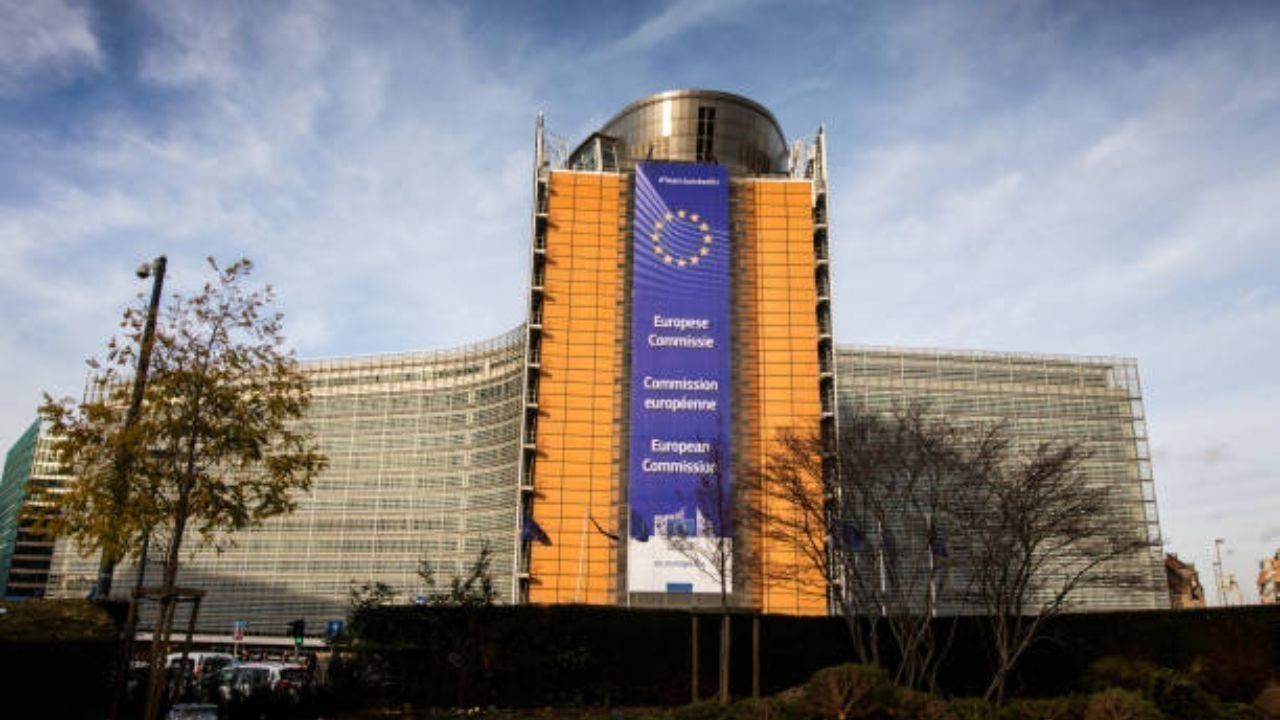
EU Seeks Clarity from US After Supreme Court IEEPA Ruling
European Commission urges full transparency from the US on steps after Supreme Court ruling, emphasi
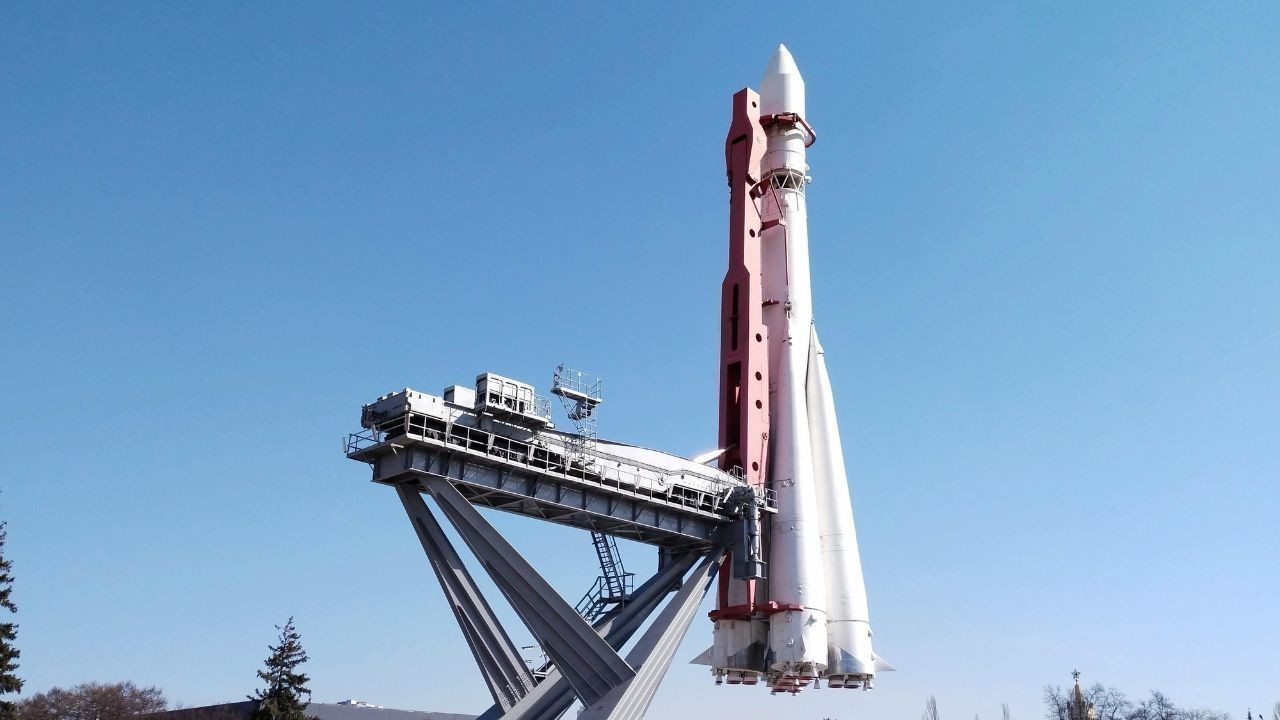
SpaceX Launches 53 New Satellites for Expanding Starlink Network
SpaceX launches 53 Starlink satellites in two Falcon 9 missions, breaking reuse records and expandin

RTA Awards Contract for Phase II of Hessa Street Upgrade in Dubai
Phase II of Hessa Street Development to add bridges, tunnel, and upgraded intersections, doubling ca

UAE Gold Prices Today, Monday 16 February 2026: Dubai & Abu Dhabi Updated Rates
Gold prices in UAE on 16 Feb 2026 updated: 24K around AED 599.75/gm, 22K AED 555.25/gm, and 18K AED

Over 25 Ahmedabad Schools Receive Bomb Threat Email, Authorities Investigate
More than 25 schools in Ahmedabad evacuated after bomb threat emails mentioning Khalistan. Authoriti