Post by : Anis Karim
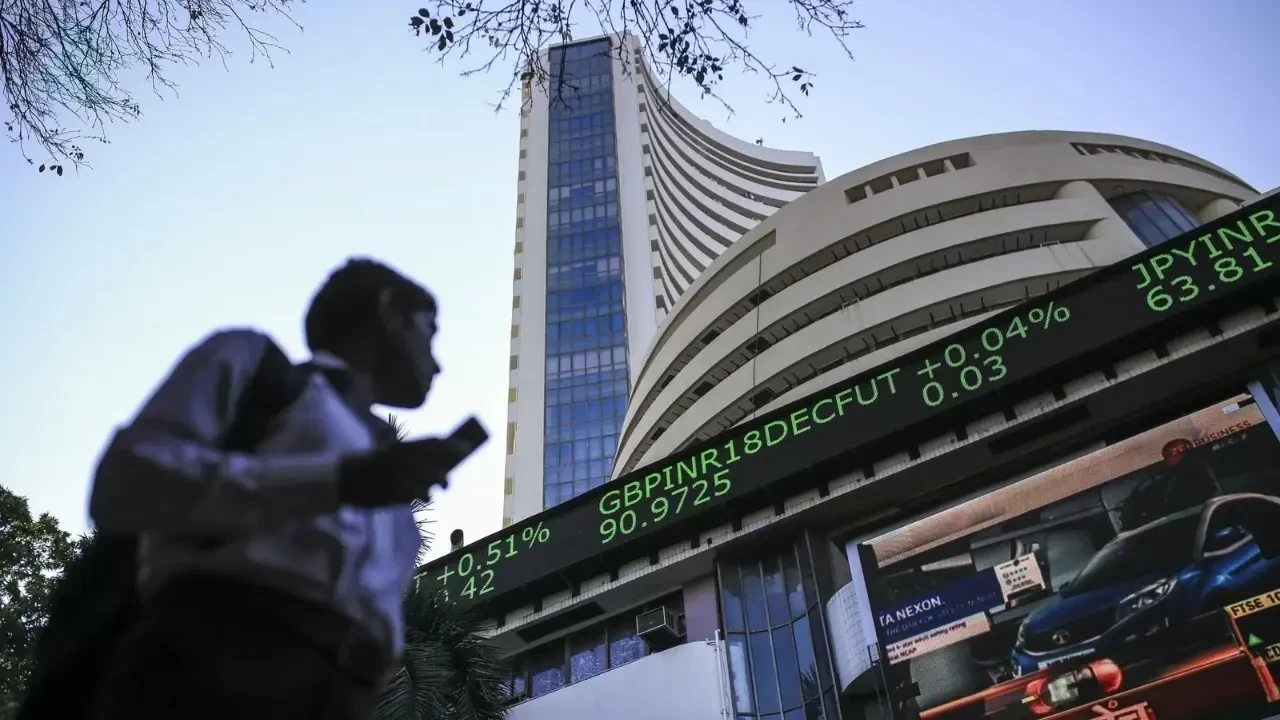
Today, the Indian stock market faced significant turmoil, as benchmark indices plummeted with broad declines seen across both mid-cap and small-cap stocks. Right from the start, trading became erratic as investors processed conflicting global signals, uncertainty surrounding international policies, and substantial outflows from foreign institutional investors. By the end of the day, substantial losses had reshaped investor sentiment, which led traders to exercise caution while analysts pointed to emerging concerns.
As trading unfolded, sentiment steadily worsened, and the benchmarks failed to maintain initial support levels. Various factors, including global macro concerns, technical resistances, and diminished institutional participation, contributed to a downward correction. While some defensive stocks showed relative strength, the overall market environment remained precarious.
The Sensex opened with weakness and continued to decline as volatility surged. Pressure from heavyweight stocks contributed to significant drops throughout the session. The downward trend was gradual rather than abrupt, emphasizing buyer hesitation. With fears of a global economic downturn and trade uncertainty resurging, investor sentiment remained subdued.
As the day wore on, any attempts at recovery were quickly curbed, as sellers dominated short-lived upward movements. This decline showcased broader challenges within equity markets, particularly the lack of substantial institutional backing amidst unpredictable global cues.
The struggle for the Nifty to maintain the 26,000 mark became evident early on. As global uncertainty loomed, traders liquidated their positions across various sectors, steering the index lower. Chart analysis revealed increasing bearish pressure with the formation of a long bearish candle—a pattern often indicative of short-term weaknesses.
Movement below short-term moving averages intensified technical pressures, raising concerns about possible further declines. Selective buying did occur at intraday lows, but the overall market momentum remained insufficient to turn the tide.
One major factor behind today’s downturn was renewed anxieties regarding international trade negotiations. With global economies struggling with unclear policy signals, traders adopted a risk-averse mindset. This trepidation echoed through Asian markets, leading to a domino effect on Indian stocks.
The unpredictable nature of ongoing discussions in international trade keeps markets hyper-sensitive to even minor updates, illustrating how global sentiment drives domestic market movements.
Anticipation of potential shifts in monetary policies by major central banks contributed to eroding investor confidence. Thoughts pointing toward persistent high interest rates sparked worries about slowing global economic growth, as higher rates often push investors toward safer assets and lessen flows into emerging market equities.
For the Indian market, this adds another stressful layer, particularly at a time when domestic valuations become increasingly stretched.
Intense selling by foreign institutional investors added more pressure downward. Over the last week, these outflows have substantially increased, revealing mounting hesitation towards emerging markets amid fluctuating global circumstances. Such withdrawals can heavily influence market liquidity and amplify downturns during weak trading sessions.
As foreign investors remain cautious, the immediate future may continue to depend more on global macro signals rather than local fundamentals.
The information technology sector experienced notable sell-offs today. Fears surrounding global economic moderation coupled with dwindling corporate spending on tech solutions led investors to reduce their stakes in IT firms. These companies, heavily reliant on revenue from international clients, remain particularly vulnerable to global headwinds.
Guidance issued by major firms in the sector also dampened sentiment further.
Metal stocks were significantly impacted during the trading session. Weakness in global commodity values combined with worries over declining industrial output dampened sentiment. Metals are especially reactive to shifts in global economic expectations, which raised concerns during this uncertain period.
The drop in metal prices also indicated a slowdown in manufacturing, questioning near-term sector prospects.
Despite stable domestic demand, the auto sector faced selling pressure. Increasing input costs, turmoil within global supply chains, and sluggish export conditions overshadowed stable trends in the domestic market. Investors showed reluctance to increase exposure amid pervasive volatility.
Blue-chip stocks experienced substantial losses, yet mid-cap and small-cap segments faced even steeper corrections. These categories often shine during bull markets but tend to experience more severe setbacks when volatility takes hold. Today's widespread weakness compelled investors to withdraw from high-beta stocks, exacerbating the downward trend.
Market analysts highlighted crucial levels influencing today’s trading actions. The Nifty's drop below vital support points raised alarms about potential ongoing weakness. Immediate support now sits at mid-25,800, with resistance hanging around 26,100.
If the index does not reclaim higher levels soon, additional sell-offs, particularly from short-term traders, may follow.
Technical charts exhibited a noticeable bearish pattern, affirming the absence of upward momentum. Such signals usually precede phases of consolidation or extended declines, depending on global cues. The market could remain weak until a reversal pattern appears.
Momentum oscillators suggested waning buying interest paired with intensifying selling pressure, reinforcing expectations of softening market conditions unless bolstered by favorable global developments or robust domestic catalysts.
While the secondary market faced challenges, the primary market continued to attract significant interest from investors. Several upcoming IPOs showed strong indicators of demand, with solid subscription levels and favorable valuations.
This enthusiasm reflects an intriguing market trend: investors remain open to fresh opportunities despite wavering benchmark indices.
Recently launched companies produced mixed outcomes. Some new entrants witnessed remarkable listing gains, mainly stemming from strong fundamentals and positive market perceptions. Others, however, encountered immediate corrections, signaling discrepancies between investor expectations and actual performance.
These varied outcomes emphasize the necessity of thorough assessments over blanket optimism.
In light of the uncertain market trajectory, experts advise evaluating:
Business sustainability
Growth prospects
Competitive landscape
Debt ratios
Management consistency
In a volatile environment, solid fundamentals provide the best indicators of long-term value.
Sudden market declines often trigger panic reactions. Investors should strive to remain focused on long-term strategies instead of being swayed by momentary fears. Brief fluctuations rarely affect the underlying strength of fundamentally robust companies.
The current sensitivity of the market to global events necessitates that investors keep abreast of global policy changes, negotiations, and macroeconomic indicators, which will likely influence sentiment in the near term.
For long-term investors, periods of market weakness can offer attractive entry points into high-quality firms. Historically, markets reward those who invest wisely during downturns with significant gains when stability returns.
Amidst the excitement of the IPO market, thorough research remains crucial. Readiness to consider new listings must align with a clear awareness of risks, particularly in uncertain market conditions.
As global economic conditions remain uncertain, Indian markets are expected to align closely with international sentiment. Clarity regarding interest rate policies, trade agreements, and economic forecasts will critically shape future trajectories.
Inflation statistics, industrial performance, and corporate results may serve as stabilizing agents if they exhibit positive trends. Strong domestic indicators could mitigate some effects of global uncertainties.
Despite the immediate volatility, India's overarching growth narrative remains compelling. Structural reforms, consistent consumption patterns, and a stable policy environment provide strong support for a positive long-term outlook.
Today’s market slip serves as a reminder of the interconnected nature of domestic performance with global events. The notable fall across indices, along with sector-based weakness and foreign outflows, underscores the importance of remaining vigilant during uncertain times. Although the short-term outlook appears cautious, opportunities persist for investors who can look past immediate noise. With strategic planning, disciplined resource allocation, and close monitoring of global developments, navigating this complex environment can become manageable—and potentially rewarding.
This article is for informational purposes only and should not be considered financial advice. Market conditions can change rapidly. Readers should seek guidance from certified financial professionals before making investment decisions.

GOP Leaders Unveil Plan to End DHS Partial Shutdown
House and Senate GOP leaders propose a two-track plan to fund DHS, aiming to end the record-long shu
Northern California Shaken by Early Morning 4.6 Earthquake
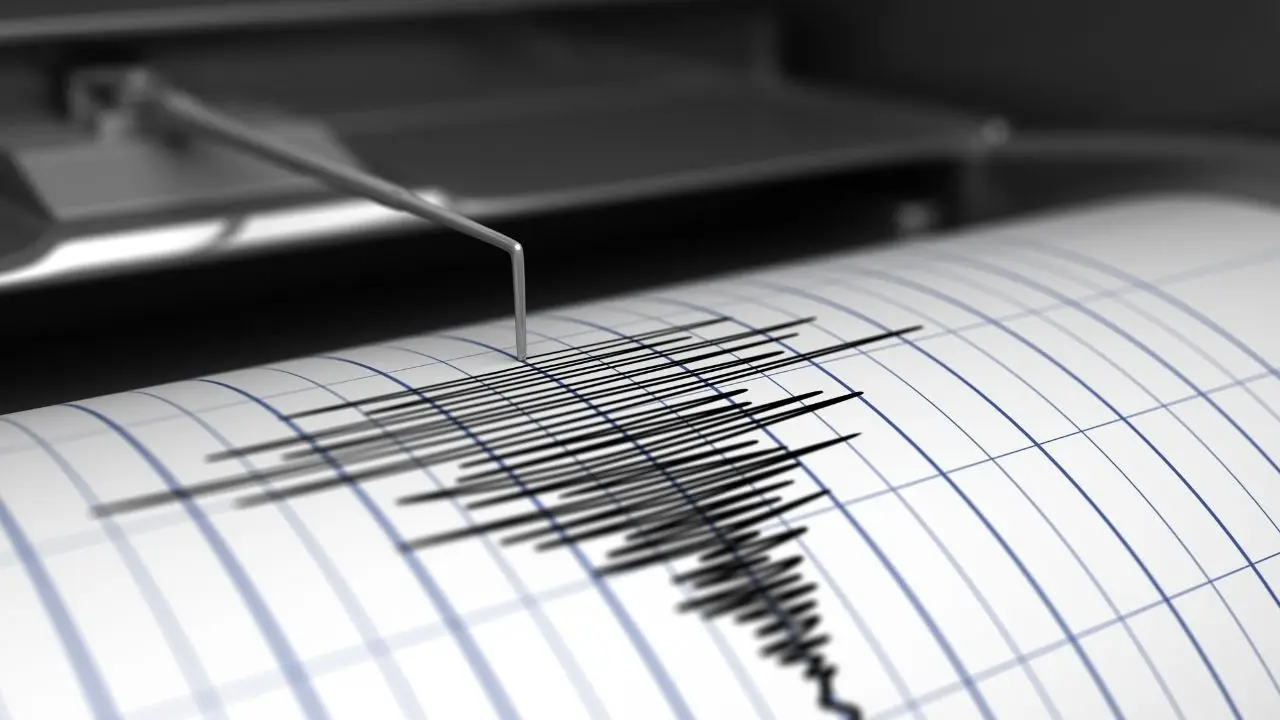
A 4.6 magnitude earthquake struck near Boulder Creek, CA, early Thursday, shaking homes across a 100

Hillhouse Opens Abu Dhabi Office, Strengthens UAE Presence
Hillhouse Investment opens ADGM office with Category 3C license, boosting UAE and GCC investment act
Dubai, China Strengthen Trade & Investment Cooperation
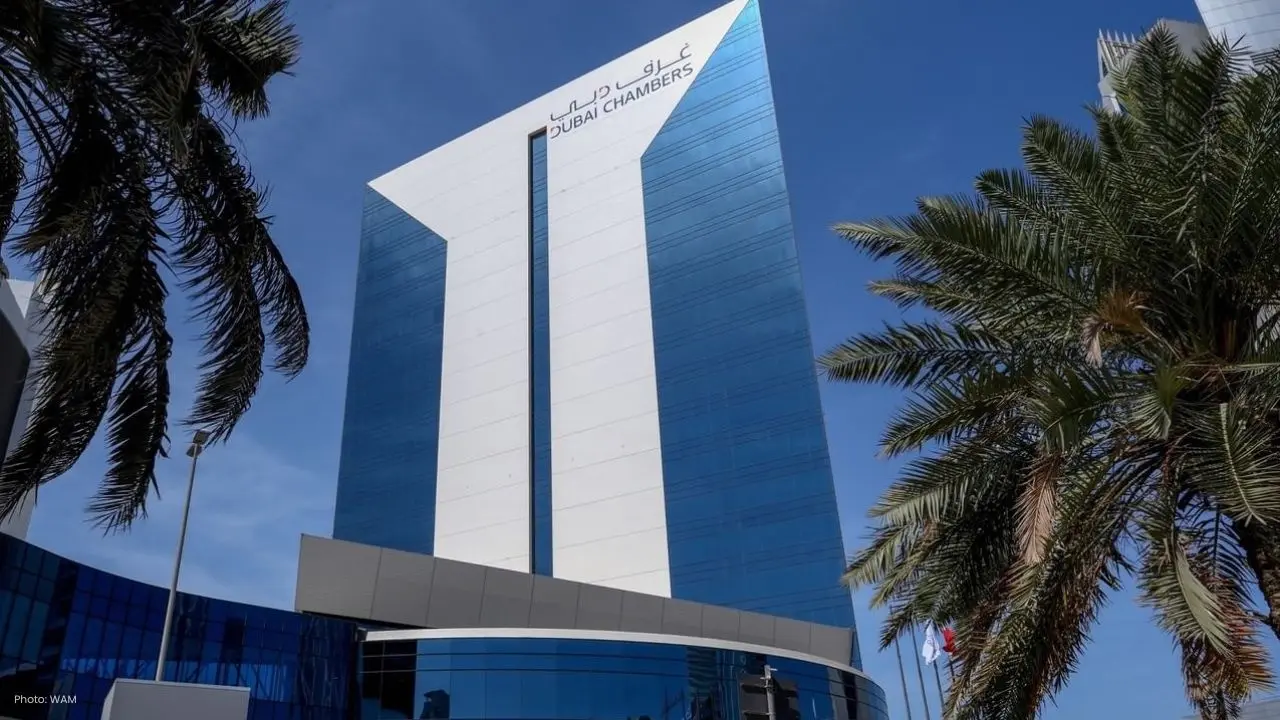
Dubai Chambers meets CCPIT Beijing to enhance trade, investment, and cooperation in digital economy,
Indonesia Earthquake Today: 7.4 Magnitude Quake Triggers Tsunami Warning
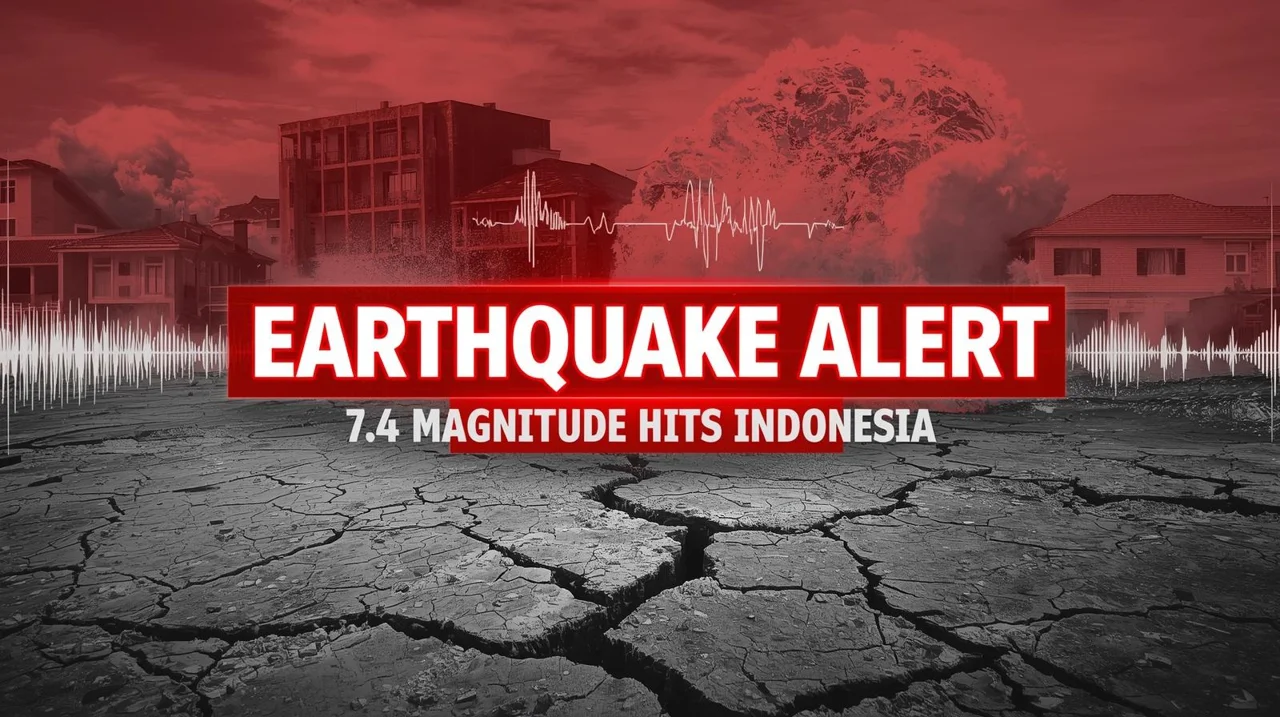
A 7.4 magnitude earthquake hits Indonesia, prompting tsunami warnings and emergency evacuations. Get
Malaysia’s Economy Remains Steady Amid Global Tensions
Despite geopolitical risks, Bank Negara highlights Malaysia's strong economic fundamentals and endur

Abu Dhabi Fund Drives Global Development & UAE Export Growth
ADFD’s 2025 report highlights AED 250B financing, global projects, and UAE export support, strengthe

NASA Launches Artemis II Crew for 10-Day Lunar Mission
NASA launches Artemis II with four astronauts for a 10-day Moon mission, marking the first crewed lu

Dubai RTA, Ministry Partner for Family First Programme
Dubai RTA and Ministry of Family partner to enhance transport, urban spaces, and services under Fami

Bank of Baroda Faces Abu Dhabi Legal Battle over NMC Collapse
Bank of Baroda’s involvement in Abu Dhabi litigation tied to the NMC Healthcare collapse raises repu

Top Museum Openings of 2026 Set to Transform Global Tourism
From Los Angeles to Abu Dhabi and Brussels, 2026 brings major museum launches—Lucas Museum, Guggenhe

UAE Tour Highlights UAE’s Strength in Hosting Global Sports Events
Abu Dhabi Sports Council says the successful UAE Tour reflects the UAE’s leading role in hosting maj

EU Seeks Clarity from US After Supreme Court IEEPA Ruling
European Commission urges full transparency from the US on steps after Supreme Court ruling, emphasi

SpaceX Launches 53 New Satellites for Expanding Starlink Network
SpaceX launches 53 Starlink satellites in two Falcon 9 missions, breaking reuse records and expandin

RTA Awards Contract for Phase II of Hessa Street Upgrade in Dubai
Phase II of Hessa Street Development to add bridges, tunnel, and upgraded intersections, doubling ca