Post by : Sam Jeet Rahman
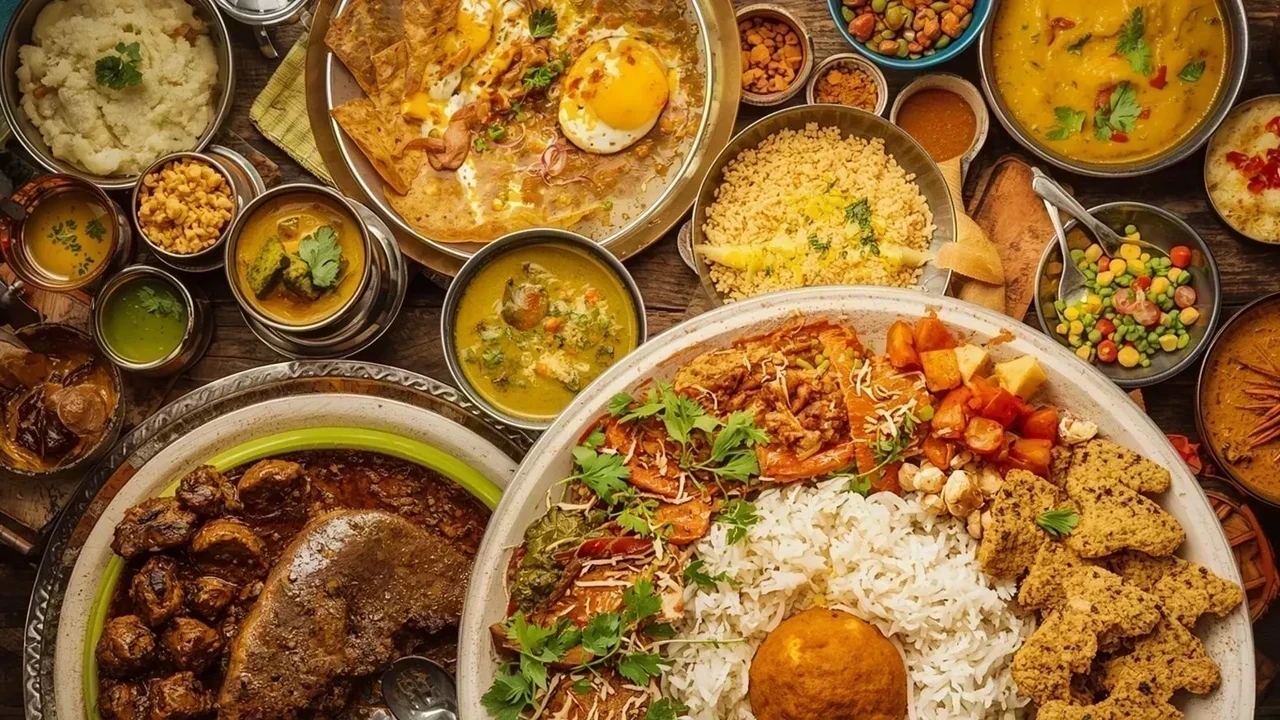
Indian food is famous worldwide for its bold flavors, rich aromas, and spices, but many foreigners worry that everything is extremely spicy. In reality, Indian cuisine has a wide range of heat levels, from very mild comfort dishes to intensely spicy regional specialties. Understanding what is mild and what is spicy helps travelers enjoy Indian food without fear or discomfort.
Spice in Indian cuisine does not always mean chili heat. Many dishes use spices like cumin, coriander, turmeric, cardamom, and cloves for aroma and flavor rather than burning heat. Chili heat usually comes from green chilies, red chili powder, or chili paste. A dish can be flavorful and aromatic while still being mild on the tongue.
In India, “mild” often means gently spiced with little to no chili. “Medium” usually includes noticeable heat but remains balanced. “Spicy” means strong chili presence that can feel intense for those not used to it. Foreigners should remember that Indian spice tolerance is generally higher than Western standards.
Many Indian dishes are naturally mild and ideal for first-time visitors.
Butter chicken is one of the most tourist-friendly Indian dishes. It is creamy, slightly sweet, and low in chili heat. The tomato-butter gravy balances spices well, making it comfortable even for sensitive palates.
Korma is a rich, nut-based curry made with yogurt or cream. It focuses on mild spices like cardamom and cloves rather than chilies. Vegetable korma and chicken korma are both gentle options.
Dal makhani is made from slow-cooked black lentils and kidney beans in a buttery gravy. It is smooth, filling, and very low in heat, making it a safe everyday choice.
Malai kofta consists of soft vegetable or paneer dumplings served in a creamy gravy. The dish is mildly sweet and aromatic rather than spicy.
Steamed rice, naan, butter naan, and plain roti are always mild and help balance spicier dishes. Pairing them with curries reduces overall heat.
These dishes have some heat but are manageable for most foreigners when eaten with rice or bread.
Chicken tikka masala is slightly spicier than butter chicken but still well-balanced. The heat is present but not overpowering, especially in tourist-friendly restaurants.
Palak paneer is made with spinach and cottage cheese. While it uses green chilies, the creamy spinach base keeps the spice level moderate.
Chole is a chickpea curry popular in North India. It has noticeable spice but is not usually chili-heavy. The tangy flavor comes more from spices than heat.
Vegetable biryani is aromatic with layered spices. It can be mildly spicy depending on preparation but is generally safe when eaten with yogurt or raita.
Some Indian dishes are genuinely hot and can overwhelm those unfamiliar with chili heat.
Vindaloo, especially from Goa, is known for its strong chili and vinegar base. Despite misconceptions, it is not creamy and is one of the spiciest curry options.
Phaal is considered one of the hottest curries in India and is rarely eaten casually. It is not recommended for beginners.
Andhra-style dishes from South India are known for their heavy use of red chilies. These dishes are flavorful but very spicy.
Chettinad cuisine from Tamil Nadu uses black pepper and chilies generously. The heat builds slowly and can be intense.
South Indian cuisine ranges from mild to spicy depending on the dish.
Idli and dosa are usually mild, especially when paired with coconut chutney. Sambar can be mildly spicy but is generally balanced. Andhra-style dishes and spicy chutneys can be very hot, so asking before ordering is helpful.
Indian street food varies widely in spice level.
Pani puri, chaat, and samosas can be spicy depending on chutneys used. Vendors often adjust spice on request. Dishes like pav bhaji and vada pav are moderately spicy but manageable when eaten slowly.
Foreigners can simply say “no spicy,” “less chili,” or “mild please.” Most restaurants, especially in tourist areas, understand these requests. Asking for yogurt, curd, or raita helps neutralize heat. Drinking water alone does not reduce spice; dairy works better.
Not all Indian food is spicy. Many traditional home-style meals are mild. Curry does not always mean chili-heavy. Vegetarian food is not automatically spicy. Spice level depends more on region and preparation than ingredients.
North Indian and Mughlai cuisines are generally milder. Gujarati food is often slightly sweet and low in heat. Kashmiri cuisine focuses more on aroma than chili heat. South Indian coastal areas and eastern regions tend to be spicier.
Spices help with digestion, enhance flavor, and suit India’s climate. Over time, people build tolerance, which is why local spice levels feel intense to outsiders.
Start with mild dishes and slowly explore spicier options. Balance meals with rice, bread, and yogurt. Avoid judging spice level by color alone, as some red gravies are mild while green ones can be hot. Take your time and enjoy the variety Indian cuisine offers.
Indian food is incredibly diverse, and not all of it is fiery. From creamy, comforting curries to bold, spicy regional dishes, there is something for every palate. Knowing what is mild and what is spicy allows foreigners to enjoy Indian cuisine confidently and comfortably.
This article is for general informational purposes only. Spice levels vary by region, restaurant, and preparation style. Always confirm with staff if you have dietary or spice sensitivity concerns.
Family Wins “Family of the Year 2026” at Noor Al Quran Event in Ras Al Khaimah
A family honored at the Noor Al Quran initiative in Ras Al Khaimah for Quran memorization and strong

US Approves $16.5B Arms Deal Amid Iran War Escalation
US approves $16.5B arms sale to Gulf allies and $7B to UAE, boosting defence amid Iran tensions whil

UAE Busts Hezbollah-Iran Terror Network, Members Held
UAE authorities have broken a terror network linked to Hezbollah and Iran, arresting members accused

Swiatek Stunned by Linette in Miami Open Upset Shock
Iga Swiatek suffered a shocking defeat to Magda Linette at the Miami Open, marking her first opening

UAE Orphan Fund Raises AED 3.3 Billion in Ramadan Drive
UAE’s Mother of the Nation Orphan Fund raises AED 3.3B in Ramadan, boosting support for education, h

Ramadan in the UAE: Reflections on Humanity, Leadership, and Lasting Values
A heartfelt Ramadan reflection by Osama Regaah on UAE’s spirit of humility, unity, and leadership, a

Dhurandhar 2 Opens Big, Crosses ₹100 Cr on Day 1
Ranveer Singh starrer Dhurandhar 2 earns ₹102 Cr on day one despite delays, beating past Bollywood o


Bank of Baroda Faces Abu Dhabi Legal Battle over NMC Collapse
Bank of Baroda’s involvement in Abu Dhabi litigation tied to the NMC Healthcare collapse raises repu

Top Museum Openings of 2026 Set to Transform Global Tourism
From Los Angeles to Abu Dhabi and Brussels, 2026 brings major museum launches—Lucas Museum, Guggenhe

UAE Tour Highlights UAE’s Strength in Hosting Global Sports Events
Abu Dhabi Sports Council says the successful UAE Tour reflects the UAE’s leading role in hosting maj

EU Seeks Clarity from US After Supreme Court IEEPA Ruling
European Commission urges full transparency from the US on steps after Supreme Court ruling, emphasi

SpaceX Launches 53 New Satellites for Expanding Starlink Network
SpaceX launches 53 Starlink satellites in two Falcon 9 missions, breaking reuse records and expandin

RTA Awards Contract for Phase II of Hessa Street Upgrade in Dubai
Phase II of Hessa Street Development to add bridges, tunnel, and upgraded intersections, doubling ca

UAE Gold Prices Today, Monday 16 February 2026: Dubai & Abu Dhabi Updated Rates
Gold prices in UAE on 16 Feb 2026 updated: 24K around AED 599.75/gm, 22K AED 555.25/gm, and 18K AED

Over 25 Ahmedabad Schools Receive Bomb Threat Email, Authorities Investigate
More than 25 schools in Ahmedabad evacuated after bomb threat emails mentioning Khalistan. Authoriti