Post by : Sam Jeet Rahman
Traveling to Iceland in winter is magical but demanding. Snow-covered landscapes, frozen waterfalls, northern lights, and fewer crowds make winter special, but harsh weather, limited daylight, and road conditions require serious preparation. This checklist-style guide explains everything you must know before visiting Iceland in winter, covering roads, clothing, safety, transport, and practical travel tips so you can enjoy the trip without unnecessary risks.
Winter in Iceland typically runs from November to March, with some winter conditions extending into April. Temperatures usually range between -1°C to 5°C, but strong winds can make it feel much colder. Snowfall varies by region, and sudden weather changes are common. Daylight is limited, especially in December and January, when daylight may last only four to five hours.
Roads in Iceland can be icy, snow-covered, and slippery. Main highways like Route 1, also known as the Ring Road, are generally maintained and cleared regularly, but conditions can change within minutes due to wind and snowfall. Mountain roads and highland routes are often closed entirely during winter.
Driving requires confidence and caution. Black ice is common, especially on bridges and shaded areas. Strong crosswinds can affect vehicle control, particularly for larger vehicles. Always check daily road conditions before driving and be prepared to delay travel plans.
Driving in winter is safe only if you are prepared and flexible. If you are uncomfortable with icy roads or limited daylight, guided tours are a safer alternative. Tour operators monitor weather closely and adjust routes accordingly. Self-driving travelers should plan shorter driving days and avoid night driving whenever possible.
Proper clothing is the most important factor for winter comfort and safety in Iceland. Layering is essential due to changing weather and indoor heating.
A waterproof and windproof jacket is mandatory. A thermal base layer helps retain body heat. Insulated mid-layers such as fleece or down jackets provide warmth. Waterproof pants protect against snow and wet conditions. Thermal socks keep feet warm, and carrying extra pairs is recommended.
Insulated waterproof boots with good grip are crucial for walking on snow and ice. Gloves should be insulated and windproof. A warm hat that covers ears is necessary, and a neck gaiter or scarf helps protect against cold winds.
Iceland’s winter cold often comes with moisture from snow, rain, or sleet. Staying dry is more important than wearing very thick clothing. Wet clothing increases heat loss and discomfort. Waterproof outer layers combined with insulating inner layers offer the best protection.
Many walking paths, parking areas, and sightseeing spots are icy in winter. Shoes without proper grip can lead to falls and injuries. Boots with strong traction are recommended. Some travelers also carry detachable ice cleats for extra grip on icy surfaces, especially near waterfalls.
If you plan to drive, renting a four-wheel-drive vehicle is strongly advised. Winter tires are mandatory in Iceland during winter months and are included in rentals. Keep headlights on at all times, even during daylight.
Carry a fully charged phone, a car charger, and emergency contact numbers. Inform someone of your daily route, especially when traveling in remote areas. Fuel stations can be far apart in rural regions, so refill whenever possible.
Weather in Iceland changes rapidly. Storms can cause road closures with little notice. Always check weather forecasts and road condition updates before starting your day. Build buffer days into your itinerary to accommodate delays caused by weather.
Never attempt to drive during severe weather warnings. Ignoring warnings can result in accidents or rescue situations that are dangerous and costly.
Limited daylight is a major challenge in winter. In December, daylight may last from around 11:30 AM to 3:30 PM. Plan sightseeing activities during daylight hours and avoid tight schedules. Photography, road trips, and outdoor attractions should be prioritized during available daylight.
Winter is the best season to see the northern lights. Clear skies and minimal light pollution increase your chances. Check aurora forecasts and cloud coverage daily. Dress warmly and be prepared to wait outdoors for extended periods.
Northern lights tours are recommended for first-time visitors, as guides track weather conditions and maximize viewing chances.
Staying in well-located accommodation reduces travel risks. Choose hotels or guesthouses near main roads rather than remote areas if driving conditions worsen. Many accommodations offer heating, blackout curtains, and aurora wake-up calls.
Booking flexible cancellation options is helpful in case weather forces itinerary changes.
Restaurants and grocery stores may operate on reduced hours in winter, especially outside Reykjavik. Carry snacks and water when traveling long distances. Hot meals and warm drinks help maintain body temperature during outdoor activities.
Cold weather increases the risk of dehydration, fatigue, and frost-related discomfort. Drink water regularly even if you do not feel thirsty. Take breaks to warm up indoors. Avoid walking on unstable ice near rivers, coastlines, and cliffs.
Travel insurance covering winter activities, weather delays, and medical emergencies is essential.
Winter tours offer safety and convenience, especially for glacier hikes, ice caves, and northern lights chasing. Self-driving provides flexibility but requires experience and caution. Many travelers choose a mix of both, using guided tours for challenging activities and driving for short distances.
Underestimating weather conditions leads to rushed itineraries and unsafe driving. Wearing non-waterproof shoes causes discomfort and injury risks. Ignoring weather warnings can result in trip disruptions. Overplanning without buffer days increases stress.
November and March offer a balance of winter scenery and more daylight. December and January provide peak winter atmosphere but limited daylight. February offers good northern lights chances with slightly longer days.
Iceland in winter is breathtaking but requires respect for nature and careful planning. With proper clothing, realistic itineraries, road awareness, and safety-first decisions, winter travel can be unforgettable. Preparation is not optional in Iceland’s winter, it is the key to enjoying its raw beauty safely.
This article is for informational purposes only. Weather, road conditions, and safety guidelines in Iceland can change rapidly. Travelers should always check official weather and road updates before and during their trip.
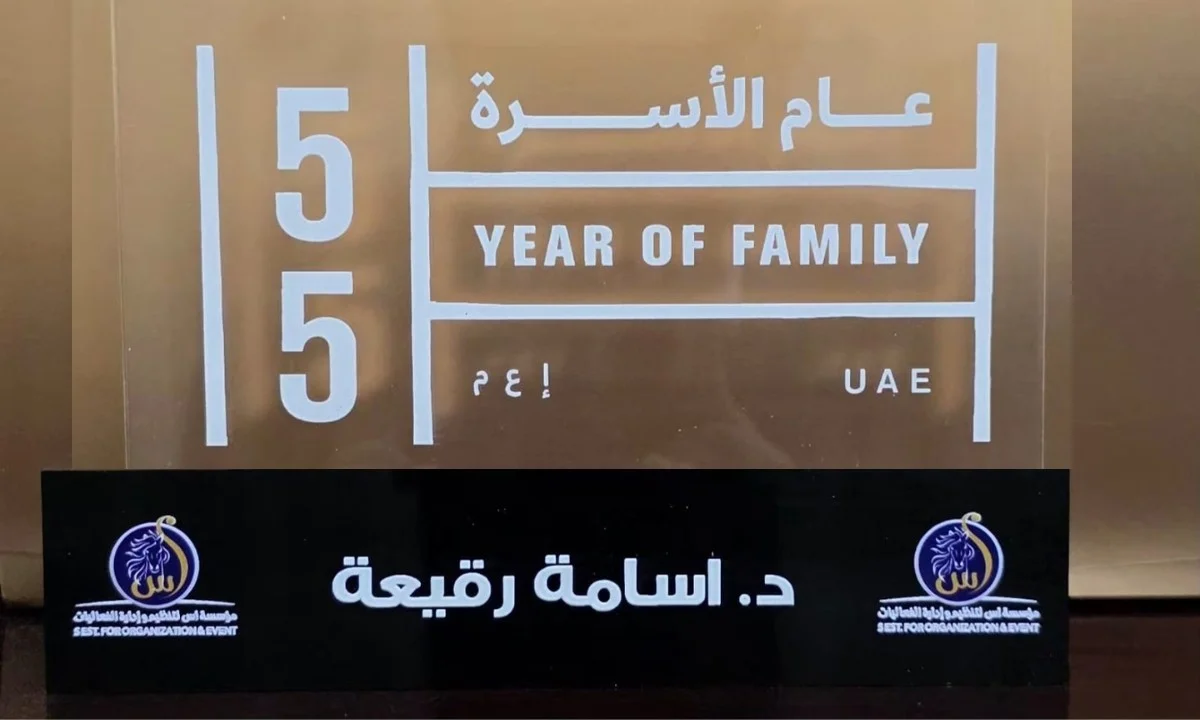
Family Wins “Family of the Year 2026” at Noor Al Quran Event in Ras Al Khaimah
A family honored at the Noor Al Quran initiative in Ras Al Khaimah for Quran memorization and strong

US Approves $16.5B Arms Deal Amid Iran War Escalation
US approves $16.5B arms sale to Gulf allies and $7B to UAE, boosting defence amid Iran tensions whil
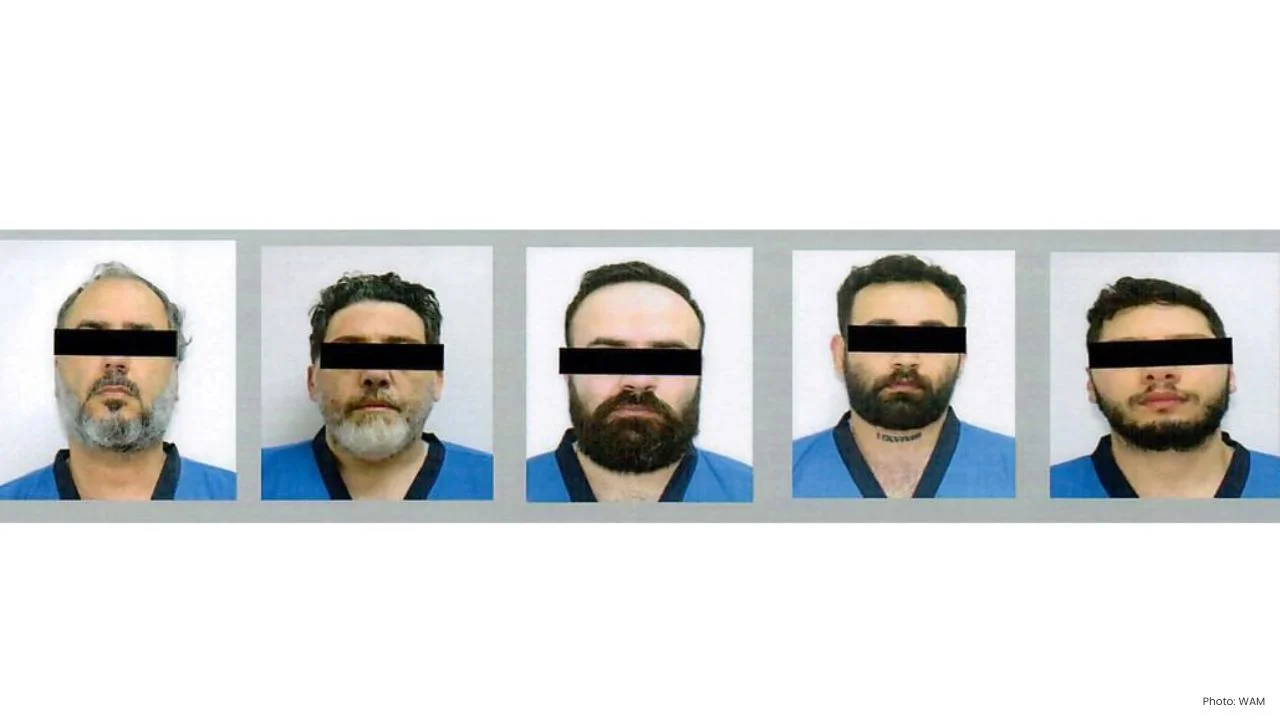
UAE Busts Hezbollah-Iran Terror Network, Members Held
UAE authorities have broken a terror network linked to Hezbollah and Iran, arresting members accused

Swiatek Stunned by Linette in Miami Open Upset Shock
Iga Swiatek suffered a shocking defeat to Magda Linette at the Miami Open, marking her first opening
UAE Orphan Fund Raises AED 3.3 Billion in Ramadan Drive
UAE’s Mother of the Nation Orphan Fund raises AED 3.3B in Ramadan, boosting support for education, h
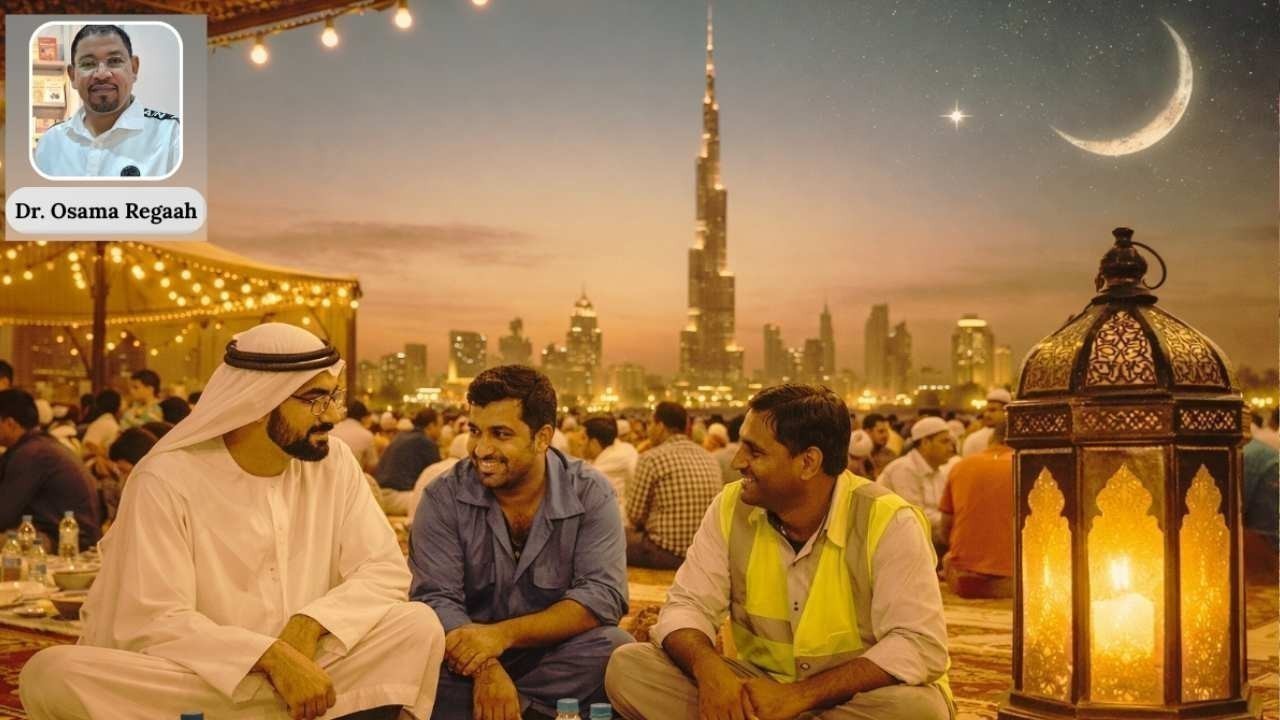
Ramadan in the UAE: Reflections on Humanity, Leadership, and Lasting Values
A heartfelt Ramadan reflection by Osama Regaah on UAE’s spirit of humility, unity, and leadership, a
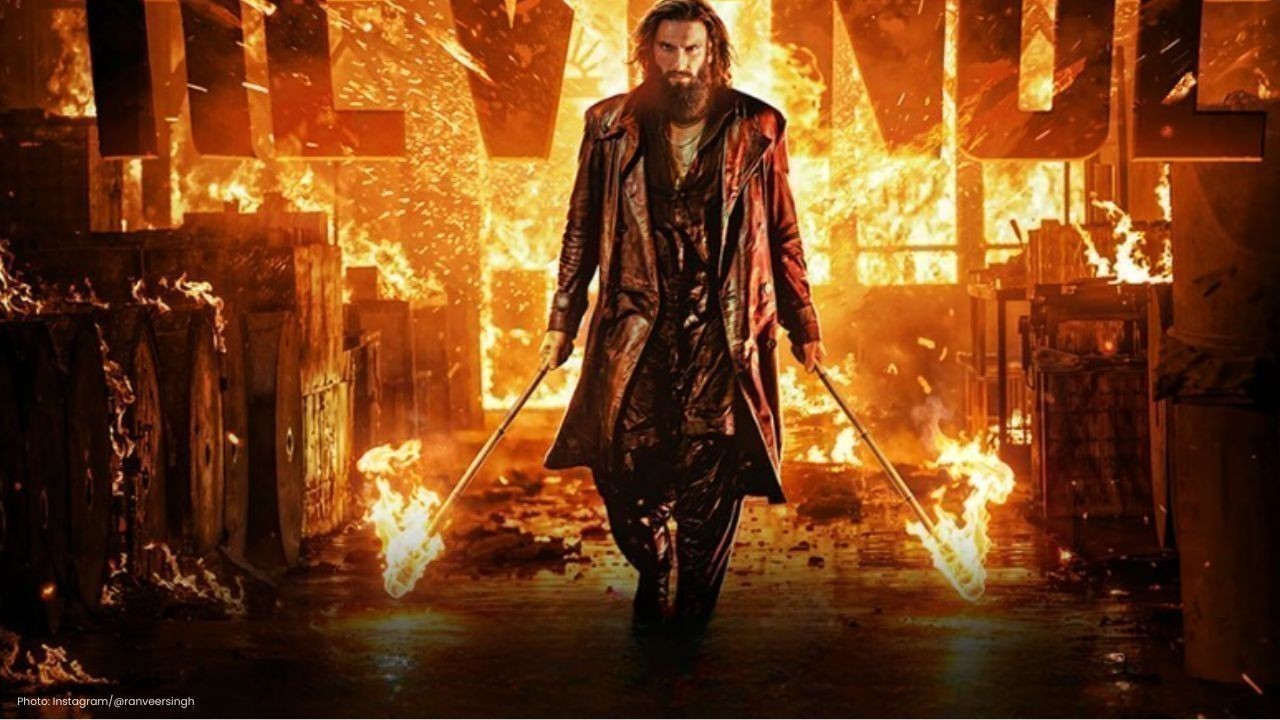
Dhurandhar 2 Opens Big, Crosses ₹100 Cr on Day 1
Ranveer Singh starrer Dhurandhar 2 earns ₹102 Cr on day one despite delays, beating past Bollywood o


Bank of Baroda Faces Abu Dhabi Legal Battle over NMC Collapse
Bank of Baroda’s involvement in Abu Dhabi litigation tied to the NMC Healthcare collapse raises repu
Top Museum Openings of 2026 Set to Transform Global Tourism
From Los Angeles to Abu Dhabi and Brussels, 2026 brings major museum launches—Lucas Museum, Guggenhe
UAE Tour Highlights UAE’s Strength in Hosting Global Sports Events
Abu Dhabi Sports Council says the successful UAE Tour reflects the UAE’s leading role in hosting maj
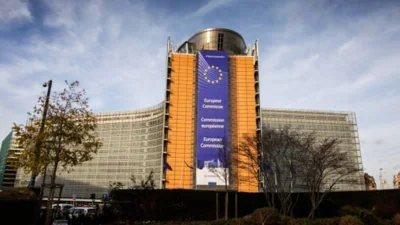
EU Seeks Clarity from US After Supreme Court IEEPA Ruling
European Commission urges full transparency from the US on steps after Supreme Court ruling, emphasi
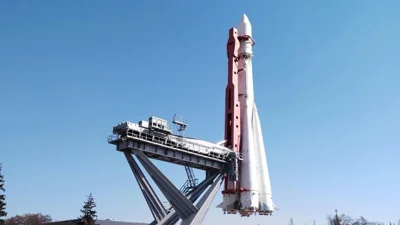
SpaceX Launches 53 New Satellites for Expanding Starlink Network
SpaceX launches 53 Starlink satellites in two Falcon 9 missions, breaking reuse records and expandin

RTA Awards Contract for Phase II of Hessa Street Upgrade in Dubai
Phase II of Hessa Street Development to add bridges, tunnel, and upgraded intersections, doubling ca

UAE Gold Prices Today, Monday 16 February 2026: Dubai & Abu Dhabi Updated Rates
Gold prices in UAE on 16 Feb 2026 updated: 24K around AED 599.75/gm, 22K AED 555.25/gm, and 18K AED
Over 25 Ahmedabad Schools Receive Bomb Threat Email, Authorities Investigate
More than 25 schools in Ahmedabad evacuated after bomb threat emails mentioning Khalistan. Authoriti