Post by : Anis Karim
The year 2026 isn't characterized by significant political upheavals or headline-grabbing crises, but rather by profound changes in deeper structures. It symbolizes a collection of trends that have evolved steadily for over a decade—trends that are now colliding in notable ways. Leaders, organizations, and the public are recognizing that the once steadfast norms of international relations are shifting.
Long-standing geopolitical tensions, realigned alliances, economic nationalism, and increasing public skepticism are changing the political climate. Actions that were previously considered temporary are solidifying into enduring strategies. Nations are prioritizing self-interest over ideals, and voters are pressing for accountability and stability rather than grand aspirations. Thus, 2026 serves as a turning point, not because everything transforms suddenly, but because the trajectory of change is unmistakably evident.
For most of the late 20th and early 21st centuries, global politics operated within a concentrated power structure. However, by 2026, the shift towards a multipolar world is apparent in day-to-day diplomatic interactions. No singular nation or coalition holds uncontested power any longer.
Emerging economies are more explicitly asserting their positions, while medium-sized states are opting for flexible coalitions rather than rigid affiliations. This shift in power dynamics is complicating global decision-making, which has become slower yet more reflective of a variety of interests. Influence is no longer gauged solely by military might but includes technological advancements, control over supply chains, and diplomatic reach.
A multipolar world necessitates a transactional approach to diplomacy. Nations are engaging in negotiations based on specific issues, forming alliances determined by economic, security, or regional interests. Traditional alliances are gradually losing their power, while regional cooperation gains prominence. The result is a global system that is less predictable and no longer dominated by a singular narrative.
Economic strains are emerging as a dominant force in determining governance in 2026. Rising costs of living, relentless inflation, and high national debts compel governments to focus on internal stability rather than international endeavors. Economic efficacy is the central factor by which leadership is examined.
Electoral patterns show a clear trend: leaders perceived as incapable of safeguarding economic welfare face rapid backlash. Consequently, governments are adopting a cautious stance, prioritizing policies that yield immediate benefits to the populace.
In conjunction with these pressures, there is a growing focus on national economic self-sufficiency. Countries are heavily investing in domestic production, energy independence, and securing food supply chains. While globalization continues, it is now being redefined, with nations trading under frameworks designed to safeguard against external vulnerabilities. This evolution influences trade discussions and escalates competition for resources and technology.
Technology is now viewed as a vehicle for political strategy. By 2026, control over data, digital systems, and artificial intelligence forms the bedrock of national agendas. States are strategically investing in technological independence to diminish reliance on foreign infrastructures.
This shift incites debates surrounding regulation, privacy, and freedoms. States navigate a delicate balance between safeguarding digital environments and upholding democratic principles. These concerns have transcended tech circles, impacting legislation, foreign relations, and public trust.
The rapid dissemination of information has transformed how citizens engage politically. As facts are more accessible, so too is misinformation and societal polarization. Governments are pressed to react swiftly, communicate transparently, and manage public perceptions. In 2026, political credibility is shaped as much by narrative control as by concrete policy outcomes.
Unlike brief military engagements, prolonged conflicts induce fatigue among policymakers and the populace alike. In 2026, many ongoing global disputes have reached points where a clear victory appears elusive but withdrawal feels unviable, reshaping foreign policy frameworks.
Governments are focusing on prevention rather than escalation, aiming to hold conflicts at bay rather than bringing resolution. This pragmatic stance reflects a broader understanding that a stable status quo is preferable to ongoing volatility.
Around the globe, citizens are grappling with the implications of prolonged engagements in foreign conflicts. The economic burdens and domestic issues are amplifying calls for moderation. Leaders are responding by reassessing commitments, striving for a balance between global responsibilities and the pressing demands for peace at home.
The era of unshakeable alliances is fading. In 2026, partnerships are increasingly flexible, oriented towards mutual gains over shared ideologies. Nations are reevaluating longstanding commitments in search of arrangements that allow for strategic versatility.
This shift signals not the demise of alliances, but rather their transformation. Modern cooperation is selective, focusing on particular goals such as trade, security, or technological collaboration. This evolution renders global politics more fluid yet, paradoxically, more vulnerable.
As global bodies struggle for unity, regional partnerships are emerging as indispensable. Nations are discovering that collaboration with neighboring countries often yields swifter, more effective outcomes. This trend is enhancing regional diplomacy and decreasing reliance on distant powers.
In 2026, the boundary between domestic and international politics is increasingly blurred. Leaders recognize that international decisions can have rapid domestic consequences. Free trade agreements shape local employment, diplomatic stances fluctuate energy costs, and security measures influence public sentiment.
As a result, external strategies are now aligning more closely with internal political demands. This inward focus makes global cooperation more cautious but grounded in public support.
A move away from ideological posturing towards effective governance is evident. Leaders are evaluated based on their adeptness at managing complexity instead of delivering grand narratives. This scenario has elevated the importance of technical abilities, crisis management, and negotiation skills over merely charismatic rhetoric.
International institutions are feeling the strain to adapt in a rapidly changing landscape. By 2026, their authority is often questioned when responses to crises appear delayed or ineffective. Nations are calling for reforms that better reflect current power distributions rather than historical dynamics.
This scrutiny raises discussions about representation and decision-making procedures. Whether these organizations can keep pace with change remains uncertain.
Changing global institutions is a delicate process that involves redistributing power. Nevertheless, without reform, their relevancy may continue to wane. Navigating the conflict between stability and necessary change stands as a pivotal challenge for the year.
The essence of 2026 is not sudden chaos but rather clarity in direction. The global political landscape has reached a juncture where long-term trends have become unequivocal—they are now influencing decisions, partnerships, and public sentiments. Power is diluted, politics are more pragmatic, and citizens expect more from their leaders.
This year represents an adjustment period rather than a resolution. The decisions made now will shape how nations will interact, compete, and coexist in the future. Recognizing 2026 as a critical junction elucidates why global politics feel more intricate, cautious, and essential than ever before.
Disclaimer:
This article is intended purely for informational and analytical reasons. It is neither political counsel nor does it reflect the official viewpoint of any government or organization.
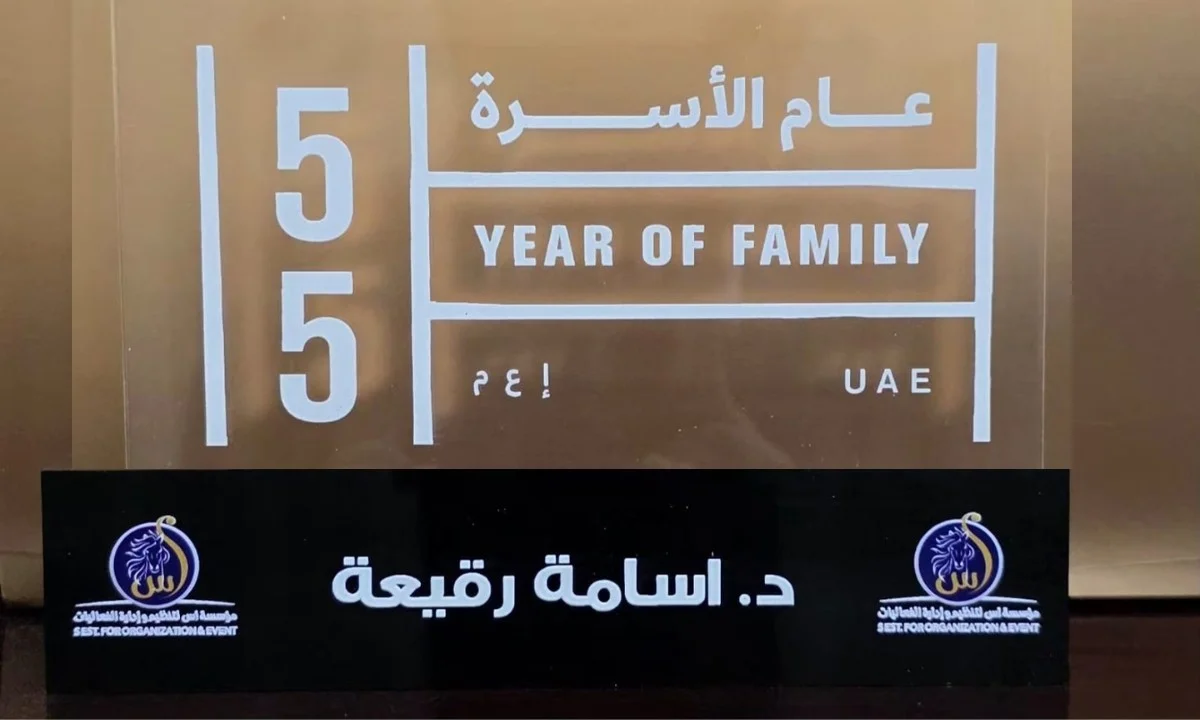
Family Wins “Family of the Year 2026” at Noor Al Quran Event in Ras Al Khaimah
A family honored at the Noor Al Quran initiative in Ras Al Khaimah for Quran memorization and strong
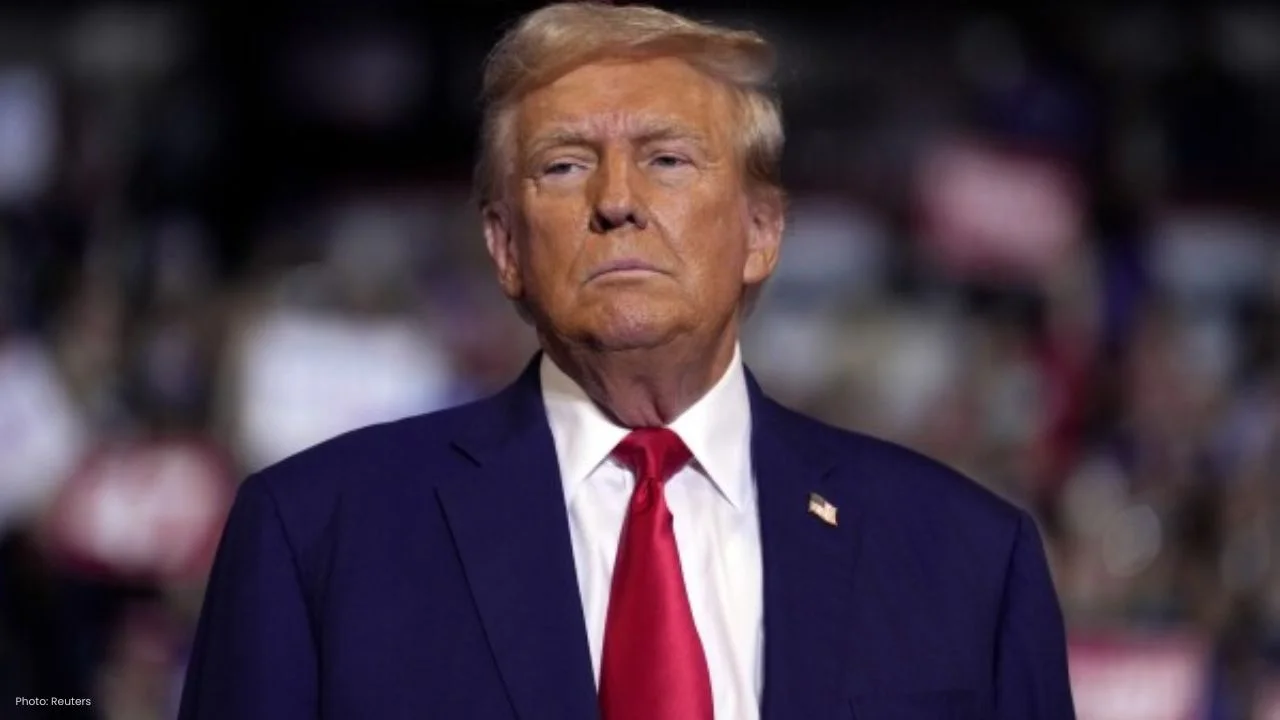
US Approves $16.5B Arms Deal Amid Iran War Escalation
US approves $16.5B arms sale to Gulf allies and $7B to UAE, boosting defence amid Iran tensions whil

UAE Busts Hezbollah-Iran Terror Network, Members Held
UAE authorities have broken a terror network linked to Hezbollah and Iran, arresting members accused

Swiatek Stunned by Linette in Miami Open Upset Shock
Iga Swiatek suffered a shocking defeat to Magda Linette at the Miami Open, marking her first opening

UAE Orphan Fund Raises AED 3.3 Billion in Ramadan Drive
UAE’s Mother of the Nation Orphan Fund raises AED 3.3B in Ramadan, boosting support for education, h

Ramadan in the UAE: Reflections on Humanity, Leadership, and Lasting Values
A heartfelt Ramadan reflection by Osama Regaah on UAE’s spirit of humility, unity, and leadership, a

Dhurandhar 2 Opens Big, Crosses ₹100 Cr on Day 1
Ranveer Singh starrer Dhurandhar 2 earns ₹102 Cr on day one despite delays, beating past Bollywood o


Bank of Baroda Faces Abu Dhabi Legal Battle over NMC Collapse
Bank of Baroda’s involvement in Abu Dhabi litigation tied to the NMC Healthcare collapse raises repu

Top Museum Openings of 2026 Set to Transform Global Tourism
From Los Angeles to Abu Dhabi and Brussels, 2026 brings major museum launches—Lucas Museum, Guggenhe

UAE Tour Highlights UAE’s Strength in Hosting Global Sports Events
Abu Dhabi Sports Council says the successful UAE Tour reflects the UAE’s leading role in hosting maj
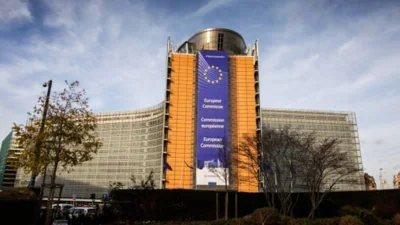
EU Seeks Clarity from US After Supreme Court IEEPA Ruling
European Commission urges full transparency from the US on steps after Supreme Court ruling, emphasi
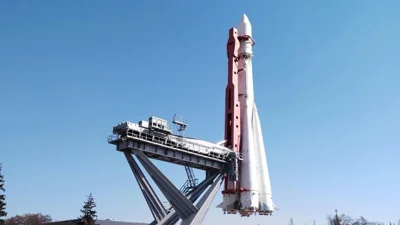
SpaceX Launches 53 New Satellites for Expanding Starlink Network
SpaceX launches 53 Starlink satellites in two Falcon 9 missions, breaking reuse records and expandin
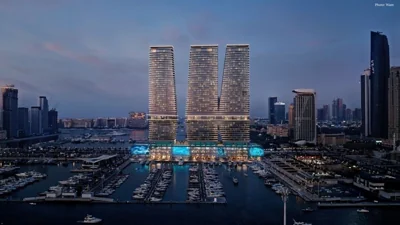
RTA Awards Contract for Phase II of Hessa Street Upgrade in Dubai
Phase II of Hessa Street Development to add bridges, tunnel, and upgraded intersections, doubling ca

UAE Gold Prices Today, Monday 16 February 2026: Dubai & Abu Dhabi Updated Rates
Gold prices in UAE on 16 Feb 2026 updated: 24K around AED 599.75/gm, 22K AED 555.25/gm, and 18K AED
Over 25 Ahmedabad Schools Receive Bomb Threat Email, Authorities Investigate
More than 25 schools in Ahmedabad evacuated after bomb threat emails mentioning Khalistan. Authoriti