Post by : Anis Karim
Fashion evolves gradually rather than abruptly. Changes first surface on runways, move into niche groups, and eventually become ingrained in daily routines. The upcoming fashion innovations are unique; they're influenced by climate concerns, digital behavior, economic challenges, and a rising need for practicality coupled with personal expression.
Next year, we anticipate several pioneering ideas breaking through to become mainstream. These innovations, while not overtly futuristic, are already subtly integrated into fashion, with the focus shifting towards wider acceptance and accessibility.
Here are ten innovations likely to transform how we dress, shop, and perceive our clothing choices.
Fashion has long favored an idealized body form, but this is beginning to change.
Functional apparel—designed for comfort, medical needs, aging bodies, and diverse physiques—is moving from niche markets into mainstream fashion. Features such as magnetic fasteners, adjustable seams, and elastic structures are becoming more prevalent.
This innovation's appeal lies in its inclusivity. Clothing that adapts to various body types enhances usability for everyone, from individuals with disabilities to those recovering from injuries. We expect adaptive design to transition from a “specialized” label to a standard expectation in 2024.
Climate-responsive materials are no longer reserved for tech wear. These innovative textiles adjust breathability and insulation based on temperature, becoming accessible for everyday wear.
Such fabrics control comfort using structural fibers and coatings instead of electronics. As weather unpredictability increases, garments that adjust organically are gaining appeal, seamlessly integrating into daily wear.
Often mistaken for virtual attire, digital fashion design is fundamentally about a new creative process.
Designers are crafting garments entirely in digital formats before producing physical items. This trend minimizes waste and accelerates design while allowing for precise consumer customization.
For buyers, this means better-fitting clothes, reduced returns, and a clearer understanding of garment dynamics. With lower production costs and improved design tools, digital-centric methods are set to transform the entire fashion landscape.
Consumer expectations shaped by fast fashion are being challenged.
More brands are focusing on creating garments with durable stitching, modular designs, and repair-friendly constructions. Instead of concealing seams, longevity is becoming a prominent design feature.
It's not about making clothing indestructible; it’s about ensuring a longer life span while maintaining style appeal. As consumers become more price-sensitive, functional clothing that ages gracefully is increasingly desirable.
The focus has shifted away from mass production. On-demand manufacturing responds only to actual needs.
This model reduces inventory issues and excess discounting, encouraging local production and enhancing quality control.
Consumers might experience longer wait times but also enjoy better fitting and intentional designs. This shift away from immediate gratification is gaining traction in the industry.
Gender-neutral clothing is advancing beyond simple designs.
Future collections will encompass intelligent tailoring that adapts to diverse body types without labeling. Designers are prioritizing form and movement rather than rigid categorizations.
Such innovations can simplify shopping and mirror many individuals' current dressing preferences, embracing diverse influences.
With the rise of resale markets, authenticity has become paramount.
Clothing embedded with scannable identification—woven into fabrics or labels—allows buyers to trace origins, fabrics, and history. This technology supports resale, rental, and repair initiatives.
For consumers, this fosters trust in high-quality purchases when transparency regarding authenticity is upheld.
Heavy branding in fashion has lost favor. Textures are taking the spotlight.
Designers are exploring fabric surfaces, layering weaves, and textures that signify luxury or individuality without relying on conspicuous logos. Texture now conveys identity over branding.
Expect texture to define mainstream fashion, particularly in casual wear, soon.
The concept of capsule wardrobes is evolving into a more versatile approach.
Modular clothing allows for various configurations—detach sleeves, reverse materials, adjustable lengths—ensuring each piece can serve multiple functions across different contexts.
This trend caters to consumers desiring flexibility without sacrificing style, promoting a mindset against unnecessary consumption.
Outdated sizing conventions have plagued fashion for years.
Data-informed sizing employs collective body measurements to enhance fit across diverse populations, eliminating arbitrary charts. This reduces returns, elevates satisfaction, and encourages inclusivity.
Shoppers benefit from improved fit, alongside a growing confidence in their purchases. As privacy norms evolve, this innovation is poised for widespread adoption.
What ties these trends together is their relevance.
Consumers seek clothing that:
Offers superior fit
Endures longer
Minimizes waste
Adapts to real-life situations
Reflects personal beliefs
Fashion innovation shifts away from mere spectacle towards addressing the everyday issues that consumers face.
Many of the changes are likely to go without lavish promotional campaigns. Instead, they will seamlessly integrate into the clothing production and sales processes.
When these innovations become part of the foundation, they transform from being innovations to necessities. This is the evolution fashion is currently experiencing.
The coming year may not significantly alter fashion aesthetics, but it will transform its functionality.
Shopping experiences will become more intentional, clothes will feel more personal, and ownership will resonate with deeper meaning.
Fashion is quietly moving towards harmony with body types, lifestyles, and long-term requirements.
Fashion innovation doesn’t always arrive as bold displays. Frequently, it presents as ease—when clothing simply fits, lasts, adapts, or makes sense.
The impending wave of mainstream innovations focuses on redefining our relationship with garments rather than just tracking style trends.
This shift could prove to be more impactful than any trend cycle we've seen.
Disclaimer:
This article serves solely for informational purposes and does not constitute professional advice regarding fashion, business, or consumer choices. Adoption by the industry may vary.

Dubai Allows 24/7 Truck Movement to Boost Logistics
Dubai extends 24/7 truck movement to support logistics, excluding key tunnels. Authorities urge driv

BoE Holds Rates at 3.75% as Iran War Fuels Inflation
Bank of England holds rates at 3.75% as Iran war drives oil prices up, raising inflation risks and d
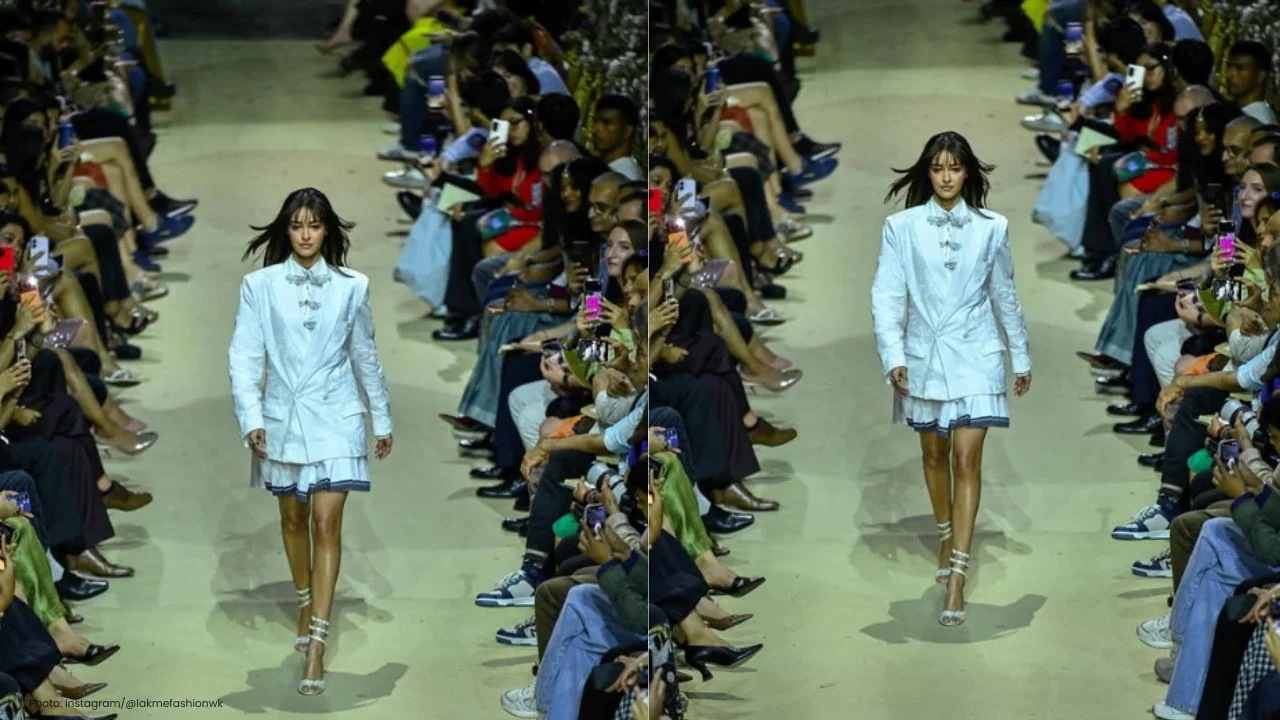
Ananya Panday shines at Lakme Fashion Week 2026
Ananya Panday walked as showstopper for Rahul Mishra at Lakme Fashion Week 2026, wearing an ivory ou

Gold Prices Edge Up, Set for Third Weekly Decline
Gold prices rose slightly but are heading for a third weekly loss as a strong US dollar and Fed tigh

Philippine Airlines Suspends Dubai, Doha Flights Till April 30
Philippine Airlines has suspended Manila-Dubai and Doha flights till April 30 due to Middle East ten

Deadly Factory Fire in Daejeon Kills 11, Several Missing
A massive fire at an auto parts factory in Daejeon, South Korea, has killed 11 people, injured 59, a

Sanofi Opens Innovation Centre in Chengdu China
Sanofi opens its first China Innovation Centre in Chengdu, boosting R&D, clinical trials, and supply


Bank of Baroda Faces Abu Dhabi Legal Battle over NMC Collapse
Bank of Baroda’s involvement in Abu Dhabi litigation tied to the NMC Healthcare collapse raises repu

Top Museum Openings of 2026 Set to Transform Global Tourism
From Los Angeles to Abu Dhabi and Brussels, 2026 brings major museum launches—Lucas Museum, Guggenhe

UAE Tour Highlights UAE’s Strength in Hosting Global Sports Events
Abu Dhabi Sports Council says the successful UAE Tour reflects the UAE’s leading role in hosting maj

EU Seeks Clarity from US After Supreme Court IEEPA Ruling
European Commission urges full transparency from the US on steps after Supreme Court ruling, emphasi

SpaceX Launches 53 New Satellites for Expanding Starlink Network
SpaceX launches 53 Starlink satellites in two Falcon 9 missions, breaking reuse records and expandin

RTA Awards Contract for Phase II of Hessa Street Upgrade in Dubai
Phase II of Hessa Street Development to add bridges, tunnel, and upgraded intersections, doubling ca

UAE Gold Prices Today, Monday 16 February 2026: Dubai & Abu Dhabi Updated Rates
Gold prices in UAE on 16 Feb 2026 updated: 24K around AED 599.75/gm, 22K AED 555.25/gm, and 18K AED

Over 25 Ahmedabad Schools Receive Bomb Threat Email, Authorities Investigate
More than 25 schools in Ahmedabad evacuated after bomb threat emails mentioning Khalistan. Authoriti