Post by : Michael Darzi
Flying can be exciting, whether you are travelling for work, going on a holiday, or visiting family. But many travellers forget one important thing. What you eat before and during a flight can affect how you feel in the air. Food that feels normal on the ground can behave very differently once the plane is flying high in the sky.
Inside an aircraft, the air pressure is lower, the air is dry, and people move very little. Because of this, digestion becomes slower and the stomach becomes more sensitive. Eating the wrong foods can cause bloating, gas, acidity, dehydration, and discomfort. This can easily spoil an otherwise smooth journey.
To travel comfortably, it is important to know which foods should be avoided on a plane and why.
At high altitude, the body does not work the same way as it does on the ground. Oxygen levels are lower, digestion slows down, and the dry cabin air causes the body to lose water faster. Gas inside the stomach also expands because of the change in air pressure.
This is why food that seems harmless at home can cause stomach pain, tightness, or discomfort during a flight. Choosing the right food can help you feel much better before landing.
Fried foods like burgers, fries, pakoras, samosas, or oily snacks are heavy on the stomach. They take a long time to digest, and digestion becomes even slower when you are sitting for hours on a plane.
Greasy food can cause acidity, bloating, and a heavy feeling that may last throughout the journey.
Why you should avoid them:
Hard to digest
Can cause heartburn and stomach pain
Make you feel tired and uncomfortable
Soft drinks and fizzy beverages may seem refreshing, but they are a major cause of bloating during flights. At high altitude, gas inside the stomach expands more than usual.
This can lead to stomach tightness, bloating, and frequent burping, which can be very uncomfortable.
Why you should avoid them:
Increase gas in the stomach
Cause bloating
Make the stomach feel tight
Foods like rajma, chole, lentils, and chickpeas are healthy, but they naturally produce gas while digesting. On a plane, this gas expands even more because of cabin pressure.
This can cause bloating, stomach pressure, and cramps, especially on long flights.
Why you should avoid them:
Cause gas formation
Increase stomach pressure
Can lead to cramps
Milk, cheese, ice cream, butter, and cream-based foods can be difficult to digest during flights. Some people do not realise they are sensitive to dairy until they feel uncomfortable in the air.
Dairy products can cause bloating, nausea, or stomach upset, especially during long journeys.
Why you should avoid them:
Hard to digest at high altitude
Can cause bloating or nausea
Risky for sensitive stomachs
Chips, salted nuts, instant snacks, and packaged foods contain high amounts of salt. The air inside the plane is already very dry, and salty food makes dehydration worse.
This can cause dry mouth, headaches, swelling, and tiredness during or after the flight.
Why you should avoid them:
Increase dehydration
Cause water retention
Make you feel thirsty and tired
Alcohol affects the body faster when you are flying. Even a small amount can cause dizziness, dehydration, and fatigue at high altitude.
Alcohol also disturbs sleep and makes jet lag worse, especially on long international flights.
Why you should avoid it:
Causes dehydration
Affects sleep quality
Increases jet lag
Foods with strong smells, such as garlic-heavy dishes or very spicy curries, are not suitable for flights. In the closed space of an aircraft, smells become stronger and may disturb other passengers.
Spicy food can also cause acidity and heartburn during flights.
Why you should avoid them:
Uncomfortable for nearby passengers
Can cause acid reflux
May upset your stomach
For a comfortable flight, choose light and easy-to-digest foods, such as:
Fresh fruits
Plain sandwiches
Boiled or steamed vegetables
Rice with mild seasoning
Unsalted nuts in small amounts
Plenty of water
Light meals reduce pressure on the stomach and help you feel fresh during the journey.
Eating the wrong food can turn a comfortable flight into a stressful experience. Bloating, acidity, dehydration, and nausea can make even a short flight feel long.
Choosing the right food helps you:
Avoid stomach discomfort
Stay hydrated
Feel relaxed and alert
Enjoy your journey
Good food habits are especially important for children, older travellers, and people with sensitive digestion.
Flying is not only about reaching your destination. It is also about travelling comfortably. What you eat before and during a flight plays a big role in how you feel in the air.
By avoiding heavy, greasy, gassy, salty, and alcoholic foods, you can protect your stomach and enjoy a smoother journey. Simple food choices can make a big difference when you are flying thousands of feet above the ground.
Travelling smart truly begins with eating smart.
This article is provided for general information and awareness purposes only. The food-related suggestions mentioned are based on common travel experiences and general digestive comfort during flights. Individual reactions to food can vary depending on personal health, dietary habits, allergies, and sensitivities. This content is not intended to replace professional medical, dietary, or nutritional advice. Readers should use their own judgement when choosing food while travelling and are encouraged to consult a qualified healthcare or nutrition professional if they have existing health conditions, digestive concerns, or specific dietary restrictions before making any travel-related food choices.

Deadly Factory Fire in Daejeon Kills 11, Several Missing
A massive fire at an auto parts factory in Daejeon, South Korea, has killed 11 people, injured 59, a

Sanofi Opens Innovation Centre in Chengdu China
Sanofi opens its first China Innovation Centre in Chengdu, boosting R&D, clinical trials, and supply
Jordan, Egypt Condemn Terror Plot Targeting UAE
Jordan and Egypt strongly condemn a terror plot targeting the UAE’s economy, reaffirming support for

Elon Musk Found Liable in Twitter Investor Case
A US jury found Elon Musk liable for misleading Twitter investors in 2022 deal, awarding up to $2.1

BTS Comeback Concert Draws 260K Fans in Seoul
BTS holds a mega comeback concert in Seoul with 260,000 fans, marking their first album in 3 years a
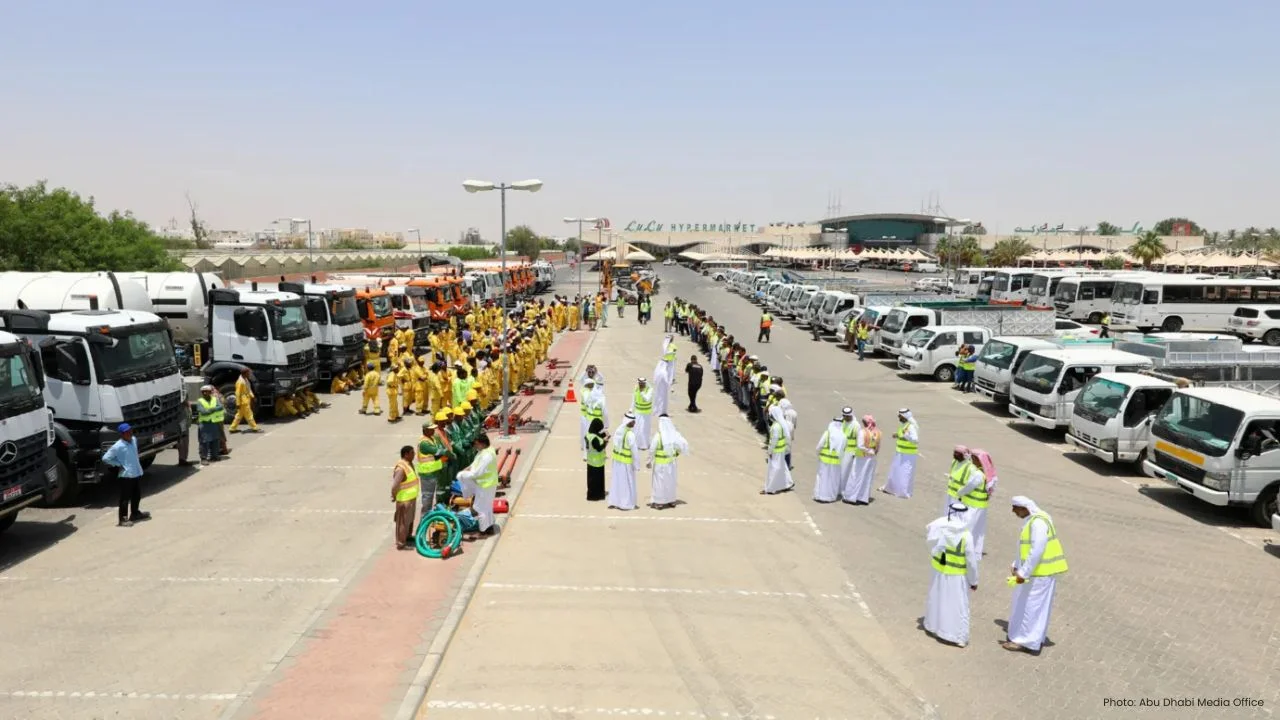
UAE DMT Prepares for Weather Alert March 21–27
Abu Dhabi’s DMT activates emergency plans, deploys teams, and urges public caution as unstable weath

Dubai Property Market Faces War-Driven Slowdown
Dubai’s real estate market shows early slowdown as Iran war impacts investor confidence, with fallin


Bank of Baroda Faces Abu Dhabi Legal Battle over NMC Collapse
Bank of Baroda’s involvement in Abu Dhabi litigation tied to the NMC Healthcare collapse raises repu

Top Museum Openings of 2026 Set to Transform Global Tourism
From Los Angeles to Abu Dhabi and Brussels, 2026 brings major museum launches—Lucas Museum, Guggenhe

UAE Tour Highlights UAE’s Strength in Hosting Global Sports Events
Abu Dhabi Sports Council says the successful UAE Tour reflects the UAE’s leading role in hosting maj

EU Seeks Clarity from US After Supreme Court IEEPA Ruling
European Commission urges full transparency from the US on steps after Supreme Court ruling, emphasi

SpaceX Launches 53 New Satellites for Expanding Starlink Network
SpaceX launches 53 Starlink satellites in two Falcon 9 missions, breaking reuse records and expandin

RTA Awards Contract for Phase II of Hessa Street Upgrade in Dubai
Phase II of Hessa Street Development to add bridges, tunnel, and upgraded intersections, doubling ca

UAE Gold Prices Today, Monday 16 February 2026: Dubai & Abu Dhabi Updated Rates
Gold prices in UAE on 16 Feb 2026 updated: 24K around AED 599.75/gm, 22K AED 555.25/gm, and 18K AED

Over 25 Ahmedabad Schools Receive Bomb Threat Email, Authorities Investigate
More than 25 schools in Ahmedabad evacuated after bomb threat emails mentioning Khalistan. Authoriti