Post by : Anis Karim
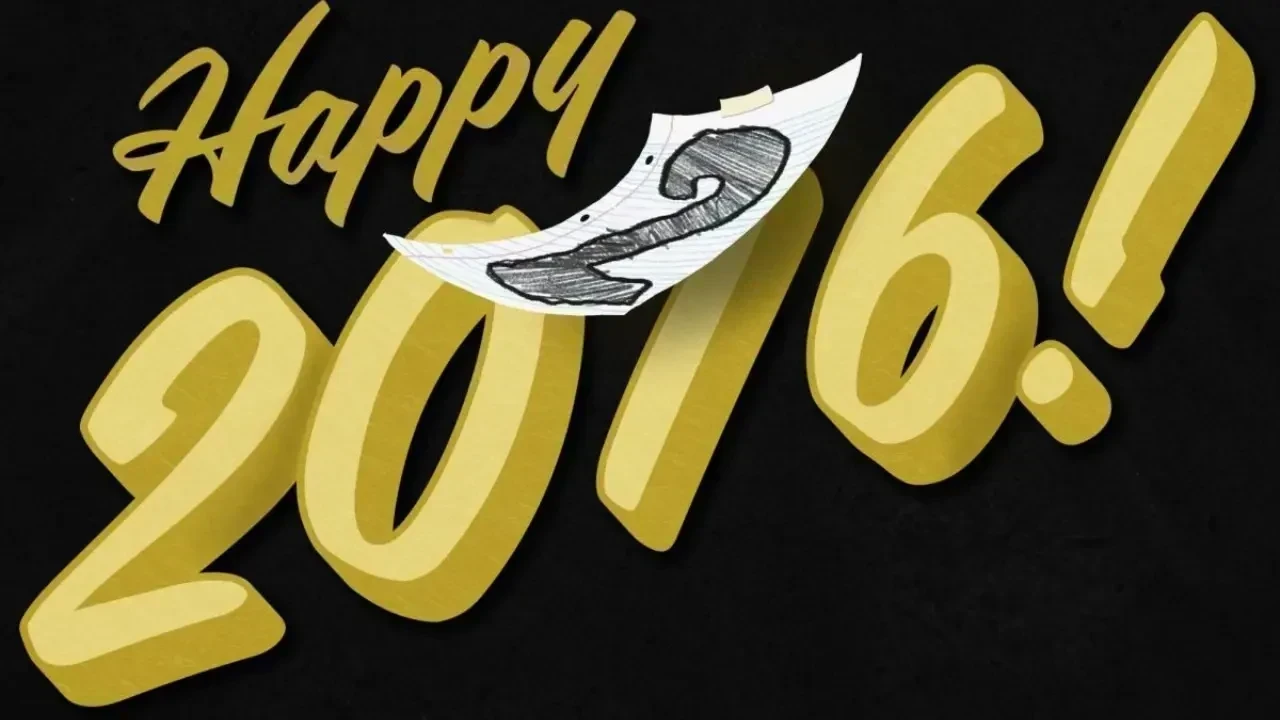
Scrolling through social media in 2026 reveals a familiar sentiment echoing: “2026 is channeling 2016.” This phrase populates memes, playlists, fashion showcases, and comment threads under trending videos. For many, 2016 symbolizes a cultural zenith—a time when the internet felt vibrant, global conflicts seemed distant, and online life sparkled with excitement rather than fatigue.
The notion that 2026 mirrors 2016 has evolved beyond mere meme status. It represents a nostalgia-driven cultural wave fueled by collective memory, shifts in digital platforms, emotional burnout, and an overwhelming desire for a simpler, joyful past. To comprehend the resurgence of this sentiment, one must delve into the essence of what made 2016 resonate deeply and why 2026 strikes a similar chord.
In many circles, 2016 signifies the end of what is termed the unrestrained internet. Social media platforms felt more organic, algorithms less aggressive, and interactions more genuine. Apps became playgrounds for creativity rather than stages for performance.
The rise of platforms like Vine encouraged absurd humor without the shadows of monetization. Instagram’s layouts were more personal, less polished, thriving on authenticity rather than aesthetic perfection.
This contrasts sharply with the meticulously curated digital realm of the early 2020s.
2016 marked a unique period of cultural unity. Music, games, and memes transcended borders, resulting in a collective experience.
Pokémon Go transformed public areas into shared spaces.
Global pop hits dominated the charts simultaneously.
Memes invited participation rather than division.
This shared joy serves as an emotional anchor, drawing people back to what they remember as “glorious days.”
Nostalgia finds its highest intensity during major life milestones of youth. For Gen Z and younger Millennials, 2016 was pivotal—filled with school, college adventures, and first tastes of independence.
As they approach 2026 with economic burdens, career uncertainties, and the weight of online life, their minds naturally retreat to a time laden with comfort and optimism.
In this light, 2016 transforms from a historical date to a symbol of emotional refuge.
The tumultuous years from 2020 to 2024 saw widespread upheaval—pandemics, wars, inflation, and digital strife. Psychologists note that nostalgia often surges following extended stress periods.
As 2026 approaches, there’s a shared emotional rebound; people look not just ahead, but back, seeking comfort. Comparing the present to 2016 acts as emotional shorthand for “life before everything turned heavy.”
Modern social platforms thrive on content that strikes an emotional chord. Nostalgia resonates deeply, igniting memories, comfort, and shared identities.
Engagement surges on platforms like TikTok and Instagram for:
“2016 vibes” video edits
Remixes of older hits
Throwback memes updated with modern spins
Filters mirroring early smartphone styles
When such content performs well, algorithms amplify its reach, creating a perception that everyone shares this nostalgia, solidifying the trend.
Many engaging with 2016 nostalgia were either very young or just starting their digital journeys. For them, 2016 becomes not a memory, but a cultural narrative. They approach it through curated highlights that lack political, social, or emotional context.
This results in an image of the era as unusually pure and universally positive, despite its inherent complexities.
Streaming analytics indicate a notable revival of songs from 2014 to 2017, with playlists labelled “2016 energy,” “summer 2016,” or the reflective “we didn’t realize our happiness” topping platforms like Spotify.
Music from these years evokes feelings related to:
Fewer global crises
A thriving pre-pandemic social life
Greater emotional openness
Lower levels of online hostility
As these tracks resurface in 2026, they not only sound appealing—they evoke a sense of safety.
Many 2026 artists deliberately incorporate elements reminiscent of mid-2010s pop: tropical beats, minimalistic trap rhythms, and catchy melodies. This is intentional; artists acknowledge that nostalgia can be both commercially potent and emotionally engaging.
The outcome creates a feedback loop: contemporary music echoes of 2016, reinforcing the narrative that we’ve returned.
Fashion in 2026 increasingly embraces aesthetics from 2016:
Oversized hoodies
Sneakers favored over extravagant footwear
Minimal makeup trends
Casual styling perfect for candid camera moments
The shift away from overly curated luxury aesthetics speaks to a yearning for authenticity—or, at the very least, the semblance of it.
The early 2020s saw extreme visual trends: heavy filters, vibrant colors, and overt self-branding. In contrast, 2016 nostalgia conveys visual tranquility.
People are not just mimicking styles; they are seeking refuge from overstimulation.
2016 meme culture thrived on absurd humor devoid of political nuance. Memes were playful and low-stakes.
By 2026, people have grown weary of discourse-heavy humor and algorithm-aware jokes. The resurgence of surreal, context-free memes echoes the spirit of 2016—strengthening the parallels.
The current trend emphasizes emotion over message. Content need not convey significant ideas; it only has to resonate. This emotional focus aligns beautifully with the ongoing nostalgia phenomenon.
Despite emotional similarities, the reality is markedly different:
Platforms have become more commercial.
Attention spans are decreasing.
Global instability has surged.
Digital surveillance and monetization are now facts of life.
The likeness is psychological rather than structural.
The phrase “2026 mirrors 2016” isn’t a factual declaration; it’s a form of coping. It enables individuals to reinterpret current challenges in a more hopeful light.
This expression communicates optimism without dismissing the existing hardships.
Marketing strategies in 2026 increasingly echo mid-2010s culture—utilizing vintage fonts, retro app interfaces, and nostalgic soundings. Companies recognize that nostalgia eases consumer hesitations.
When individuals feel emotionally at ease, they tend to spend more freely.
There’s a thin boundary between comfort and stagnation. Should nostalgia dominate cultural narratives, it risks impeding innovation. History demonstrates that every nostalgic cycle ultimately succumbs to overexposure.
The trend highlights a collective weariness. People are not longing for a flawless past but for a time that felt more manageable.
This sentiment reflects a desire to slow down, revitalize connections, and reduce pressures.
Instead of regression, this wave of nostalgia might signal a pivotal moment—a pause before something novel arises. Cultures frequently look back before redefining themselves.
The phrase “2026 is the new 2016” is less about reliving a bygone era and more about negotiating current realities. This trend encapsulates the convergence of emotional recollection, generational identity, and digital weariness into a shared experience.
Whether this feeling remains or fades over time, its prevalence underscores a crucial truth: individuals are seeking joy without irony, genuine connections without pretense, and significance without overwhelm.
In this context, nostalgia serves not as an escape but as a mirror for self-reflection.
Disclaimer:
This piece examines cultural and social trends informed by observed digital behaviors and public conversations. Insights are contextual and could evolve alongside changes in content, audiences, and global conditions.
UAE Warns Global Leaders on Health, Environmental Risks
UAE stresses global health, environmental, and food security risks from regional attacks at One Heal
Penang Temple Calls Off Aidilfitri Open House Amid Confusion
The Penang temple cancels its Aidilfitri celebration, denying claims of a unity banquet replacement

Severe Weather Hits Afghanistan Following Fatal Disasters
Following a series of deadly floods and earthquakes, Afghanistan braces for more severe weather impa

3rd Khaled Bin Mohamed Jiu-Jitsu Championship Round 3 Begins
Round 3 of the 3rd Khaled Bin Mohamed No-Gi Jiu-Jitsu Championship takes place 11-12 April at Zayed
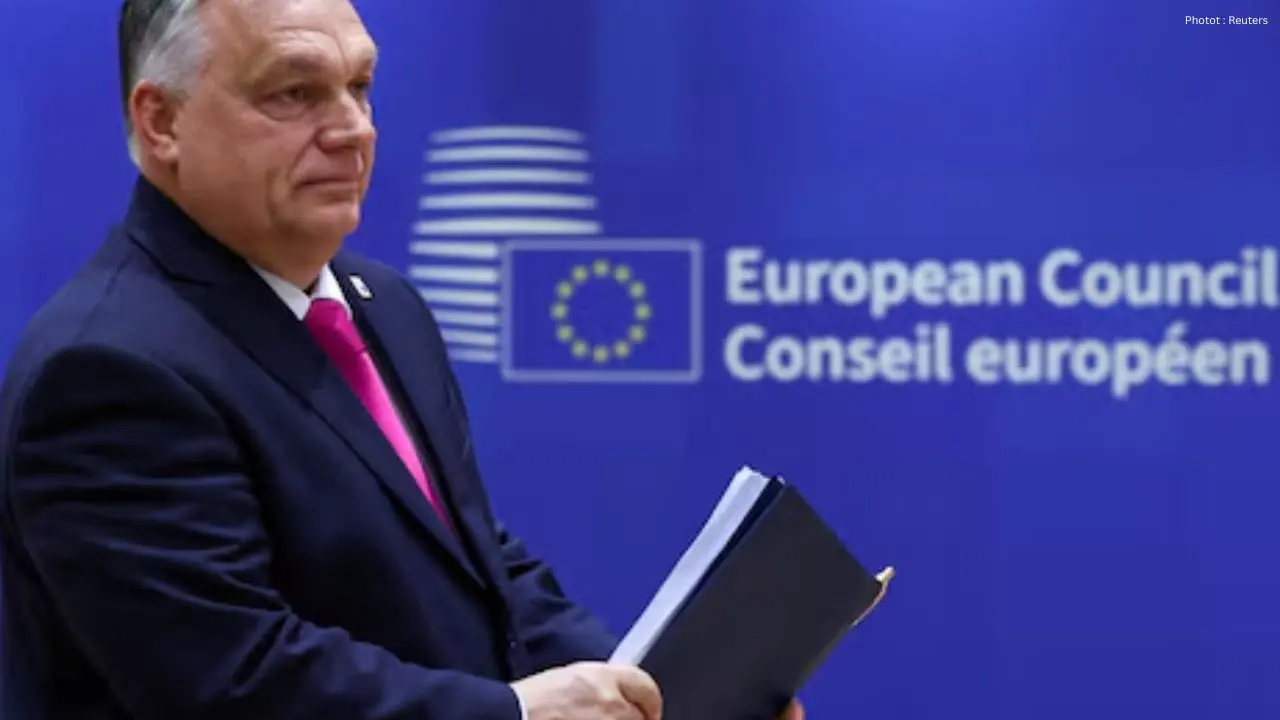
Ethics Breach Uncovered in Minister's Hiring Practices
An ethics investigation reveals a deputy minister's misconduct in securing a job for an unqualified
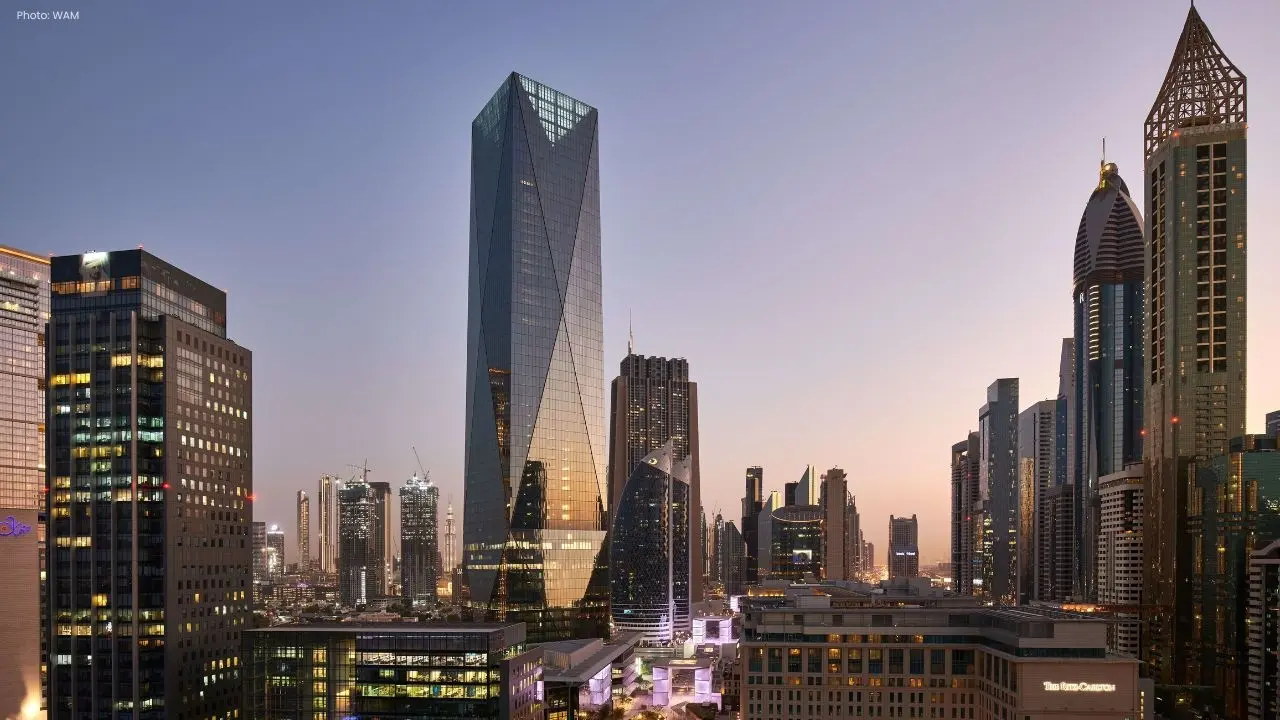
Equator Programme to Expand Global Aircraft Leasing Portfolio
Dubai Aerospace Enterprise and Blackstone Credit launch “Equator,” a $1.6B annual programme investin
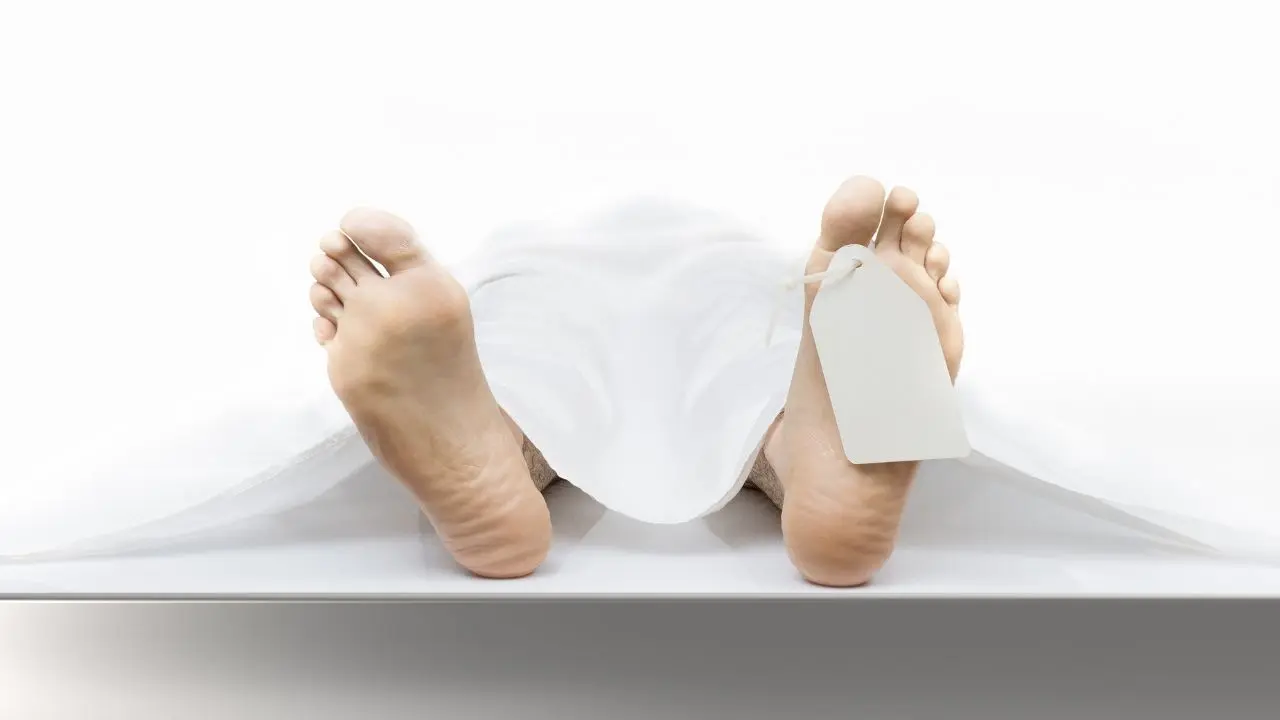
Tragic Discovery: Two Women Found Dead in Osaka Apartment
An elderly woman and her daughter were found deceased in Osaka, prompting an urgent police investiga

The UAE Wellness Secret: 7 Life-Changing Tips
Discover 7 simple UAE wellness tips to stay healthy active and stress-free Easy daily habits for bet
UAE Art Show in Seoul Challenges Stereotypes
Exhibition in Seoul highlights diverse UAE art, moving beyond luxury stereotypes to explore identity
Starbucks Strikes Major Partnership for China Growth
Starbucks teams with Boyu Capital, selling a majority stake in China unit to ramp up store growth an

Couple Among Three Charged in Massive Meth Trafficking Case in Malaysia
Three charged in Malaysia for trafficking 510kg of meth; if convicted, they could face severe penalt
Murder Suspect Returns to Geylang Crime Scene for Investigation
Singapore police revisit Geylang as a 48-year-old suspect faces charges in the fatal stabbing of a 7
NASA Launches Artemis II Crew for 10-Day Lunar Mission
NASA launches Artemis II with four astronauts for a 10-day Moon mission, marking the first crewed lu
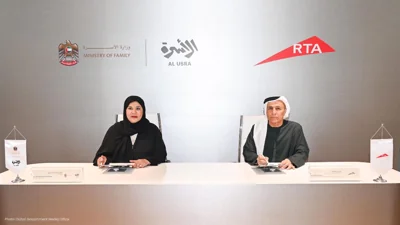
Dubai RTA, Ministry Partner for Family First Programme
Dubai RTA and Ministry of Family partner to enhance transport, urban spaces, and services under Fami

Bank of Baroda Faces Abu Dhabi Legal Battle over NMC Collapse
Bank of Baroda’s involvement in Abu Dhabi litigation tied to the NMC Healthcare collapse raises repu