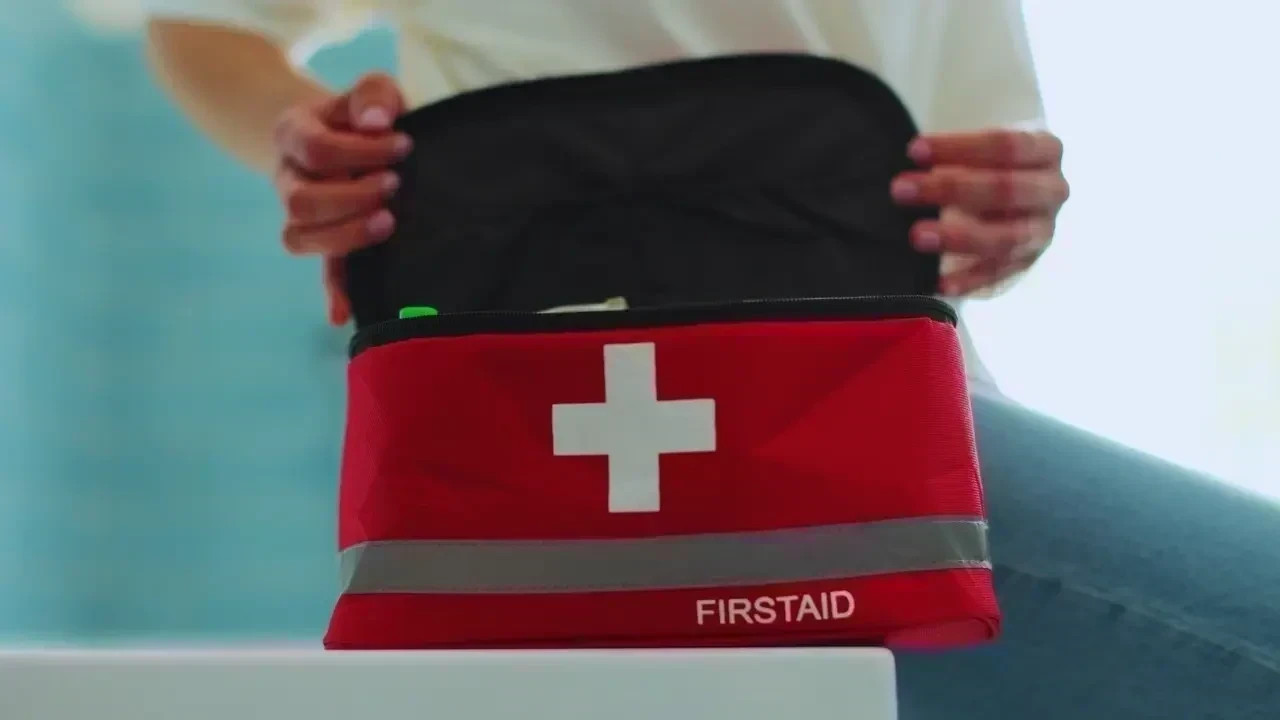
Post by : Anis Karim
Why First-Aid Guidance Has Been Updated
Recent health advisories and home-safety guidelines have highlighted the need for families to refresh their first-aid setups. Over the years, daily risks have evolved — from more electrical gadgets in homes to increased screen strain, changing weather patterns, lifestyle shifts, and the rise of home-based work and schooling. These changes have altered the type of household accidents that occur and the way we respond to them.
As a result, health professionals are encouraging families to reassess their first-aid kits, strengthen their emergency processes, and adopt new habits that align with today’s living conditions. This updated approach helps families stay ready for sudden injuries, minor illnesses, or unexpected household emergencies.
The Importance of Updated First-Aid Practices
Older first-aid habits often relied on outdated tools or assumptions. Today, we understand more about wound care, burns, allergies, infections, and emergency responses. Updated first-aid habits help families:
– Treat injuries more effectively
– Reduce complications
– Respond with confidence
– Prevent infections
– Handle emergencies until professional help arrives
In moments of stress, preparation is everything. A family that knows what to do can act quickly and safely.
Modern Families Face New Kinds of Risks
Homes today are filled with modern hazards: lithium-battery devices, kitchen appliances, sanitising chemicals, slippery tiles, electronics, and tools. Children and pets add an additional layer of vigilance. Work-from-home setups bring electrical cables, constant device use, eye strain, and ergonomic challenges.
With these lifestyle changes, first-aid guidance has adapted to new realities. Families must upgrade their readiness to reflect these risks.
1. Refresh the First-Aid Kit With Updated Essentials
Many families still rely on old first-aid boxes containing expired ointments, loose bandages, or missing items. Recent guidance strongly encourages every household to rebuild their kit for modern needs.
A well-updated first-aid kit should include:
– Sterile gauze pads
– Adhesive bandages of various sizes
– Antiseptic wipes
– Alcohol-free cleansing wipes
– Digital thermometer
– Burn gel or hydrogel dressings
– Crepe bandages
– Cold compress packs
– Tweezers and scissors
– Pain-relief spray or topical gel
– Antihistamines for allergic reactions
– ORS packets for dehydration
– Cotton rolls and cotton buds
– Hand sanitiser
– Disposable gloves
– A small flashlight
– Child-friendly bandages if there are kids
Families are also encouraged to store everything in a waterproof container and check expiry dates every three months.
2. Add Burn-Care Supplies — A Newly Emphasised Priority
Burn injuries remain among the most common domestic accidents, especially in kitchens. Modern guidance now stresses the need for proper burn-care essentials at home.
Updated burn-care recommendations include:
– Hydrogel burn dressings
– Burn-relief sprays
– Non-adhesive sterile dressings
– Avoiding home remedies like toothpaste, ice, or oil
Running cool water over the burn is the first step; applying clean dressings comes next. Small changes in burn treatment make huge differences in healing.
3. Keep Child-Safe Medication Separate and Labelled
Recent guidance highlights the importance of separating adult and child medicines to prevent accidental dosing errors. Child-safe medication must be:
– Stored at a different level
– Colour-coded or labelled
– Kept in child-proof containers
– Checked for dosage instructions regularly
This precaution is vital in households with infants or toddlers.
4. Organise First-Aid Items for Quick Access
A cluttered or disorganised first-aid box slows down response time during emergencies. The new recommendations emphasise organisation:
– Keep wound-care items in one section
– Store medicines separately
– Place tools (scissors, tweezers) in a secure pouch
– Keep a list of emergency numbers taped inside the box
Quick access can make a difference in urgent moments.
5. Equip Your Home for Minor Fractures and Sprains
With more people exercising at home, injuries such as sprains, strains, and minor fractures have risen. Families should keep:
– Elastic bandages
– Cold packs
– A basic splint or firm cardboard substitute
– Immobilisation strips
These simple tools help stabilise injuries until proper medical evaluation is available.
6. Keep Allergy Essentials Readily Available
Allergy responses have become more common, especially with increased exposure to new foods, dust, cleaning solutions, and environmental triggers.
Families should stock:
– Mild antihistamine tablets or syrups
– Anti-itch creams
– Cold compresses for swelling
– Avoidance notes for known allergens
For individuals with severe allergies, instructions for emergency response should be clear and visible.
7. Include Items for Eye Care Emergencies
Eye irritation, chemical splashes, or dust exposure occur more frequently than people realise. Updated first-aid recommendations include:
– Sterile saline eye wash
– Clean eye pads
– Instructions for flushing eyes safely
Households using cleaning agents or DIY tools especially need these items.
8. Upgrade Digital Tools in the First-Aid Routine
Technology now plays a vital role in emergency preparedness. Families are encouraged to maintain:
– Emergency contact lists stored on phones
– A health-tracking app
– Digital copies of prescriptions
– A note with health conditions of each family member
– Voice-activated assistants for emergency calls
These digital tools make first-aid more effective and accessible.
9. Train Every Family Member in Basic First-Aid Skills
Possessing a first-aid kit is not enough — the real strength lies in knowing how to use it. Recent campaigns urge families to familiarise themselves with:
– Treating cuts and wounds
– Stopping bleeding
– Managing burns correctly
– Identifying allergic reactions
– Performing basic CPR
– Handling choking incidents
– Recognising dehydration
Training sessions, home practice, or simple visual guides can save lives.
10. Prepare a Dedicated Emergency Sheet for Every Family Member
An immediate emergency sheet helps caregivers or responders act quickly. It should include:
– Full name
– Blood group
– Allergies
– Current medications
– Chronic conditions
– Emergency contacts
This sheet should be updated regularly and kept accessible.
11. Keep First-Aid Supplies in Multiple Areas of the Home
Recent guidance suggests storing essential first-aid items in at least two locations:
– A central first-aid kit
– A mini kit in the kitchen or near high-risk areas
This reduces response time dramatically during accidents.
12. Create a First-Aid Zone for Children
For households with kids, a safe mini-station for child-related first-aid items (plasters, antiseptic solutions, thermometer, scratch creams) helps parents respond quickly to scrapes and falls.
13. Recognise When to Stop Home Care and Seek Medical Help
A major message in the updated guidance is recognising urgent warning signs. Families must know when home care is insufficient. These signs include:
– Profuse bleeding
– Deep burns
– Breathing difficulty
– Unexplained dizziness
– Sudden chest pain
– Severe allergic reactions
– High fever unresponsive to home measures
– Persistent vomiting
Understanding these signs prevents delays and ensures timely medical attention.
14. Encourage a Family Culture of Safety Awareness
First-aid isn’t only about emergencies — it’s also about prevention. Families should adopt daily safety habits such as:
– Keeping floors dry
– Securing electrical wires
– Storing chemicals safely
– Using kitchen appliances wisely
– Teaching children about safe behaviour
A prevention-focused mindset reduces the need for emergencies in the first place.
15. Maintain Calm and Clear Communication During Emergencies
The updated guidance stresses staying calm. Panic can lead to mistakes. Families should practice how to:
– Delegate tasks
– Communicate clearly
– Move injured people safely
– Call for help without confusion
Calmness is one of the strongest first-aid tools.
Why These First-Aid Changes Matter Today
These updated recommendations reflect modern lifestyles. Homes have evolved, risks have changed, and families need more awareness than ever. Preparedness offers confidence, reduces fear, and ensures safety during unexpected situations.
Small updates and consistent habits can make a life-saving difference.
Looking Ahead: Families Becoming More Prepared Than Ever
As awareness spreads, more families are strengthening their home-safety routines. First-aid readiness is becoming a normal part of household planning, just like food, water, and utilities. This shift represents a healthier, safer, and more prepared society.
Disclaimer:
This article is for general informational purposes only. It is not a substitute for professional medical advice, diagnosis, or treatment. Individuals should consult certified healthcare professionals for personalised guidance.

Family Wins “Family of the Year 2026” at Noor Al Quran Event in Ras Al Khaimah
A family honored at the Noor Al Quran initiative in Ras Al Khaimah for Quran memorization and strong

US Approves $16.5B Arms Deal Amid Iran War Escalation
US approves $16.5B arms sale to Gulf allies and $7B to UAE, boosting defence amid Iran tensions whil

UAE Busts Hezbollah-Iran Terror Network, Members Held
UAE authorities have broken a terror network linked to Hezbollah and Iran, arresting members accused

Swiatek Stunned by Linette in Miami Open Upset Shock
Iga Swiatek suffered a shocking defeat to Magda Linette at the Miami Open, marking her first opening
UAE Orphan Fund Raises AED 3.3 Billion in Ramadan Drive
UAE’s Mother of the Nation Orphan Fund raises AED 3.3B in Ramadan, boosting support for education, h

Ramadan in the UAE: Reflections on Humanity, Leadership, and Lasting Values
A heartfelt Ramadan reflection by Osama Regaah on UAE’s spirit of humility, unity, and leadership, a

Dhurandhar 2 Opens Big, Crosses ₹100 Cr on Day 1
Ranveer Singh starrer Dhurandhar 2 earns ₹102 Cr on day one despite delays, beating past Bollywood o


Bank of Baroda Faces Abu Dhabi Legal Battle over NMC Collapse
Bank of Baroda’s involvement in Abu Dhabi litigation tied to the NMC Healthcare collapse raises repu

Top Museum Openings of 2026 Set to Transform Global Tourism
From Los Angeles to Abu Dhabi and Brussels, 2026 brings major museum launches—Lucas Museum, Guggenhe

UAE Tour Highlights UAE’s Strength in Hosting Global Sports Events
Abu Dhabi Sports Council says the successful UAE Tour reflects the UAE’s leading role in hosting maj

EU Seeks Clarity from US After Supreme Court IEEPA Ruling
European Commission urges full transparency from the US on steps after Supreme Court ruling, emphasi

SpaceX Launches 53 New Satellites for Expanding Starlink Network
SpaceX launches 53 Starlink satellites in two Falcon 9 missions, breaking reuse records and expandin

RTA Awards Contract for Phase II of Hessa Street Upgrade in Dubai
Phase II of Hessa Street Development to add bridges, tunnel, and upgraded intersections, doubling ca

UAE Gold Prices Today, Monday 16 February 2026: Dubai & Abu Dhabi Updated Rates
Gold prices in UAE on 16 Feb 2026 updated: 24K around AED 599.75/gm, 22K AED 555.25/gm, and 18K AED

Over 25 Ahmedabad Schools Receive Bomb Threat Email, Authorities Investigate
More than 25 schools in Ahmedabad evacuated after bomb threat emails mentioning Khalistan. Authoriti