Post by : Anis Karim
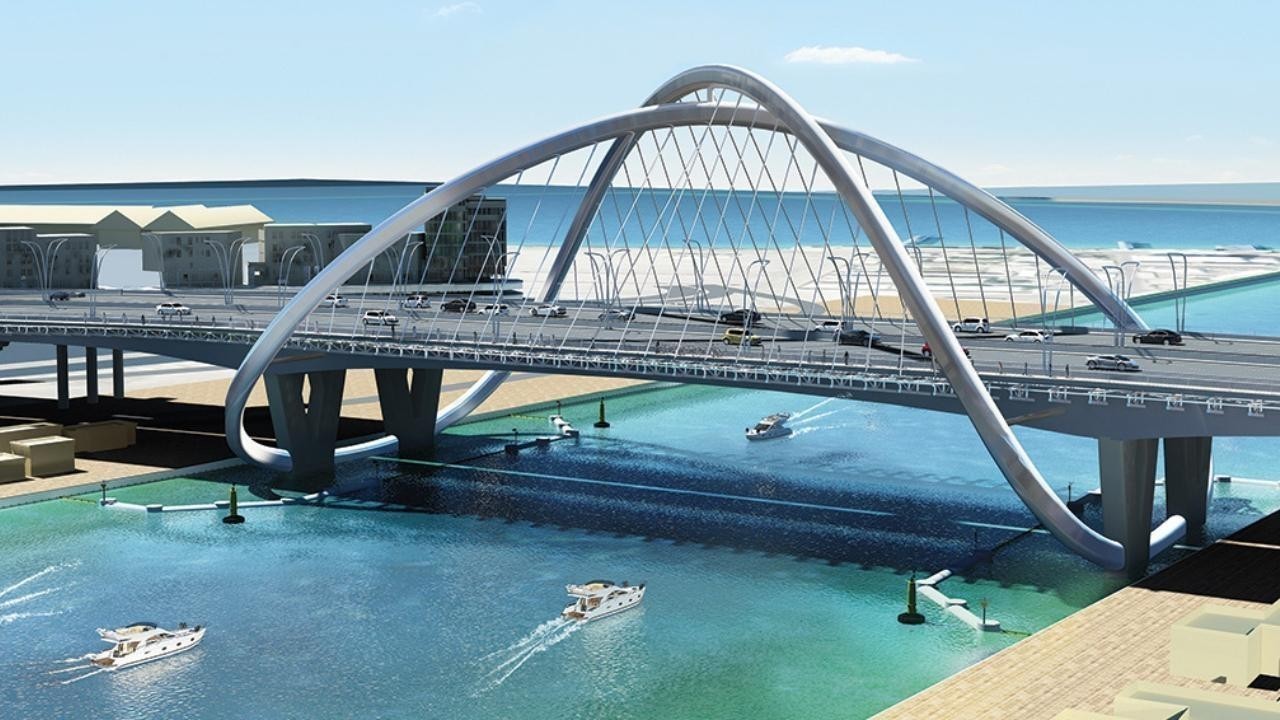
A sweeping arch spanning Dubai Creek, the Infinity Bridge represents more than modern design. For residents of Deira and Bur Dubai, it’s a daily touchpoint—a new connection reshaping how people travel, live, and experience the city.
Completed in early 2025, the Infinity Bridge is at the heart of Dubai’s Al Shindagha Corridor Improvement Project, a 13 km expressway serving over a million people and cutting travel time drastically across traffic-snarled roads.
Sheikh Mohammed bin Rashid described Infinity Bridge as an “architectural masterpiece”, embodying Dubai’s infinite ambition and engineering prowess. The arch-shaped design, rising 42 metres high, evokes the infinity symbol, spanning 300 metres and carrying six lanes each way, plus dedicated sidewalks and a three-metre-wide cycling track.
Built to replace the aging Al Shindagha Tunnel (which opened in 1975), the bridge now lets thousands of boats pass below while enabling smoother urban vehicle flow above.
The bridge links Bur Dubai’s Al Shindagha and Al Karama areas with Deira’s Al Ras corridor, connecting key districts such as Al Jafiliya, Al Kifaf, Al Mankhoul, and Al Raffa.
It is part of a broader corridor connecting vibrant hubs—like Dubai Maritime City, Port Rashid, Dubai Waterfront, and Dubai Islands—and is expected to serve up to 24,000 vehicles per hour in either direction once fully operational.
Before the bridge, travel through this corridor could take up to 104 minutes during peak hours. After Infinity Bridge and its connecting routes opened, that time dropped to just 16 minutes—a level of efficiency expected to yield AED 45 billion over two decades in time saved and economic value.
Residents reported immediate relief. Some mentioned saving 15–30 minutes on daily commutes, saying the drive felt smoother even on their first day crossing the new bridge.
Beyond speed and scale, the bridge offers a pedestrian lane and a cycling track—both rare in Dubai’s major road structures, and symbolic of a shift toward people-first infrastructure.
Strategically, it forms part of an RTA-led corridor project worth over AED 5.3 billion—aimed at integrating transport infrastructure across key arteries like Sheikh Rashid Street and Cairo Street.
Drivers now avoid the bottlenecked tunnel and underpasses that slowed travel for decades. Early adopters commented on how crossing the creek once felt chaotic, but now is seamless—even during peak hours.
Families and fitness enthusiasts are using the bridge’s cycling and walking lanes, a welcome addition amid Dubai’s urban heat. Walking from Bur Dubai to Deira now offers scenic creekside views and shaded route options.
Communities like Al Karama and Al Raffa—once overshadowed by larger developments—are seeing more vibrancy. Easier access to shopping districts, schools, and waterfront destinations is encouraging local footfall and economic growth.
Ambulances, fire trucks, and police vehicles now have faster cross-creek access. For residents and businesses, that reliability matters.
Dubai’s population hit 3.825 million by end‑2024, with another million daily commuters coming from neighboring emirates. That pressure created a mobility crisis—until strategic infrastructure like Infinity Bridge arrived.
This spanning element intersects with plans like Dubai Walk and the Super Block initiative, reinforcing a vision where transit corridors coexist with pedestrian and cyclist priorities.
Precision planning: The bridge construction replaced a tunnel without disrupting daily traffic flow.
Global collaboration: Designed by Parsons consultants, built by Besix, overseen by RTA, it reflects world-class coordination.
Future-ready capacity: Designed to handle 27,200 vehicles per hour across linked corridors and interchange upgrades.
Infinity Bridge is more than concrete and steel—it’s a symbol of Dubai’s 2040 Urban Master Plan, which seeks to double green zones and deliver walkable, amenity-rich neighborhoods.
Along with pedestrian bridges, shade structures, and urban plazas, the city aims to ease reliance on cars. Infinity Bridge is a tangible part of that shift.
Quality of Life: Shorter travel means more time for family, leisure, and wellness.
Health and environment: Cycling and walking lanes encourage movement, reduce emissions, and support public health.
Social cohesion: Bridging neighborhoods helps cross-pollinate cultures, services, and connectivity.
Economic uplift: More movement means more consumer access to shops, cafés, markets, and local services.
Initial navigation confusion: When first opened, mapping apps like Google Maps didn’t include the bridge properly, causing routes to default to the old tunnel, frustrating some drivers.
Traffic teething issues: Early reports flagged congestion at single-lane exits near Bur Dubai. But these are now being addressed with signage upgrades and design modifications.
Despite these minor hurdles, public feedback has steadily improved as awareness and wayfinding enhanced.
Infinity Bridge is just one stage in the expansive Al Shindagha Corridor Project, which will eventually include additional bridges and tunnels, pedestrian infrastructure, and upgraded junctions by 2030.
Crossings like Sheikh Rashid bin Saeed Crossing (Sixth Crossing) are under construction and will further link Al Jaddaf to Bur Dubai—adding capacity and creating redundancy in the traffic map.
As Dubai prepares for growth and smart-city evolution, the bridge lays a foundation for transport resilience and urban wellness.
It symbolizes ambition: an aesthetic icon with practical use.
It slashes daily commute times, improving lives and livelihoods.
It connects neighborhoods physically, economically, and socially.
It’s a step toward a more walkable, livable, green Dubai.
For the café owner in Al Karama, the cyclist heading to work, or the student commuting from Deira to Dubai International Financial Centre, Infinity Bridge changes routines—and transforms expectations.
This article is intended for informational purposes only. DXB News Network aims to present factual, up-to-date reporting on developments affecting Dubai and its residents. Local conditions, policies, or project timelines may change over time.
US Stocks Slide as AI Fears, Inflation and Oil Surge Weigh
US stocks dropped as AI disruption fears hit tech firms, inflation rose above forecasts, and oil pri
Pacific Prime Wins Top Honors at Cigna Awards 2026
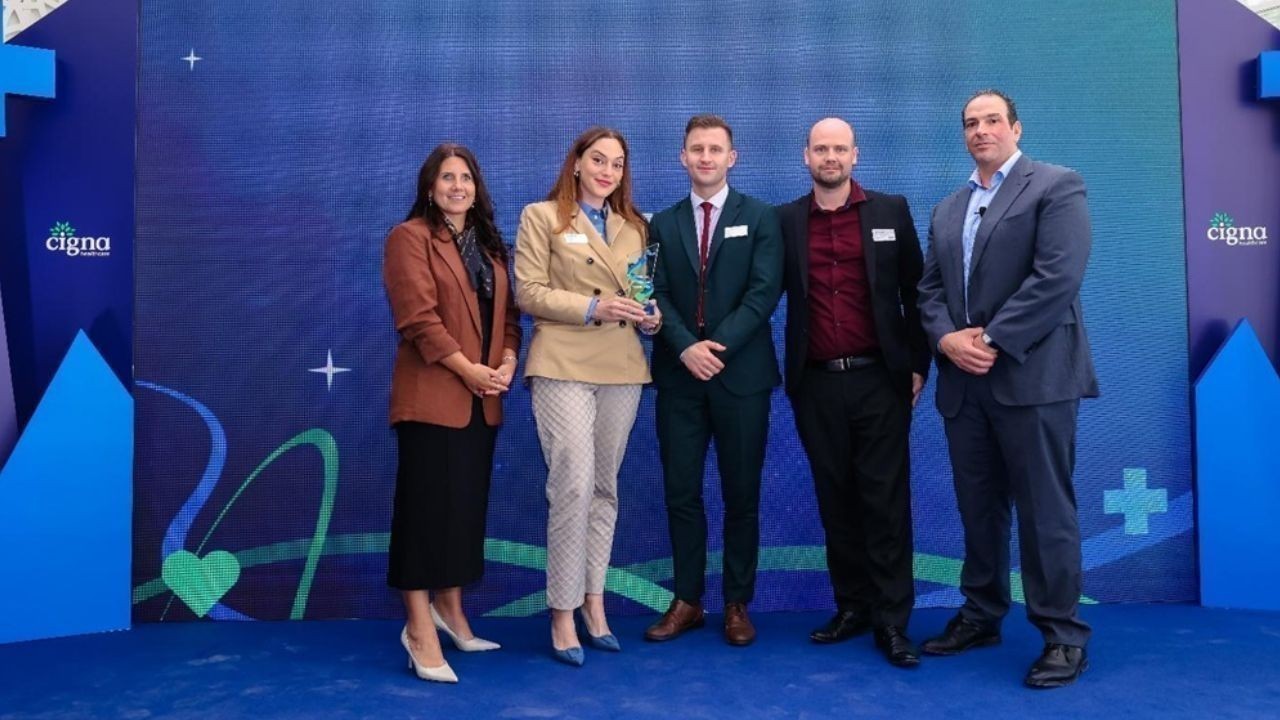
Pacific Prime secured Top Individual Broker and Top SME Broker awards at Cigna’s Annual Broker Award
QatarEnergy Halts LNG Output After Military Attack
QatarEnergy has stopped LNG production after military attacks hit its facilities in Ras Laffan and M
Strong 6.1 Magnitude Earthquake Hits West Sumatra, No Damage
A 6.1 earthquake struck off West Sumatra, Indonesia. No casualties, damage, or tsunami alert reporte
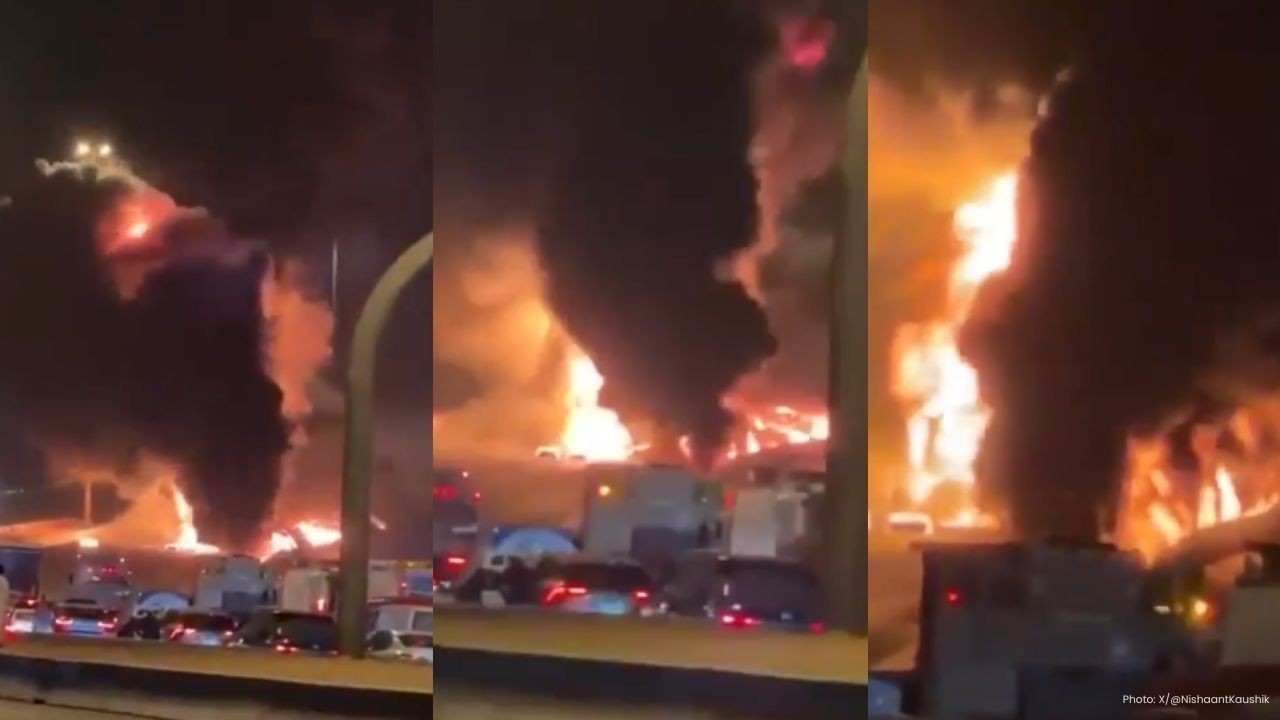
Saudi Confirms Drone Strike on US Embassy Riyadh
Two drones hit the US Embassy in Riyadh, causing a small fire and minor damage. No injuries were rep
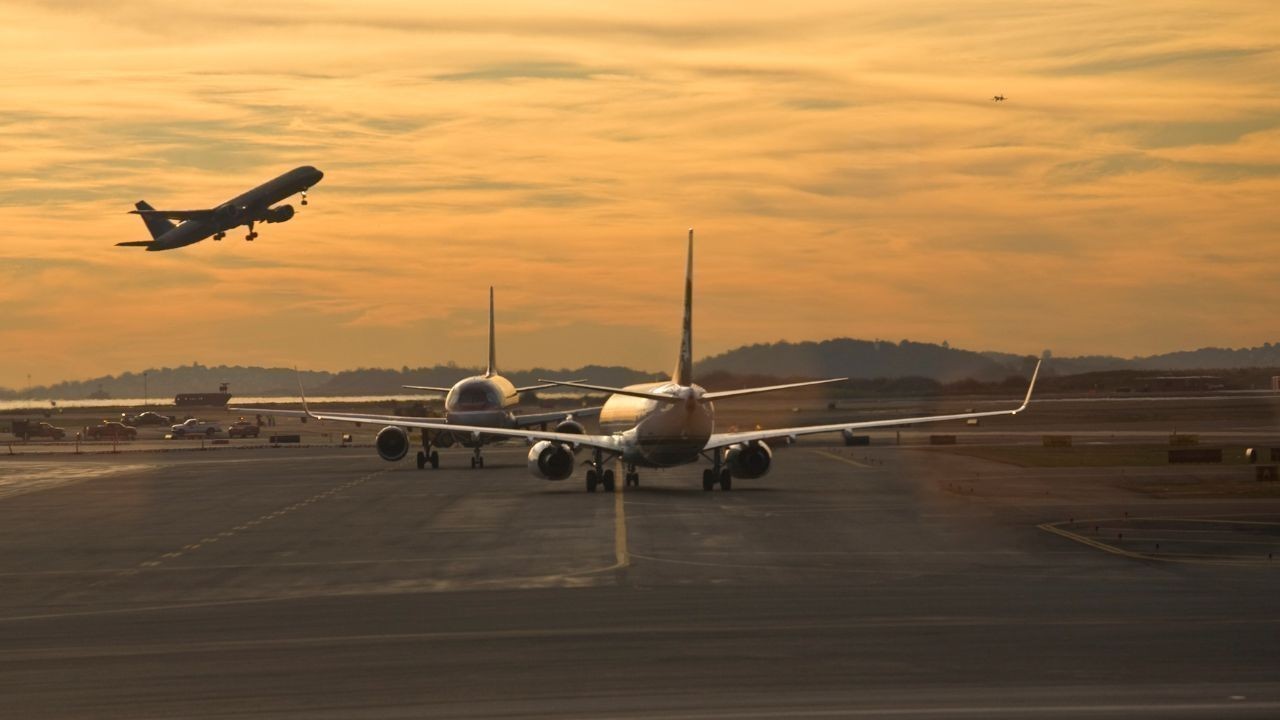
UAE Restarts Limited Flights as Regional Airspace Disruptions Continue
UAE restarts limited flights from Dubai as US-Israel attacks on Iran disrupt regional airspace, forc
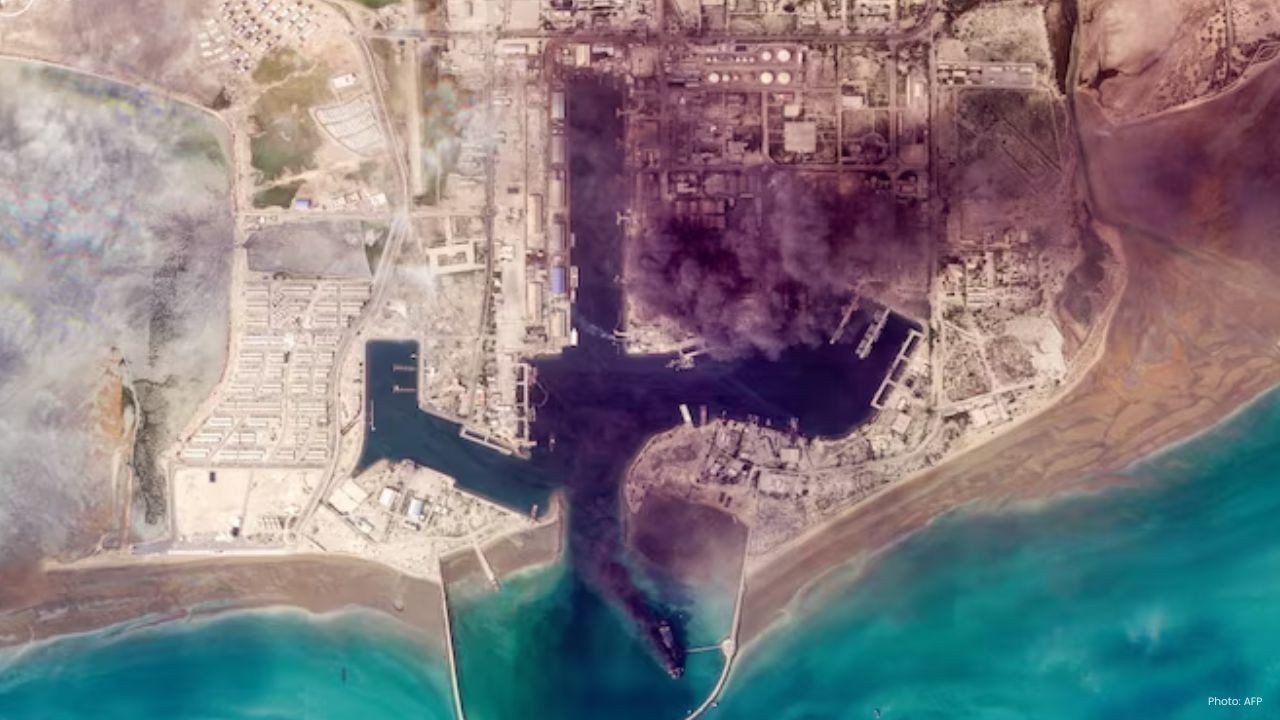
Asia Faces Energy Shock After Iran Closes Strait
Iran shuts Strait of Hormuz amid US-Israel strikes, sending oil prices higher and raising serious en

Bank of Baroda Faces Abu Dhabi Legal Battle over NMC Collapse
Bank of Baroda’s involvement in Abu Dhabi litigation tied to the NMC Healthcare collapse raises repu

Top Museum Openings of 2026 Set to Transform Global Tourism
From Los Angeles to Abu Dhabi and Brussels, 2026 brings major museum launches—Lucas Museum, Guggenhe
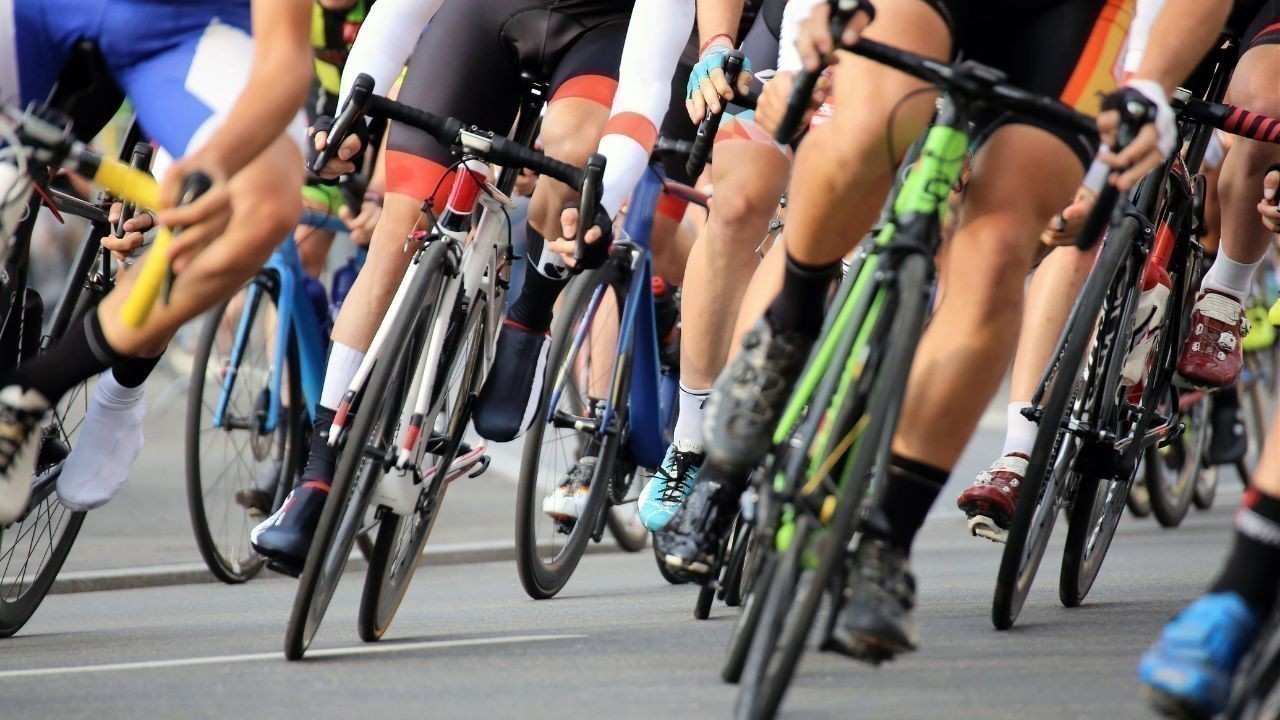
UAE Tour Highlights UAE’s Strength in Hosting Global Sports Events
Abu Dhabi Sports Council says the successful UAE Tour reflects the UAE’s leading role in hosting maj
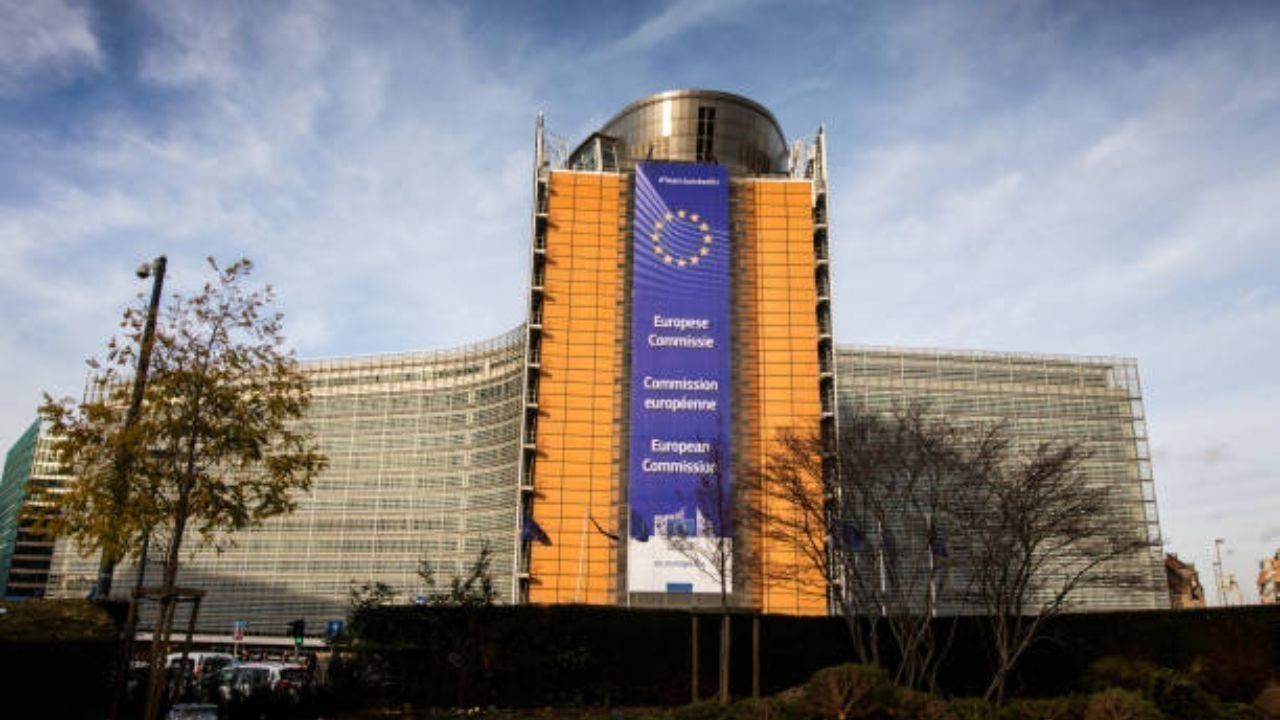
EU Seeks Clarity from US After Supreme Court IEEPA Ruling
European Commission urges full transparency from the US on steps after Supreme Court ruling, emphasi
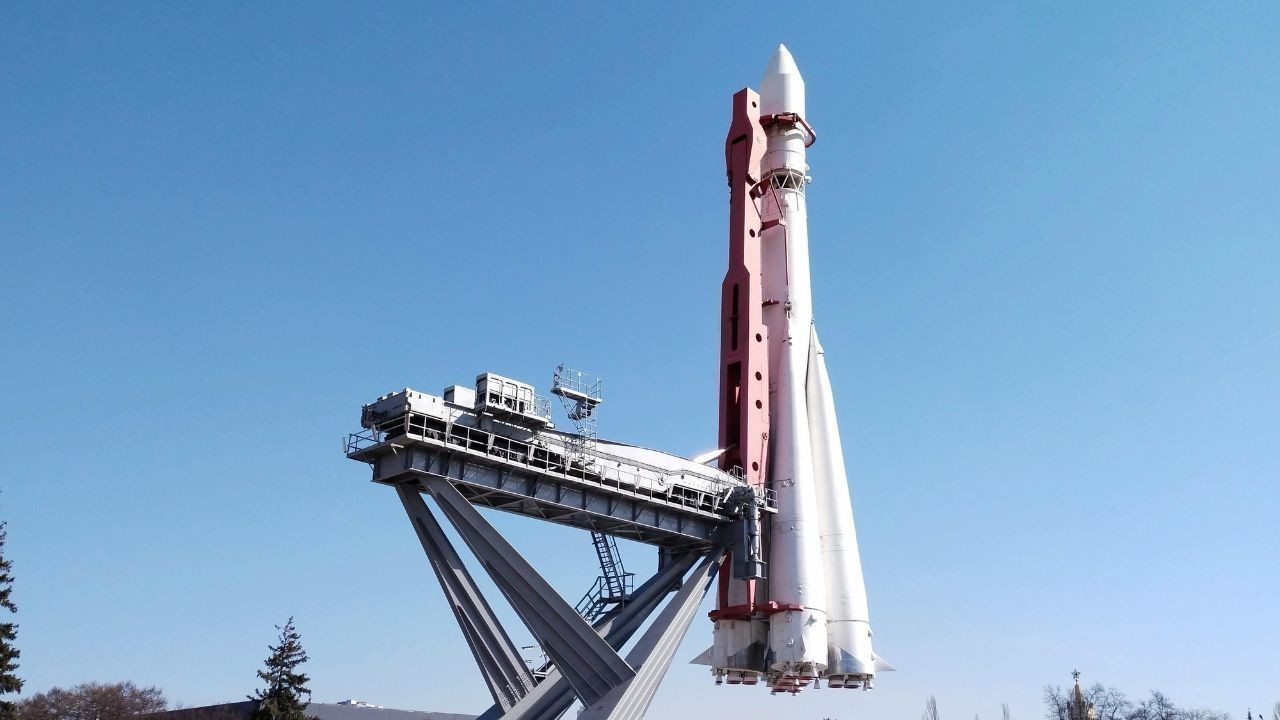
SpaceX Launches 53 New Satellites for Expanding Starlink Network
SpaceX launches 53 Starlink satellites in two Falcon 9 missions, breaking reuse records and expandin
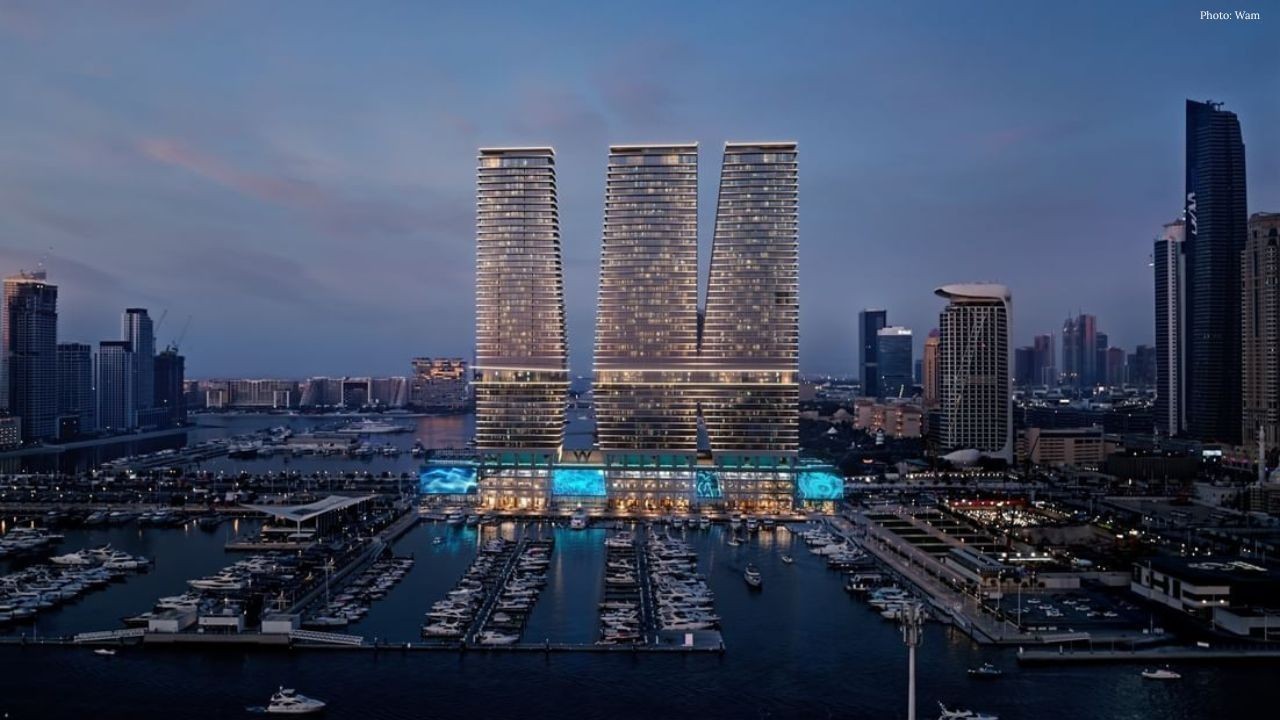
RTA Awards Contract for Phase II of Hessa Street Upgrade in Dubai
Phase II of Hessa Street Development to add bridges, tunnel, and upgraded intersections, doubling ca

UAE Gold Prices Today, Monday 16 February 2026: Dubai & Abu Dhabi Updated Rates
Gold prices in UAE on 16 Feb 2026 updated: 24K around AED 599.75/gm, 22K AED 555.25/gm, and 18K AED
Over 25 Ahmedabad Schools Receive Bomb Threat Email, Authorities Investigate
More than 25 schools in Ahmedabad evacuated after bomb threat emails mentioning Khalistan. Authoriti