Post by : Anis Karim
Coffee is no longer just the morning ritual or a straight espresso shot. In 2025, we are witnessing a refresh of how coffee is consumed: cafés and baristas are increasingly experimenting with new flavour pairings, creative combinations and unexpected matches. These go beyond the simple “which roast do you want” question to “what flavour pairing do you want with your brew?” or “what snack complements this bean profile?”
This shift is being driven by several factors — social‑media influence, consumer curiosity for novelty, the growth of specialty coffee, and a push toward making coffee more of a lifestyle experience than a functional drink. In this article we’ll explore what kinds of pairings are gaining traction, why baristas and cafés are embracing them, what consumers are responding to, how this plays out globally (and regionally in Asia/Middle East), and what content writers and food/dining journalists should watch out for.
Modern coffee drinkers, especially younger cohorts such as Gen Z and millennials, are less satisfied with standard offerings. They want something unique, visually appealing, Instagram‑worthy, and often flavour‑driven. Pairing a specific bean with a complementary pastry or adding a nutty flavour to a latte makes the experience distinct.
Research notes a growing trend of match‑ups: light fruity beans paired with delicate pastries, or spiced lattes with bakeries. This desire for novelty means cafés are responding by offering curated pairing menus.
As more consumers shift from generic coffee to specialty‑grade beans, they become more attuned to flavour profiles — acidity, sweetness, body, origin. This knowledge opens the door for baristas to say, “This bean from Ethiopia with citrus notes goes well with a lemon‑poppy muffin” rather than simply “Would you like single origin or blend?”
The elevated awareness allows pairings to make sense — enhancing the coffee flavour rather than masking it.
Part of this trend is aesthetic and experience‑driven. Coffee shops now compete not only on taste but on image and shareability. A pairing that comes beautifully plated, or a latte with a nut‑flavour twist, makes for a photo and a story. Behaviourally, social media amplifies experiments: a creative pistachio latte gets posted, gets likes, becomes a trend.
One recent trend notes that flavoured coffee using pistachio as the flavour base has taken off on platforms like TikTok and Instagram.
From the café operator’s perspective, unique pairings provide differentiation from the many competitors. They also often command higher price points or create add‑on opportunities (for example “choose your pastry to go with your pour‑over” or “pick a flavour‑infused milk for your latte”). That boosts ticket size. Also, pairing menus can encourage more dwell time or more loyalty.
In regions like Asia and the Middle East, the café scene is mature and fast‑evolving. Consumers in urban centres expect more than a standard cappuccino. They expect experiences. Pairing menus, single‑origin flights, and themed coffee‑snack combis are emerging. Also, plant‑milk alternatives, flavouring pastes or syrups with nuts, spices or local ingredients help localise the pairing trend.
In short: the pairing trend is fueled by consumer demand, specialty coffee growth, Instagram‑driven aesthetics and business logic. That’s why baristas are experimenting.
One of the most visible trends is flavoured milks or milk alternatives in coffees. For instance, pistachio‑based lattes, hazelnut‑infused oat milk, nut‑cream blends in espresso drinks. These flavourings go beyond syrup pumps and aim for deeper integration with the bean.
For example, in the UK market a leading plant‑based barista milk range introduced pistachio and hazelnut versions aimed at coffee shops seeking flavour expansion. This shows how flavouring + coffee pairing is becoming more deliberate.
Beyond the drink itself, pairing the coffee with food takes on more importance. For example:
A light, fruity bean (East Africa, floral) paired with a citrus‑toned pastry.
A heavy, chocolatey bean paired with a rich dessert or nut‑butter slice.
Pairing savoury bites like spiced buns with robust dark roasts.
Baristas and cafés are mapping flavour‑profiles and suggesting matchings — “We recommend this croissant with this filter coffee”. In Australia, cafés are already widely adopting such curated “coffee & food pairing” menus.
Cold coffee formats (cold brew, nitro, iced lattes) are especially key pairing canvases. Because cold coffee gives a smoother, less acidic base, it allows more creative pairings (e.g., with fruit syrups, adaptogen ingredients, plant milks with flavour). One analysis noted that iced custom‑drinks now dominate many café menus, with younger consumers gravitating toward them and expecting more personalised flavour.
Pairings here might include iced pistachio‑choc latte, berry‑infused cold brew, coffee with coconut‑milk and spice‑drizzle or coffee‑cocktail hybrid (non‑alcoholic coffee‑based).
Coffee is being positioned not just for caffeine and taste but for wellness and functional benefits. Pairings may involve adaptogenic mushrooms, MCT oil, plant‑based milk blends, or moderate‑sweet dessert pairings. The coffee itself may be paired with a snack that has functional ingredients (e.g., protein bar) or a flavour profile that emphasises health (e.g., nut butter on whole‑grain muffin with single origin pour‑over).
Flavour‑fusion pairings also appear: spice‑infused beans paired with dessert items or ingredients borrowed from other cuisines (cardamom, saffron, pistachio) interacting with coffee.
Some cafés offer regional or heritage‑driven pairings: for example, Indonesian beans paired with Indonesian sweet snack; or Middle Eastern coffee paired with date‑based dessert. In this way pairing becomes a cultural story rather than just flavour. This helps cafés connect with local consumers and provide narrative.
Baristas increasingly see their work as craft. Experimenting with pairings allows them to showcase expertise — bean selection, milk flavouring, food complement. It elevates their role from dispenser of coffee to curator of experience. The recent barista championships and industry forums emphasise brewing precision, bean stories, and taste profiling. This mindset naturally extends into pairing.
Coffee shops face intensified competition and rapid evolution. To stand out, menus need regular refresh. Pairings offer a route to innovation without needing new equipment or entirely new beverage categories — instead, pairing is a variant or extension of existing offers. It is a way for cafés to iterate, test, and keep drink/food menus dynamic.
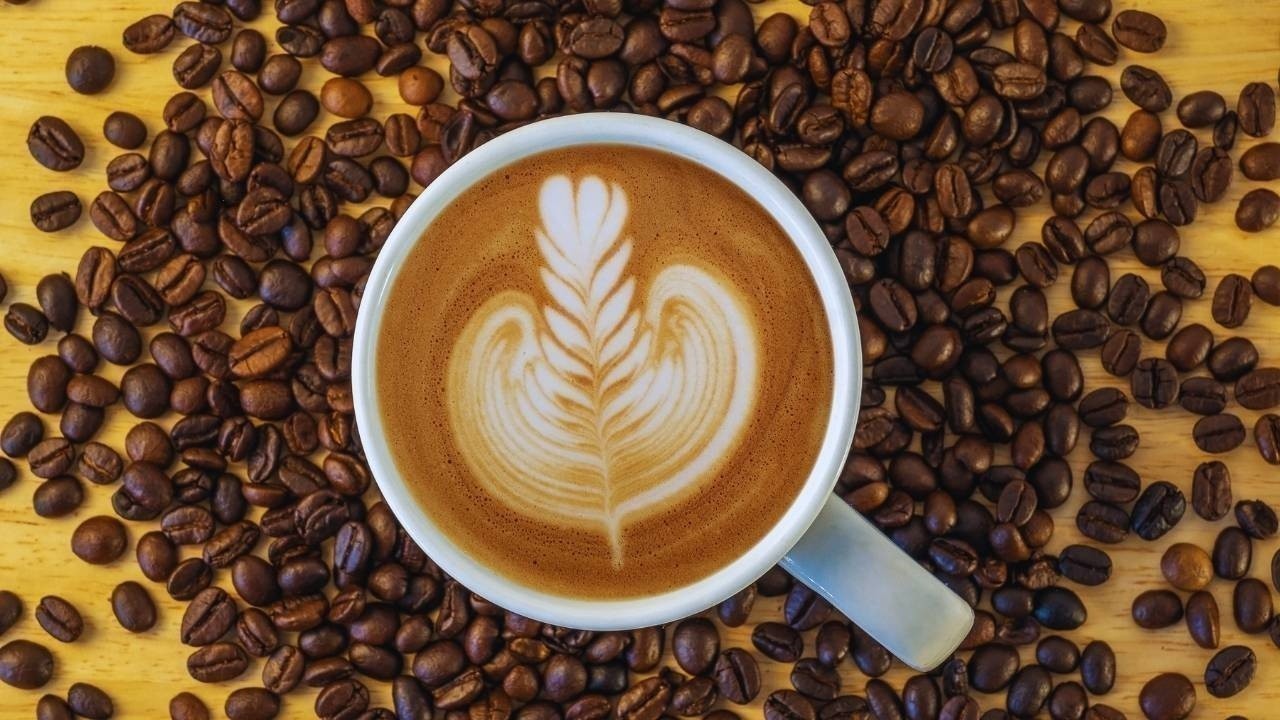
Every special pairing becomes content. A nut‑milk infused latte, beautifully served, garnished with pistachio crumbs — that becomes a photo. Baristas are aware that their creations must appeal visually and flavourfully. Experimentation with pairings thus supports both consumption and social sharing.
Pairing coffee with a suggested pastry or snack increases average order value. If a café suggests “This fruit‑forward pour‑over pairs with our lemon‑poppy muffin,” the consumer is guided to add the muffin. Businesses see value in suggestions and curated combos. Baristas who propose pairings help upsell smoothly.
Coffee‑drinkers today want more choice: plant‑milk alternatives, flavour variations, dietary preferences. Pairing menus allow adaptation (e.g., nut milk + pistachio + dessert for vegan customers) and therefore inclusivity. Experimentation becomes necessary to serve broader demand.
In major Asian cities, café culture is booming. Consumers expect both design and flavour novelty. Pairing coffee with local flavours (matcha pastries, jackfruit buns, soy‑milk espresso blends) is gaining popularity. Custom milks (oat, almond, macadamia) flavour‑infused are standard. Cold coffee formats remain strong.
For example, cafés in Asia are offering “coffee & snack sets” where the pairing is curated and priced. Such sets help consumers navigate menu choices and create shareable experiences.
In Gulf cities and upscale cafés, premium coffee experiences are now part of the lifestyle. Pairings may include luxury flavour infusions (e.g., pistachio, saffron) and premium snacks (date‑butter tart, cardamom bun) paired with single‑origin beans. Plant‑milk options, custom flavouring and cold formats are also prevalent. The pairing trend meshes well with brunch culture and social café outings in the region.
In both Asia and the Middle East, pairing menus are increasingly integrating local ingredients — nuts (pistachio, hazelnut), spices (cardamom, saffron), desserts (baklava, date‑cake) — and aligning them with bean flavour profiles. This fusion gives local café scenes unique identity and differentiation.
“How pistachio lattes went from Instagram to café menu worldwide”
“Bean & pastry pairing: the new menu strategy in specialty cafés”
“Cold coffee, customised milk and snack pairings: what younger consumers want”
“In the Middle East, coffee pairings are becoming luxury rituals”
“Baristas on the front‑line: how pairing creativity is reshaping café culture”
Potential keywords: “coffee pairing trend 2025”, “espresso + pastry pairing”, “pistachio coffee latte trend”, “café pairing menus Asia”, “barista food and coffee pairing”, “cold brew snack pairing”.
Themes: novelty, craft, flavour matching, café experience, regional flavour fusion, plant‑milk flavouring, cold coffee formats, speciality coffee.
Interviews or quotes from baristas about pairing strategy.
Case studies of cafés offering pairing menus (local/regional).
Recipes or DIY pairing suggestions (e.g., “try this nut‑milk + single origin pour‑over + almond biscotti”).
Consumer angle: why pairing matters to the coffee drinker (experience, value, novelty).
Business/operations angle: how cafés handle pairing menus — training, menu design, pricing, upselling.
Visuals: photos of paired items, latte art with flavour‐infusion, coffee + snack sets.
While pairing is exciting, there is a risk of masking the coffee flavour entirely. Specialty coffee drinkers expect flavour nuance — pairing that fights or hides bean character may undermine credibility. Baristas must balance flavour match with respect for the bean.
For example, a heavy dessert paired with a delicate light roast may overpower it.
Pairings often demand more inventory (snacks, flavour milks, infusions), additional prep and coordination (matching drinks to food). For busy cafés, this may complicate workflow. Barista workflow for cold/custom drinks is already under pressure, and pairing adds another layer.
As one industry article noted, iced and customised drinks have changed workflow significantly.
Pairing menus may require higher cost items (premium milk, nuts, flavour pastes). Ensuring margin and pricing strategy without alienating customers is key. Suggested pairings are effective but must be priced appropriately.
If a pairing is done as a “special”, it might excite customers once but may not sustain unless the offering remains consistent and quality controlled. Variation risks inconsistent experience.
What works in one region (nuts + latte) may not translate to another (taste for spice, stronger coffee tradition). Customising pairings to local taste culture is essential.
Looking ahead, the pairing trend is likely to deepen. Some expected evolutions:
Digital pairing menus: Apps that suggest coffee + snack based on your flavour preferences or bean origin.
Flavor‑profiling education for customers: Baristas educating customers about flavour matches (e.g., origin tasting + pairing).
Seasonal & local ingredient pairings: Using local seasonal produce (berries, nuts, spices) to craft limited‑time pairing sets.
Cold & functional pairings: Coffee paired with functional ingredients (adaptogens, plant‑milks, protein snacks) and served cold or iced.
Branded collaborations: Coffee shops partnering with local bakeries or snack brands to create signature pairings.
Experience extensions: Pairing being used in brunch menus, tasting flights, events — “coffee and dessert pairing night”, “bean tasting with small bites”.
The coffee pairing trend of 2025 marks a subtle but meaningful shift in café culture. Coffee is not just about the bean or the extraction method anymore — it’s about the total experience, the flavour match, the story. Baristas are embracing experimentation, cafés are designing pairing menus, consumers are responding to flavour‑driven options and regions like Asia and the Middle East are bringing local flavour into the mix.
For content writers and dining journalists, this is a rich terrain: look beyond the drink to the pairing, the context, the flavour match, the cultural twist. For cafés and brands, the message is clear: pairing enhances experience, drives revenue and differentiates you in a crowded market — but it must be done with care and craftsmanship.
Ultimately, the pairing trend elevates coffee from routine to ritual, from caffeine fix to curated flavour journey. This week’s caffeine headline isn’t just “what kind of coffee” — it’s “what kind of pairing will you try?”
This article is for editorial and informational purposes only. It explores trend insights in coffee pairing and café culture and does not constitute business or investment advice.

GOP Leaders Unveil Plan to End DHS Partial Shutdown
House and Senate GOP leaders propose a two-track plan to fund DHS, aiming to end the record-long shu

Northern California Shaken by Early Morning 4.6 Earthquake
A 4.6 magnitude earthquake struck near Boulder Creek, CA, early Thursday, shaking homes across a 100

Hillhouse Opens Abu Dhabi Office, Strengthens UAE Presence
Hillhouse Investment opens ADGM office with Category 3C license, boosting UAE and GCC investment act

Dubai, China Strengthen Trade & Investment Cooperation
Dubai Chambers meets CCPIT Beijing to enhance trade, investment, and cooperation in digital economy,

Indonesia Earthquake Today: 7.4 Magnitude Quake Triggers Tsunami Warning
A 7.4 magnitude earthquake hits Indonesia, prompting tsunami warnings and emergency evacuations. Get
Malaysia’s Economy Remains Steady Amid Global Tensions
Despite geopolitical risks, Bank Negara highlights Malaysia's strong economic fundamentals and endur

Abu Dhabi Fund Drives Global Development & UAE Export Growth
ADFD’s 2025 report highlights AED 250B financing, global projects, and UAE export support, strengthe


NASA Launches Artemis II Crew for 10-Day Lunar Mission
NASA launches Artemis II with four astronauts for a 10-day Moon mission, marking the first crewed lu

Dubai RTA, Ministry Partner for Family First Programme
Dubai RTA and Ministry of Family partner to enhance transport, urban spaces, and services under Fami

Bank of Baroda Faces Abu Dhabi Legal Battle over NMC Collapse
Bank of Baroda’s involvement in Abu Dhabi litigation tied to the NMC Healthcare collapse raises repu

Top Museum Openings of 2026 Set to Transform Global Tourism
From Los Angeles to Abu Dhabi and Brussels, 2026 brings major museum launches—Lucas Museum, Guggenhe

UAE Tour Highlights UAE’s Strength in Hosting Global Sports Events
Abu Dhabi Sports Council says the successful UAE Tour reflects the UAE’s leading role in hosting maj

EU Seeks Clarity from US After Supreme Court IEEPA Ruling
European Commission urges full transparency from the US on steps after Supreme Court ruling, emphasi

SpaceX Launches 53 New Satellites for Expanding Starlink Network
SpaceX launches 53 Starlink satellites in two Falcon 9 missions, breaking reuse records and expandin

RTA Awards Contract for Phase II of Hessa Street Upgrade in Dubai
Phase II of Hessa Street Development to add bridges, tunnel, and upgraded intersections, doubling ca