Post by : Anis Karim
Women’s health has always been a sensitive and complex subject, shaped by lived experiences, cultural norms, scientific research, and media narratives. But in recent days, debates surrounding women’s health have surged again—triggered by a series of viral comments from public figures, influencers, and commentators. These remarks sparked intense discussions online and across news platforms, with opinions spreading faster than verified information.
As people react, repost, debate, and echo these statements, the distinction between credible guidance and personal viewpoint often becomes blurred. This confusion doesn’t just affect online disagreement; it shapes how women perceive their bodies, their medical choices, and their overall relationship with healthcare systems. The situation highlights a pressing need for clarity, responsible communication, and awareness.
This article examines why these debates resurfaced so strongly, how viral opinions amplify misinformation, what consequences women face when facts get buried under sensationalism, and how audiences can evaluate information more responsibly. It also highlights the role of healthcare professionals, policymakers, and the media in ensuring that women receive accurate, evidence-backed information.
The sudden rise in conversation this week was triggered by a set of viral statements that made bold claims about menstrual cycles, fertility, hormonal health, mental well-being, and lifestyle habits. These comments—though emotionally compelling—lacked rigorous evidence. Yet their dramatic tone and shareability meant they travelled through social media rapidly, encouraging widespread engagement.
Women’s health has become an increasingly prominent topic due to changing lifestyles, higher awareness around reproductive rights, workplace exhaustion, and greater acknowledgment of mental health. Any provocative statement in this space easily catches attention because it touches real experiences.
Younger audiences, already vocal about bodily autonomy and healthcare disparities, tend to challenge outdated or inaccurate views more openly. Older audiences may relate to traditional or personal perspectives. The clash between these demographics creates strong opposing views—making women’s health an easy trigger for heated exchanges.
Celebrities, influencers, and commentators often share health opinions wrapped in motivational advice or personal stories. When their statements go viral, they can overshadow scientific guidance, even when unintended. This week’s debates grew because the opinions came from high-visibility figures whose comments were taken as fact by large segments of their audience.
Many viral comments relied on personal experiences. While these stories can be powerful and relatable, they often get misinterpreted as objective fact. Women’s bodies differ widely; what works for one person may not apply to another. Yet social media tends to reward confident, absolute statements over nuanced or contextual explanations.
Hormonal health, fertility, reproductive health conditions, pregnancy, PCOS, endometriosis, and mental health are intricate areas requiring specialised understanding. Viral posts often reduce these to overly simple narratives—leading people to view complex conditions through the wrong lens.
Media platforms thrive on engagement. Bold opinions, controversial statements, and emotionally charged claims attract more attention than calm, evidence-based guidance. This dynamic pushes sensational narratives to the forefront, burying scientific accuracy.
Many high-performing posts appear without medical backing or expert commentary. As a result, they shape discussions in ways that lack grounding in research or clinical understanding. When experts do attempt to enter the conversation, their nuanced explanations often struggle to compete with louder, more dramatic narratives.
One of the major themes involved misleading claims about menstrual cycles, nutrition, and lifestyle factors that supposedly “fix” hormonal balance instantly. In reality, menstrual health varies significantly across women and is influenced by genetics, stress, diet, existing conditions, and broader environmental factors.
Statements implying that fertility can be controlled or reversed through quick lifestyle changes created anxiety among women in their 20s and 30s. Fertility is shaped by biological age, ovarian reserve, health conditions, and many other variables—none of which can be reduced to one-size-fits-all advice.
Some viral commentary suggested that women’s emotional cycles are predictable and easily “controlled,” undermining the seriousness of mental health conditions like anxiety, depression, and PMDD. This contributes to harmful stereotypes and creates pressure to “perform emotional stability” instead of seeking support.
Statements about sleep patterns, food combinations, or workout routines promising guaranteed results mislead audiences. Lifestyle choices matter, but they do not replace medical evaluation—especially when hormones, reproductive health, or chronic conditions are involved.
Social platforms encourage rapid reactions. A single comment can reach millions within hours. Because reactions outrun fact-checking, misinformation becomes widespread before anyone intervenes.
Platforms prioritise posts that evoke strong feelings—anger, shock, motivation, or fear. Women’s health topics naturally evoke emotion, making them particularly vulnerable to algorithmic amplification.
Users often follow influencers or viewpoints that reflect their own beliefs. This creates echo chambers where misinformation gets reinforced rather than challenged.
Even well-intentioned influencers feel compelled to provide quick guidance to maintain relevance. This leads to oversimplified, sometimes inaccurate statements that carry unintended consequences.
Inconsistent or exaggerated health claims can create unnecessary panic. Many women end up doubting their bodies, worrying about normal symptoms, or fearing conditions they may not have.
When people believe viral advice, they may postpone seeing a doctor. This can worsen underlying health issues, especially in conditions like PCOS, endometriosis, thyroid disorders, or hormonal imbalances.
Misleading narratives can shame women for natural symptoms such as bloating, mood swings, period irregularities, or hair changes. This fuels unrealistic expectations and silence around genuine health struggles.
Women may compare themselves to influencers who present idealised versions of health, leading to insecurity and self-blame rather than informed understanding.
Whenever a health claim goes viral, it’s important to check whether medical organisations, research bodies, or practising professionals support it.
Health advice is rarely universal. If a claim sounds too perfect or too dramatic, it likely lacks context.
This simple question can instantly reveal how seriously a statement should be taken.
Following only influencers or viral pages creates a skewed understanding. A balanced mix of medical experts, researchers, and certified practitioners helps maintain objectivity.
Understanding that platforms reward emotional content helps users interpret viral posts with more awareness.
Media outlets must ensure that medical experts, not influencers, lead the conversation on health matters.
Women’s health deserves empathy and accuracy—not dramatic headlines that distort the truth.
Women’s bodies are not uniform. Media should portray a broader spectrum of conditions, backgrounds, ages, and experiences.
Debates often turn heated because opposing viewpoints are framed as dramatic clashes. Journalism that emphasises explanation rather than confrontation provides clearer information.
Workshops, digital awareness drives, and local health initiatives can help women understand their bodies outside of sensational media influence.
More women would seek medical attention if information was simple, accurate, and stigma-free.
Correct information must reach not only urban, internet-savvy women but also women in rural and underserved communities.
Stories matter—but they must not overshadow science. Platforms should allow both to coexist in a balanced manner.
This week’s surge in women’s health debates demonstrates how deeply people care about the subject—but also how easily misinformation can overshadow reality when opinions go viral. Women deserve clarity, empathy, and evidence-backed guidance—not pressure, confusion, or dramatic generalisations.
Separating fact from opinion is more than a media skill—it is a public health necessity. As conversations continue to evolve, the responsibility lies with all of us: the media, experts, influencers, and audiences alike. When discussions about women’s health are rooted in accurate knowledge and respectful dialogue, they empower rather than mislead. And in a world where information travels in seconds, that empowerment is more essential than ever.
This article is for informational and editorial purposes only. It does not replace medical advice. Readers should always consult qualified healthcare professionals for health-related decisions.
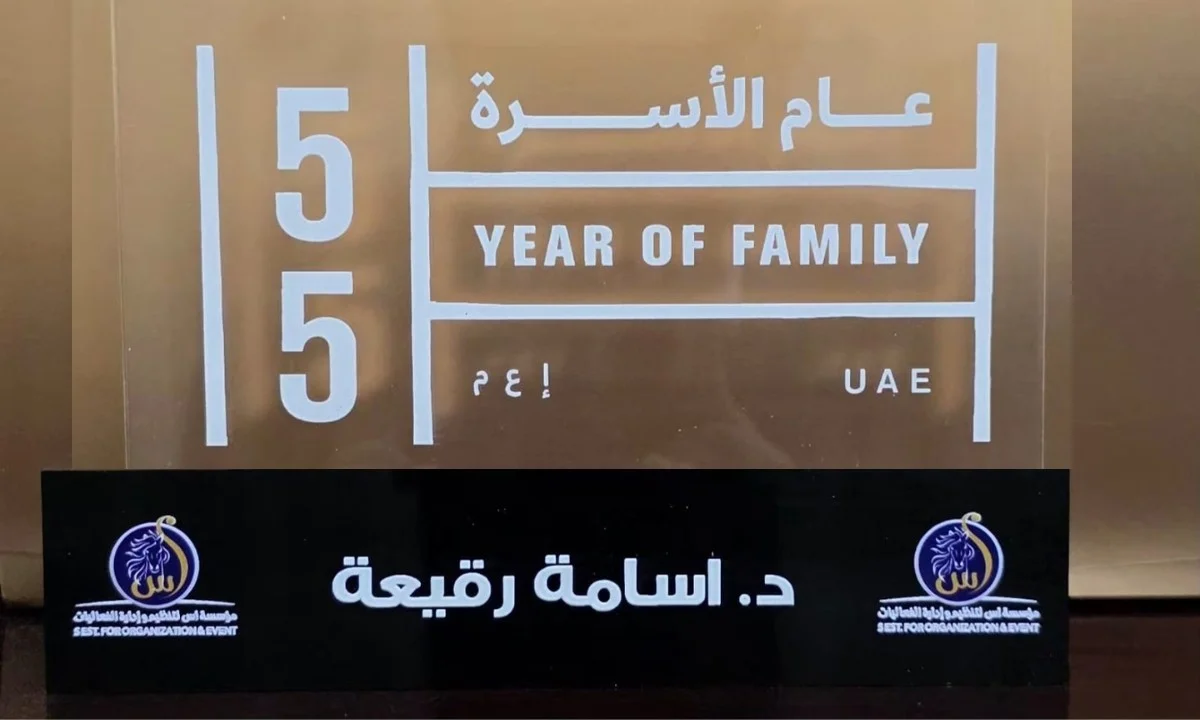
Family Wins “Family of the Year 2026” at Noor Al Quran Event in Ras Al Khaimah
A family honored at the Noor Al Quran initiative in Ras Al Khaimah for Quran memorization and strong

US Approves $16.5B Arms Deal Amid Iran War Escalation
US approves $16.5B arms sale to Gulf allies and $7B to UAE, boosting defence amid Iran tensions whil

UAE Busts Hezbollah-Iran Terror Network, Members Held
UAE authorities have broken a terror network linked to Hezbollah and Iran, arresting members accused
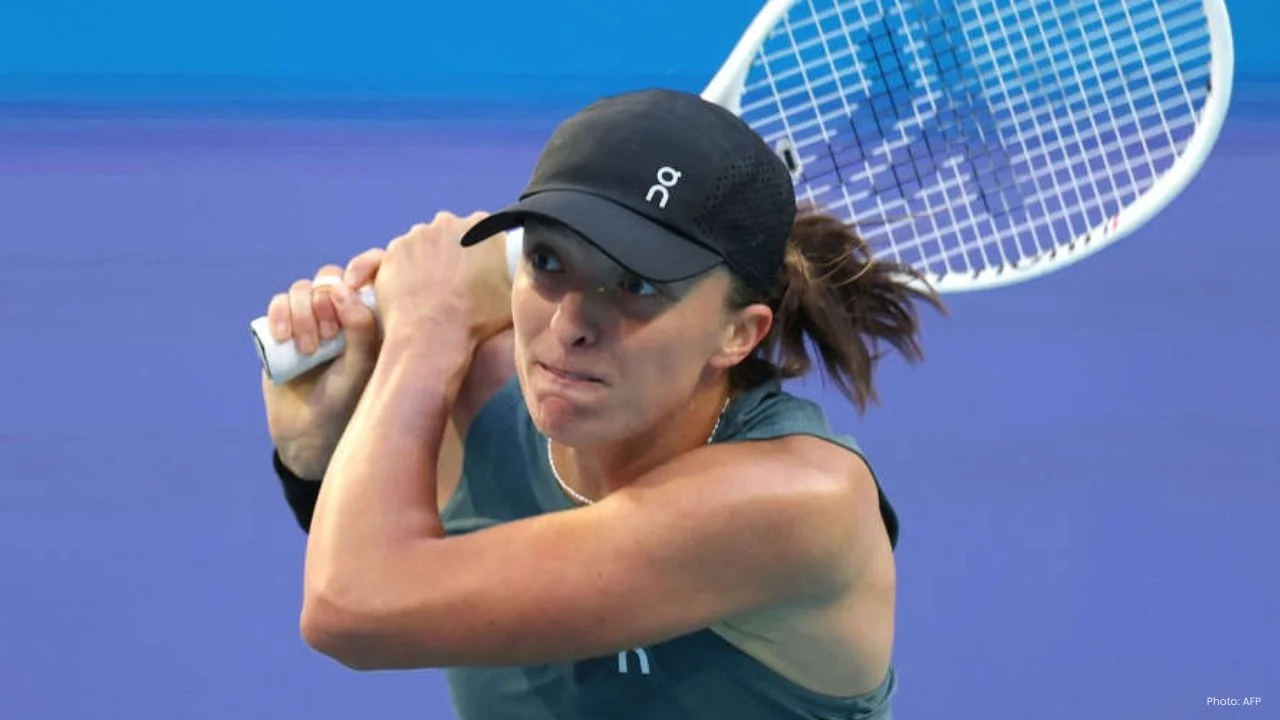
Swiatek Stunned by Linette in Miami Open Upset Shock
Iga Swiatek suffered a shocking defeat to Magda Linette at the Miami Open, marking her first opening

UAE Orphan Fund Raises AED 3.3 Billion in Ramadan Drive
UAE’s Mother of the Nation Orphan Fund raises AED 3.3B in Ramadan, boosting support for education, h

Ramadan in the UAE: Reflections on Humanity, Leadership, and Lasting Values
A heartfelt Ramadan reflection by Osama Regaah on UAE’s spirit of humility, unity, and leadership, a

Dhurandhar 2 Opens Big, Crosses ₹100 Cr on Day 1
Ranveer Singh starrer Dhurandhar 2 earns ₹102 Cr on day one despite delays, beating past Bollywood o


Bank of Baroda Faces Abu Dhabi Legal Battle over NMC Collapse
Bank of Baroda’s involvement in Abu Dhabi litigation tied to the NMC Healthcare collapse raises repu

Top Museum Openings of 2026 Set to Transform Global Tourism
From Los Angeles to Abu Dhabi and Brussels, 2026 brings major museum launches—Lucas Museum, Guggenhe

UAE Tour Highlights UAE’s Strength in Hosting Global Sports Events
Abu Dhabi Sports Council says the successful UAE Tour reflects the UAE’s leading role in hosting maj
EU Seeks Clarity from US After Supreme Court IEEPA Ruling
European Commission urges full transparency from the US on steps after Supreme Court ruling, emphasi

SpaceX Launches 53 New Satellites for Expanding Starlink Network
SpaceX launches 53 Starlink satellites in two Falcon 9 missions, breaking reuse records and expandin

RTA Awards Contract for Phase II of Hessa Street Upgrade in Dubai
Phase II of Hessa Street Development to add bridges, tunnel, and upgraded intersections, doubling ca

UAE Gold Prices Today, Monday 16 February 2026: Dubai & Abu Dhabi Updated Rates
Gold prices in UAE on 16 Feb 2026 updated: 24K around AED 599.75/gm, 22K AED 555.25/gm, and 18K AED

Over 25 Ahmedabad Schools Receive Bomb Threat Email, Authorities Investigate
More than 25 schools in Ahmedabad evacuated after bomb threat emails mentioning Khalistan. Authoriti