Post by : Anis Karim
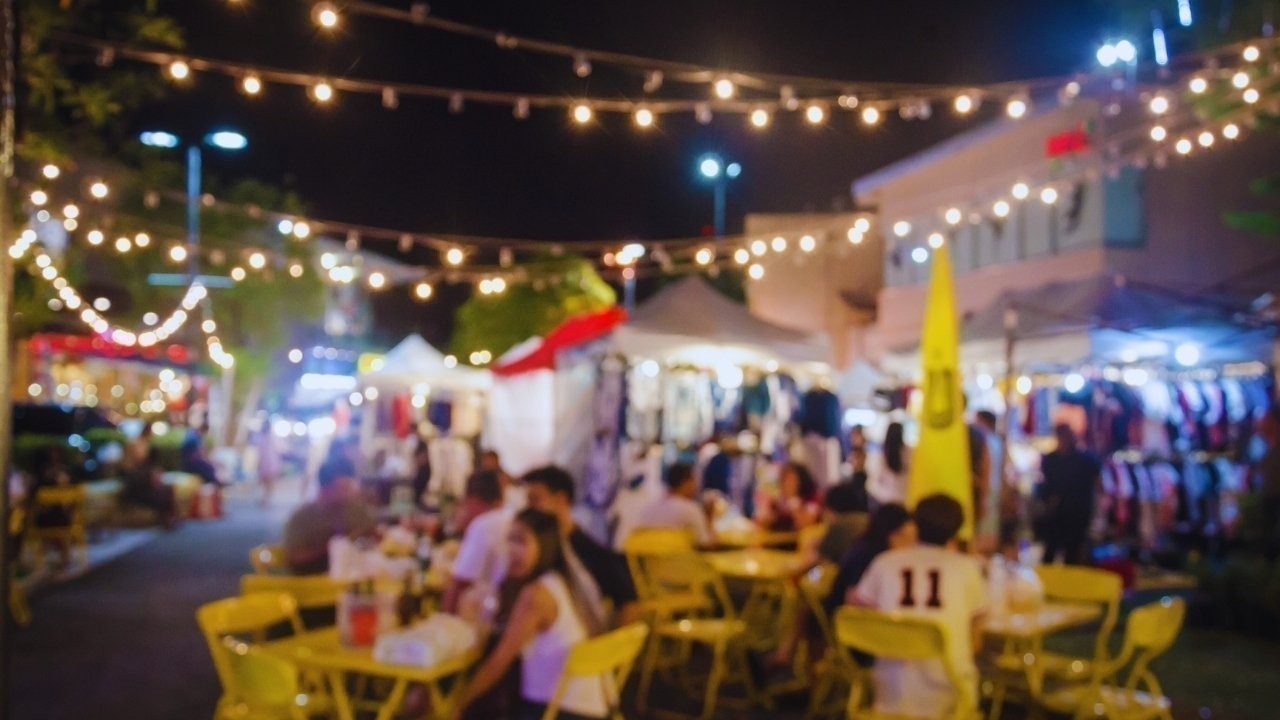
Across major cities, towns and cultural hubs, this season’s food festivals are showcasing regional heritage menus with impressive intentionality. What once felt like niche programming is now at the centre of these events: heirloom grains, hyperlocal spices, traditional thalis, farmhouse-style cooking, forgotten stews, slow-cooked broths, coastal classics and tribal cuisine have moved to the spotlight. Festival organisers, chefs and food enthusiasts are treating heritage menus not as nostalgia pieces, but as living, evolving cultural assets.
The shift is being felt at almost every recent food festival. Whether it’s a winter carnival featuring local breads and pickles, a coastal festival highlighting ancient seafood traditions, or a millet-focused lineup celebrating indigenous crops, the message is clear: food festivals are becoming cultural festivals. Diners are responding enthusiastically because these events offer more than taste—they offer identity.
With global cuisines, fusion menus and social media trends dominating food culture for years, the pendulum is swinging back to authenticity. Heritage cooking isn’t just comforting; it answers deeper desires for roots, meaning and connection.
Food doesn’t exist in isolation—it reflects society’s mood. This season’s embrace of regional heritage menus is shaped by several cultural currents gaining strength across the country and globally.
People are increasingly suspicious of overly-polished, overly-engineered cuisine. They want food that tells a real story—one tied to community, family and land. Heritage menus feel grounded, honest and rooted in memory.
Younger generations are exploring cultural identity more consciously than before. Regional food becomes a bridge between modern lifestyles and ancestral memory. Festivals tap into this identity quest.
After years of instant meals, mass production and repetitive global flavours, diners are seeking depth. Heritage recipes provide flavour layers built over hours, sometimes even days.
Platforms celebrate cultural storytelling through food. Short videos of ancient Indian recipes, slow cooking traditions or regional preparation techniques are going viral, creating demand for authenticity at festivals.
These cultural shifts open the perfect environment for festivals centred around regional heritage cuisine.
One of the strongest reasons behind the shift is the renewed focus on local and seasonal ingredients. Food festivals are increasingly highlighting:
Indigenous millets
Region-specific lentils
Seasonal vegetables
Local cheeses
Village-style pickles and ferments
Heritage rice varieties
Coastal and inland freshwater seafood
Traditional fats like ghee, mustard oil or sesame oil
Diners today care where their food comes from. They want to understand the journey—from soil to plate. Local ingredients provide stronger flavours, cleaner nutrition profiles and meaningful stories. Festivals that tap into this sentiment enjoy increased engagement.
Behind the scenes, organisers have several practical and creative reasons for leaning into heritage food trends.
A festival that features local cuisines stands out from generic food carnivals. It creates a unique brand identity rooted in culture, not just commerce.
Heritage dishes instantly evoke memory. People taste childhood, family gatherings, regional pride, and stories passed through generations.
Heritage menus require authentic expertise, leading festivals to collaborate with home cooks, farmer groups, tribal communities, and small-scale producers. This makes festivals more inclusive.
Local sourcing reduces transport costs and spoilage. Seasonal produce is cheaper and fresher. This makes heritage menus operationally smart.
Festivals benefit from being perceived as environmentally conscious. Regional ingredients naturally align with sustainability narratives.
Organisers understand that heritage menus aren’t just flavourful—they’re strategic.
Heritage does not mean rigid replication. This season, chefs are reworking age-old recipes through modern techniques while preserving the soul.
Millet dosa with artisanal chutneys
Fermented rice bowls inspired by tribal cuisine
Reimagined thalis with curated tasting portions
Slow-roasted meats using village marinades
Foxtail millet kheer with seasonal fruits
Wood-fired breads inspired by rural kitchens
Chefs are striking a balance:
Traditional preparation + Modern plating + Contemporary context
This allows younger diners to enjoy heritage flavours without feeling overwhelmed.
One of the most heartwarming aspects of this season’s food festivals is the presence of community cooks, grandmothers, homemakers, indigenous groups and local artisans running stalls. Their dishes carry emotional authenticity—passed orally from one generation to another.
Community-led stalls offer something restaurant chefs often cannot:
Home-style taste
Stories behind recipes
Regional variations
Rare dishes not found on restaurant menus
Cultural anecdotes
This new inclusion of everyday cooks elevates heritage food festivals into cultural movements.
Nostalgia plays a major role in why diners gravitate to heritage-inspired menus. Festivals tap into warm, comforting memories—often tied to childhood, festivals, holidays and rural visits.
This nostalgia-powered attraction manifests in trends like:
Traditional sweets served in clay cups
Wood-fired breads
Old-school halwas, laddoos, sheeras
Pickles made in sun-dried batches
Village-style fish curries
Tawa snacks reminiscent of home kitchens
Even younger visitors who never directly experienced these dishes still engage with nostalgia through collective memory and cultural storytelling.
More people are travelling for food than ever. Culinary tourism has exploded, with visitors seeking authentic regional cuisines over mainstream restaurants. Festivals are capitalising on this momentum.
Regional pride plays a strong role too. Communities want to preserve, share and celebrate the flavours that define them. Showcasing heritage menus becomes a cultural responsibility.
Food festivals step in as platforms that bring these flavours to a wider audience, allowing both residents and tourists to explore the rich variety of regional culinary traditions.
This season, one of the most exciting festival themes revolves around forgotten or nearly-lost culinary techniques:
Stone-grinding
Sun-fermentation
Clay-pot slow cooking
Palm jaggery caramelisation
Leaf-wrapping and steaming
Cold-pressed oils
Multi-hour broths
Forgotten grains—like ragi, kodo millet, barnyard millet, and heritage rice—are making dramatic comebacks too. Festivals become educational spaces where people rediscover ancient ways of cooking.
The revival is not just flavourful—it is symbolic. It protects culinary heritage from fading and brings recognition to rural traditions.
Interestingly, the younger crowd is at the front of the heritage wave. Festival organisers note that visitors in their 20s and 30s are the most eager to explore regional stalls.
Why?
They want to understand where their families come from, what their ancestors ate, and how regional identities evolved.
Heritage food often uses fewer processed ingredients and more slow-cooked, nutrient-rich elements.
Clay pots, colourful thalis, traditional plating and rustic textures create visually rich content.
Younger diners value sustainability and support for local communities.
The ironic truth is that the demographic least exposed to traditional cooking at home is driving its revival.
Food festivals are not just entertainment—they’re economic forces. Heritage menus support:
Small farmers
Local spice growers
Indigenous ingredient producers
Traditional cooks
Regional craft-makers (pottery, cutlery, textiles)
The entire economic ecosystem thrives. When festivals highlight heritage menus, they funnel money back into communities that need it most. This economic inclusion gives heritage food more than cultural value—it gives it livelihood value.
Festival design this season emphasises earthy minimalism:
Clay and bamboo serving plates
Woven baskets
Iron skillets
Hand-painted signage
Traditional fabrics as décor
Regional music playing in the background
These sensory cues set the stage for a fully immersive heritage dining experience. Food doesn’t exist alone—it is presented within a cultural frame.
The rising prominence of regional heritage menus at food festivals points toward long-term cultural change:
People recognise India—or any diverse nation—as a mosaic of cuisines, not a monolithic menu.
Diners know more about ingredients, origins, and techniques.
Local flavours and traditions take priority.
Producers gain visibility and direct appreciation.
Festivals attract home cooks, small vendors, and traditional artisans.
Dishes, grains, and techniques that risked fading are finding renewed life.
This season’s food festivals reveal a powerful transformation: contemporary dining culture is rediscovering its roots. Regional heritage menus are not mere trends—they are reminders of who we are, where we come from, and how food shapes identity. They carry emotion, memory and craftsmanship passed down through generations.
By celebrating heritage menus, food festivals are not looking backward—they are moving forward with deeper purpose, authenticity and cultural richness. The future of dining is not about abandoning tradition for novelty; it’s about letting tradition inspire the future.
As diners explore heritage-inspired dishes, they don’t just taste flavours—they taste stories.
This article is for editorial and informational purposes. Culinary traditions vary across regions, and festival offerings may differ based on location and availability. Readers should consider local guidelines, ingredients and personal dietary needs when recreating dishes at home.
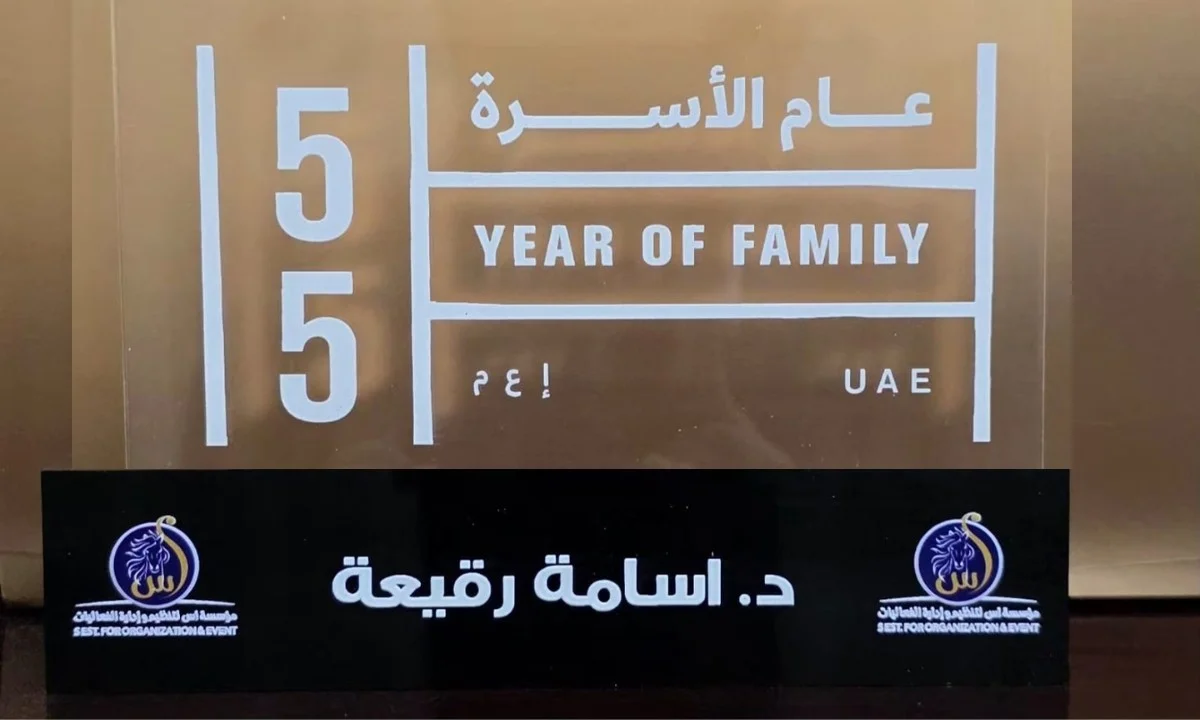
Family Wins “Family of the Year 2026” at Noor Al Quran Event in Ras Al Khaimah
A family honored at the Noor Al Quran initiative in Ras Al Khaimah for Quran memorization and strong

US Approves $16.5B Arms Deal Amid Iran War Escalation
US approves $16.5B arms sale to Gulf allies and $7B to UAE, boosting defence amid Iran tensions whil

UAE Busts Hezbollah-Iran Terror Network, Members Held
UAE authorities have broken a terror network linked to Hezbollah and Iran, arresting members accused

Swiatek Stunned by Linette in Miami Open Upset Shock
Iga Swiatek suffered a shocking defeat to Magda Linette at the Miami Open, marking her first opening

UAE Orphan Fund Raises AED 3.3 Billion in Ramadan Drive
UAE’s Mother of the Nation Orphan Fund raises AED 3.3B in Ramadan, boosting support for education, h

Ramadan in the UAE: Reflections on Humanity, Leadership, and Lasting Values
A heartfelt Ramadan reflection by Osama Regaah on UAE’s spirit of humility, unity, and leadership, a

Dhurandhar 2 Opens Big, Crosses ₹100 Cr on Day 1
Ranveer Singh starrer Dhurandhar 2 earns ₹102 Cr on day one despite delays, beating past Bollywood o


Bank of Baroda Faces Abu Dhabi Legal Battle over NMC Collapse
Bank of Baroda’s involvement in Abu Dhabi litigation tied to the NMC Healthcare collapse raises repu
Top Museum Openings of 2026 Set to Transform Global Tourism
From Los Angeles to Abu Dhabi and Brussels, 2026 brings major museum launches—Lucas Museum, Guggenhe

UAE Tour Highlights UAE’s Strength in Hosting Global Sports Events
Abu Dhabi Sports Council says the successful UAE Tour reflects the UAE’s leading role in hosting maj

EU Seeks Clarity from US After Supreme Court IEEPA Ruling
European Commission urges full transparency from the US on steps after Supreme Court ruling, emphasi

SpaceX Launches 53 New Satellites for Expanding Starlink Network
SpaceX launches 53 Starlink satellites in two Falcon 9 missions, breaking reuse records and expandin

RTA Awards Contract for Phase II of Hessa Street Upgrade in Dubai
Phase II of Hessa Street Development to add bridges, tunnel, and upgraded intersections, doubling ca

UAE Gold Prices Today, Monday 16 February 2026: Dubai & Abu Dhabi Updated Rates
Gold prices in UAE on 16 Feb 2026 updated: 24K around AED 599.75/gm, 22K AED 555.25/gm, and 18K AED

Over 25 Ahmedabad Schools Receive Bomb Threat Email, Authorities Investigate
More than 25 schools in Ahmedabad evacuated after bomb threat emails mentioning Khalistan. Authoriti