Post by : Anis Karim
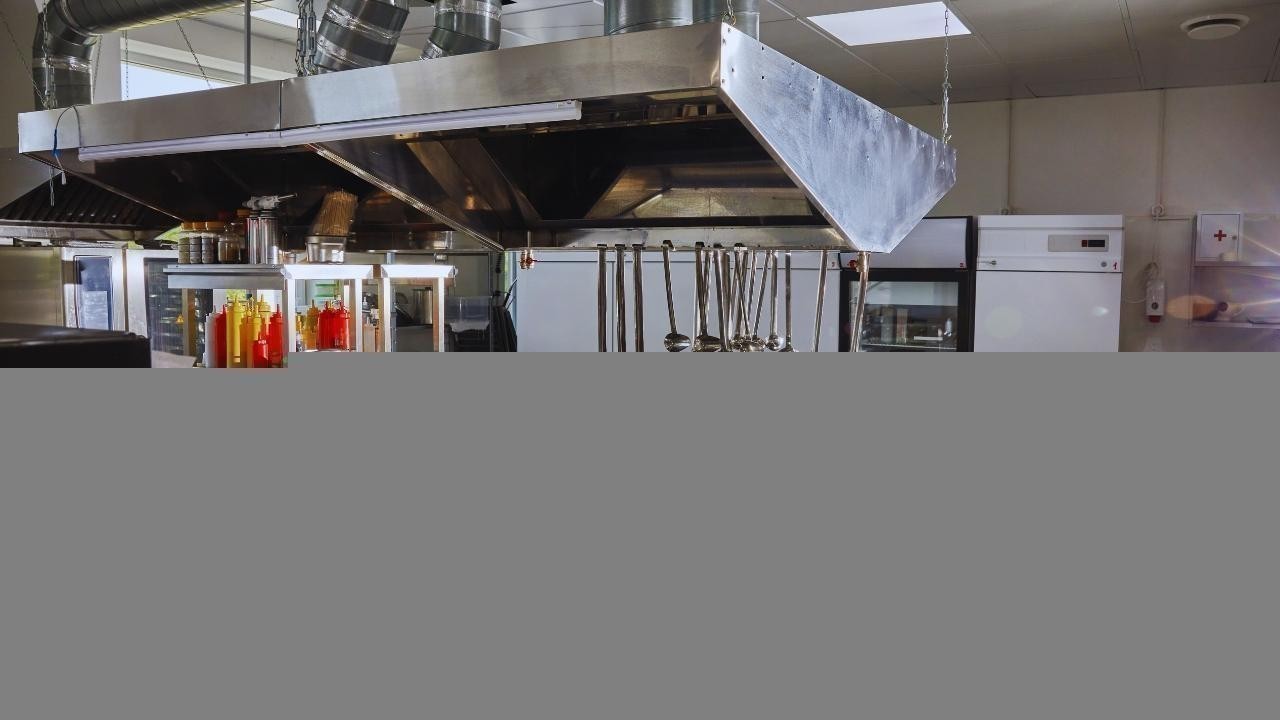
In 2025, stepping into a restaurant isn’t always necessary to enjoy a high-quality, chef-made meal. In fact, in Dubai, many of the dishes residents order daily are made in places they’ve never seen—cloud kitchens, also known as ghost kitchens. These delivery-only food facilities are quietly transforming the culinary landscape of the UAE, offering restaurant-grade meals without the traditional dining setup. They don’t need prime real estate or flashy interiors. All they require is a good chef, a few delivery apps, and a strategically located kitchen.
Dubai, with its tech-savvy population and delivery-driven lifestyle, has become the ideal hub for this growing model. But this shift isn’t just about convenience. It’s changing the economics, logistics, creativity, and accessibility of dining as we know it.
A cloud kitchen is a professional food preparation facility designed solely for fulfilling delivery orders. There’s no front-of-house, no dine-in space, and no signage. These kitchens typically operate through third-party delivery apps like Talabat, Deliveroo, Careem, and Zomato.
Some are single-brand kitchens focused on one menu. Others operate multiple virtual restaurant brands from one location, offering different cuisines all under the same roof. This allows for experimentation and menu flexibility without the costs of a traditional restaurant setup.
Several factors have contributed to the explosive growth of cloud kitchens in Dubai over the past three years:
High real estate costs: Renting retail space in prime locations is expensive. Cloud kitchens bypass this entirely by operating in industrial or low-rent areas.
Delivery-first culture: UAE residents increasingly prefer ordering in, especially post-pandemic. Convenience, speed, and options matter more than ambiance.
Diverse population: With a melting pot of expats, there's a demand for a wide range of cuisines—making virtual brands a cost-effective way to test and scale.
Tech infrastructure: High internet penetration, smartphone use, and advanced logistics systems make online food ordering seamless.
As a result, Dubai is now one of the leading cloud kitchen markets in the MENA region, attracting global investors and culinary entrepreneurs alike.
In the past, deciding what to eat meant picking a restaurant based on location, price, and ambiance. In 2025, the average Dubai resident scrolls through 40+ virtual brands before choosing. The experience is no longer about going somewhere to eat—it’s about getting exactly what you crave, when you want it.
Cloud kitchens cater to this shift by offering:
Hyper-customized menus: Vegan-only, protein-packed, keto-friendly—everything’s available on demand.
Speed-focused service: With no wait staff or dine-in delays, cloud kitchens can focus purely on prep and dispatch.
Data-driven insights: Brands analyze ordering patterns, preferred delivery times, and customer reviews to tweak menus quickly.
Customers now expect more variety and faster service. If one brand doesn’t deliver, another is just a click away.
Opening a restaurant in Dubai is expensive and risky. But starting a virtual brand through a cloud kitchen is more accessible.
Here’s how:
Low setup costs: No need for interior design, waitstaff, or front-of-house management.
Quick market testing: Launch a brand, test demand, and pivot without major losses.
Shared infrastructure: Startups can rent kitchen space by the hour or day through platforms like Kitopi or Sweetheart Kitchen.
For chefs, small F&B entrepreneurs, or even influencers looking to cash in on their brand, cloud kitchens offer an entry point into the food business without drowning in capital expenditure.
One of the more intriguing trends in 2025 is the multi-brand kitchen concept, where a single kitchen prepares food for several virtual restaurants. A facility might serve shawarma, sushi, burgers, and Thai curry—all from different menus and brands.
This model allows:
Maximizing kitchen utilization during off-peak hours
Testing multiple food trends simultaneously
Segmenting audiences with different price points or cuisines
Some companies even use AI to track local search trends and spin up new virtual brands within days based on rising demand.
Despite the advantages, cloud kitchens aren’t without their hurdles:
Fierce competition: With low entry barriers, markets are saturated quickly. Standing out becomes hard.
Lack of brand loyalty: Without physical presence or emotional connection, many brands struggle to retain customers long-term.
Quality control: Maintaining consistency in delivery, packaging, and food quality without dine-in feedback can be tricky.
Third-party dependency: Relying on delivery apps means sharing profits and being at the mercy of app algorithms.
Nonetheless, those who master branding, logistics, and customer experience are thriving.
With high packaging demands and frequent deliveries, cloud kitchens raise environmental concerns—especially in terms of single-use plastics and carbon emissions.
In response, Dubai-based brands are:
Switching to biodegradable and compostable packaging
Partnering with green logistics providers for electric or low-emission delivery
Offering incentives to customers for sustainable ordering habits
Sustainability, once a marketing add-on, is now becoming a business necessity.
What truly powers cloud kitchens is technology. From order management systems and digital POS to delivery tracking, AI-driven inventory control, and customer feedback analysis—everything runs on data.
Some advanced kitchens in Dubai now use:
Kitchen display systems (KDS) to manage multiple brands simultaneously
AI-predicted demand scheduling to reduce food waste
Robotic cooking stations for standardized preparation of high-demand dishes
Smart packaging that changes color if food temperatures fall outside the safety range
The restaurant of the future may not need waiters—but it will definitely need coders and data analysts.
In Dubai, a few major players dominate the cloud kitchen space:
Kitopi: One of the pioneers in smart cloud kitchens, they partner with local and international brands, handling everything from cooking to customer service.
Sweetheart Kitchen: A data-driven kitchen operator focusing on efficiency and multi-brand scaling.
Talabat Kitchen: The delivery giant has set up its own kitchen network to support exclusive brands.
Even traditional restaurants are now opening cloud-only extensions to serve neighborhoods without opening new branches.
Cloud kitchens haven’t replaced traditional dining—but they have forced legacy restaurants to rethink operations. Many now:
Offer exclusive delivery menus through cloud kitchen partnerships
Reduce dine-in space and expand kitchen areas
Adopt hybrid models that serve both in-house and delivery-only audiences
The "experience economy" still drives premium dining, but for everyday meals, cloud kitchens are quickly becoming the default.
If you're living in Dubai in 2025, you're likely:
Getting better food choices than ever before
Experiencing faster deliveries and lower prices
Becoming more selective about packaging, speed, and consistency
And if you're an aspiring entrepreneur or chef, you’re seeing new doors open that didn’t exist a few years ago.
Cloud kitchens are not a fad—they’re the future of dining logistics. What began as a response to high costs and a tech-hungry audience has evolved into a permanent shift in how food businesses are launched and scaled.
In Dubai, where ambition meets innovation, cloud kitchens are thriving. Whether you're hungry at midnight or dreaming of launching your own food brand, one thing is clear: you no longer need a dining room to enjoy—or build—a successful restaurant.
This article is intended for informational and editorial purposes only. The views expressed reflect general industry trends and do not represent endorsements or financial advice. Readers are encouraged to explore individual business models and consult relevant professionals before making investment or dining decisions.

Jannik Sinner Completes Sunshine Double With Miami Win
Jannik Sinner beats Jiri Lehecka 6-4, 6-4 to claim the Miami Open, becoming the first man to complet

Athar Festival 2026 Ends with Strong Social Impact
Athar Festival 2026 in Abu Dhabi raised AED17M for orphans, blending entertainment with charity and

Abu Dhabi Licenses Foster Families Association
Abu Dhabi licenses Foster Families Association to promote fostering, support families, and ensure sa
The Myriad Expands Student Housing in Saudi Arabia
The Myriad advances Saudi expansion as demand for modern student housing rises, supporting education
Hellmann Opens New Healthcare Hub at Dubai South UAE
Hellmann expands UAE presence with a new healthcare logistics facility at Dubai South, boosting capa

Ghana Sack Otto Addo Ahead of 2026 World Cup Start
Ghana dismiss coach Otto Addo just 72 days before the 2026 World Cup after poor results, including d

Indonesia Boat Sinks, All 21 Survivors Rescued Safely
Rescue teams saved 21 people after a boat sank near Taliabu Island. All passengers were found safe a


Bank of Baroda Faces Abu Dhabi Legal Battle over NMC Collapse
Bank of Baroda’s involvement in Abu Dhabi litigation tied to the NMC Healthcare collapse raises repu

Top Museum Openings of 2026 Set to Transform Global Tourism
From Los Angeles to Abu Dhabi and Brussels, 2026 brings major museum launches—Lucas Museum, Guggenhe

UAE Tour Highlights UAE’s Strength in Hosting Global Sports Events
Abu Dhabi Sports Council says the successful UAE Tour reflects the UAE’s leading role in hosting maj

EU Seeks Clarity from US After Supreme Court IEEPA Ruling
European Commission urges full transparency from the US on steps after Supreme Court ruling, emphasi

SpaceX Launches 53 New Satellites for Expanding Starlink Network
SpaceX launches 53 Starlink satellites in two Falcon 9 missions, breaking reuse records and expandin

RTA Awards Contract for Phase II of Hessa Street Upgrade in Dubai
Phase II of Hessa Street Development to add bridges, tunnel, and upgraded intersections, doubling ca

UAE Gold Prices Today, Monday 16 February 2026: Dubai & Abu Dhabi Updated Rates
Gold prices in UAE on 16 Feb 2026 updated: 24K around AED 599.75/gm, 22K AED 555.25/gm, and 18K AED

Over 25 Ahmedabad Schools Receive Bomb Threat Email, Authorities Investigate
More than 25 schools in Ahmedabad evacuated after bomb threat emails mentioning Khalistan. Authoriti