Post by : Sam Jeet Rahman
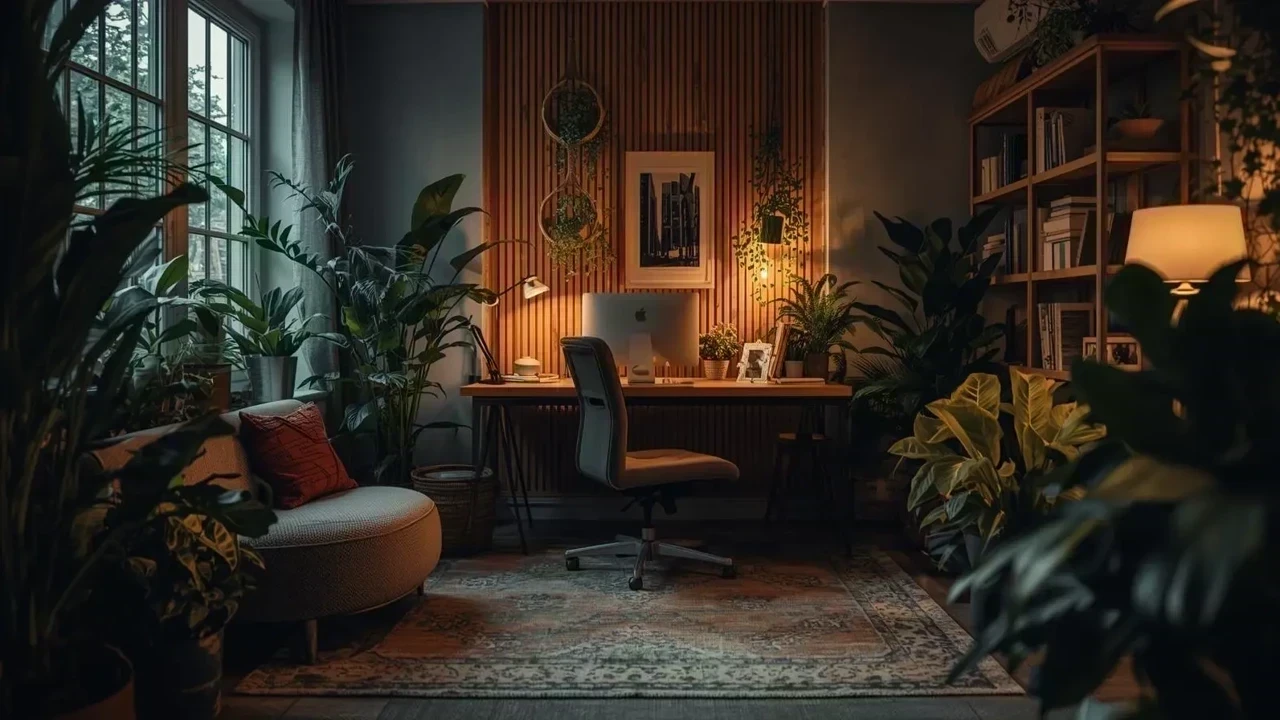
Some workspaces feel welcoming the moment you walk in. You sit down, breathe easily, and feel focused without knowing why. Others feel draining, distracting, or uncomfortable even if they look modern or expensive. This difference is not accidental. Workspace comfort is a result of thoughtful design choices, human-centered planning, and psychological cues that directly influence how people feel and perform.
Comfortable workspaces are not about luxury furniture or trendy interiors. They are about how the space supports the human body, mind, and daily work habits. This article explains in detail what truly makes some workspaces feel instantly comfortable, and why these factors matter more than aesthetics alone.
Many people confuse visual appeal with comfort. While good design helps, true comfort is experienced physically and mentally.
A comfortable workspace:
Reduces physical strain
Minimizes mental fatigue
Supports focus and calm
Feels natural, not forced
When these elements align, people feel at ease without consciously analyzing the space.
One of the strongest contributors to instant comfort is natural light.
Humans are biologically wired to respond positively to daylight. Exposure to natural light helps regulate sleep cycles, mood, and energy levels.
Workspaces with ample daylight:
Feel open and less restrictive
Improve alertness and focus
Reduce eye strain and headaches
Create a sense of time awareness
Artificial lighting alone, especially harsh or uneven lighting, often causes discomfort even if the space looks bright.
Light coming from the side or above at soft angles feels more natural than direct overhead glare. Balanced lighting reduces shadows and visual stress.
A truly comfortable workspace supports the body quietly.
Ergonomic chairs that support the spine, hips, and shoulders reduce tension without drawing attention to themselves. When a chair is uncomfortable, you notice it immediately. When it’s right, you forget about it.
Proper desk height allows arms to rest naturally and screens to align with eye level. Poor alignment causes neck strain, wrist pain, and fatigue.
Spaces that allow subtle movement—standing, stretching, or shifting positions—feel more comfortable than rigid setups.
Comfort is often the absence of discomfort, not the presence of luxury.
Many uncomfortable workspaces fail due to poor thermal comfort.
Too cold and muscles tense. Too warm and energy drops. A comfortable workspace maintains a balanced temperature that doesn’t demand attention.
Stale air increases fatigue, headaches, and irritability. Good ventilation improves oxygen flow, clarity, and overall comfort.
Workspaces with clean air and consistent temperature feel calmer and more breathable.
Sound is one of the fastest ways a workspace can feel uncomfortable.
Constant background chatter
Sudden loud sounds
Echoes in open spaces
Mechanical noise from equipment
Comfortable workspaces manage sound rather than eliminate it completely. Soft background noise, acoustic panels, and strategic layout reduce distractions without making the space feel silent or tense.
Sound comfort helps the brain relax and focus.
A comfortable workspace feels easy to navigate.
When people instinctively know where to sit, move, collaborate, or focus, stress decreases. Confusing layouts increase mental load.
Spaces that offer both collaboration areas and quiet zones feel more comfortable than one-size-fits-all designs.
People feel safer when they can choose how and where to work.
Feeling crowded is a major cause of discomfort.
Adequate distance between desks, chairs, and walkways helps people feel respected and relaxed.
Low partitions, plants, or furniture placement create psychological boundaries without isolating people.
Comfort increases when individuals feel they have their own space within a shared environment.
Colors influence mood more than most people realize.
Soft neutrals create calm
Warm tones add approachability
Natural shades reduce visual fatigue
Overly bright or aggressive colors may energize briefly but often cause long-term discomfort.
Clean, organized spaces feel lighter and more comfortable. Visual clutter increases stress even if it goes unnoticed consciously.
Comfort is multi-sensory.
Natural materials like wood, fabric, and matte finishes feel warmer and more human than cold, reflective surfaces.
Too many textures, patterns, or shiny surfaces can overwhelm the senses.
Comfortable workspaces balance texture without distraction.
Instant comfort is not only physical—it’s emotional.
Workspaces that feel inclusive, neutral, and respectful create immediate emotional ease.
When a space clearly supports its function—focus, collaboration, or creativity—people feel more confident using it.
Confusion creates discomfort. Clarity creates calm.
Spaces that adapt to different needs feel more comfortable long term.
People work differently on different days. Adjustable furniture, movable seating, and multi-use areas allow personalization.
When people can adjust lighting, seating, or positioning, comfort increases dramatically.
Control reduces stress.
Even the best-designed workspace feels uncomfortable if it’s poorly maintained.
Clean desks, floors, and shared areas reduce subconscious anxiety.
Broken furniture, flickering lights, or faulty equipment create constant low-level stress.
Comfort depends on reliability.
Technology should support work, not interrupt it.
Cables hidden, screens positioned correctly, and tools that work smoothly reduce friction.
Slow networks or faulty equipment make spaces feel hostile.
Comfort includes functional reliability.
A workspace should reflect the people using it.
Design choices that respect local culture, work habits, and values increase comfort.
A creative team needs different comfort cues than a finance team.
Comfort improves when space matches purpose.
Expensive design does not guarantee comfort.
Many simple offices feel better because they:
Prioritize usability
Reduce distractions
Respect human needs
Avoid overdesign
Comfort is practical, not decorative.
Comfortable workspaces lead to:
Better focus and productivity
Lower stress and burnout
Improved collaboration
Higher job satisfaction
People don’t just work better—they feel better.
Workspaces feel instantly comfortable when human needs come first. Light, air, sound, layout, ergonomics, and emotional cues work together to create ease. Comfort is not a trend or luxury—it is a foundation for sustainable work.
The most successful workspaces are those where people stop noticing the space and start focusing on their work.
This article is for general informational purposes only. Workspace comfort can vary based on individual preferences, job roles, and physical needs. The insights shared here are not intended as professional architectural, ergonomic, or medical advice. Readers should consult qualified professionals before making significant workspace design or structural changes.

Family Wins “Family of the Year 2026” at Noor Al Quran Event in Ras Al Khaimah
A family honored at the Noor Al Quran initiative in Ras Al Khaimah for Quran memorization and strong

US Approves $16.5B Arms Deal Amid Iran War Escalation
US approves $16.5B arms sale to Gulf allies and $7B to UAE, boosting defence amid Iran tensions whil

UAE Busts Hezbollah-Iran Terror Network, Members Held
UAE authorities have broken a terror network linked to Hezbollah and Iran, arresting members accused

Swiatek Stunned by Linette in Miami Open Upset Shock
Iga Swiatek suffered a shocking defeat to Magda Linette at the Miami Open, marking her first opening

UAE Orphan Fund Raises AED 3.3 Billion in Ramadan Drive
UAE’s Mother of the Nation Orphan Fund raises AED 3.3B in Ramadan, boosting support for education, h

Ramadan in the UAE: Reflections on Humanity, Leadership, and Lasting Values
A heartfelt Ramadan reflection by Osama Regaah on UAE’s spirit of humility, unity, and leadership, a

Dhurandhar 2 Opens Big, Crosses ₹100 Cr on Day 1
Ranveer Singh starrer Dhurandhar 2 earns ₹102 Cr on day one despite delays, beating past Bollywood o


Bank of Baroda Faces Abu Dhabi Legal Battle over NMC Collapse
Bank of Baroda’s involvement in Abu Dhabi litigation tied to the NMC Healthcare collapse raises repu

Top Museum Openings of 2026 Set to Transform Global Tourism
From Los Angeles to Abu Dhabi and Brussels, 2026 brings major museum launches—Lucas Museum, Guggenhe

UAE Tour Highlights UAE’s Strength in Hosting Global Sports Events
Abu Dhabi Sports Council says the successful UAE Tour reflects the UAE’s leading role in hosting maj

EU Seeks Clarity from US After Supreme Court IEEPA Ruling
European Commission urges full transparency from the US on steps after Supreme Court ruling, emphasi

SpaceX Launches 53 New Satellites for Expanding Starlink Network
SpaceX launches 53 Starlink satellites in two Falcon 9 missions, breaking reuse records and expandin
RTA Awards Contract for Phase II of Hessa Street Upgrade in Dubai
Phase II of Hessa Street Development to add bridges, tunnel, and upgraded intersections, doubling ca

UAE Gold Prices Today, Monday 16 February 2026: Dubai & Abu Dhabi Updated Rates
Gold prices in UAE on 16 Feb 2026 updated: 24K around AED 599.75/gm, 22K AED 555.25/gm, and 18K AED

Over 25 Ahmedabad Schools Receive Bomb Threat Email, Authorities Investigate
More than 25 schools in Ahmedabad evacuated after bomb threat emails mentioning Khalistan. Authoriti