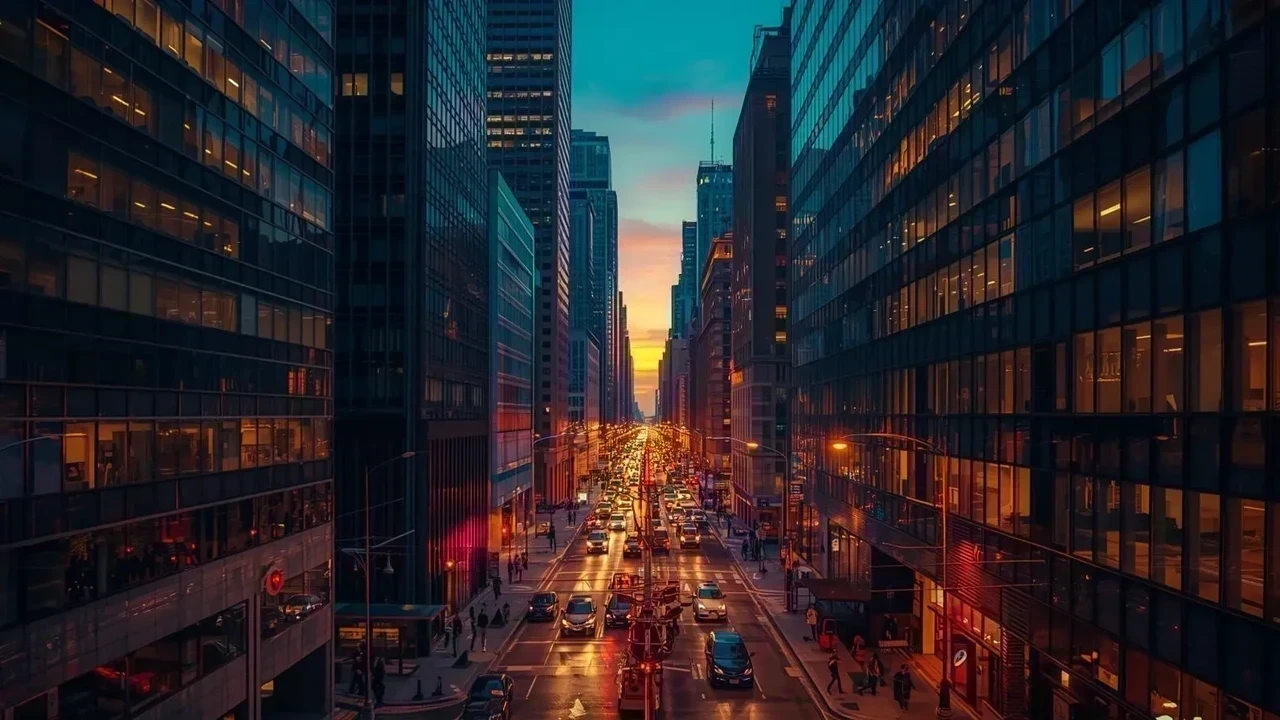
Post by : Sam Jeet Rahman
Two cities can offer similar salaries, infrastructure, and opportunities—yet one feels comfortable and livable, while the other feels draining and overwhelming. This difference is not accidental. Whether a city feels easy or exhausting to live in depends on a mix of practical systems, daily friction points, and psychological factors that shape everyday life.
People often blame themselves for feeling tired or dissatisfied in a city, assuming they just need to “adjust.” In reality, many cities are structurally demanding, while others are designed to reduce mental and physical strain. Understanding these factors helps individuals choose cities wisely and helps policymakers build better urban environments.
The biggest factor that determines how a city feels is the effort required to handle everyday tasks.
Cities feel exhausting when simple activities take excessive time. Long queues, slow services, inefficient systems, and poor coordination increase daily mental load.
Easy cities allow residents to:
Complete errands quickly
Access services without confusion
Move between tasks smoothly
When daily life flows, energy is preserved for work, family, and rest.
Cities with poor planning force residents to constantly problem-solve. Traffic detours, unclear signage, inconsistent rules, and unreliable services create friction. Over time, this leads to decision fatigue and stress.
Transportation is one of the strongest predictors of whether a city feels livable or draining.
A 30-minute predictable commute feels easier than a 20-minute unpredictable one. Uncertainty creates anxiety and disrupts routines.
Cities feel exhausting when:
Commutes are long and unreliable
Public transport is overcrowded or inconsistent
Roads are poorly managed
Easy cities prioritize:
Shorter commute distances
Reliable public transport
Walkability and cycling access
Daily travel should not feel like a survival challenge.
High income alone does not make a city easy to live in.
Cities become exhausting when:
Rent consumes most income
Daily expenses rise faster than wages
Emergency costs feel unmanageable
Even high earners feel pressure when financial margins are thin.
Cities that feel easy provide:
Reasonable housing options
Predictable expenses
A sense that effort leads to stability
Financial breathing room reduces constant background stress.
Where and how people live shapes their daily energy levels.
Small, poorly ventilated, noisy housing increases fatigue. Constant exposure to noise, lack of sunlight, and limited personal space impacts mental health.
Cities feel easier when neighborhoods offer:
Nearby groceries and essentials
Green spaces
Safe, clean streets
When daily needs are within reach, life feels lighter.
Humans are not built to exist only among concrete.
Cities with accessible parks, waterfronts, or tree-lined streets allow residents to mentally reset without planning trips.
Cities feel exhausting when:
Green spaces are rare or overcrowded
Residents must travel far to access nature
Easy cities integrate nature into daily life rather than treating it as a luxury.
Cities constantly stimulate the senses. The intensity of that stimulation determines comfort.
Loud traffic, crowded streets, aggressive advertising, and visual clutter keep the brain in alert mode. Over time, this causes fatigue even without physical exertion.
Cities that feel easy:
Manage noise levels
Offer quiet zones
Balance activity with calm spaces
Mental rest is as important as physical rest.
The city’s dominant work culture affects how residents feel even outside work hours.
Cities that glorify overwork create constant pressure. Long hours, competitive environments, and fear of falling behind make rest feel unearned.
Cities feel easier when:
Productivity is valued over long hours
Rest is socially accepted
Personal time is respected
Cultural norms shape stress levels more than people realize.
Cities are not just buildings—they are social systems.
Lonely cities feel exhausting even when efficient. When social interaction feels difficult or transactional, emotional energy drains quickly.
Easy cities support:
Community spaces
Shared activities
Friendly public interaction
Belonging reduces psychological fatigue.
How systems treat residents matters deeply.
Cities with complex paperwork, unclear rules, and inconsistent enforcement create frustration. When basic tasks require repeated visits and explanations, residents feel powerless.
Easy cities have:
Transparent processes
Digital services
Clear accountability
Trust in systems reduces daily anxiety.
Feeling unsafe constantly keeps the body in stress mode.
Cities feel exhausting when residents:
Are constantly alert
Avoid certain areas or times
Feel uncertain about emergencies
Easy cities provide:
Reliable public safety
Well-lit public spaces
Quick emergency response
Safety allows relaxation.
Weather impacts energy more than people admit.
Extreme heat, humidity, pollution, or cold adds physical strain. Cities that do not adapt infrastructure to climate increase exhaustion.
Easy cities:
Offer climate-adapted housing
Provide shaded public areas
Manage pollution levels
Environmental comfort supports daily stamina.
Unspoken expectations can be draining.
Cities that constantly compare success, lifestyle, or appearance increase mental stress.
Cities feel easier when:
Different lifestyles are accepted
People are not judged constantly
Individual pace is respected
Psychological freedom reduces exhaustion.
Urban design influences mood and behavior.
Cities designed for cars, speed, and efficiency often ignore human experience. Wide roads, isolated buildings, and lack of gathering spaces increase alienation.
Easy cities focus on:
Walkable streets
Mixed-use neighborhoods
Public spaces for interaction
Design shapes emotional experience.
No city feels the same to everyone.
A city feels easy when it matches:
Your income level
Your personality
Your career stage
Your lifestyle preferences
A mismatch creates friction even in “great” cities.
Instead of asking which city is the best, ask:
How much daily effort does this city demand?
Does life here leave me energized or drained?
Can I recover easily from stress?
The right city supports you instead of constantly challenging you.
Cities do not just host life—they shape it. An easy city reduces friction, preserves energy, and allows growth without constant struggle. An exhausting city consumes time, attention, and emotional capacity.
Understanding these factors empowers people to make better relocation decisions and encourages leaders to design cities that support human well-being, not just economic output.
This article is for informational purposes only and reflects general observations about urban living experiences. Individual experiences may vary based on personal circumstances, lifestyle preferences, and local conditions. The content should not be considered professional urban planning, psychological, or relocation advice.
Dubai Property Market Faces War-Driven Slowdown
Dubai’s real estate market shows early slowdown as Iran war impacts investor confidence, with fallin

Trump Hints at Ending Military Ops as US Eases Iran Oil Sanctions
Trump may soon end US military action in the Middle East as Iran attacks continue. US temporarily ea

Aryna Sabalenka Survives Tough Battle at Miami Open
World No.1 Aryna Sabalenka wins a tight match vs Ann Li at Miami Open. Top seeds Alcaraz, Rybakina,
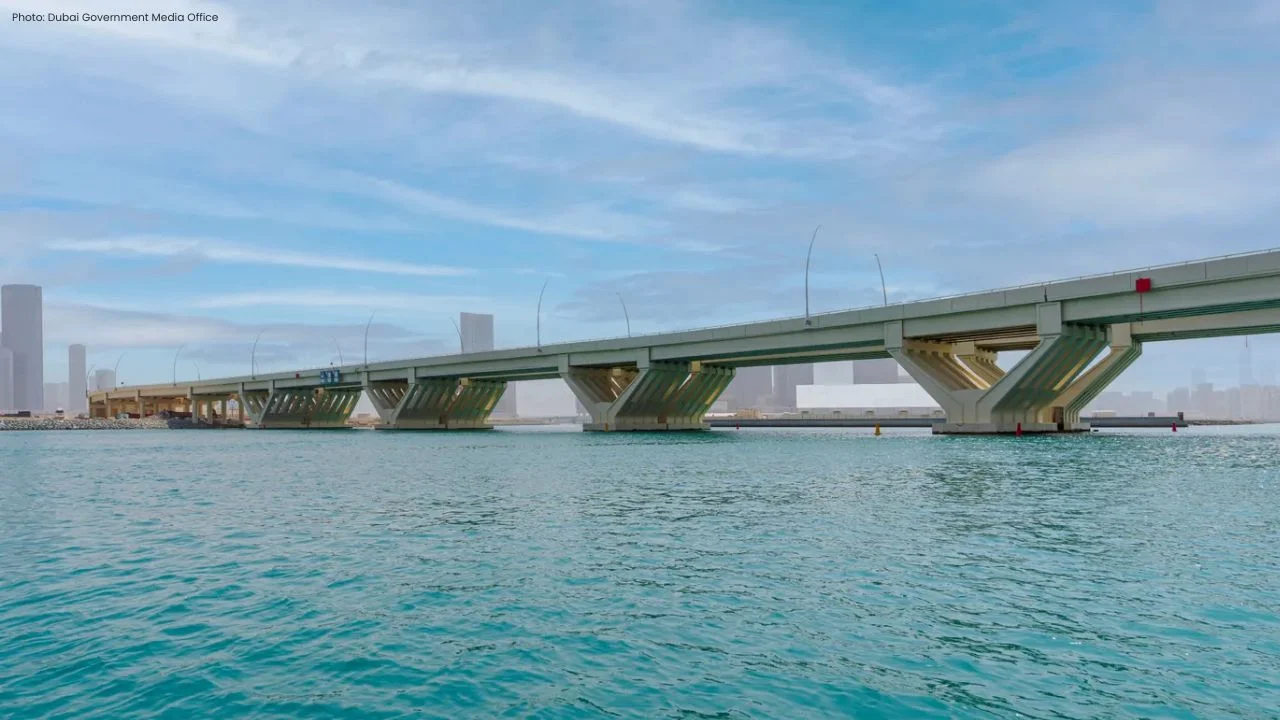
Abu Dhabi Opens Two New Bridges to Cut Traffic by 60%
DMT launches two high-capacity bridges linking Al Reem Island to E‑12, reducing travel time by 15 mi
Family Wins “Family of the Year 2026” at Noor Al Quran Event in Ras Al Khaimah
A family honored at the Noor Al Quran initiative in Ras Al Khaimah for Quran memorization and strong

US Approves $16.5B Arms Deal Amid Iran War Escalation
US approves $16.5B arms sale to Gulf allies and $7B to UAE, boosting defence amid Iran tensions whil

UAE Busts Hezbollah-Iran Terror Network, Members Held
UAE authorities have broken a terror network linked to Hezbollah and Iran, arresting members accused


Bank of Baroda Faces Abu Dhabi Legal Battle over NMC Collapse
Bank of Baroda’s involvement in Abu Dhabi litigation tied to the NMC Healthcare collapse raises repu
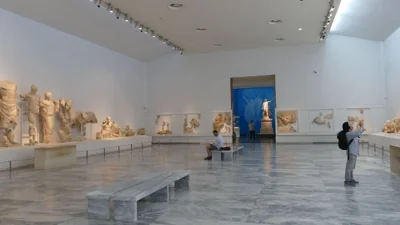
Top Museum Openings of 2026 Set to Transform Global Tourism
From Los Angeles to Abu Dhabi and Brussels, 2026 brings major museum launches—Lucas Museum, Guggenhe

UAE Tour Highlights UAE’s Strength in Hosting Global Sports Events
Abu Dhabi Sports Council says the successful UAE Tour reflects the UAE’s leading role in hosting maj
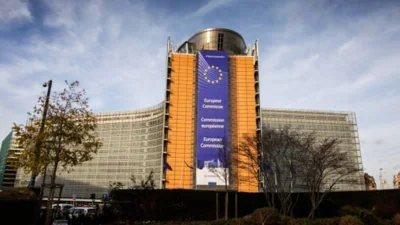
EU Seeks Clarity from US After Supreme Court IEEPA Ruling
European Commission urges full transparency from the US on steps after Supreme Court ruling, emphasi
SpaceX Launches 53 New Satellites for Expanding Starlink Network
SpaceX launches 53 Starlink satellites in two Falcon 9 missions, breaking reuse records and expandin
RTA Awards Contract for Phase II of Hessa Street Upgrade in Dubai
Phase II of Hessa Street Development to add bridges, tunnel, and upgraded intersections, doubling ca

UAE Gold Prices Today, Monday 16 February 2026: Dubai & Abu Dhabi Updated Rates
Gold prices in UAE on 16 Feb 2026 updated: 24K around AED 599.75/gm, 22K AED 555.25/gm, and 18K AED

Over 25 Ahmedabad Schools Receive Bomb Threat Email, Authorities Investigate
More than 25 schools in Ahmedabad evacuated after bomb threat emails mentioning Khalistan. Authoriti