Post by : Zayd Kamal
In the world of sports, recovery is often viewed as a passive process—a time to kick back, relax, and let the body heal. However, recent research has shifted this perspective, revealing a powerful concept known as active rest. This innovative approach not only speeds up healing but also enhances overall athletic performance. In this article, we will delve into the science of recovery, exploring the hidden benefits of active rest in sports and why athletes should embrace this strategy.
Active rest refers to engaging in low-intensity physical activity during recovery periods instead of complete inactivity. While it might seem counterintuitive to move when your body is sore or fatigued, light exercise can facilitate recovery by increasing blood flow, reducing muscle stiffness, and enhancing overall well-being. When you engage in gentle movements, your heart rate increases slightly, promoting circulation. This boost in blood flow helps deliver oxygen and nutrients to tired muscles while also aiding in the removal of metabolic waste products. As a result, active rest can lead to faster recovery times and improved performance in subsequent workouts or competitions.
One of the primary benefits of active rest is improved blood circulation. When you engage in low-intensity activities such as walking, cycling, or yoga, your heart pumps more efficiently. This increased circulation helps to deliver essential nutrients and oxygen to your muscles, accelerating recovery. The physiological changes that occur during these activities facilitate a quicker return to peak performance levels, allowing athletes to train more effectively and consistently. By enhancing blood flow, active rest acts as a critical element in any athlete’s recovery toolkit.
Delayed Onset Muscle Soreness (DOMS) is a common experience for athletes, especially after intense workouts. Engaging in active rest can help mitigate the effects of DOMS. Light activity can loosen tight muscles, reducing soreness and stiffness, which allows athletes to return to their training routines more quickly. Rather than being sidelined by discomfort, incorporating gentle exercises into recovery days can provide immediate relief. This proactive approach not only enhances physical comfort but also encourages athletes to maintain their training momentum.

Active rest activities often involve stretching and gentle movements that promote flexibility. Increased flexibility not only enhances performance but also reduces the risk of injury. Incorporating active rest into your recovery plan can help maintain and even improve your range of motion. Engaging in low-intensity activities can facilitate muscle elongation and joint mobility, crucial for athletes who rely on dynamic movements in their sports. This holistic approach to recovery ensures that athletes remain agile and prepared for the demands of their training and competitions.
Physical recovery is essential, but mental recovery is equally important. Active rest provides an opportunity to clear your mind, reduce stress, and refocus. Whether through a leisurely walk in nature or a light yoga session, these activities can significantly enhance mental well-being. The psychological benefits of active rest cannot be overstated; they help athletes maintain a positive mindset, which is crucial for peak performance. By integrating mindfulness practices into recovery, athletes can achieve a more balanced approach to both physical and mental health.
For many athletes, taking a complete rest day can lead to feelings of guilt or anxiety about losing fitness. Active rest allows athletes to stay engaged with their training without the intensity, promoting a sense of routine and consistency. This approach can be especially beneficial for those who thrive on structure and regular activity. By embedding active rest into their schedules, athletes can maintain a disciplined training regimen while also giving their bodies the time they need to recover. This balance can foster long-term success and sustainability in their athletic endeavors.
Now that we understand the benefits of active rest, the next step is to incorporate it into your recovery routine. L istening to your body is crucial; if you’re feeling fatigued or sore, choose activities that are gentle and restorative. Activities like light swimming, leisurely biking, or gentle yoga can provide the necessary movement without overexertion. Additionally, mixing up your active rest routines can keep things interesting. By exploring different forms of low-intensity exercise, you not only stay engaged but also challenge your body in new ways.
Moreover, planning specific active rest days can be incredibly beneficial. Designating these days allows you to approach recovery with intention, balancing periods of intense training with necessary recovery. Staying hydrated and nourished is equally important; a well-balanced diet rich in protein, carbohydrates, and healthy fats will support your recovery efforts, especially when combined with active rest. Monitoring your progress during these active rest days will help you fine-tune your recovery strategy and make informed decisions about your overall training regimen.
In the article "The Science of Recovery: Unveiling the Hidden Benefits of Active Rest in Sports," we learn that active rest is a special way for athletes to recover while still moving. Instead of just sitting still, athletes can do light activities like walking or yoga. This helps improve blood flow, making it easier for their muscles to heal. Active rest also reduces muscle soreness, which means athletes feel better faster. Plus, it can make them more flexible and improve their overall performance. By including active rest in their routines, athletes can stay strong and healthy. Overall, active rest is a fun and effective way to help athletes recover and be ready for their next game
The information provided in this article by the DXB News Network is for educational purposes only. It is important to consult with a healthcare professional before making any changes to your exercise or recovery routine. Remember, active rest is just one way to help your body, and everyone's needs are different! Always listen to your body and choose what feels best for you.
Active Rest, Recovery, Sports Performance, Muscle Soreness, Blood Circulation, Flexibility, Injury Prevention, Mental Recovery, Low-Intensity Exercise, Training Routine, Athletic Recovery, Physical Activity, Well-Being, Endurance, Strength Training

Umno Considers Rejoining Former Members Through Rumah Initiative
Umno is set to review re-entry applications from former members at an upcoming council meeting in Me

Wasl Gate Opens Massive Central Park in Dubai Community
Wasl Group opened Central Park at Wasl Gate in Jebel Ali, a 82,700 sqm community space with sports,
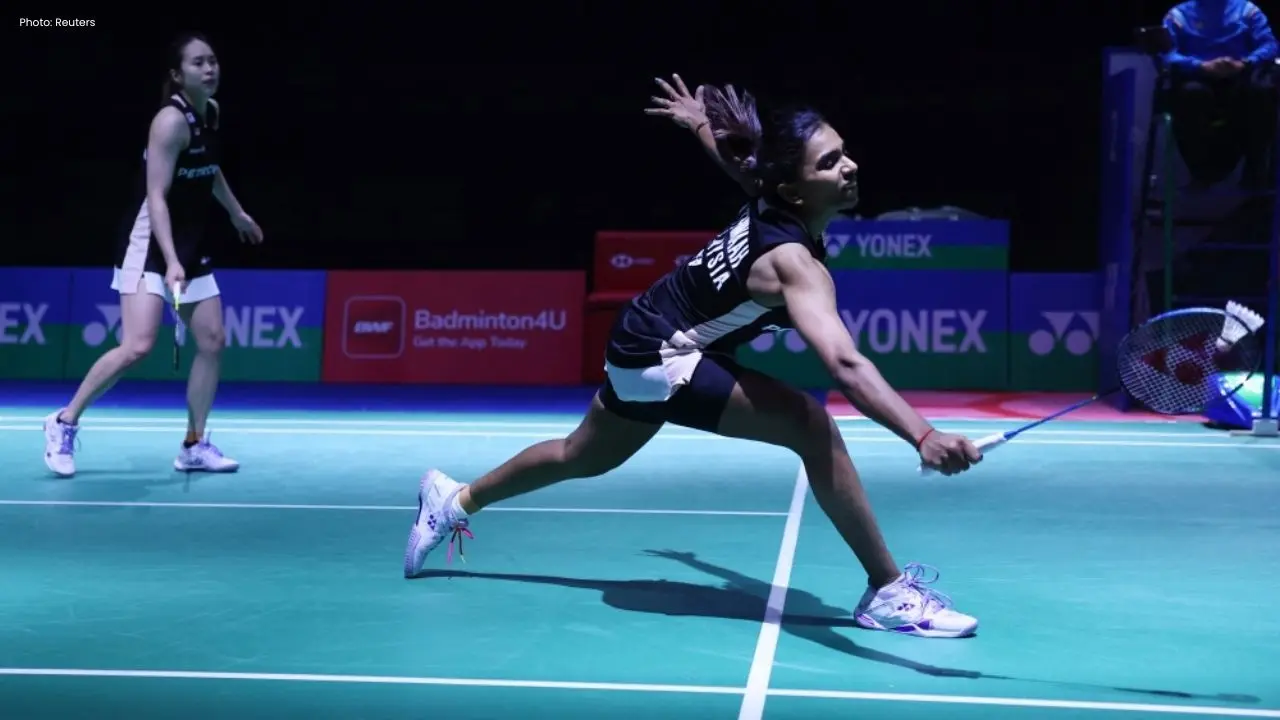
Setback for Malaysia as Pearly Tan Withdraws from Uber Cup
Pearly Tan's withdrawal due to injury creates challenges for Malaysia in the upcoming Uber Cup Final

Strengthening Ringgit Stands Out as Malaysia Gears for GDP Data
As Malaysia anticipates its 1Q 2026 GDP data, the ringgit shows impressive strength against the US d

Kuala Lumpur Robbery Incident Sees Six Arrested, Including Cop
Six individuals, including a police officer, face charges for gang robberies in Kuala Lumpur involvi

UAE, Kazakhstan Leaders Boost Bilateral Cooperation Ties
UAE and Kazakhstan leaders discuss boosting bilateral ties, enhancing cooperation across sectors, an

Explore Tara Sutaria’s Stylish abode in Mumbai
Step inside Tara Sutaria's chic Mumbai home, showcasing her personal touch and passion for design du


7 Daily Habits to Burn Belly Fat Naturally
Discover 7 simple daily habits to burn belly fat naturally without extreme dieting. Easy, effective

Power of Compounding: How $5,000 Can Grow Into $120,000
Discover how compounding turns $5,000 into $120,000 over time. Learn long-term investing strategies

When to Test Blood Sugar: Morning vs After Breakfast Explained
Should you check blood sugar fasting or after meals? Learn the best time to test glucose levels and

WhatsApp Down Today? Users Report Strange Issue Worldwide
WhatsApp users report message delays and strange issues worldwide. Find out what happened, why it oc

Is Your Phone Spying on You? 6 Android Settings to Turn Off Now
Worried your phone is spying on you? Learn 6 Android settings to turn off now to protect your privac

7 Protein-Rich Indian Foods You Should Add to Your Daily Diet
Discover 7 protein-rich Indian foods to boost your daily protein intake naturally without supplement

Is It Safe to Keep Laptop Plugged In All the Time? Battery Truth Explained
Is it safe to keep your laptop plugged in all day? Learn the truth about battery health, charging ha

Actual Cost of Living in Dubai for a Family : Rent, School Fees & Monthly Expenses
Discover the real cost of living in Dubai for a small family in 2026, including rent, school fees, g