Post by : Anis Karim
Recovery today is not limited to clinic visits. Physiotherapists emphasize that effective rehabilitation extends into the home—where daily movement habits, posture choices and routine patterns either support or undo the progress made in therapy sessions.
The latest clinic series held this week highlighted a truth: most people struggle with pain not because they lack knowledge, but because they lack simple, actionable practices they can do independently. With long work hours, reduced movement, overuse of screens and everyday strain, the body needs micro-interventions throughout the day—not just formal exercises once or twice a week.
Physiotherapists from the recent series shared a set of clear, easy techniques anyone can do at home. These tips focus on small habits that deliver big results when practiced consistently.
During the workshop sessions, therapists noted common issues surrounding:
Tight backs from extended screen time
Neck stiffness due to excessive phone use
Knee pain linked with weak thigh muscles or incorrect standing patterns
Reduced ankle mobility from sedentary routines
Shoulder strain caused by poor desk posture
Core weakness impacting balance and daily movement
Increased lethargy due to shallow breathing habits
These issues showed up across all age groups—from young professionals to older adults—and most could be improved with small, regular at-home adjustments.
Physiotherapists aligned every tip under three primary goals:
Reduce stiffness that limits mobility and causes fatigue
Build micro-strength in key muscles that support daily activity
Improve posture and movement patterns to prevent recurring injuries
The aim is not heavy workouts—it’s simple, accessible, repeatable interventions that slot naturally into your day.
Most people sit far longer than they realize. Physiotherapists stressed that long sitting compresses the spine, weakens supportive muscles, reduces blood flow, and stiffens the hips—all of which contribute to pain.
Mobility breaks reset your posture, activate supporting muscles and prevent stiffness from setting in. They also help maintain circulation and reduce inflammation.
Every 45 minutes, take one minute to perform:
1. Spine extension stretch (10 seconds)
Stand, place hands on hips, gently arch backward and breathe deeply.
2. Neck mobility (20 seconds)
Tilt ears toward each shoulder, then look left and right slowly.
3. Shoulder rolls (10 seconds)
Roll shoulders backward in large circles.
4. Hip opening (10 seconds)
Lift each knee, rotate outward and inward.
5. Ankle pumps (10 seconds)
Move ankles up, down and in circles.
Reduces back tightness
Relieves neck tension
Improves joint lubrication
Prevents poor posture build-up over the day
This simple sequence, done 8–10 times a day, dramatically improves comfort.
During the clinic series, physiotherapists demonstrated that many tight muscle knots can relax through short, focused pressure rather than long stretching sessions.
The “90-second rule” involves applying steady pressure to any pain hotspot for 60–90 seconds. This signals the muscle to release and reduces discomfort.
Identify a hotspot:
Common areas include the neck base, upper shoulders, lower back, outer thigh, or calf.
Apply gentle pressure using:
Fingertips
A tennis ball
A massage ball
The corner of a wall
A rolled-up towel
Hold the pressure for 90 seconds, breathing slowly.
Physiotherapists recommend 2–3 sessions per day for consistent relief.
Sustained pressure signals the muscle’s reflex to relax, improves tissue circulation and reduces inflammation without aggressive stretching.
The core stabilizes every movement—from walking to bending. A weak core contributes to back pain, knee strain, poor balance and even neck tension. Physiotherapists emphasized that you do not need long workouts—you need consistent activation.
1. Standing abdominal brace (30 seconds)
Stand tall, tighten your abdomen gently as if preparing for a light impact. Hold while breathing normally.
2. Glute squeezes (30 seconds)
Tighten glutes while standing or sitting. This stabilizes the pelvis.
3. Heel taps (30 seconds)
Lie on your back with knees bent at 90 degrees, tap one heel to the ground at a time.
4. Mini-plank (45 seconds)
Hold a plank but focus on form, not duration.
5. Deep belly breaths (45 seconds)
Inhale into your lower abdomen, exhale slowly, keeping ribs soft and relaxed.
Lower-back support
Hip stability
Walking efficiency
Posture and balance
Physiotherapists emphasize that 3 consistent minutes beat 30 minutes once a week.
The majority of workshop participants showed forward-head posture, rounded shoulders and tight traps. This posture creates ongoing discomfort and contributes to headaches and upper-back pain.
1. Chin tuck (20 seconds)
Slide your chin backward, keeping the spine straight.
2. Wall angel (30 seconds)
Stand with back against a wall, raise arms slowly, keeping elbows and wrists touching the wall.
3. Upper-trap stretch (20 seconds)
Tilt head sideways and pull gently with the opposite hand.
4. Scapular squeeze (20 seconds)
Squeeze shoulder blades together.
5. Deep neck flexor activation (30 seconds)
Lie on your back and lift your head 1–2 cm off the floor, holding lightly.
These movements counteract screen posture, strengthen deep stabilizer muscles and reduce chronic neck stress.
Physiotherapists noted that most knee pain in clinics is not from injury—it’s from weakness in key muscles around the knee and hips.
1. Straight leg raise (20 reps)
Strengthens the quadriceps without stressing the knee.
2. Sit-to-stand (15 reps)
A functional movement that boosts full-leg coordination.
3. Step-ups (15 reps each leg)
Improves glute activation, thigh power and knee tracking.
Climbing stairs
Walking longer distances
Reducing pressure on knee joint
Improving balance and stability
This trio improves knee health better than isolated exercises.
The pelvis dictates how the lower back behaves. Stiffness in the pelvis causes compensations in the spine, leading to back pain.
1. Pelvic tilts (20 reps)
Lie down and gently rotate the pelvis forward and backward.
2. Cat-cow mobility (20 reps)
Move through spinal flexion and extension in a slow, controlled rhythm.
Reduces pressure on lumbar discs
Improves posture
Loosens tight lower-back muscles
This is one of the most recommended daily rehab tips this week.
Physiotherapists noted that many patients have weak feet—a root cause of knee pain, hip tension and lower-back stress.
Stand barefoot and focus on pressing evenly through:
The base of the big toe
The base of the little toe
The heel
Hold for 30 seconds, then walk normally while keeping light activation.
Improves balance
Enhances posture
Aligns knee tracking
Strengthens ankle stability
This is a simple home-rehab staple.
Shallow breathing increases neck tension, tightens the rib cage and reduces oxygen delivery. Therapists taught a reset to calm the body quickly.
Sit or stand tall
Inhale for 4 seconds
Hold for 2 seconds
Exhale for 6 seconds
Repeat 8–10 cycles
Reduces upper-body tension
Supports core activation
Improves posture
Enhances muscle recovery
This technique helps during stressful workdays.
Physiotherapists emphasized that rehab is not just exercises—it’s how you move daily.
Squat instead of bending from your back
Keep objects close to your body while lifting
Pivot with feet instead of twisting the spine
Maintain soft knees, not locked legs
Sit tall with hips slightly higher than knees
These adjustments protect joints and reduce recurring strain.
The recent clinic series offered a fresh reminder: home-rehab is not complicated. Small, consistent movements create meaningful change. Physiotherapists emphasized that the body thrives on repetition, alignment and mindful patterns—not extreme workouts.
Whether you're dealing with tightness, early joint discomfort, postural issues or recovering from past strain, these quick home-rehab tips help bridge the gap between clinic visits and real life. Incorporating them throughout your day builds a healthier, more resilient body—one minute at a time.
This article is for general informational purposes and summarizes physiotherapists’ recommendations shared in recent workshops. It is not a substitute for personalised medical or rehabilitation advice. Individuals with injuries or chronic pain should consult a qualified physiotherapist before starting new exercises.

Family Wins “Family of the Year 2026” at Noor Al Quran Event in Ras Al Khaimah
A family honored at the Noor Al Quran initiative in Ras Al Khaimah for Quran memorization and strong

US Approves $16.5B Arms Deal Amid Iran War Escalation
US approves $16.5B arms sale to Gulf allies and $7B to UAE, boosting defence amid Iran tensions whil
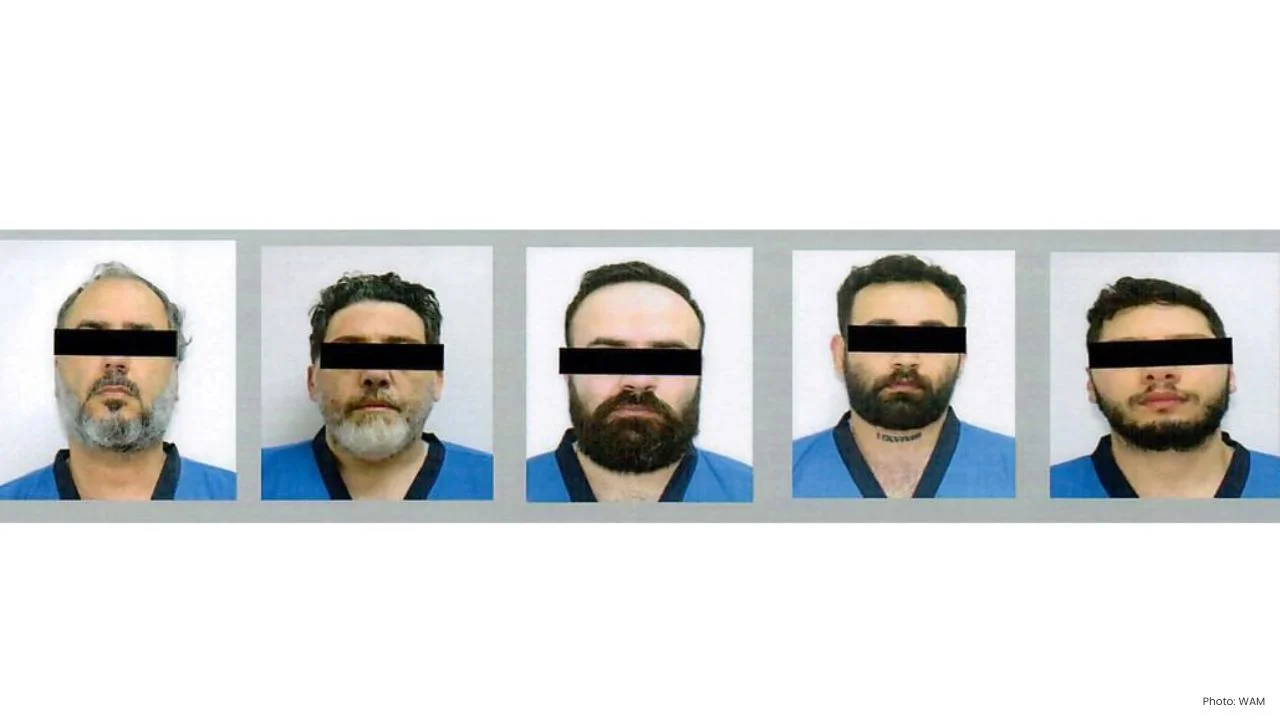
UAE Busts Hezbollah-Iran Terror Network, Members Held
UAE authorities have broken a terror network linked to Hezbollah and Iran, arresting members accused

Swiatek Stunned by Linette in Miami Open Upset Shock
Iga Swiatek suffered a shocking defeat to Magda Linette at the Miami Open, marking her first opening

UAE Orphan Fund Raises AED 3.3 Billion in Ramadan Drive
UAE’s Mother of the Nation Orphan Fund raises AED 3.3B in Ramadan, boosting support for education, h

Ramadan in the UAE: Reflections on Humanity, Leadership, and Lasting Values
A heartfelt Ramadan reflection by Osama Regaah on UAE’s spirit of humility, unity, and leadership, a

Dhurandhar 2 Opens Big, Crosses ₹100 Cr on Day 1
Ranveer Singh starrer Dhurandhar 2 earns ₹102 Cr on day one despite delays, beating past Bollywood o


Bank of Baroda Faces Abu Dhabi Legal Battle over NMC Collapse
Bank of Baroda’s involvement in Abu Dhabi litigation tied to the NMC Healthcare collapse raises repu

Top Museum Openings of 2026 Set to Transform Global Tourism
From Los Angeles to Abu Dhabi and Brussels, 2026 brings major museum launches—Lucas Museum, Guggenhe

UAE Tour Highlights UAE’s Strength in Hosting Global Sports Events
Abu Dhabi Sports Council says the successful UAE Tour reflects the UAE’s leading role in hosting maj

EU Seeks Clarity from US After Supreme Court IEEPA Ruling
European Commission urges full transparency from the US on steps after Supreme Court ruling, emphasi

SpaceX Launches 53 New Satellites for Expanding Starlink Network
SpaceX launches 53 Starlink satellites in two Falcon 9 missions, breaking reuse records and expandin

RTA Awards Contract for Phase II of Hessa Street Upgrade in Dubai
Phase II of Hessa Street Development to add bridges, tunnel, and upgraded intersections, doubling ca

UAE Gold Prices Today, Monday 16 February 2026: Dubai & Abu Dhabi Updated Rates
Gold prices in UAE on 16 Feb 2026 updated: 24K around AED 599.75/gm, 22K AED 555.25/gm, and 18K AED
Over 25 Ahmedabad Schools Receive Bomb Threat Email, Authorities Investigate
More than 25 schools in Ahmedabad evacuated after bomb threat emails mentioning Khalistan. Authoriti