Post by : Anis Karim
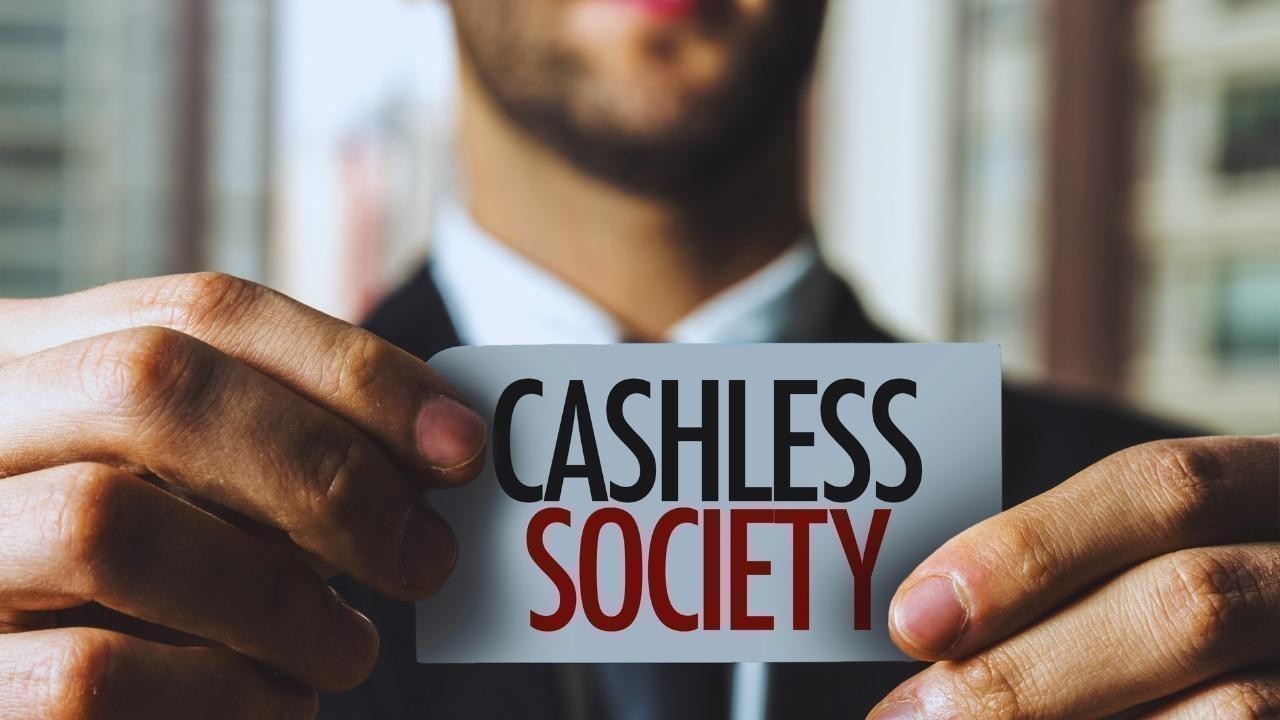
Just a few years ago, pulling out a few bills to pay for coffee or groceries was second nature. Today, it's more likely that a phone tap or a swipe of a card settles the bill. Across continents, the decline of physical currency is not just noticeable—it's accelerating. As governments, corporations, and consumers lean into digital finance, the once-ubiquitous paper note is becoming an endangered species. But with this convenience comes a wave of questions: What happens when cash no longer exists? Who wins, who loses, and what are the hidden costs?
The shift toward digital payments isn’t accidental. It’s the product of global investment, evolving technology, and changing consumer behaviors. Mobile payment platforms like Apple Pay, Google Wallet, Paytm, Alipay, and others have made it easier than ever to leave physical money behind. During the COVID-19 pandemic, this transition received an unexpected boost. Concerns over hygiene pushed even the most traditional cash users to try digital options.
Governments have embraced the change too. Sweden, for instance, is expected to become the world’s first truly cashless society within the next few years. In cities across China, even street vendors accept QR code payments. Meanwhile, in places like India and Nigeria, central banks are piloting or launching digital currencies (CBDCs) to prepare for a fully digital future.
At first glance, a cashless society seems like a win-win. It’s fast, efficient, and traceable.
Convenience: You don't need to carry change or worry about finding an ATM.
Security: Digital transactions leave less room for theft or physical loss.
Transparency: Cashless transactions reduce the shadow economy and can help tax enforcement.
Cost Efficiency: Governments and banks save money on printing, storing, and transporting physical currency.
For businesses, going cashless also reduces the administrative burden—no more end-of-day cash counts or trips to the bank. For many urban citizens, the change has been seamless and largely positive.
Despite the clear benefits, the push to eliminate cash raises difficult questions around inclusion, autonomy, and power.
According to the World Bank, over 1.4 billion adults globally remain unbanked. In many developing countries, rural communities still rely heavily on cash for daily survival. Without access to smartphones, stable internet, or bank accounts, these people risk being excluded from the digital economy altogether. A cashless system assumes equal access—but the reality is far from it.
With cash, transactions are anonymous. In a digital-only world, every payment leaves a data trail. This opens the door to surveillance by governments, advertisers, and hackers. Citizens in democratic and authoritarian nations alike have expressed concern about how their spending behavior could be used to monitor or manipulate them.
What happens when servers go down, internet connectivity fails, or systems are hacked? Unlike cash, which requires no electricity or signal, digital systems are vulnerable. Natural disasters, cyberattacks, or technical outages could suddenly leave entire communities unable to buy food or medicine.
While large chains can afford to install card readers and accept digital payments, many mom-and-pop shops struggle. Transaction fees from credit card companies can eat into already slim margins. In regions where banking infrastructure is weak, small merchants may prefer cash for its immediacy and lack of intermediaries.
Moreover, cash offers flexibility. It's easier to bargain, tip, or make micro-transactions without red tape. A world without cash risks standardizing commerce in ways that don't accommodate cultural and social nuances.
Cash empowers people to operate independently. You can give a few notes to a homeless person, hide savings under your mattress, or fund a protest without institutional oversight. Remove cash, and these actions become trackable—or impossible.
A fully digitized monetary system places immense power in the hands of tech platforms, banks, and governments. Who controls access? Who decides what gets flagged or frozen? In authoritarian regimes, digital currencies could become tools of repression, cutting off dissidents or controlling dissent.
Central Bank Digital Currencies are often touted as the answer to concerns around private tech giants dominating digital payments. A CBDC is essentially a state-backed version of digital cash. Governments from China to the EU are experimenting with or already deploying these tools.
They promise security, oversight, and potentially lower fees. But they also raise similar concerns: surveillance, central control, and the ability to deactivate funds. In countries with questionable human rights records, this could be a nightmare.
Younger people, particularly Gen Z and Millennials, are the vanguard of cashless adoption. They're more comfortable with apps, online banking, and mobile wallets. But older generations often find digital systems intimidating or inaccessible. A fully cashless world risks creating generational and technological ghettos, where the elderly or less literate are economically marginalized.
In emergencies—from power outages to political unrest—cash can be a lifeline. During the 2023 war in Ukraine, some regions relied heavily on cash when digital infrastructure was knocked offline. In other parts of the world, during floods or wildfires, people turned to physical money when ATMs and card readers failed. As resilient as technology can be, it’s not infallible. Cash, in many ways, remains the ultimate backup.
Cash also holds symbolic value. Think of the joy of receiving money in a red envelope during Lunar New Year, or a child’s first pocket money in coins. These rituals don’t translate well to digital codes or numbers on a screen. Money is more than just a medium of exchange—it's a social and cultural artifact.
A more realistic future might be one of hybrid systems. While digital transactions become dominant, cash could continue to exist in reduced form, especially in rural or less connected areas. Governments could introduce digital IDs and simplified fintech platforms for the unbanked. Banks might offer fee-free services for basic digital needs. The challenge is to ensure progress doesn’t come at the cost of exclusion.
As the shift accelerates, individuals and societies must prepare proactively:
Digital Literacy: Ensuring everyone understands and can safely use digital tools.
Policy Safeguards: Protecting consumer data, maintaining privacy, and ensuring no group is left behind.
Infrastructure Investment: Improving internet access and financial inclusion across all regions.
Crisis Protocols: Building backup systems that can function offline or without power.
A cashless world is no longer a hypothetical scenario—it’s on our doorstep. While it promises efficiency and innovation, it also brings real risks. For policymakers, tech leaders, and citizens alike, the question is not if we go cashless, but how we do so fairly, safely, and inclusively. In chasing the future, we must not lose sight of the people who risk being left in the past.
This article is intended for informational purposes only and does not constitute medical or nutritional advice. Readers are encouraged to consult certified health professionals or registered dietitians before making any major changes to their dietary or lifestyle habits. The views expressed are based on global research and expert commentary but may not apply universally to every individual or culture.
Umno Considers Rejoining Former Members Through Rumah Initiative
Umno is set to review re-entry applications from former members at an upcoming council meeting in Me

Wasl Gate Opens Massive Central Park in Dubai Community
Wasl Group opened Central Park at Wasl Gate in Jebel Ali, a 82,700 sqm community space with sports,

Setback for Malaysia as Pearly Tan Withdraws from Uber Cup
Pearly Tan's withdrawal due to injury creates challenges for Malaysia in the upcoming Uber Cup Final
Strengthening Ringgit Stands Out as Malaysia Gears for GDP Data
As Malaysia anticipates its 1Q 2026 GDP data, the ringgit shows impressive strength against the US d

Kuala Lumpur Robbery Incident Sees Six Arrested, Including Cop
Six individuals, including a police officer, face charges for gang robberies in Kuala Lumpur involvi

UAE, Kazakhstan Leaders Boost Bilateral Cooperation Ties
UAE and Kazakhstan leaders discuss boosting bilateral ties, enhancing cooperation across sectors, an

Explore Tara Sutaria’s Stylish abode in Mumbai
Step inside Tara Sutaria's chic Mumbai home, showcasing her personal touch and passion for design du


7 Daily Habits to Burn Belly Fat Naturally
Discover 7 simple daily habits to burn belly fat naturally without extreme dieting. Easy, effective

Power of Compounding: How $5,000 Can Grow Into $120,000
Discover how compounding turns $5,000 into $120,000 over time. Learn long-term investing strategies

When to Test Blood Sugar: Morning vs After Breakfast Explained
Should you check blood sugar fasting or after meals? Learn the best time to test glucose levels and

WhatsApp Down Today? Users Report Strange Issue Worldwide
WhatsApp users report message delays and strange issues worldwide. Find out what happened, why it oc

Is Your Phone Spying on You? 6 Android Settings to Turn Off Now
Worried your phone is spying on you? Learn 6 Android settings to turn off now to protect your privac

7 Protein-Rich Indian Foods You Should Add to Your Daily Diet
Discover 7 protein-rich Indian foods to boost your daily protein intake naturally without supplement

Is It Safe to Keep Laptop Plugged In All the Time? Battery Truth Explained
Is it safe to keep your laptop plugged in all day? Learn the truth about battery health, charging ha
Actual Cost of Living in Dubai for a Family : Rent, School Fees & Monthly Expenses
Discover the real cost of living in Dubai for a small family in 2026, including rent, school fees, g