Post by : Anis Karim
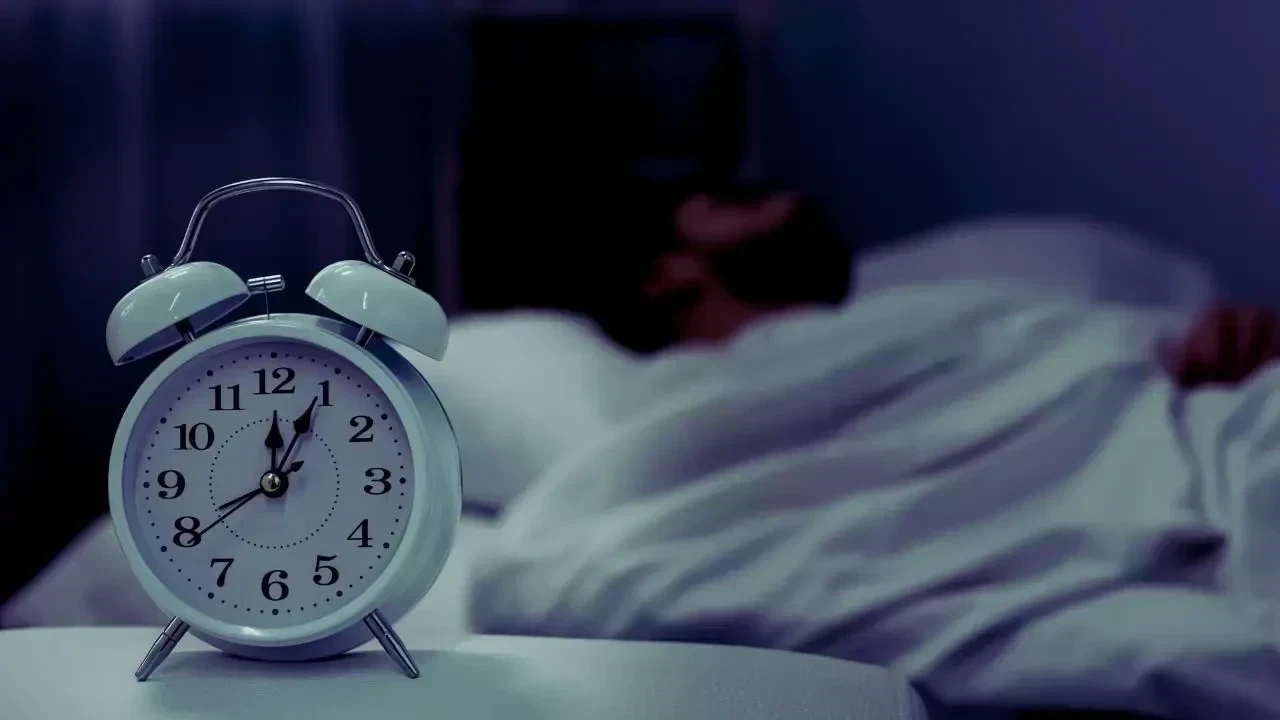
Sleep, once taken for granted, has morphed into a nightly battle for countless individuals. Across the globe, people find themselves wide awake in the dark, scrolling through social media or wrestling with restless minds. What was once considered mere stress has escalated into a worldwide health crisis.
Experts assert that sleep deprivation transcends medical concerns; it represents a societal epidemic molded by contemporary lifestyles. The repercussions extend beyond mere tiredness—chronic insomnia is linked to heart ailments, diabetes, depression, obesity, weakened immune systems, and even reduced life expectancy. Alarmingly, the younger generations are growing up without a grasp of what healthy sleep truly entails.
This crisis knows no borders; it affects both affluent and underprivileged nations, urban and rural alike. Whether it’s the blue glow of screens in bedrooms or work emails encroaching on personal time, people are sleeping less than ever.
The pertinent question is not whether poor sleep is widespread,
but rather: What has led to this escalating sleep crisis?
Sleep loss operates in the shadows. Unlike pandemics that manifest visible symptoms, this crisis subtly infiltrates daily life until exhaustion becomes the new standard.
Healthcare professionals now equate insufficient sleep to risks similar to smoking or lack of exercise. Yet, on a social level, sleeplessness is often worn like a badge of honor—evidence of diligence or ambition. In truth, it is slowly eroding both physical and mental well-being.
Hospitals are reporting increased incidents of fatigue-related mishaps, psychologists are observing spikes in emotional instability, and heart specialists warn that sleep deprivation is hastening cardiac damage among younger patients.
Sleep is not merely rest—it serves as a biological reset. When it falters, bodily systems begin to break down.
The proliferation of smartphones, tablets, and televisions in sleeping areas has reshaped nighttime into another work shift for the mind. The blue light emitted by these devices hampers melatonin production, the hormone that promotes sleep.
However, it’s not just light that poses a challenge—mental stimulation is the larger culprit.
We increasingly take stress to bed in the form of notifications, news, and endless entertainment. Instead of winding down, our minds remain active, consuming information until the early hours. This mental overwhelm delays sleep initiation and disrupts our sleep cycles.
Once peaceful sanctuaries for relaxation, bedrooms have transformed into digital control hubs.
The idea of “after-hours” is becoming obsolete. Remote working has blurred the lines between office and home. Late-night emails, looming deadlines, and the dread of falling behind spur midnight productivity.
In numerous economies, overwork has become the norm. People sacrifice sleep to showcase their commitment. The irony is that fatigued employees tend to make poorer decisions, work slower, and lack the creativity needed for their roles. The outcome is a workforce that appears busy but is undeniably burnt out.
Sleep is often seen as an option until the body demands it.
Financial concerns, political instability, social turmoil, and climate change fears—all contribute to an unprecedented level of negative information exposure.
The brain can’t differentiate between genuine threats and perceived risks; both stimulate similar reactions. The barrage of news and social media keeps stress hormones elevated, hindering deeper sleep.
People may lie down, but their minds remain hyper-vigilant, scanning the night for potential dangers.
This isn’t a simple case of insomnia;
it’s emotional overload.
Midnight meals, rotating work shifts, and late nights followed by early wake-ups wreak havoc on the body’s internal clock.
Circadian rhythms govern our sleep cycles, hormone distributions, digestion, and body temperatures. When these rhythms are persistently disrupted, internal chaos unfolds; people feel awake at night and lethargic during the day.
Such timing inconsistencies lead to deteriorating sleep quality.
The youth are the most sleep-deprived generation to date. Early school hours, excessive screen time, social pressures, and intense competition rob them of precious rest.
Insufficient sleep in youth leads to impaired memory, learning difficulties, emotional instability, and long-lasting health issues.
Extended hours and anxiety over performance leave professionals feeling drained yet overstimulated. Many find it hard to rest despite fatigue.
This disconnect between mind and body results in chronic fatigue syndromes that persist without conscious lifestyle adjustments.
Sleep disruptions linked to children, obligations, and household responsibilities build up silently. Over time, serious effects manifest as depression, weakened immunity, and cognitive decline.
Being exhausted doesn’t declare a hero; it creates silent sufferers.
Sleep patterns naturally change with age, yet modern stress exacerbates this issue. Many older adults report broken sleep, early awakenings, and daytime lethargy.
Poor sleep among older individuals raises the risk for falls, memory decline, and heart diseases.
During sleep, blood pressure typically decreases, allowing blood vessels to recuperate. Chronic sleep deprivation keeps the body in a state of arousal.
This elevates heart workload, inflammation, and the risk of strokes.
Insufficient sleep disrupts hunger hormones, leading to cravings for sugars, fats, and stimulants.
Energy slumps induce overeating, not out of hunger, but due to fatigue.
Lack of sleep worsens anxiety and depression, eroding emotional resilience.
Sleeplessness acts as both a trigger and a symptom of mental health disorders.
Individuals with poor sleep quality fall ill more frequently and take longer to recover.
Sleep is vital for immune cell regeneration; its absence leads to rising illness rates.
Society venerates exhaustion.
“Sleep when you achieve success.”
“I’ll rest when I can.”
“I thrive on four hours a night.”
These beliefs are not commendable—they are harmful.
Productivity without recuperation paves the way to burnout, health issues, and emotional numbing. Sleep is not indulgent; it is repair.
Running machinery without oil is unthinkable.
Your body deserves rest, too.
Ensure your sleep space is dark, quiet, cool, and technology-free.
Eliminate screens.
Silence alerts.
Reclaim the bedroom’s intended purpose.
Maintain consistent sleeping and waking times—even on weekends.
Predictable routines teach the body when to rest.
Calming techniques, gentle reading, soft lighting, or stretching can help shift your focus from stress to relaxation.
Prepare for sleep instead of scrolling through screens.
Avoid engaging with conflict, news, or drama before sleep.
The brain mirrors what it digests.
Consider sleep as vital to health as nutrition.
Poor sleep cannot be “made up” later.
Technology is here to stay. Work won’t lessen.
The answer is not to flee modern life but to redefine it.
Societies must choose:
Shall we prioritize efficiency at the expense of health,
or pursue progress that supports human well-being?
Sleep isn’t obsolete—it’s indispensable.
Unless we collectively acknowledge the importance of sleep, this hidden crisis will continue to flourish, adversely affecting lives in silence.
Sleep isn’t a reward earned at day’s end.
It’s a biological necessity, as crucial as air and water.
This crisis may not shout for attention—no alarms or quarantines—but its effects will resonate for generations.
The world may be awake.
But humanity is in a state of exhaustion.
Disclaimer:
This article is for informational purposes only and should not replace professional medical advice. Those experiencing persistent sleep issues should consult a qualified healthcare provider for assessment and treatment.

Winter Skin Care: 10 Hydrating Drinks That Give Natural Glass Skin Glow
Learn how simple winter drinks keep your skin hydrated reduce dryness and support a natural glass sk

10 Songs That Carry the Same Grit and Realness as Banda Kaam Ka by Chaar Diwari
From underground hip hop to introspective rap here are ten songs that carry the same gritty realisti

PPG and JAFZA Launch Major Tree-Planting Drive for Sustainability
PPG teams up with JAFZA to plant 500 native trees, enhancing green spaces, biodiversity, and air qua

Dubai Welcomes Russia’s Largest Plastic Surgery Team
Russia’s largest plastic surgery team launches a new hub at Fayy Health, bringing world-class aesthe
The Art of Negotiation
Negotiation is more than deal making. It is a life skill that shapes business success leadership dec

Hong Kong Dragon Boat Challenge 2026 Makes Global Debut in Dubai
Dubai successfully hosted the world’s first Hong Kong dragon boat races of 2026, blending sport, cul

Ghanem Launches Regulated Fractional Property Ownership in KSA
Ghanem introduces regulated fractional real estate ownership in Saudi Arabia under REGA Sandbox, ena

Winter Skin Care: 10 Hydrating Drinks That Give Natural Glass Skin Glow
Learn how simple winter drinks keep your skin hydrated reduce dryness and support a natural glass sk

Why Drinking Soaked Chia Seeds Water With Lemon and Honey Before Breakfast Matters
Drinking soaked chia seeds water with lemon and honey before breakfast may support digestion hydrati

Morning Walk vs Evening Walk: Which Helps You Lose More Weight?
Morning or evening walk Learn how both help with weight loss and which walking time suits your body

What Really Happens When You Drink Lemon Turmeric Water Daily
Discover what happens to your body when you drink lemon turmeric water daily including digestion imm

DXB News Network Presents “Ctrl+Alt+Wim”, A Bold New Satirical Series Starring Global Entertainer Wim Hoste
DXB News Network premieres Ctrl+Alt+Wim, a bold new satirical micro‑series starring global entertain

High Heart Rate? 10 Common Causes and 10 Natural Ways to Lower It
Learn why heart rate rises and how to lower it naturally with simple habits healthy food calm routin

10 Simple Natural Remedies That Bring Out Your Skin’s Natural Glow
Discover simple natural remedies for glowing skin Easy daily habits clean care and healthy living ti

Mattel Revamps Masters of the Universe Action Figures for Upcoming Film
Mattel is set to revive Masters of the Universe action figures in sync with their new movie, ignitin