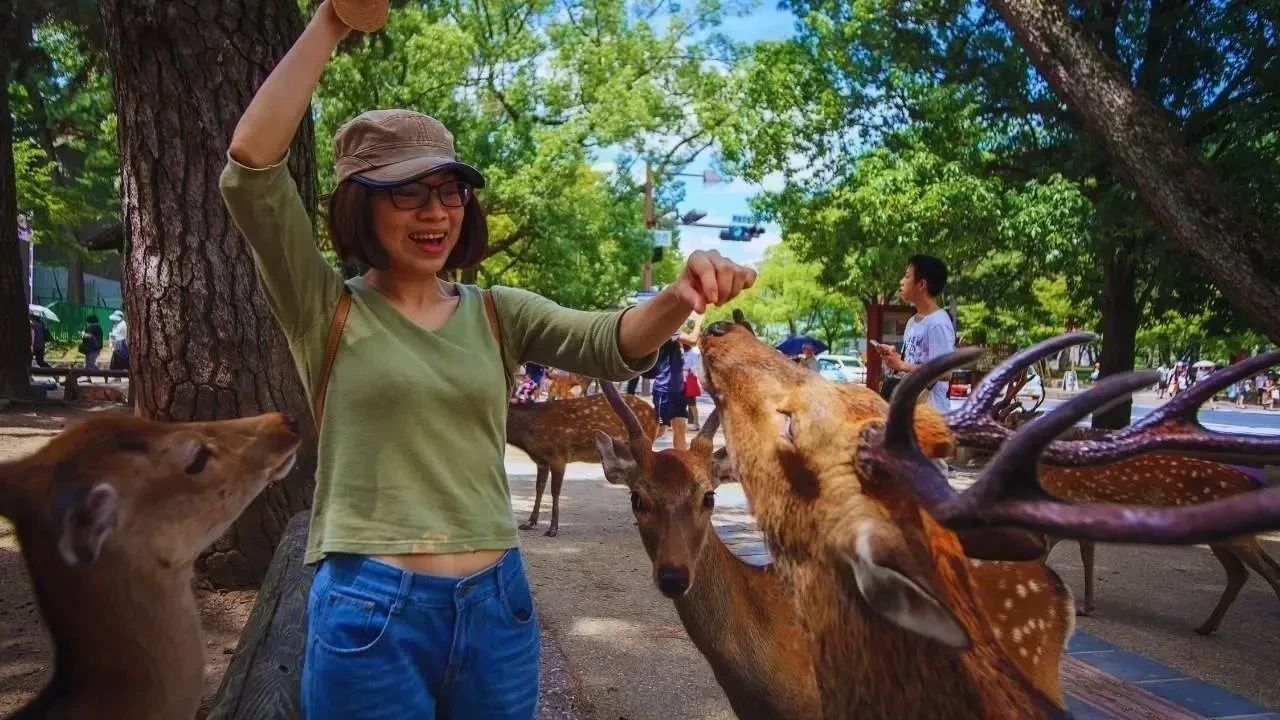
Post by : Anis Karim
Over the past year, there has been a clear movement toward travel experiences that offer calm, authenticity, and connection with the natural world. Wildlife parks — once considered niche holiday destinations — have suddenly stepped into mainstream popularity. What was earlier a favourite of wildlife enthusiasts and photographers alone has now become a preferred choice for families, young professionals, students, and even corporate groups.
This shift is not accidental. The modern traveller is dealing with long work hours, digital fatigue, reduced attention spans, and a strong desire to disconnect from urban chaos. Wildlife parks provide the exact opposite of a regular city break: slower rhythms, clean air, raw landscapes, and an unmatched sense of grounding.
One of the strongest reasons behind the growing visitor numbers is the revived interest in outdoor experiences. In many places, travellers are deliberately choosing nature-driven trips instead of crowded urban destinations. The quietness of forests, the thrill of spotting animals in their natural habitat, and the feeling of being surrounded by green spaces offer a mental recharge that modern work culture rarely provides.
People have realised that time spent outdoors isn’t just recreational — it is essential for mental stability. Long hours indoors, increased screen exposure, and reduced physical movement have created overwhelming burnout among adults. Wildlife parks offer an avenue where visitors naturally move, breathe differently, sleep better, and feel mentally lighter.
Another key driver of the surge is the rising appeal of sustainable travel. Consumers today are increasingly conscious of their carbon footprint and the environmental impact of their trips. Wildlife parks are aligned with this awareness. They represent biodiversity, conservation, and the protection of fragile ecosystems — all values today’s travellers want to support.
Slow tourism, which encourages travellers to spend more time at a destination and experience it deeply instead of rushing through a checklist, fits perfectly with wildlife park environments. A wildlife safari or nature trail is not rushed; it requires patience, silence, and attentive observation. This rhythm resonates with people who, after months of stressful routines, are seeking slower, meaningful experiences.
More families are now choosing wildlife parks because they offer something for both children and adults. For children, it is an immersive learning environment. Instead of reading about animals, they can see them up close, observe their behaviour, and understand coexistence. Parents, on the other hand, enjoy the break from city chores and the chance to introduce their kids to nature in an engaging, memorable way.
Wildlife parks provide structured activities, guided trails, and educational sessions that make them family-friendly. They are also generally safer and better regulated than unstructured forest visits, giving parents peace of mind. For many children, a wildlife park trip becomes one of their most exciting memories, which further encourages parents to make such visits regular.
Urban professionals now prefer short-distance escapes that can be covered over a weekend. Wildlife parks are often located within a few hours’ drive from major cities, making them ideal for short breaks. Instead of long vacations requiring extensive planning, travellers can easily decide on a Friday evening to head out for a nature-filled weekend.
This trend is amplified by the culture of remote working and flexible hours. People can extend their weekends, work from eco-lodges near parks, or spend Mondays in nature before heading back to the city. Wildlife parks have quickly adapted, with many offering improved accommodation, better road connectivity, and curated travel experiences.
The surge in wildlife park visits is also tied to the deep influence of social media. Stunning safari shots, dramatic animal encounters, and picturesque landscapes have become widely shared online. As more people come across these visual stories, the desire to personally experience a safari grows stronger.
Travel influencers, wildlife photographers, and adventure bloggers have played an important role. Their videos and stories showcase wildlife parks not as intimidating wilderness zones but as accessible, safe destinations full of beauty. Many families and young travellers admit that their interest in visiting parks began after seeing animal sightings, particularly dramatic moments like a big cat crossing the road or a rare bird perched on a tree.
Travel is no longer only about leisure; it has become a form of personal wellness. Wildlife parks, with their peaceful atmospheres and natural soundscapes, align perfectly with wellness tourism. Forests are scientifically known to reduce stress hormones, improve breathing, enhance immune response, and foster emotional clarity.
This is why many wellness retreats now partner with wildlife parks or are located near forest belts. They offer guided meditation, nature walks, yoga sessions, and mindful observation tours. Visitors are drawn to parks not just for animal sightings, but for the emotional reset these environments provide.
Recent years have transformed the priorities of travellers. Safety, open spaces, and socially distanced experiences became essential preferences. Wildlife parks naturally offered all three, resulting in a heightened flow of visitors. Even though global travel has resumed normalcy, the preference for open, nature-oriented areas has stayed.
The pandemic period rekindled people’s appreciation for outdoors, fresh air, and natural environments. Travellers who once preferred malls, indoor attractions, or city-specific tourism have now moved toward more open landscapes. This behavioural change is one of the strongest contributors to the ongoing visitor surge.
Wildlife parks have significantly improved their visitor experience. Enhanced road networks, comfortable stays, refined safari vehicles, trained naturalists, and organised booking systems have made these parks far more accessible than they used to be.
Modern travellers value convenience. Parks that earlier required long waits or uncertain booking slots now provide structured timing, online reservations, and real-time updates. This ease of planning has played a crucial role in attracting new visitors.
Additionally, staff training, better safety protocols, and improved communication have made visitors feel more confident during their trips. Families who once hesitated due to unfamiliarity now travel comfortably.
Wildlife parks are essential contributors to regional economies. The surge in tourism is directly benefitting local communities living around these protected areas. The rising demand for guided safaris, forest stays, handicrafts, and cultural experiences has led to increased employment.
Local residents are getting involved as naturalists, lodge staff, transport providers, craft sellers, and conservation workers. This local participation adds authenticity and creates a sustainable tourism loop that benefits everyone — travellers, communities, and the environment.
The knowledge and storytelling offered by community members enhance the visitor experience, making these trips culturally rich in addition to being naturally beautiful.
One of the most powerful reasons behind the visitor surge is the emotional thrill that comes with wildlife encounters. Whether it’s the sight of a deer herd crossing the pathway, the sound of a distant roar, or the unexpected appearance of a leopard on a rock, the excitement is incomparable.
These raw, unfiltered moments create lifelong memories. People return to wildlife parks because no two safaris are ever the same. Each visit offers different sightings, different weather patterns, and different natural rhythms. This sense of unpredictability and adventure keeps travellers coming back.
Visitors today are hungry for experiences that are enriching, not just entertaining. Wildlife parks offer deep learning opportunities about ecosystem balance, predator-prey relationships, forest compositions, and the importance of conservation.
Schools and colleges are increasingly organising educational trips to wildlife parks. Teachers find that students understand ecology far better when they observe it directly. For adults too, learning about conservation issues adds seriousness and meaning to their travels.
Many wildlife conservation programs have shown success in recent years. The increasing population of certain species, restoration of habitats, and improved forest health have become widely publicised. Positive news about wildlife inspires people to visit parks and witness these transformations firsthand.
Visitors feel a sense of pride when they see animals flourishing under well-managed conservation efforts. The idea that their entry tickets also help in conservation funding gives travellers satisfaction and purpose.
Digital fatigue is one of the biggest modern stresses. People are exhausted with constant notifications, screens, meetings, and multitasking. Wildlife parks provide an unplugged environment where signals are weak, screens are unnecessary, and the mind can genuinely disconnect.
This digital detox is one of the most underrated but powerful reasons people keep returning to forest destinations. They experience quieter minds, better sleep, and a sense of mental clarity — something no gadget can provide.
The surge in wildlife park visitors is not a passing trend. With increasing awareness of mental health, sustainability, and eco-conscious travel, wildlife parks will continue to attract more travellers in the coming years. Parks that adapt with improved infrastructure, responsible tourism practices, and inclusive facilities will see long-term growth.
As the world becomes more urbanised and fast-paced, people will continue to search for spaces where nature dictates the rhythm. Wildlife parks offer exactly that — a sanctuary from noise, a reminder of balance, and a priceless chance to witness life in its purest form.
This article is for informational and educational purposes only. It does not promote unsafe travel activities. Visitors are advised to follow local wildlife regulations and park guidelines for a safe and responsible experience.

Winter Skin Care: 10 Hydrating Drinks That Give Natural Glass Skin Glow
Learn how simple winter drinks keep your skin hydrated reduce dryness and support a natural glass sk

10 Songs That Carry the Same Grit and Realness as Banda Kaam Ka by Chaar Diwari
From underground hip hop to introspective rap here are ten songs that carry the same gritty realisti

PPG and JAFZA Launch Major Tree-Planting Drive for Sustainability
PPG teams up with JAFZA to plant 500 native trees, enhancing green spaces, biodiversity, and air qua

Dubai Welcomes Russia’s Largest Plastic Surgery Team
Russia’s largest plastic surgery team launches a new hub at Fayy Health, bringing world-class aesthe

The Art of Negotiation
Negotiation is more than deal making. It is a life skill that shapes business success leadership dec
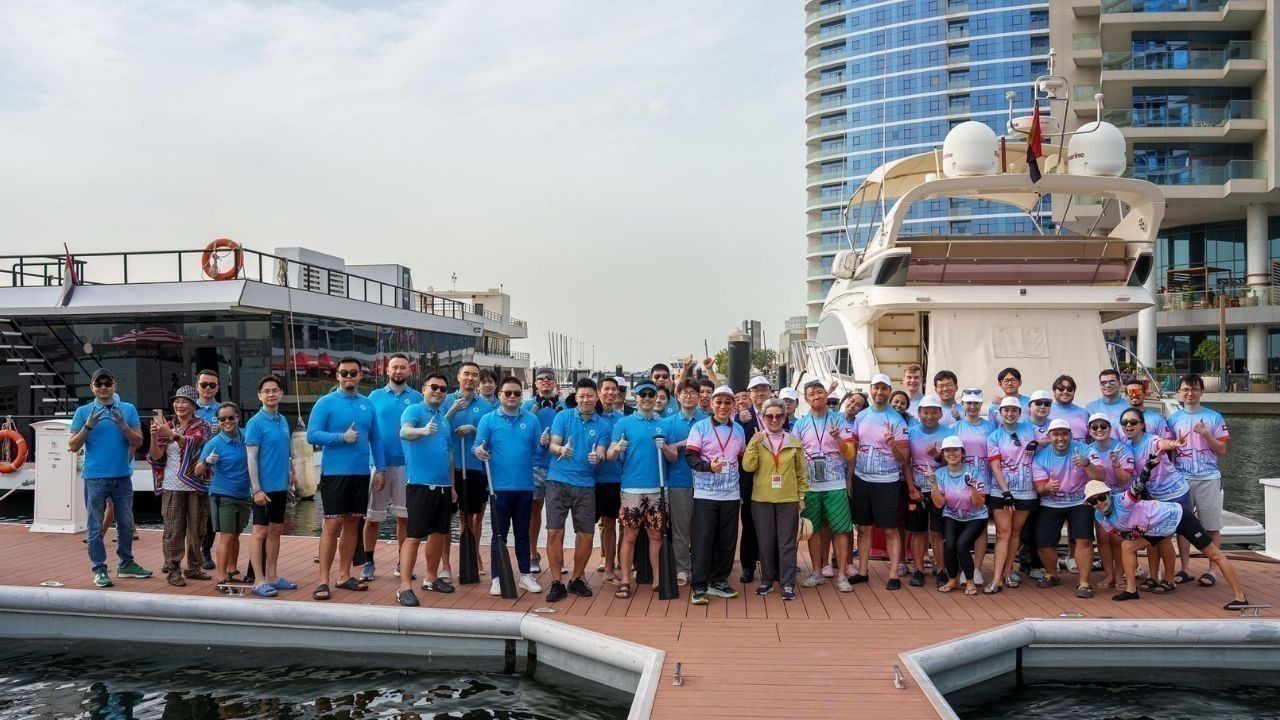
Hong Kong Dragon Boat Challenge 2026 Makes Global Debut in Dubai
Dubai successfully hosted the world’s first Hong Kong dragon boat races of 2026, blending sport, cul

Ghanem Launches Regulated Fractional Property Ownership in KSA
Ghanem introduces regulated fractional real estate ownership in Saudi Arabia under REGA Sandbox, ena

Winter Skin Care: 10 Hydrating Drinks That Give Natural Glass Skin Glow
Learn how simple winter drinks keep your skin hydrated reduce dryness and support a natural glass sk

Why Drinking Soaked Chia Seeds Water With Lemon and Honey Before Breakfast Matters
Drinking soaked chia seeds water with lemon and honey before breakfast may support digestion hydrati

Morning Walk vs Evening Walk: Which Helps You Lose More Weight?
Morning or evening walk Learn how both help with weight loss and which walking time suits your body

What Really Happens When You Drink Lemon Turmeric Water Daily
Discover what happens to your body when you drink lemon turmeric water daily including digestion imm

DXB News Network Presents “Ctrl+Alt+Wim”, A Bold New Satirical Series Starring Global Entertainer Wim Hoste
DXB News Network premieres Ctrl+Alt+Wim, a bold new satirical micro‑series starring global entertain

High Heart Rate? 10 Common Causes and 10 Natural Ways to Lower It
Learn why heart rate rises and how to lower it naturally with simple habits healthy food calm routin

10 Simple Natural Remedies That Bring Out Your Skin’s Natural Glow
Discover simple natural remedies for glowing skin Easy daily habits clean care and healthy living ti

Mattel Revamps Masters of the Universe Action Figures for Upcoming Film
Mattel is set to revive Masters of the Universe action figures in sync with their new movie, ignitin