
Post by : Anis Karim
Around the world, sleep has moved from being a casual concern to a major wellbeing priority. People now understand that poor sleep affects everything—energy, productivity, mood, metabolism, immunity and long-term health. With increasing work pressures, irregular routines, digital overload and environmental stress, quality sleep has become harder to achieve for many.
This shift has led to a new wave of sleep aids that go far beyond traditional remedies. Modern solutions blend technology, behavioural science, design and comfort engineering. From light-based therapies to mattresses that track body signals, sleep support is undergoing a transformation.
In 2025, people are no longer just counting hours of rest—they’re seeking deeper, more restorative sleep. And innovative sleep aids are shaping how they achieve it.
Before exploring new tools, it helps to understand how sleep works. The body follows a natural sleep-wake rhythm known as the circadian cycle. Light exposure, temperature, hormones and daily habits influence this rhythm.
Modern sleep aids target these factors by:
regulating light
optimising temperature
reducing stress signals
supporting relaxation
improving sleep environment
enhancing natural cues for rest
The goal is not to force sleep but to create the right conditions for it to occur naturally.
Light therapy has become one of the most popular modern sleep aids. It focuses on managing light exposure—the strongest signal that influences circadian rhythms.
The body wakes up with bright light and winds down with soft, low light. Screens, indoor lighting and inconsistent routines disrupt this natural cycle. Light therapy helps restore balance.
Many people use bright-light lamps shortly after waking to stabilise their body clock. These devices simulate natural sunlight, especially helpful for:
individuals with late-night routines
people living in low-sunlight regions
those struggling with sluggish mornings
Consistent morning light helps regulate hormones like cortisol and melatonin, resulting in better sleep at night.
Soft, warm-toned lights in the evening help signal the brain that it's time to slow down. Devices such as sunset simulation lamps gradually dim the light to mimic a natural sunset.
Light therapy tools are becoming fixtures in bedrooms worldwide because they blend seamlessly into everyday routines.
Mattresses have evolved far beyond foam and springs. Smart mattresses are now a major sleep aid category, offering personalised comfort.
Temperature plays a crucial role in sleep quality. The body naturally cools before falling asleep. Smart mattresses adjust temperature through:
cooling layers
air channels
thermal sensors
dynamic climate control
This prevents overheating—one of the biggest sleep disruptors.
Some smart mattresses detect sleep movement patterns. They track:
tossing
turning
restless behaviour
sleep depth trends
This gives users insight into how well they are sleeping, helping them adjust habits.
For couples, dual-zone control allows each person to customise their side of the bed. One person may prefer a cooler setting, while the other prefers warmth. Smart mattresses make this balance effortless.
These mattresses can adjust firmness based on pressure points. If the body sinks too much, the mattress provides support. If it stiffens, the system softens it.
Smart mattresses represent a merging of engineering and wellbeing, making them a major trend in 2025 sleep solutions.
Weighted blankets have grown in popularity because they use deep-pressure stimulation—a calming technique that promotes relaxation. The gentle weight helps:
reduce nighttime anxiety
lower restlessness
create a cocoon-like feeling
promote a sense of security
People who struggle with racing thoughts often find weighted blankets grounding. They’re widely used for adults, children and elders.
Sound-based sleep aids are gaining traction because noise disturbances are common. Continuous ambient sound helps block sudden noises that interrupt sleep.
White noise machines generate consistent sound that masks disruptive noises. They’re especially helpful for:
city dwellers
shift workers
light sleepers
Pink noise has deeper, more balanced tones—like rainfall or wind—which some find more soothing for deep sleep.
Ocean waves, forest ambience or soft rain sounds help people relax and transition into sleep more easily.
Soundscape apps, bedside machines and wearable sleep earbuds have made these tools accessible.
While not new, aromatherapy has evolved with modern formulations designed specifically for sleep. Essential oils such as lavender, bergamot and chamomile help promote relaxation.
Sleep sprays on pillows or diffusers create calming environments that prepare the mind for rest. They’re inexpensive, portable and easy to include in nightly routines.
Sleep trackers have become more accurate and less intrusive. They measure metrics like:
heart rate changes
breathing patterns
sleep cycles
stress levels
REM and deep sleep proportions
These insights help users understand their habits and make adjustments. Modern trackers come in:
watches
rings
headbands
under-mattress sensors
bedside monitors
The goal is not just data collection but behavioural support.
Screens emit blue light, which delays melatonin—the hormone that signals sleep. Modern aids include:
blue-light–filtering glasses
screen software that adjusts colour
warm-tone settings on devices
auto-dimming smartphone features
Reducing blue light exposure in the last hour of the day significantly improves sleep initiation.
Stress is one of the biggest sleep disruptors. New gadgets help users unwind before bed.
These include:
guided breathing devices
handheld relaxation tools
bedside meditation pods
compact calming lights that sync with breathing rhythms
They gently train the body to relax, making sleep onset easier.
Some wearables help regulate body temperature during sleep. They track fluctuations and adjust external temperature through connected devices like smart blankets or room-cooling systems.
Keeping the body at the right temperature supports deeper sleep cycles.
Smart curtains open gradually with morning light or close automatically in the evening. Automated lighting sets the atmosphere without effort.
This creates a natural light cycle indoors, which supports healthier sleep patterns, especially for people with irregular work schedules.
Interestingly, sleep aids aren’t always technological. Many people are shifting towards minimal bedroom setups that reduce clutter and stimulation.
This includes:
neutral colour palettes
soft lighting
simple bedding
less device presence
quiet décor
A calmer environment naturally promotes better sleep.
Evening routines supported by sleep technology are becoming more common. Many people use:
warm lighting
guided meditation
aroma diffusers
relaxation playlists
cooling pillows
breathing trackers
These create a wind-down rhythm that signals the brain to slow down.
While devices help, behaviour still matters. The most effective sleep aids support changes such as:
consistent sleep timings
reduced caffeine intake after afternoon
light evening meals
digital cut-off periods
daily physical movement
sleep-friendly bedroom temperatures
Technology works best when paired with mindful routines.
The biggest shift in 2025 sleep aids is the focus on individual needs. One person may need cooling technology, another may benefit most from sound machines, while someone else prefers light therapy.
Personalised sleep plans—supported by data from trackers and smart environments—are becoming the norm.
People are learning that sleep isn’t one-size-fits-all. It’s deeply personal.
Sleep technology will continue to evolve. Upcoming innovations may include:
AI-driven mattress adjustments
temperature-responsive bedding
environmental sleep mapping
advanced hormonal insights
smart pillows with breath sensors
noninvasive sleep environment controls
The future aims to make sleep support effortless and intuitive.
This article is for general informational and lifestyle purposes only. It does not offer medical, therapeutic or diagnostic advice. Individuals with persistent sleep issues should consult a healthcare professional.

Dubai Launches Commercial Driverless Taxis with Apollo Go
Dubai Taxi Company partners with Baidu’s Apollo Go to launch driverless taxis, advancing Dubai’s sma
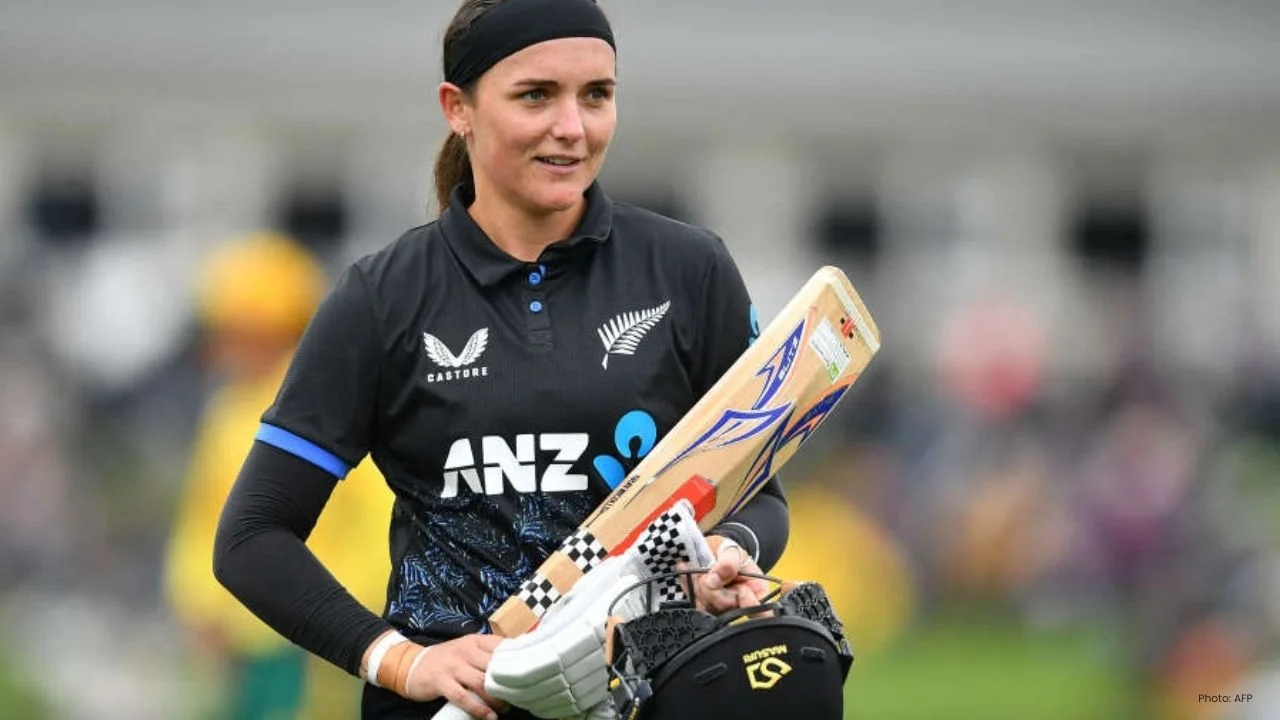
Amelia Kerr Leads NZ to Record ODI Run Chase Against SA
Amelia Kerr’s unbeaten 179 powers New Zealand to record-breaking 348-run chase, beating South Africa
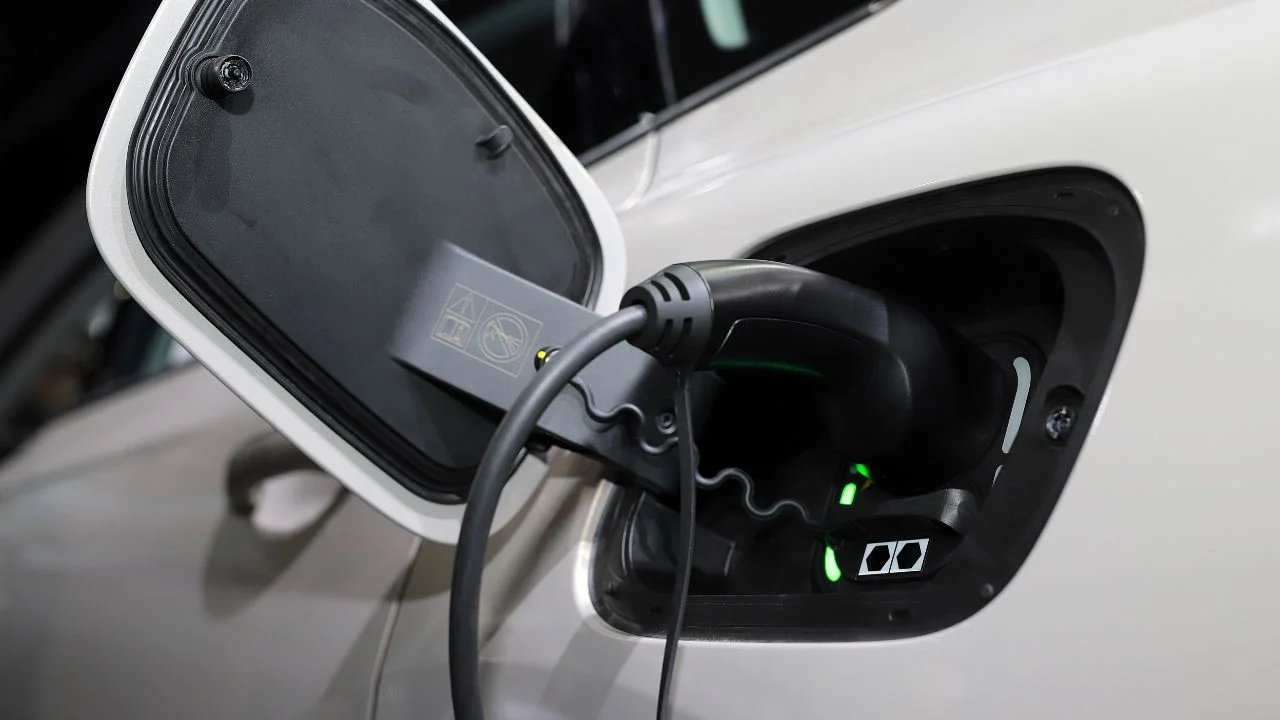
Sharjah Issues New Rules for Electric Vehicle Chargers
Sharjah’s Executive Council sets rules for EV charging stations, detailing installation, tariffs, sa
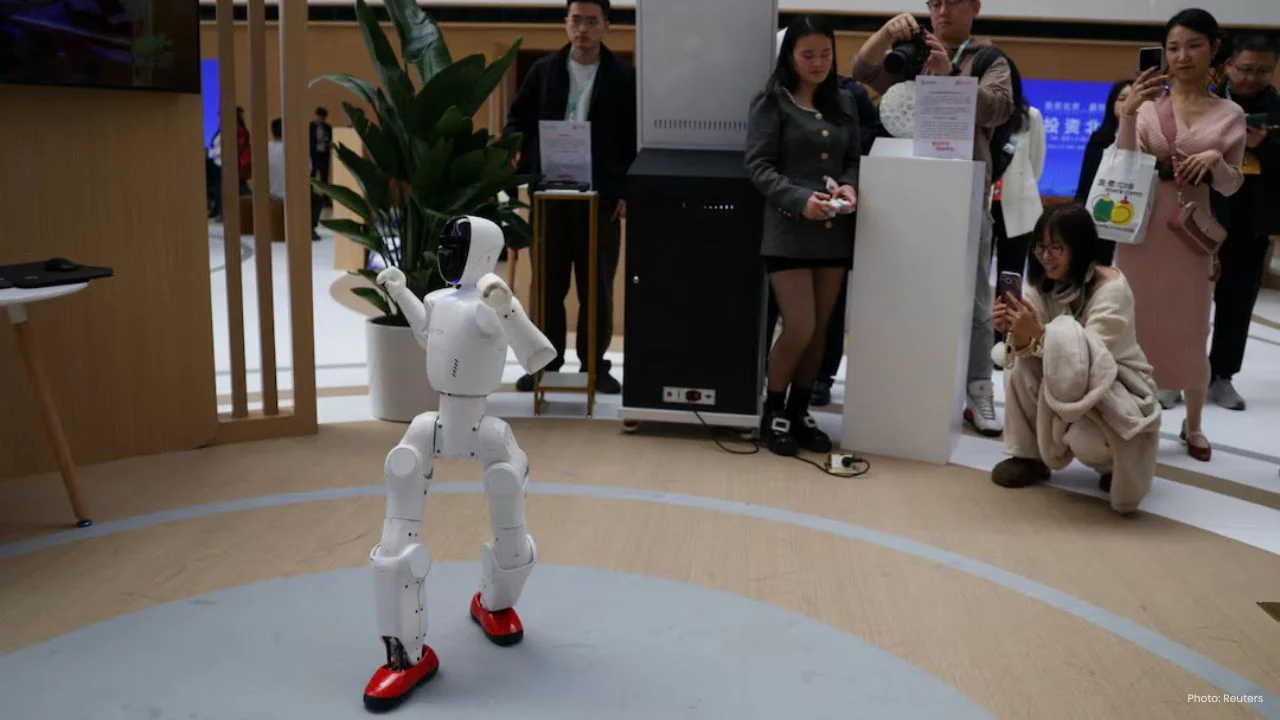
China VC Funding Hits Record on State-Driven Tech Push
China’s venture capital fundraising is set to hit a record in Q1 2026, led by state-backed investors

Russian Military Plane Crash in Crimea Kills 29 People
A Russian An-26 military plane crashed in Crimea, killing 29 onboard. Authorities suspect technical
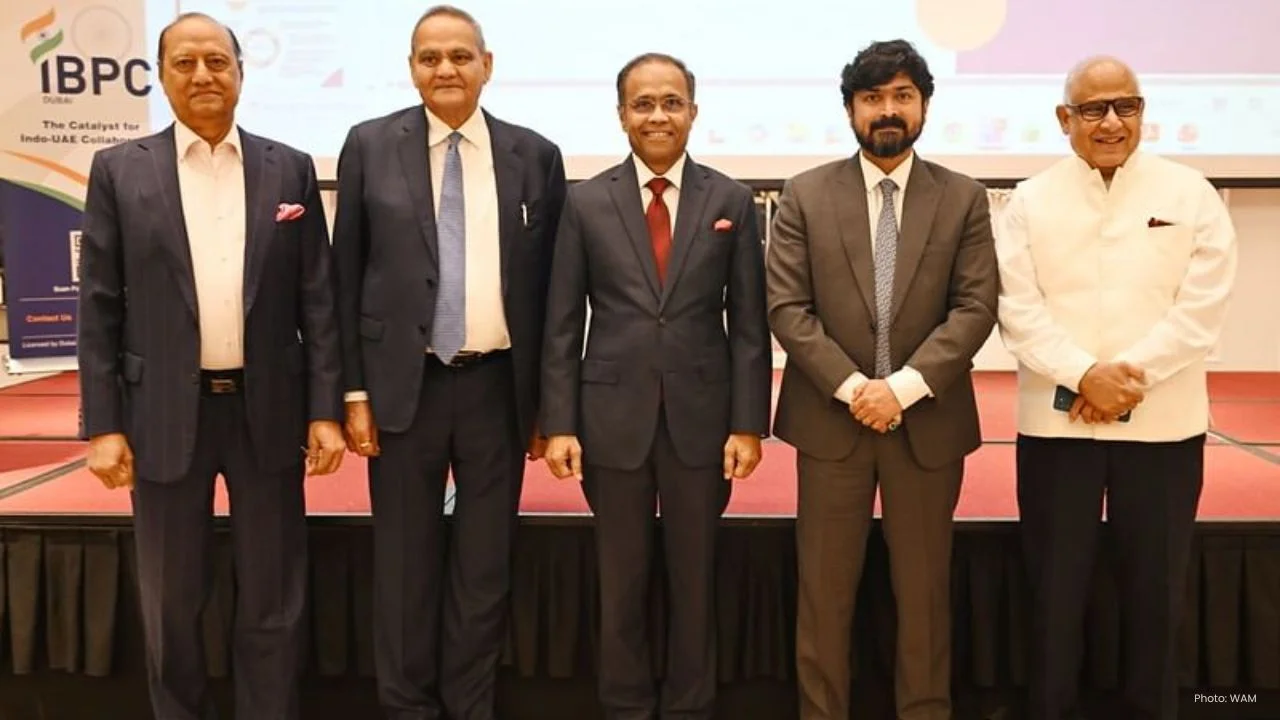
IBPC Dubai AGM Strengthens India-UAE Economic Ties
IBPC Dubai AGM highlights growth, inclusivity, and upcoming conclaves, reinforcing India-UAE economi

EU Urges Protection of UNIFIL After Peacekeeper Deaths
EU nations demand protection of UNIFIL forces after deadly attacks, urging restraint and warning aga


Bank of Baroda Faces Abu Dhabi Legal Battle over NMC Collapse
Bank of Baroda’s involvement in Abu Dhabi litigation tied to the NMC Healthcare collapse raises repu

Top Museum Openings of 2026 Set to Transform Global Tourism
From Los Angeles to Abu Dhabi and Brussels, 2026 brings major museum launches—Lucas Museum, Guggenhe

UAE Tour Highlights UAE’s Strength in Hosting Global Sports Events
Abu Dhabi Sports Council says the successful UAE Tour reflects the UAE’s leading role in hosting maj

EU Seeks Clarity from US After Supreme Court IEEPA Ruling
European Commission urges full transparency from the US on steps after Supreme Court ruling, emphasi

SpaceX Launches 53 New Satellites for Expanding Starlink Network
SpaceX launches 53 Starlink satellites in two Falcon 9 missions, breaking reuse records and expandin

RTA Awards Contract for Phase II of Hessa Street Upgrade in Dubai
Phase II of Hessa Street Development to add bridges, tunnel, and upgraded intersections, doubling ca

UAE Gold Prices Today, Monday 16 February 2026: Dubai & Abu Dhabi Updated Rates
Gold prices in UAE on 16 Feb 2026 updated: 24K around AED 599.75/gm, 22K AED 555.25/gm, and 18K AED

Over 25 Ahmedabad Schools Receive Bomb Threat Email, Authorities Investigate
More than 25 schools in Ahmedabad evacuated after bomb threat emails mentioning Khalistan. Authoriti