Post by : Anis Karim
In the first days of November 2025, the usual hum of social‑media chatter in India began to shift: what started as online petitions and viral hashtags quickly turned into organised rallies, street pickets and public demonstrations. These flashpoints—sparked by digital awareness, amplified by influencers, and matured in real‑world mobilisations—point to a new dynamic in activism: one where online content flows seamlessly into offline action.
Understanding how this transition happened matters. For news writers, community organisers, and policy watchers alike, these events serve as case studies in digital mobilisation, state response and the new landscape of public dissent. This article traces several of the most visible flashpoints from that period, analysing what the issues were, how they spread, who responded and what lessons they offer for future movements.
At the heart of each of these moments lies a familiar pattern:
Trigger event: A specific incident or announcement (for example, a new policy, a viral video or an online call‑out).
Online amplification: A petition, hashtag, short‑form video or shared post that surges, often across platforms.
Mobilisation: People plan or join events, often within days—both digitally (virtual meetings, Zoom calls) and physically (street protests, sit‑ins).
Institutional response: Government, police or corporate systems act—sometimes with delay, sometimes rapidly.
Media & social feedback: Mainstream media covers the event, social media loops the coverage back in, and the cycle may repeat.
What makes November 2025 especially interesting is how several of these patterns overlapped: multiple issues lit up social feeds almost simultaneously, creating a stacked sequence of activism. Let’s examine some of them.
In the state of Kerala, a union of inland fisherfolk raised the alarm over a newly announced seaplane project. According to recent reports, unions claimed the project would impose a 2.5‑km fishing ban in major inland centres, threatening longstanding livelihoods. The Times of India
Shortly after the announcement, a petition addressed to state ministries circulated widely. WhatsApp‑forwarded messages and social‑platform posts decried “fishermen losing access to lakes” and “tourism development costing local jobs.” The petition framed the change as not just economic but cultural—an assault on traditional inland fishing communities.
Within days, local unions mobilised protests across Ernakulam and nearby districts. The move from petition to physical mobilisation was rapid—driven by urgency and strong local networks. Road blockades, union pickets and public meetings followed.
Demonstrates how digital petitions can serve as initiation vectors for real‑world protests.
Highlights how infrastructure projects that threaten livelihoods can become viral when framed as community injustice.
The issue gained national visibility partly because of the contrast: high‑tech tourism vs age‑old fishing practices.
While the Kerala case concerned rural communities, another trend emerged among urban youth: protests tied to digital rights. Though not always front‑page news, civil society groups flagged issues like exclusion of women journalists, press briefings without transparency and suppression of protest through online channels. Instagram
An Instagram post dated 14 November in Karnataka accused authorities of blocking protest spaces and limiting digital coverage. The post called for an online petition and a “digital sit‑in” #ScreenOffSpeakOut. The hashtag gained traction among urban youth and media aspirants.
Within a week, informal gatherings popped up in city parks, co‑working spaces and independent media hubs. Protesters carried signs reading “Digital silence is real silence” and “Not offline, not ignored.” Their demands were not only about one specific policy—they targeted broader issues of transparency, media access and digital suppression.
Shows how digital natives use online petitions and hashtags to mobilise quickly.
Reflects how digital spaces themselves can become sites of protest.
Demonstrates that activism need not focus on classic issues (jobs, land) but also on rights of access, expression and representation in the digital age.
The third category of flashpoints was subtler: consumer‐activism turned into protest. These involved lifestyle markets, brand campaigns and environmental debates that were sparked online.
For example: a brand campaign released in late October triggered backlash when it emerged that their “eco‑friendly” packaging was still rooted in virgin plastic. A petition circulated, tagging the brand and urging a boycott. Within days, small gatherings took place outside selected brand stores, especially in metros.
Though less about tearing down systems and more about holding brands accountable, these protests were noteworthy because they relied heavily on social media as both trigger and organiser.
Unlike previous decades where protest took weeks to organise, the events of early November 2025 moved from petition form to street action in days. Digital tools accelerated mobilisation, lowering barriers to activation.
Traditional protest movements often involved unions, political parties or defined interest groups. Now we see: consumer groups, media workers, heritage communities, coastal villages. Each uses social media, but each has different language, form and focus.
These flashpoints rarely remain purely digital or purely physical; they blend both. A petition leads to a tweet leads to a rally. This hybridisation changes how we should think of ‘activism’. It’s no longer only in the town square.
Social media doesn’t just cause protests—it amplifies them, sometimes dramatically. When mainstream media picks up an online petition or protest clip, the movement can escalate. This cycle increases visibility and pressure on decision‐makers.
For governments and large institutions, these flashpoints illustrate new vulnerabilities: policies that spark only minor discontent can, via online amplification, turn into larger disruptions. The reputational risk is high. How authorities respond—transparently or heavy‑handedly—matters for democracy, legitimacy and public trust.
While digital tools enable fast mobilisation, they often lack the cohesion and long‑term structure of traditional movements. A viral petition might succeed once but fade soon after. Sustaining protest beyond the initial burst remains a challenge.
Social media can amplify dissent — but it can also deepen divides. Some flashpoints fall prey to polarised narratives, making mediation harder. Effective message framing is crucial, both for protesters and authorities.
Rapid protests place pressure on institutions. Heavy‑handed responses (internet shutdowns, arrests, demolition) may polarise further. Conversely, slow or opaque responses can fuel frustration. Managing this balance is a challenge for any democratic state.
Participation still depends on digital access. Rural or marginalised groups may struggle to use petitions or hashtags. So while digital activism is powerful, it risks excluding those without digital access.
Watch early signals: A petition, hashtag or social post can signal an emerging flashpoint.
Track both digital and physical data: Searches, shares, petitions matter — but so do offline responses and protests.
Localise global trends: While the form may look global (hashtag, petition), the issues are often local (fisher rights, digital journalism, consumer accountability).
Frame for search & engagement: Titles like “How online petitions sparked real‑world protest in Kerala’s fishing belt” or “When a brand’s green claim turned into a street rally” work well.
Humanise the story: Behind every digital flare‑up are real people—fishers, content creators, neighbours. Voices matter.
Petitions & hashtags that cross‑pollinate between platforms. A TikTok clip plus a Twitter thread plus a WhatsApp petition = high mobilisation risk.
Hybrid protest models: Flash mobilisations that use both digital and street tactics.
Rapid responses from authorities or brands: Whether they react slowly or aggressively often determines the flashpoint’s trajectory.
Issues of control and access: Digital rights, media exclusion, livelihood disruptions are areas likely to trigger further events.
Media amplification: The loop between social media and mainstream media remains powerful. A short video can move from phone screens to prime‑time in hours.
Early November 2025 has shown us a new playbook for public mobilisation. Online petitions are no longer side‑notes—they’re launchpads. Virality is the spark. Real‑world protest is the flame. And the cycle is faster than ever before.
For those writing, reporting or analysing these phenomena, the key is to trace that full trajectory: from a post or petition, through mobilisation, to response. Because in today’s networked world, activism doesn’t wait—it evolves.
The question now is not only what people are protesting, but how they’re doing it. And the answer lies in the seamless interplay between digital and physical spaces.
This article is for informational and editorial purposes only. It analyses recent trends in digital activism and public protest in India, based on publicly available media and social‑media data. It does not endorse any specific movement, organisation or protest action.
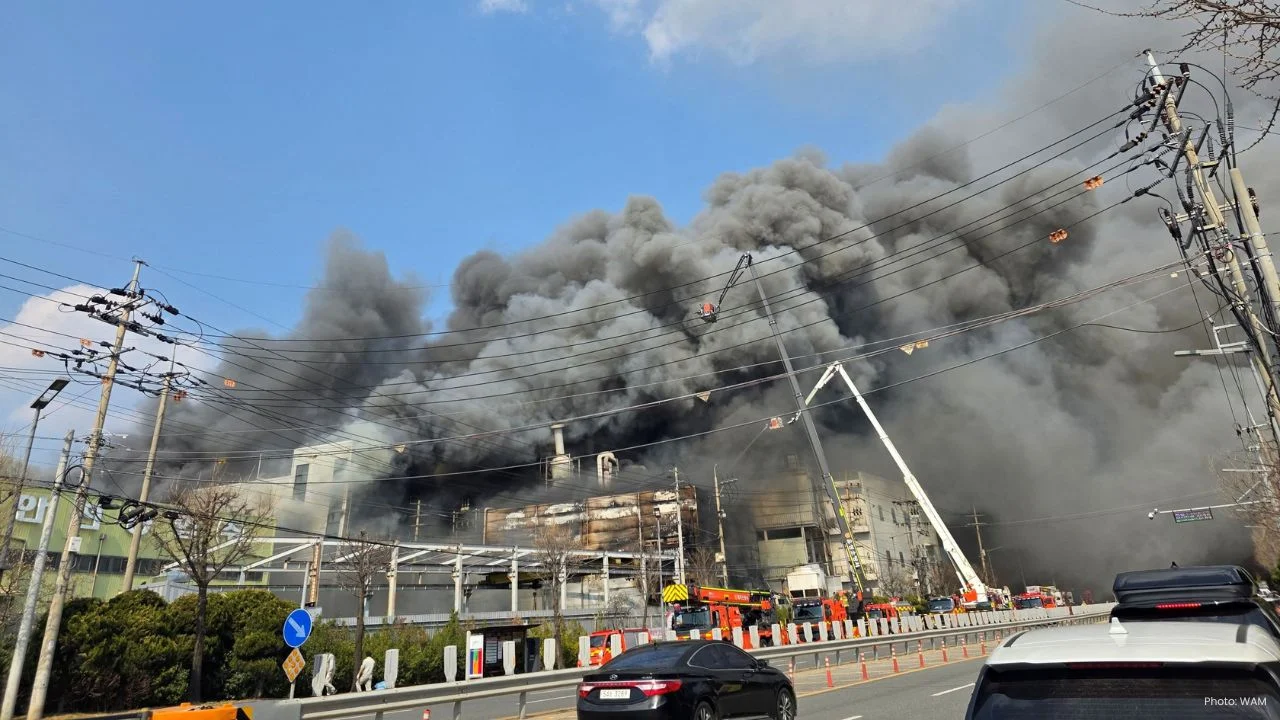
Deadly Factory Fire in Daejeon Kills 11, Several Missing
A massive fire at an auto parts factory in Daejeon, South Korea, has killed 11 people, injured 59, a
Sanofi Opens Innovation Centre in Chengdu China
Sanofi opens its first China Innovation Centre in Chengdu, boosting R&D, clinical trials, and supply

Jordan, Egypt Condemn Terror Plot Targeting UAE
Jordan and Egypt strongly condemn a terror plot targeting the UAE’s economy, reaffirming support for

Elon Musk Found Liable in Twitter Investor Case
A US jury found Elon Musk liable for misleading Twitter investors in 2022 deal, awarding up to $2.1

BTS Comeback Concert Draws 260K Fans in Seoul
BTS holds a mega comeback concert in Seoul with 260,000 fans, marking their first album in 3 years a
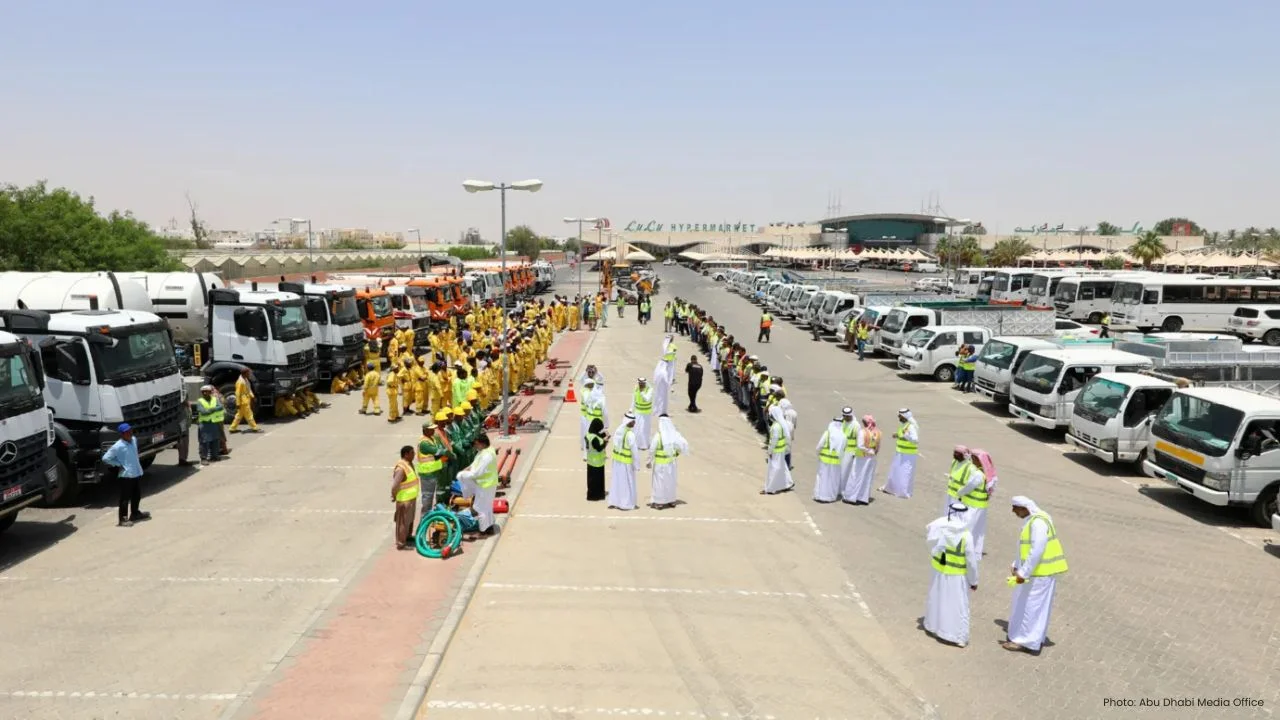
UAE DMT Prepares for Weather Alert March 21–27
Abu Dhabi’s DMT activates emergency plans, deploys teams, and urges public caution as unstable weath
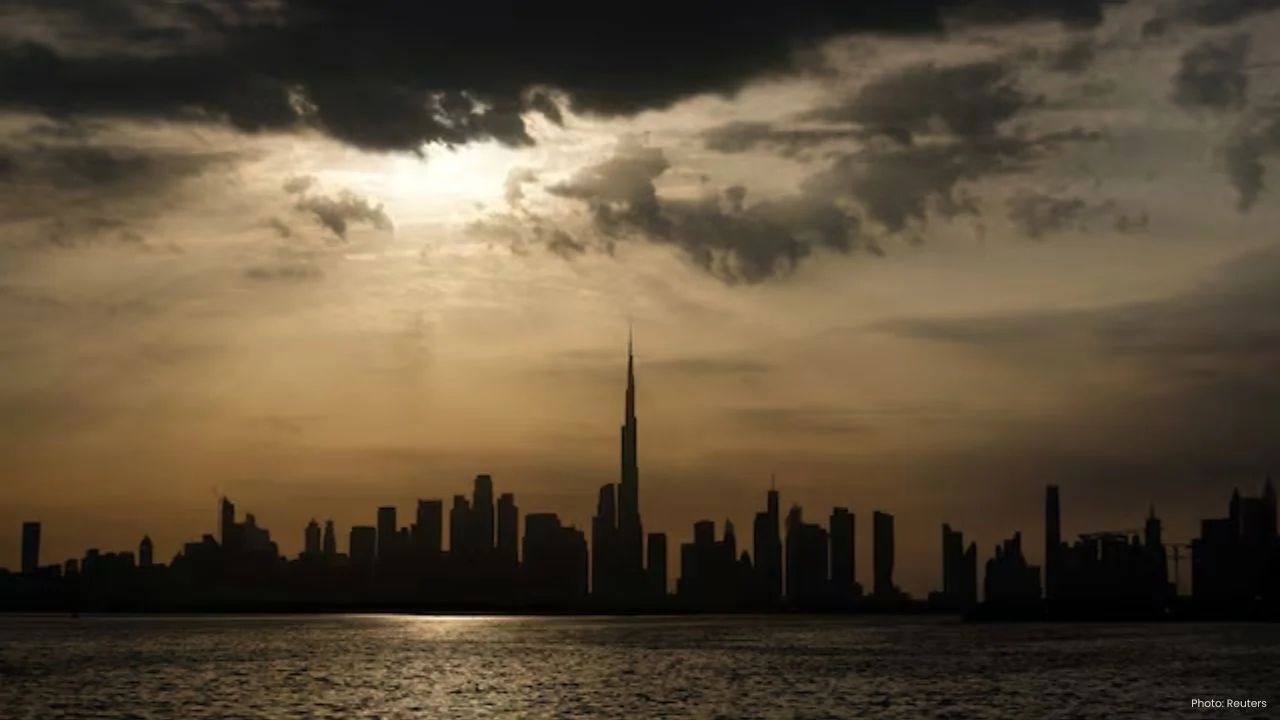
Dubai Property Market Faces War-Driven Slowdown
Dubai’s real estate market shows early slowdown as Iran war impacts investor confidence, with fallin


Bank of Baroda Faces Abu Dhabi Legal Battle over NMC Collapse
Bank of Baroda’s involvement in Abu Dhabi litigation tied to the NMC Healthcare collapse raises repu
Top Museum Openings of 2026 Set to Transform Global Tourism
From Los Angeles to Abu Dhabi and Brussels, 2026 brings major museum launches—Lucas Museum, Guggenhe

UAE Tour Highlights UAE’s Strength in Hosting Global Sports Events
Abu Dhabi Sports Council says the successful UAE Tour reflects the UAE’s leading role in hosting maj
EU Seeks Clarity from US After Supreme Court IEEPA Ruling
European Commission urges full transparency from the US on steps after Supreme Court ruling, emphasi

SpaceX Launches 53 New Satellites for Expanding Starlink Network
SpaceX launches 53 Starlink satellites in two Falcon 9 missions, breaking reuse records and expandin

RTA Awards Contract for Phase II of Hessa Street Upgrade in Dubai
Phase II of Hessa Street Development to add bridges, tunnel, and upgraded intersections, doubling ca

UAE Gold Prices Today, Monday 16 February 2026: Dubai & Abu Dhabi Updated Rates
Gold prices in UAE on 16 Feb 2026 updated: 24K around AED 599.75/gm, 22K AED 555.25/gm, and 18K AED

Over 25 Ahmedabad Schools Receive Bomb Threat Email, Authorities Investigate
More than 25 schools in Ahmedabad evacuated after bomb threat emails mentioning Khalistan. Authoriti