Post by : Michael Darzi
For a long time, people believed that sleeping well simply meant getting into bed early and waking up after several hours. But life today is very different. Late-night scrolling, stress from work, long hours on screens, and irregular routines have made it harder for many people to enjoy truly restful sleep. Even after spending seven or eight hours in bed, a lot of people still wake up feeling tired and heavy.
This is where technology is changing the game. Smartwatches, fitness bands, and sleep-tracking apps are helping people understand what actually happens while they sleep. These devices quietly monitor your heart rate, body movement, breathing pattern, and sleep cycle through the night. With this information, you can finally learn why you sometimes wake up full of energy — and why on other days, you feel drained even after sleeping for hours.
The idea behind smart sleep tracking is simple: when you can see what affects your sleep, you can also fix it.
Most people count sleeping hours and assume that is enough. But sleep is not just about the number of hours you spend in bed. What truly matters is the quality of your rest.
Smart devices show:
how long you take to fall asleep
how much deep sleep, light sleep, and REM sleep you get
how many times you wake up
how restless you were in the night
your heart rate while resting
This information helps you understand what is disturbing your sleep and what habits are supporting it.
Sleep is divided into different stages, and each stage plays a special role in recovery:
Light sleep helps you relax.
Deep sleep repairs your body, boosts immunity, and restores your energy.
REM sleep helps with learning, memory, and emotional balance.
If you don’t get enough deep sleep, you may wake up exhausted.
If REM sleep is low, you may struggle to focus during the day.
Sleep trackers show how much time you spend in every stage. This helps you understand why some nights feel restful and others do not, even if the total hours look the same.
Many sleep issues go unnoticed because they happen silently. Smart devices can pick up small signs such as:
frequent turning and tossing
breathing interruptions
sudden increases in heart rate
brief wake-ups you don’t remember
not entering deep sleep for long
These signs can point to stress, unhealthy habits, or even early signs of sleep disorders. When people see these patterns, they can make better lifestyle choices or seek medical help if needed.
The way you sleep at night depends heavily on what you do during the day. Smart devices help connect your actions with your sleep quality.
For example:
Drinking coffee late in the day may reduce deep sleep
Using your phone before bed can lower your REM sleep
An evening walk may help you fall asleep faster
High stress levels may increase nighttime awakenings
These insights help people build better routines without guesswork.
General sleep advice does not work for everybody. Each person has a different body rhythm. Smart devices use your personal data to give custom suggestions, such as:
the best time for you to sleep
whether your room is too warm or too cold
when to stop using screens
when to avoid heavy food
when to drink more water
when to try breathing exercises
These simple adjustments make a big difference in sleep quality.
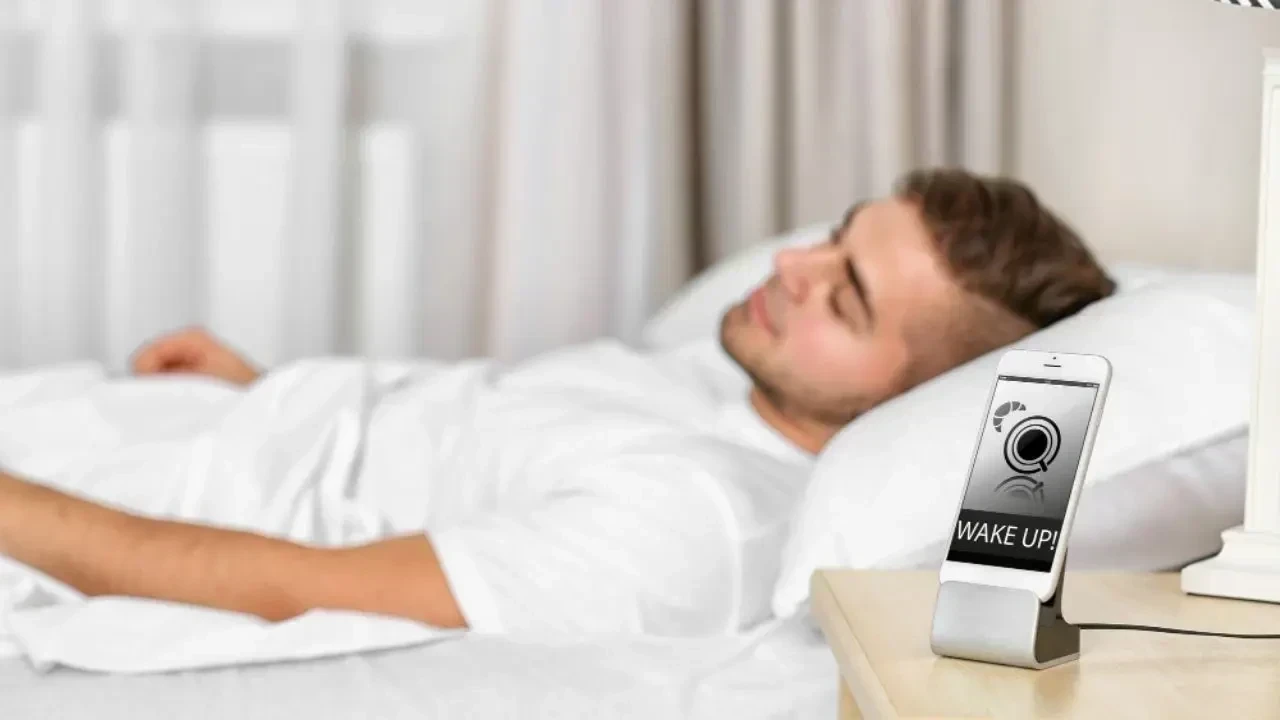
Traditional alarms wake you up at the same time every day, even if you are in deep sleep. This is why you sometimes wake up feeling shocked, confused, or unusually tired.
Smart alarms are different. They wait for the right moment — when you are in light sleep — to wake you gently. This makes mornings smoother and helps you start the day with better mood and energy.
Good sleep affects every part of your life. Improving sleep quality can lead to:
stronger immunity
better memory
stable mood
healthier weight
improved heart health
better focus and productivity
more energy throughout the day
When people begin to understand their sleep patterns, they naturally start fixing their habits — and their overall health improves as a result.
Technology is improving quickly. In the coming years, sleep devices may be able to:
detect early signs of sleep disorders
adjust room lighting and temperature on their own
study stress-related changes
suggest vitamins or nutrients your body needs
prepare full sleep plans based on your lifestyle
connect directly with doctors for better guidance
Sleep tracking will continue to become smarter and more personalised.
Good sleep is no longer a mystery. With the help of smart devices, you can now understand what happens while you sleep and why you wake up feeling a certain way. These tools study your sleep cycle, give personalised advice, and help you build better habits.
You don’t need complicated routines to improve your sleep. With one simple device and a few healthy changes, you can transform your nights — and wake up with more energy, clearer focus, and a much healthier mind and body.
This article is meant for general awareness only. Smart sleep devices can help you understand your sleep patterns, but they cannot diagnose medical conditions. If you experience ongoing sleep problems, severe tiredness, loud snoring, breathing pauses, or difficulty staying asleep, please consult a doctor or a qualified sleep specialist for proper evaluation and treatment.

Dubai Launches Govt Auditor Diploma to Boost Oversight
Dubai launches 4th Govt Auditor Diploma with MBRSG to train professionals, boost transparency, and i
Dubai Strengthens Global Position Amid Uncertainty
Dubai business leaders highlight strong growth, resilience, and investor confidence driven by leader

Dubai Starts 12km Historic Al Ras Walkway Project
Dubai RTA begins Phase 1 of Al Ras Walkway with 12km paths, cycling tracks, art spaces and better co

Dubai Allows 24/7 Truck Movement to Boost Logistics
Dubai extends 24/7 truck movement to support logistics, excluding key tunnels. Authorities urge driv

BoE Holds Rates at 3.75% as Iran War Fuels Inflation
Bank of England holds rates at 3.75% as Iran war drives oil prices up, raising inflation risks and d

Ananya Panday shines at Lakme Fashion Week 2026
Ananya Panday walked as showstopper for Rahul Mishra at Lakme Fashion Week 2026, wearing an ivory ou
Gold Prices Edge Up, Set for Third Weekly Decline
Gold prices rose slightly but are heading for a third weekly loss as a strong US dollar and Fed tigh


Bank of Baroda Faces Abu Dhabi Legal Battle over NMC Collapse
Bank of Baroda’s involvement in Abu Dhabi litigation tied to the NMC Healthcare collapse raises repu

Top Museum Openings of 2026 Set to Transform Global Tourism
From Los Angeles to Abu Dhabi and Brussels, 2026 brings major museum launches—Lucas Museum, Guggenhe

UAE Tour Highlights UAE’s Strength in Hosting Global Sports Events
Abu Dhabi Sports Council says the successful UAE Tour reflects the UAE’s leading role in hosting maj

EU Seeks Clarity from US After Supreme Court IEEPA Ruling
European Commission urges full transparency from the US on steps after Supreme Court ruling, emphasi

SpaceX Launches 53 New Satellites for Expanding Starlink Network
SpaceX launches 53 Starlink satellites in two Falcon 9 missions, breaking reuse records and expandin

RTA Awards Contract for Phase II of Hessa Street Upgrade in Dubai
Phase II of Hessa Street Development to add bridges, tunnel, and upgraded intersections, doubling ca

UAE Gold Prices Today, Monday 16 February 2026: Dubai & Abu Dhabi Updated Rates
Gold prices in UAE on 16 Feb 2026 updated: 24K around AED 599.75/gm, 22K AED 555.25/gm, and 18K AED

Over 25 Ahmedabad Schools Receive Bomb Threat Email, Authorities Investigate
More than 25 schools in Ahmedabad evacuated after bomb threat emails mentioning Khalistan. Authoriti