Post by : Sam Jeet Rahman
Many people feel tired even after a full night’s sleep. Low energy is often not caused by illness but by small daily habits that quietly drain the body and mind. Irregular routines, poor hydration, long sitting hours, mental overload, and lack of movement slowly reduce natural energy production. Improving energy does not always require supplements or stimulants; simple daily habits can make a noticeable difference.
Waking up at the same time every day helps regulate the body’s internal clock. When sleep and wake times constantly change, the body struggles to maintain stable energy levels. A fixed morning routine improves alertness, digestion, and hormone balance, making it easier to feel energized throughout the day.
Mild dehydration is one of the most common causes of fatigue. After hours of sleep, the body needs water to restart metabolic processes. Drinking water shortly after waking up supports blood circulation, brain function, and muscle activity. Many people mistake dehydration-related fatigue for low stamina or weakness.
Morning sunlight signals the brain to reduce sleep hormones and increase alertness. Even ten to fifteen minutes of natural light exposure helps regulate circadian rhythm, improves mood, and boosts daytime energy. Sitting near a window or stepping outside briefly can make a difference.
Skipping meals or eating highly processed foods leads to energy crashes. Meals that combine protein, healthy fats, and complex carbohydrates provide steady fuel. Irregular eating patterns cause blood sugar fluctuations, resulting in tiredness, irritability, and lack of focus.
Sugary snacks and drinks provide temporary energy followed by sharp crashes. This cycle increases fatigue over time. Choosing whole foods such as fruits, nuts, yogurt, and grains helps maintain consistent energy without sudden drops.
Long periods of sitting reduce blood flow and oxygen supply to muscles and the brain. Light movement such as walking, stretching, or standing improves circulation and instantly increases alertness. Regular movement also reduces stiffness and mental fatigue.
You do not need intense workouts to feel energetic. Short sessions of light exercise improve oxygen delivery and release feel-good chemicals in the brain. Even ten minutes of activity can refresh energy levels more effectively than caffeine.
Poor posture compresses the lungs and restricts breathing, reducing oxygen intake. Sitting upright with relaxed shoulders supports better breathing and prevents muscle fatigue. Improved posture often leads to better concentration and reduced tiredness.
Caffeine can be helpful when used moderately but harmful when overused. Relying on caffeine late in the day disrupts sleep quality, leading to next-day fatigue. Limiting caffeine to earlier hours helps maintain natural energy rhythms.
Constant multitasking drains mental energy. Focusing on one task at a time reduces cognitive exhaustion and improves efficiency. Taking short mental breaks helps the brain recover and maintain alertness.
Shallow breathing reduces oxygen supply and increases fatigue. Slow, deep breathing for a few minutes lowers stress hormones and refreshes energy levels naturally. This habit is especially useful during work-related stress.
Energy depends more on sleep quality than total sleep hours. Consistent sleep timing, reduced screen exposure before bed, and a calm nighttime routine support deeper, more restorative sleep. Better sleep leads to higher daytime energy without extra effort.
Late-night screen exposure delays natural sleep signals. This reduces deep sleep stages, causing morning tiredness. Reducing screen time before bed improves sleep quality and next-day energy.
Fresh air and natural surroundings help reduce mental fatigue. Even short outdoor breaks improve mood and energy levels. Nature exposure supports emotional balance and reduces stress-related tiredness.
Large gaps between meals or excessive refined carbohydrates cause energy dips. Eating small, balanced meals keeps blood sugar stable, supporting sustained energy throughout the day.
Positive social interactions stimulate the brain and reduce emotional exhaustion. Isolation can increase mental fatigue, especially in work-from-home routines. Regular interaction helps maintain motivation and emotional energy.
Overthinking, excessive news consumption, or work discussions late at night increase mental fatigue. Calming activities before sleep help the brain reset, leading to better energy the next day.
Frequent yawning, brain fog, irritability, and lack of motivation are signs that daily habits need adjustment. Addressing these early prevents long-term fatigue.
Natural energy improves gradually with consistent habits. Sudden changes or extreme routines are difficult to sustain. Small daily improvements lead to lasting results.
Sustained energy improves productivity, mood stability, physical health, and overall quality of life. People with stable energy levels experience fewer stress-related issues and better long-term well-being.
Improving energy levels naturally does not require drastic lifestyle changes. Simple daily habits related to sleep, movement, hydration, nutrition, and mental balance can significantly enhance how energetic you feel. Consistency is the key to turning small actions into lasting vitality.
This article is for general informational purposes only and does not replace professional medical advice. Individuals experiencing persistent fatigue or underlying health conditions should consult a qualified healthcare professional for proper evaluation and guidance.

Abu Dhabi Launches Community Responder App Initiative
Abu Dhabi launches Community Responder app to empower volunteers, improve emergency response speed,

Dubai Rolls Out New Economic Relief Measures for Growth
Dubai unveils AED1B relief package easing fees and boosting liquidity for hospitality and businesses

Murder Suspect Returns to Geylang Crime Scene for Investigation
Singapore police revisit Geylang as a 48-year-old suspect faces charges in the fatal stabbing of a 7

Malaysia Stresses Discipline in New WFH Policy
Malaysia's government emphasizes productivity and discipline for remote workers starting April 15, u
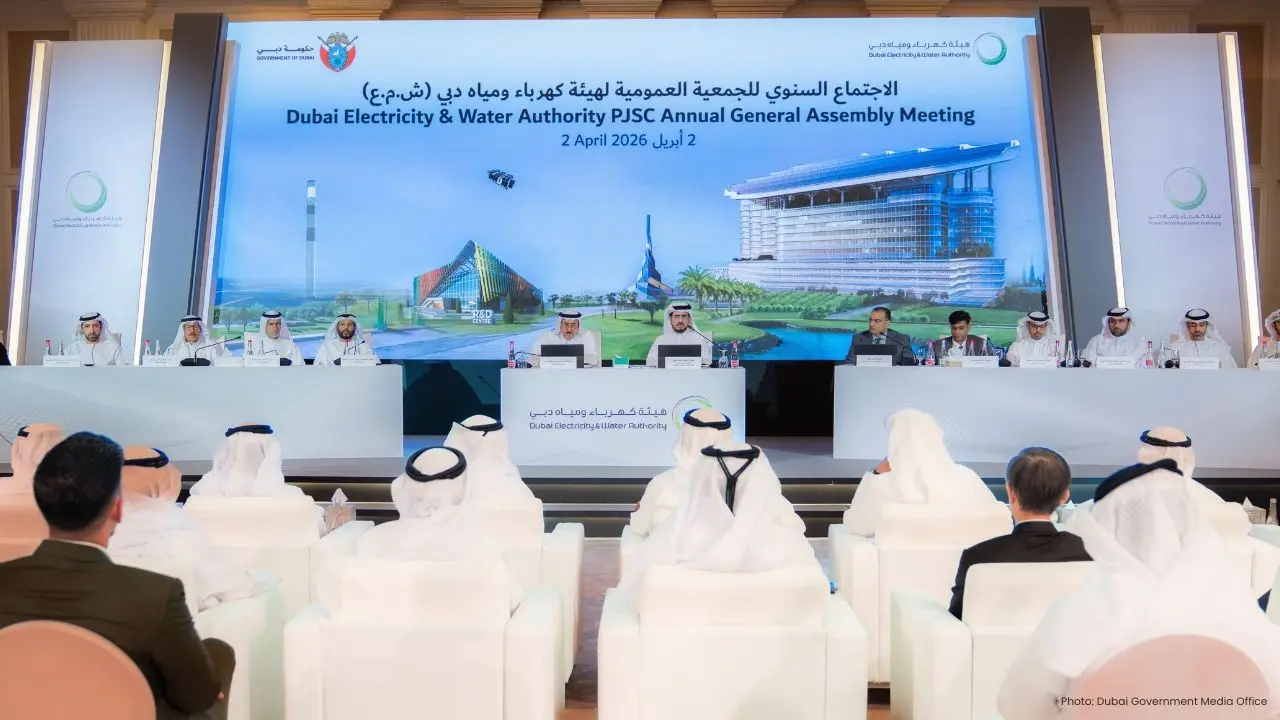
DEWA Approves AED 3.1B Dividend for H2 2025 Shareholders
DEWA shareholders approve AED 3.1B dividend for H2 2025. Revenue hit AED 32.84B with 25% profit grow

GOP Leaders Unveil Plan to End DHS Partial Shutdown
House and Senate GOP leaders propose a two-track plan to fund DHS, aiming to end the record-long shu
Northern California Shaken by Early Morning 4.6 Earthquake
A 4.6 magnitude earthquake struck near Boulder Creek, CA, early Thursday, shaking homes across a 100


Murder Suspect Returns to Geylang Crime Scene for Investigation
Singapore police revisit Geylang as a 48-year-old suspect faces charges in the fatal stabbing of a 7

NASA Launches Artemis II Crew for 10-Day Lunar Mission
NASA launches Artemis II with four astronauts for a 10-day Moon mission, marking the first crewed lu

Dubai RTA, Ministry Partner for Family First Programme
Dubai RTA and Ministry of Family partner to enhance transport, urban spaces, and services under Fami

Bank of Baroda Faces Abu Dhabi Legal Battle over NMC Collapse
Bank of Baroda’s involvement in Abu Dhabi litigation tied to the NMC Healthcare collapse raises repu

Top Museum Openings of 2026 Set to Transform Global Tourism
From Los Angeles to Abu Dhabi and Brussels, 2026 brings major museum launches—Lucas Museum, Guggenhe

UAE Tour Highlights UAE’s Strength in Hosting Global Sports Events
Abu Dhabi Sports Council says the successful UAE Tour reflects the UAE’s leading role in hosting maj

EU Seeks Clarity from US After Supreme Court IEEPA Ruling
European Commission urges full transparency from the US on steps after Supreme Court ruling, emphasi

SpaceX Launches 53 New Satellites for Expanding Starlink Network
SpaceX launches 53 Starlink satellites in two Falcon 9 missions, breaking reuse records and expandin