Post by : Anis Karim
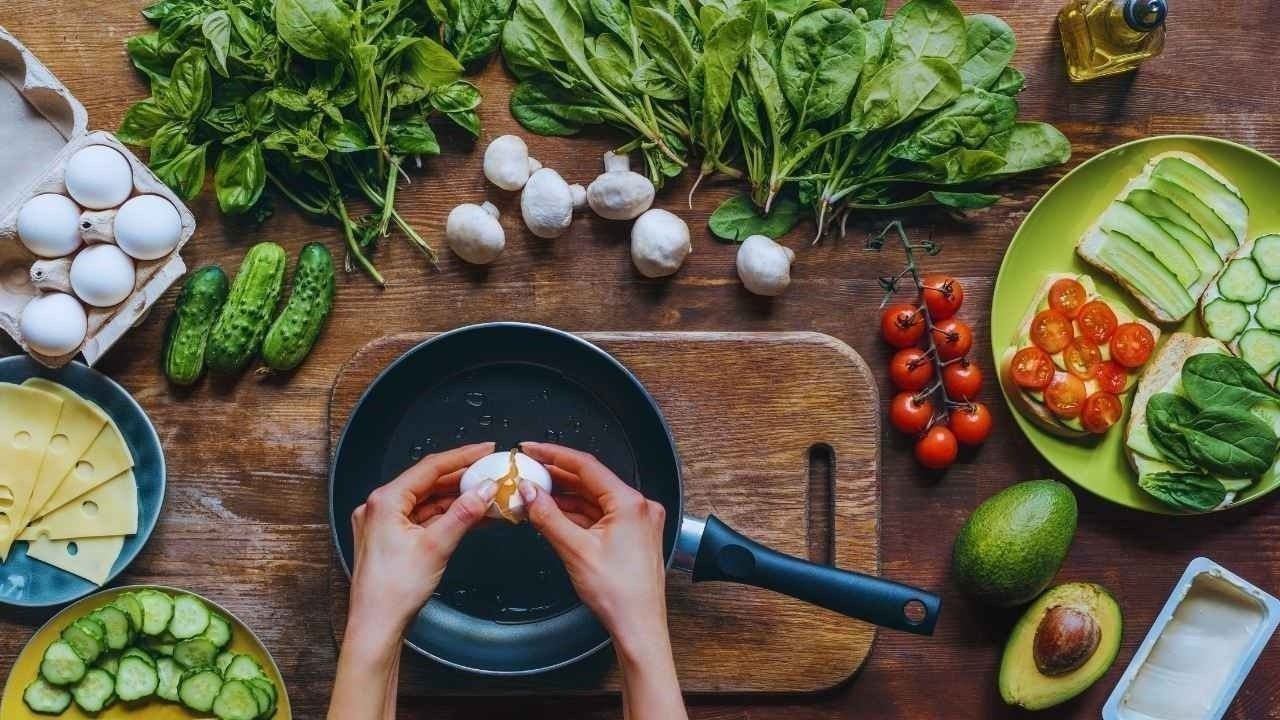
Living alone often comes with unexpected challenges, and cooking is one of them. While many imagine solo living as full of freedom and flexibility, the daily act of preparing meals brings its own learning curve. Cooking for one requires balancing taste, time, cost and freshness without overbuying or wasting ingredients.
For many people, the struggle begins with portion sizes. Most recipes are designed for families or larger groups, leaving solo cooks with more leftovers than they expected. Others face the opposite problem—feeling unmotivated to cook at all. The thought of preparing an entire meal for just one plate can feel discouraging after a long day.
Yet in 2025, a shift is happening. More people are living alone than ever before, and this has encouraged a new wave of solo-friendly cooking habits. Smart portioning, ingredient planning and simple recipes are helping people enjoy everyday meals without waste or extra effort.
One of the biggest challenges is that grocery stores often sell items in larger packets. A big bunch of coriander, a kilo of tomatoes or a dozen eggs might be cost-effective, but they can be too much for a single person to use up quickly. This leads to spoilage, frustration and unnecessary spending.
Another reason solo cooking feels difficult is the mental load. After a busy day, the idea of cooking a full meal may feel heavy. Unlike family dinners, where shared meals create motivation, cooking for one requires self-driven consistency.
These challenges are real, but they can be overcome with smart routines and simple strategies.
Instead of viewing cooking for one as a chore, many individuals are beginning to see it as a form of self-care. It’s a moment to slow down, nourish the body and create something comforting just for oneself. This mindset shift makes the process feel less burdensome and more rewarding.
When cooking becomes a small personal ritual, it naturally becomes easier to maintain.
A key solution to waste-free cooking lies in ingredient flexibility. Instead of buying items meant for specific dishes, solo cooks benefit from stocking versatile ingredients that work across multiple recipes.
Examples include onions, garlic, tomatoes, eggs, potatoes, lentils, rice, pasta and basic spices. These ingredients can be combined in countless ways—curries, stir-fries, soups, sandwiches, pasta bowls or quick skillet meals.
When ingredients can be used in multiple dishes, waste decreases dramatically.
Small-batch cooking means preparing exactly enough food for one or two meals, not for the entire week. Unlike bulk meal prep, which often feels repetitive and overwhelming, small-batch cooking creates variety without forcing someone to eat the same dish for days.
For example, cooking a single chicken breast, one cup of lentils or a small portion of vegetables prevents oversupply. Small-batch cooking suits people who enjoy fresh meals and do not want their fridge filled with containers.
This approach encourages creativity and allows individuals to cook based on their cravings rather than large pre-determined batches.
Another important strategy is portion awareness. When cooking for one, it’s easy to overestimate the amount of food needed. Measuring rice, pasta or lentils helps avoid creating unnecessary leftovers. Knowing exact quantities—like half a cup of rice or a palm-sized portion of protein—makes solo cooking far more efficient.
People who adopt portion control often find that their meals become both healthier and more budget-friendly.
Even with careful portioning, leftovers happen. But instead of viewing them as repeat meals, they can be treated like new ingredients. A cup of leftover rice becomes fried rice. A spoon of sabzi becomes a sandwich filling. Cooked vegetables can be added into pasta or soups.
This mindset prevents boredom and reduces waste. It also makes solo cooking more exciting, as leftovers act as shortcuts for fresh dishes.
Freezers are extremely helpful for single-person households. Freezing small portions of chopped onions, ginger, garlic, cooked beans or bread slices reduces spoilage and cuts down on daily prep. Freezing leftovers in single-serving containers ensures meals for busy days without relying on takeout.
Many people freeze herbs like coriander or mint in ice trays with water to extend their life. Similarly, freezing pre-portioned protein helps avoid unnecessary bulk purchases.
With thoughtful freezing habits, food lasts longer and cooking becomes more convenient.
One of the best ways to succeed at cooking for one is to maintain a collection of simple recipes that scale easily. These dishes require minimal ingredients, minimal time and minimal cleanup.
Warm stir-fries can be prepared with one or two vegetables, a bit of protein and basic spices or sauces. Soups made from lentils or beans provide nourishment without excessive effort. Egg-based dishes like scrambled eggs, omelettes or a quick curry are perfect for cold evenings.
Rice bowls are also extremely solo-friendly. A single cup of rice paired with sautéed vegetables, boiled eggs or leftover chicken creates a balanced meal with minimal waste.
These recipes make solo cooking enjoyable instead of intimidating.
Pantry staples can easily be turned into comforting meals with a few adjustments. A basic dal becomes richer with a tempering of garlic and cumin. Leftover pasta becomes a warm skillet dish with herbs and spices. A couple of potatoes become a hearty winter snack when tossed with chili and garlic.
Solo cooks who rely on pantry staples often feel more confident because they know they can prepare a meal even when they haven’t gone grocery shopping.
The idea is not to create elaborate dishes—it’s to create warm, satisfying meals through small tweaks.
Fresh ingredients provide flavor and nutrition, but shelf-stable items offer reliability. A balance between the two prevents waste while ensuring variety.
For example, combining fresh vegetables with pantry lentils creates hearty meals. Using frozen vegetables alongside fresh herbs adds texture and taste. Mixing canned beans with fresh ingredients helps create quick bowls without excess effort.
This blend of fresh and stored items keeps solo cooking interesting and sustainable.
Tools play a big role in solo cooking. Small pans, compact pots, single-serve airfryers and mini baking dishes help maintain portion control. They are easier to clean and reduce the temptation to overcook.
These tools fit perfectly into small kitchens and save energy. They also motivate people to cook because the effort feels lighter and more manageable.
Meal planning for an entire week may work for families, but it often feels unnecessary for solo cooks. Planning for three days at a time feels more natural. This approach allows flexibility based on mood, ingredients and schedule.
Short-term planning helps avoid buying too much at once. It also keeps meals fresh and reduces the likelihood of forgetting what’s inside the fridge.
Many grocery stores now offer smaller portions of vegetables, fruits and proteins, and solo cooks benefit greatly from such options. Choosing three tomatoes instead of a kilo, one onion instead of a bag, or half a dozen eggs instead of twelve prevents waste.
Bulk buying seems economical but often leads to spoilage. Buying smaller quantities more frequently ensures freshness and variety.
Cooking for one often creates a new appreciation for simple meals. A bowl of soup made with pantry staples. A warm rice dish with leftover vegetables. A quick egg wrap or paratha with a simple filling. These meals provide comfort without complexity.
Solo cooks often discover that food need not be elaborate to be satisfying. What matters is nourishment, warmth and convenience.
The more a person cooks for themselves, the more they understand their preferences. They discover which spices they love, what dishes make them feel energized and what meals best suit their evenings.
This self-awareness turns cooking into a positive habit instead of a duty. It becomes a peaceful pause in the day—a small ritual that helps unwind and reconnect with oneself.
One of the biggest benefits of cooking for one is financial control. Eating out and ordering food frequently adds up, especially when meals lack balance. Solo cooks who master quick recipes and smart grocery habits often save significantly every month.
Cost-effective meals don’t mean poor quality. In fact, cooking for one often encourages healthier eating because people choose fresher ingredients and avoid deep-fried or overly processed foods.
Waste reduction becomes natural when people start seeing leftovers as ingredients, use their freezers wisely, and cook only what they need. Creativity grows along the way. A leftover vegetable mix becomes a wrap filling. Cooked dal becomes a soup base. Plain rice becomes a stir-fry.
This creativity turns solo cooking into an enjoyable challenge rather than a repetitive routine.
As more people embrace independent living, cooking for one is becoming a valuable life skill. It encourages better budgeting, healthier eating and a positive relationship with food.
The future of solo cooking lies in simplicity, versatility and mindful habits. With a few scalable recipes, smart pantry management and a willingness to experiment, anyone living alone can enjoy satisfying meals without waste.
Cooking for one is not about limitation—it’s about creating meals that fit your pace, your taste and your everyday life.
This article is for general lifestyle reading. It does not provide dietary or medical guidance. Readers should adjust meals and ingredients based on personal needs, taste preferences and nutrition goals.

Family Wins “Family of the Year 2026” at Noor Al Quran Event in Ras Al Khaimah
A family honored at the Noor Al Quran initiative in Ras Al Khaimah for Quran memorization and strong

US Approves $16.5B Arms Deal Amid Iran War Escalation
US approves $16.5B arms sale to Gulf allies and $7B to UAE, boosting defence amid Iran tensions whil

UAE Busts Hezbollah-Iran Terror Network, Members Held
UAE authorities have broken a terror network linked to Hezbollah and Iran, arresting members accused

Swiatek Stunned by Linette in Miami Open Upset Shock
Iga Swiatek suffered a shocking defeat to Magda Linette at the Miami Open, marking her first opening
UAE Orphan Fund Raises AED 3.3 Billion in Ramadan Drive
UAE’s Mother of the Nation Orphan Fund raises AED 3.3B in Ramadan, boosting support for education, h

Ramadan in the UAE: Reflections on Humanity, Leadership, and Lasting Values
A heartfelt Ramadan reflection by Osama Regaah on UAE’s spirit of humility, unity, and leadership, a

Dhurandhar 2 Opens Big, Crosses ₹100 Cr on Day 1
Ranveer Singh starrer Dhurandhar 2 earns ₹102 Cr on day one despite delays, beating past Bollywood o


Bank of Baroda Faces Abu Dhabi Legal Battle over NMC Collapse
Bank of Baroda’s involvement in Abu Dhabi litigation tied to the NMC Healthcare collapse raises repu

Top Museum Openings of 2026 Set to Transform Global Tourism
From Los Angeles to Abu Dhabi and Brussels, 2026 brings major museum launches—Lucas Museum, Guggenhe

UAE Tour Highlights UAE’s Strength in Hosting Global Sports Events
Abu Dhabi Sports Council says the successful UAE Tour reflects the UAE’s leading role in hosting maj

EU Seeks Clarity from US After Supreme Court IEEPA Ruling
European Commission urges full transparency from the US on steps after Supreme Court ruling, emphasi

SpaceX Launches 53 New Satellites for Expanding Starlink Network
SpaceX launches 53 Starlink satellites in two Falcon 9 missions, breaking reuse records and expandin

RTA Awards Contract for Phase II of Hessa Street Upgrade in Dubai
Phase II of Hessa Street Development to add bridges, tunnel, and upgraded intersections, doubling ca

UAE Gold Prices Today, Monday 16 February 2026: Dubai & Abu Dhabi Updated Rates
Gold prices in UAE on 16 Feb 2026 updated: 24K around AED 599.75/gm, 22K AED 555.25/gm, and 18K AED

Over 25 Ahmedabad Schools Receive Bomb Threat Email, Authorities Investigate
More than 25 schools in Ahmedabad evacuated after bomb threat emails mentioning Khalistan. Authoriti