Post by : Sam Jeet Rahman
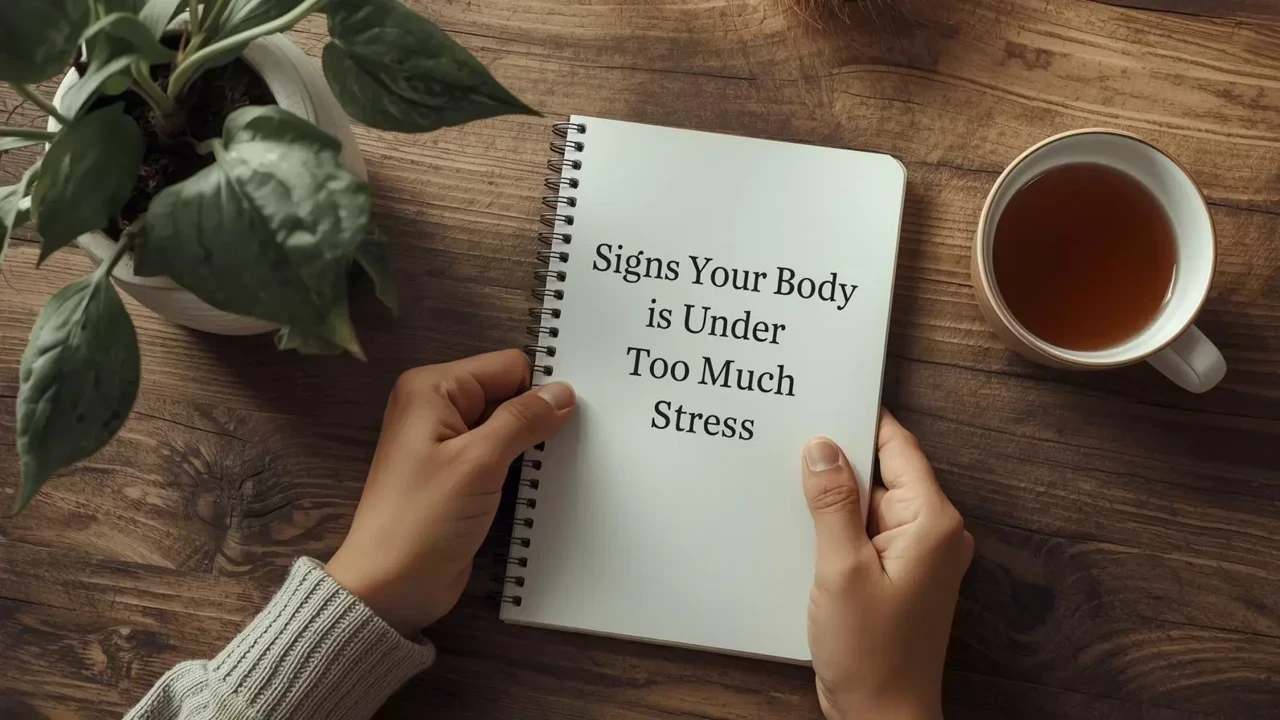
Stress is no longer just an emotional state—it has become a chronic physical condition for many people. In today’s always-connected, performance-driven world, stress builds silently and shows up through the body long before people realize something is wrong. Many ignore these signs, assuming they are normal consequences of work pressure, age, or routine fatigue.
In reality, the body always communicates when stress crosses healthy limits. Learning to recognize these signals early can prevent long-term damage to physical health, mental stability, hormones, immunity, and overall quality of life. This article explains the most important physical, mental, and behavioral signs of excessive stress, why they happen, and what they indicate about your internal health.
Stress itself is not harmful. Short-term stress helps you focus, react, and perform. Problems begin when stress becomes chronic, meaning your body stays in survival mode for weeks or months without recovery.
When stress is constant:
Cortisol remains elevated
The nervous system stays overactivated
Recovery processes slow down
Hormonal balance gets disrupted
Inflammation increases
This state affects nearly every system in the body.
One of the earliest and most ignored signs of excessive stress is persistent tiredness.
Chronic stress keeps your nervous system alert even during sleep. The body fails to enter deep restorative sleep stages, leading to exhaustion despite adequate sleep duration.
Waking up tired every day
Low energy throughout the day
Feeling drained after minimal effort
Relying heavily on caffeine
This is not laziness or weakness—it is stress-related nervous system fatigue.
Stress often manifests physically through tight muscles and recurring pain.
Neck and shoulders
Jaw (teeth grinding or clenching)
Lower back
Temples and forehead
Stress increases muscle tension as part of the fight-or-flight response. When this tension becomes constant, it restricts blood flow and irritates nerves, leading to chronic discomfort.
The gut is extremely sensitive to stress.
Bloating
Acid reflux
Constipation or diarrhea
Stomach pain
Loss of appetite or stress eating
Stress diverts blood away from digestion toward survival functions. Over time, this disrupts gut motility, enzyme production, and healthy bacteria balance.
Digestive issues are often one of the body’s loudest stress signals.
Hair and skin health decline quickly under chronic stress.
Pushes hair into shedding phase
Reduces nutrient delivery to follicles
Increases scalp inflammation
Acne flare-ups
Dull or dry skin
Eczema or psoriasis worsening
Slow wound healing
The body prioritizes survival over appearance, making hair and skin early indicators of internal overload.
If you are getting sick more often than usual, stress may be the reason.
Suppresses immune cell production
Increases inflammation
Reduces infection-fighting ability
Colds, infections, and slow recovery times often indicate immune exhaustion caused by stress.
Chronic stress directly affects brain function.
Forgetfulness
Trouble focusing
Slower thinking
Mental confusion
High cortisol interferes with memory and concentration centers in the brain, making even simple tasks feel overwhelming.
Excess stress alters emotional regulation.
Irritability
Mood swings
Anxiety without clear reason
Feeling overwhelmed easily
Emotional numbness
These are not personality flaws but stress-induced nervous system responses.
Sleep problems are both a cause and consequence of stress.
Difficulty falling asleep
Waking up frequently
Early morning awakenings
Vivid or disturbing dreams
Stress keeps cortisol high at night when it should naturally drop.
Stress disrupts hunger hormones.
Stress overeating
Loss of appetite
Cravings for sugar or carbs
Unexplained weight gain or loss
Chronic stress interferes with insulin and hunger regulation, affecting metabolism.
Stress often mimics heart-related symptoms.
Rapid heartbeat
Chest pressure
Shortness of breath
Feeling “on edge” physically
These sensations are usually related to overactivation of the nervous system, but they should never be ignored without medical evaluation.
Stress heavily impacts hormonal balance.
Irregular menstrual cycles
Worsened PMS symptoms
Low libido
Hormonal acne
Cortisol interferes with reproductive hormones, affecting both men and women.
When stress overloads the nervous system, tolerance decreases.
Feeling irritated by small noises
Discomfort in crowded places
Feeling overwhelmed by stimulation
This indicates nervous system fatigue, not weakness.
Stress reduces dopamine and serotonin levels.
Losing interest in hobbies
Reduced excitement
Feeling emotionally flat
Difficulty feeling joy
This is a warning sign that stress is affecting mental health deeply.
Many people hold stress in their jaw.
Morning jaw soreness
Headaches linked to jaw tension
Worn teeth
Teeth grinding is often an unconscious stress response.
If your body takes longer to recover, stress may be interfering.
Inflammation stays elevated
Repair hormones decrease
Energy reserves are depleted
Poor recovery is a sign the body lacks restorative capacity.
This is one of the clearest signs of chronic stress.
Exhausted but unable to relax
Constant restlessness
Trouble slowing down mentally
This state indicates nervous system imbalance.
Stress changes behavior subtly.
Procrastination
Increased screen use
Social withdrawal
Overworking or avoidance
Behavior shifts often appear before serious physical symptoms.
When stress remains unaddressed, it can contribute to:
High blood pressure
Metabolic disorders
Autoimmune conditions
Anxiety and depression
Burnout and chronic fatigue
Early awareness prevents long-term damage.
Denial increases damage.
Improve sleep, reduce stimulation, and add recovery time.
Consistent routines reduce stress hormone spikes.
Medical or mental health guidance can prevent escalation.
Experiencing stress symptoms does not mean you are weak or incapable. It means your body has been carrying too much for too long. Stress is information, not a flaw.
Your body constantly communicates its limits. Headaches, fatigue, hair fall, digestion issues, mood changes, and sleep problems are not random—they are messages. Recognizing these signs early allows you to protect your health before stress turns into illness.
Rest is not a reward. It is a requirement.
This article is intended for informational purposes only and does not replace professional medical or mental health advice. Stress symptoms can vary widely between individuals and may overlap with other medical conditions. If symptoms are persistent, severe, or worsening, consult a qualified healthcare professional for proper evaluation and guidance.
Family Wins “Family of the Year 2026” at Noor Al Quran Event in Ras Al Khaimah
A family honored at the Noor Al Quran initiative in Ras Al Khaimah for Quran memorization and strong

US Approves $16.5B Arms Deal Amid Iran War Escalation
US approves $16.5B arms sale to Gulf allies and $7B to UAE, boosting defence amid Iran tensions whil

UAE Busts Hezbollah-Iran Terror Network, Members Held
UAE authorities have broken a terror network linked to Hezbollah and Iran, arresting members accused

Swiatek Stunned by Linette in Miami Open Upset Shock
Iga Swiatek suffered a shocking defeat to Magda Linette at the Miami Open, marking her first opening
UAE Orphan Fund Raises AED 3.3 Billion in Ramadan Drive
UAE’s Mother of the Nation Orphan Fund raises AED 3.3B in Ramadan, boosting support for education, h

Ramadan in the UAE: Reflections on Humanity, Leadership, and Lasting Values
A heartfelt Ramadan reflection by Osama Regaah on UAE’s spirit of humility, unity, and leadership, a

Dhurandhar 2 Opens Big, Crosses ₹100 Cr on Day 1
Ranveer Singh starrer Dhurandhar 2 earns ₹102 Cr on day one despite delays, beating past Bollywood o


Bank of Baroda Faces Abu Dhabi Legal Battle over NMC Collapse
Bank of Baroda’s involvement in Abu Dhabi litigation tied to the NMC Healthcare collapse raises repu

Top Museum Openings of 2026 Set to Transform Global Tourism
From Los Angeles to Abu Dhabi and Brussels, 2026 brings major museum launches—Lucas Museum, Guggenhe

UAE Tour Highlights UAE’s Strength in Hosting Global Sports Events
Abu Dhabi Sports Council says the successful UAE Tour reflects the UAE’s leading role in hosting maj

EU Seeks Clarity from US After Supreme Court IEEPA Ruling
European Commission urges full transparency from the US on steps after Supreme Court ruling, emphasi

SpaceX Launches 53 New Satellites for Expanding Starlink Network
SpaceX launches 53 Starlink satellites in two Falcon 9 missions, breaking reuse records and expandin

RTA Awards Contract for Phase II of Hessa Street Upgrade in Dubai
Phase II of Hessa Street Development to add bridges, tunnel, and upgraded intersections, doubling ca

UAE Gold Prices Today, Monday 16 February 2026: Dubai & Abu Dhabi Updated Rates
Gold prices in UAE on 16 Feb 2026 updated: 24K around AED 599.75/gm, 22K AED 555.25/gm, and 18K AED
Over 25 Ahmedabad Schools Receive Bomb Threat Email, Authorities Investigate
More than 25 schools in Ahmedabad evacuated after bomb threat emails mentioning Khalistan. Authoriti