Post by : Anis Karim
India’s understanding of healthcare has undergone a dramatic transformation over the last few years. Earlier, families relied heavily on doctors only when illness struck. Health was approached reactively, not proactively. But recent events, rising awareness and technological advancements have pushed India towards a new era—preventive health at home. This shift is not just a trend; it is a deep cultural change rooted in lessons learned, priorities re-evaluated and a growing desire for long-term wellness.
Preventive healthcare at home is gradually becoming the backbone of modern Indian wellness. Families now see value in detecting early signs, monitoring vital trends, understanding risk factors, and building everyday habits that shield them from chronic diseases. With lifestyle disorders rising sharply, this movement towards prevention is not a luxury—it is a necessity.
However, this change is uneven across regions. While urban India is adopting at-home health tools and digital wellness services rapidly, rural India still faces barriers in access, affordability and awareness. Understanding this evolving landscape is crucial to recognising the future of health in India.
Preventive health is no longer an abstract idea. It is now woven into daily routines, household behaviours and the mindset of millions.
In past decades, medical check-ups were limited to clinics, diagnostic labs or hospitals. They were often postponed because of time constraints, cost concerns or simple reluctance. Today, India’s healthcare system is witnessing a major shift—more families are embracing at-home screening.
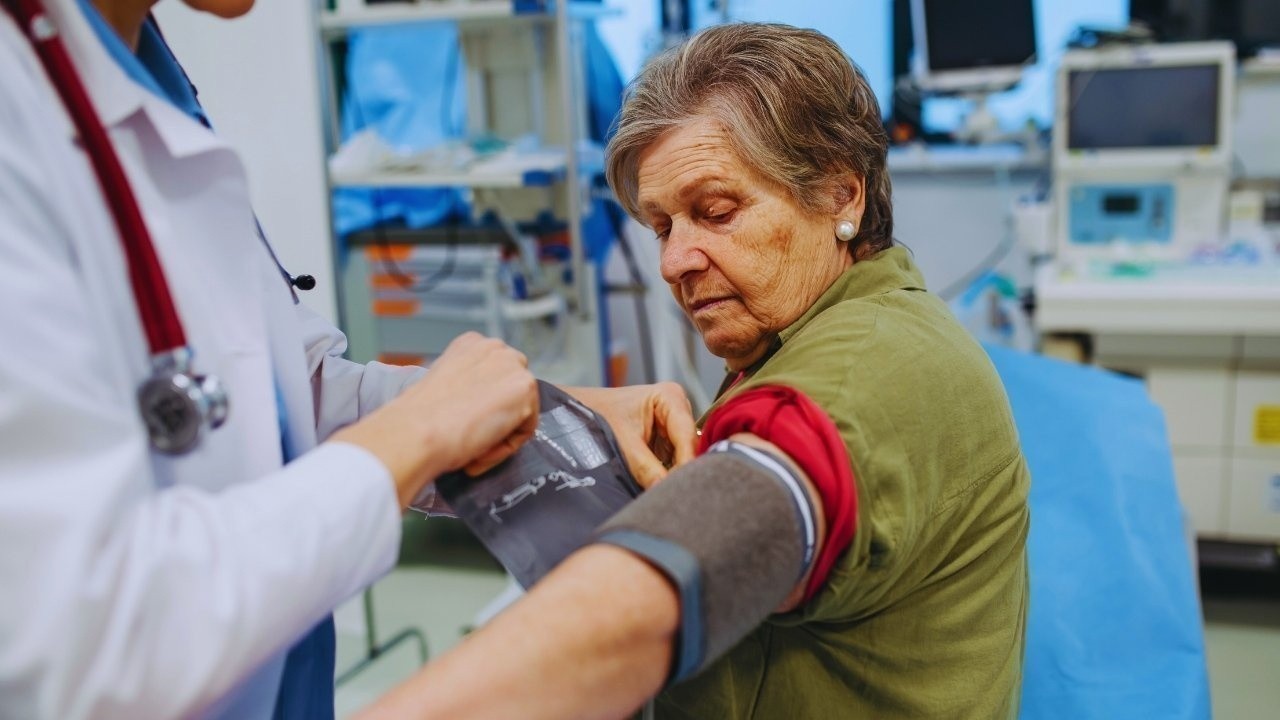
At-home screening tools have become affordable, accessible and user-friendly. Devices such as digital blood-pressure monitors, glucometers, pulse oximeters, ECG patches, thermometers, oxygen saturation devices and sleep trackers are now part of everyday Indian lives. These devices enable individuals to track vital indicators in real time without stepping outside.
This change is particularly important because chronic diseases such as diabetes, hypertension, heart disorders and thyroid issues often progress silently. Early detection is the strongest shield against serious complications. At-home screening empowers families to stay informed and intervene early.
The affordability factor has played a big role in this transition. A few years ago, digital monitors were expensive for average households. Today, competition in the health-tech market has brought down prices significantly, enabling middle-class families to invest in their own well-being.
At-home health tools have become as common as kitchen appliances. They symbolize a society gradually moving towards responsibility and self-awareness.
India is experiencing a rise in lifestyle-related diseases. Factors such as sedentary routines, high stress, poor diet, irregular sleep patterns and pollution contribute to a growing burden of chronic illnesses. Preventive health at home helps break this pattern by encouraging continuous observation rather than sudden intervention.
Modern Indians have also realised that hospitalisation costs can be overwhelming. Early detection reduces long-term expenses and gives people the confidence to manage health effectively. This financial perspective has amplified the importance of preventive habits.
Families are also more aware that health cannot be outsourced. Doctors, hospitals and medications help, but the first line of defence is the individual and the choices they make daily.
Preventive health gives people control over their bodies, habits and futures. It empowers them long before illness takes control.
Preventive healthcare is not just about devices or screening—it is deeply connected to daily habits. In 2025, more Indian families are actively building routines that nurture long-term resilience. These habits form the foundation of sustainable wellness and ensure that preventive care moves from theory to practice.
The first major habit is consistency. People now understand that health is built through small, daily actions. Morning walks, yoga sessions, mindful breathing, regular hydration, balanced meals, limited screen time and sleep hygiene are gaining priority. These habits reduce stress, improve immunity, balance hormones and regulate metabolic health.
Nutrition has also moved into the spotlight. Home-cooked meals, fresh vegetables, whole grains, seasonal fruits and mindful eating are becoming more common across urban households. People are reducing dependence on processed foods, sugary snacks and excessive oils. Many families now treat the kitchen as the first clinic where wellness takes birth.
Sleep routines have gained equal importance. Families recognise the need to follow a consistent sleep schedule, reduce late-night screen exposure and allow the mind to rest. Emotional wellness practices such as journaling, meditation and gratitude routines help reduce anxiety and improve mental resilience.
Physical activity has become non-negotiable in many homes. Instead of grand gym memberships, people now focus on achievable daily routines. The rise of home workouts and accessible fitness guidance has enabled even beginners to adopt healthier lifestyles.
These habits are not dramatic or difficult—they are sustainable steps that strengthen the body gradually. Preventive health thrives when habits become lifestyle anchors rather than temporary goals.
The digital revolution has extended into healthcare with impressive momentum. Apps and platforms now allow families to track their vitals, manage medications, maintain fitness routines, monitor sleep cycles and evaluate lifestyle patterns.
Remote consultations have become a part of regular life, allowing patients to connect with doctors without travel. This has especially helped the elderly and those with mobility challenges. Digital reports, electronic medical records and AI-driven health insights offer personalised guidance and timely alerts.
People now have data that helps them understand their bodies better—patterns in blood pressure, fluctuations in glucose levels, sleep disturbances, stress indicators and overall wellness trends. This information equips them to make informed decisions.
Digital wellness tools do not replace medical professionals; they support them by providing accurate and consistent health information. This strengthens preventive care by keeping individuals engaged in their wellness journey.
Despite the progress in preventive health, India faces a significant challenge—the rural–urban gap. While urban India has embraced affordable screening tools and digital health platforms, rural India continues to struggle with access and awareness.
The first issue is infrastructure. Many rural areas lack adequate clinics, diagnostic centers and trained health workers. Even basic screenings like blood pressure and glucose monitoring are not consistently available.
The second issue is awareness. Preventive health concepts are not deeply embedded in rural societies, where people usually visit doctors only when symptoms become severe. Lack of education and limited exposure to health information create barriers to early detection.
The third challenge is affordability. Even though devices have become cheaper, they may still be out of reach for families with unstable incomes. Rural households often prioritise immediate needs over long-term wellness investments.
However, the situation is improving. Government programmes, non-profit initiatives and rural health camps are spreading awareness. Community health workers are being trained to conduct screenings and guide families. Telehealth platforms are gradually reaching remote villages, bridging the distance between doctors and rural patients.
The rural–urban gap is shrinking slowly, but consistent efforts are needed to ensure that preventive care becomes accessible and affordable for every household.
Across India, families are undergoing a quiet transformation. Preventive health practices are not limited to individuals—they are becoming shared routines that strengthen family bonds.
Parents encourage children to develop good habits early. Elderly members are monitored more closely, ensuring their chronic conditions remain stable. Working professionals plan their routines around wellness, acknowledging that burnout impacts health significantly. Even homemakers, who often ignore their own health, are becoming more aware of regular check-ups and screenings.
Families now discuss health openly. They share information, motivate each other and collectively adopt practices that support long-term resilience. This cultural openness is one of the strongest contributors to preventive healthcare’s success.
Preventive health has become a household value rather than an individual responsibility.
Preventive healthcare saves money by reducing the risk of severe illness, hospitalisation and complicated treatments. Families who monitor their health regularly can detect issues early, allowing simpler and more affordable interventions.
Well-managed chronic conditions reduce long-term medication costs. Healthy habits lower the risk of lifestyle diseases, which are often expensive to treat. With rising medical expenses, preventive care becomes not just a wellness strategy but an economic necessity.
Insurance companies are also recognising this shift. Some offer lower premiums or wellness benefits to individuals who actively engage in preventive practices. This financial incentive strengthens the movement further.
India stands at an important point in its healthcare evolution. Preventive health at home is not just a growing trend—it is reshaping the foundation of how Indians view wellness. The next decade will be defined by daily habits, early detection, digital monitoring, accessible tools and a rising awareness across all age groups.
The key challenges ahead include reducing the rural–urban gap, making screening devices more affordable, strengthening digital connectivity, improving health literacy and ensuring communities have continuous access to preventive guidance.
Preventive health is not a temporary response to recent crises—it is the blueprint of future healthcare.
When families adopt small habits, monitor their health routinely and recognise the power of early intervention, the entire country moves toward stronger, more sustainable wellness.
Preventive healthcare at home represents a powerful shift in India’s wellness landscape. Affordable screenings, habit-building, digital tools and increased awareness are transforming how people understand and manage health. While the rural–urban divide remains a key challenge, progress across cities and towns shows that India is steadily embracing a culture of proactive wellness.
This shift is not just beneficial for individuals but essential for the nation’s long-term health resilience. In the years to come, preventive health at home will continue to guide India towards a future where wellness is built daily, consciously and collectively.
This article is meant for informational purposes and does not replace professional medical guidance. Individuals should consult qualified health practitioners for personalised medical advice.

Family Wins “Family of the Year 2026” at Noor Al Quran Event in Ras Al Khaimah
A family honored at the Noor Al Quran initiative in Ras Al Khaimah for Quran memorization and strong

US Approves $16.5B Arms Deal Amid Iran War Escalation
US approves $16.5B arms sale to Gulf allies and $7B to UAE, boosting defence amid Iran tensions whil
UAE Busts Hezbollah-Iran Terror Network, Members Held
UAE authorities have broken a terror network linked to Hezbollah and Iran, arresting members accused

Swiatek Stunned by Linette in Miami Open Upset Shock
Iga Swiatek suffered a shocking defeat to Magda Linette at the Miami Open, marking her first opening

UAE Orphan Fund Raises AED 3.3 Billion in Ramadan Drive
UAE’s Mother of the Nation Orphan Fund raises AED 3.3B in Ramadan, boosting support for education, h

Ramadan in the UAE: Reflections on Humanity, Leadership, and Lasting Values
A heartfelt Ramadan reflection by Osama Regaah on UAE’s spirit of humility, unity, and leadership, a

Dhurandhar 2 Opens Big, Crosses ₹100 Cr on Day 1
Ranveer Singh starrer Dhurandhar 2 earns ₹102 Cr on day one despite delays, beating past Bollywood o


Bank of Baroda Faces Abu Dhabi Legal Battle over NMC Collapse
Bank of Baroda’s involvement in Abu Dhabi litigation tied to the NMC Healthcare collapse raises repu

Top Museum Openings of 2026 Set to Transform Global Tourism
From Los Angeles to Abu Dhabi and Brussels, 2026 brings major museum launches—Lucas Museum, Guggenhe

UAE Tour Highlights UAE’s Strength in Hosting Global Sports Events
Abu Dhabi Sports Council says the successful UAE Tour reflects the UAE’s leading role in hosting maj

EU Seeks Clarity from US After Supreme Court IEEPA Ruling
European Commission urges full transparency from the US on steps after Supreme Court ruling, emphasi

SpaceX Launches 53 New Satellites for Expanding Starlink Network
SpaceX launches 53 Starlink satellites in two Falcon 9 missions, breaking reuse records and expandin

RTA Awards Contract for Phase II of Hessa Street Upgrade in Dubai
Phase II of Hessa Street Development to add bridges, tunnel, and upgraded intersections, doubling ca

UAE Gold Prices Today, Monday 16 February 2026: Dubai & Abu Dhabi Updated Rates
Gold prices in UAE on 16 Feb 2026 updated: 24K around AED 599.75/gm, 22K AED 555.25/gm, and 18K AED

Over 25 Ahmedabad Schools Receive Bomb Threat Email, Authorities Investigate
More than 25 schools in Ahmedabad evacuated after bomb threat emails mentioning Khalistan. Authoriti