Post by : Anis Karim
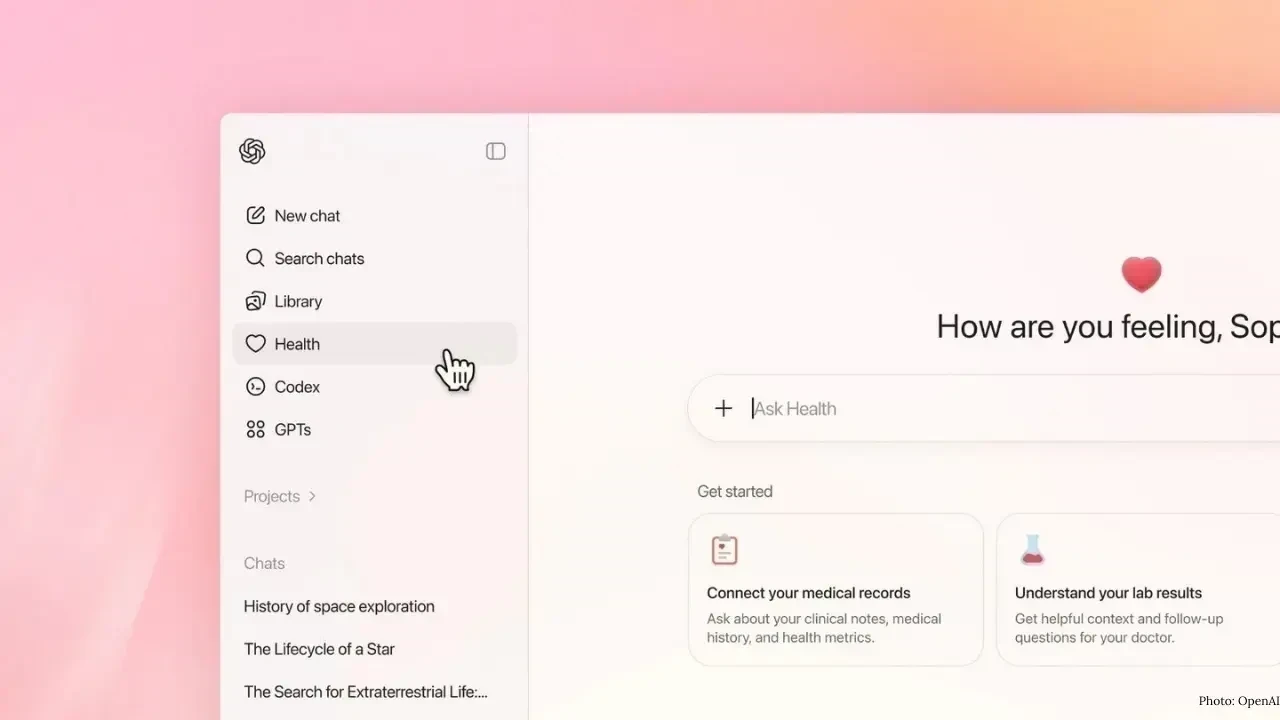
The landscape of personal health is evolving, thanks to advancements in artificial intelligence. OpenAI is now stepping into this realm with the introduction of ChatGPT Health, a new assistant crafted to deliver personalized health insights through engaging conversations.
In contrast to traditional health applications that rely on static questionnaires or cookie-cutter recommendations, ChatGPT Health engages users dynamically, fostering a dialogue rather than pushing forms. Its intent is not to replace healthcare providers but to assist individuals in understanding their everyday health issues, routines, and wellness aspirations.
This launch resonates well with the growing demand for accessible, trustworthy digital solutions that people can lean on for managing aspects like stress, nutrition, fitness, and overall well-being. ChatGPT Health stands at the crossroads of everyday life and technology, where even small insights can lead to significant health improvements.
Designed to serve as a conversational health companion, ChatGPT Health provides insights based on user inputs, preferences, and wellness goals. Rather than offering generalized advice, it tailors answers to cater to users' lifestyles and challenges.
From fitness plans and nutritional queries to sleep habits and stress relief strategies, the system delivers user-friendly explanations and actionable tips aimed at fostering healthier decisions.
Crucially, ChatGPT Health does not aim to act as a diagnostic or therapeutic tool. Its focus is squarely placed on wellness education and habit formulation, emphasizing that informed daily decisions contribute significantly to long-term health.
What sets ChatGPT Health apart is its intuitive conversational interface. Many feel daunted by complex medical jargon, but this AI-powered system allows users to express their health concerns in straightforward terms.
This user-friendly approach dismantles barriers, especially for those hesitant to engage with wellness topics through conventional means. By effectively meeting users where they are in their language and emotional state, it facilitates continuous interaction instead of isolated use.
The last decade has seen a pronounced shift in how individuals approach their health—emphasizing preventive care and day-to-day wellness over seek-and-treat models. Today, people prioritize stress management, physical activity, healthy eating, and improving sleep quality.
ChatGPT Health aligns well with this trend by focusing on everyday wellness decisions instead of just reactive medical actions. The premise is that health is crafted by small, consistent choices rather than just sporadic changes.
Despite a plethora of fitness apps, diet tracking tools, and health platforms, many users feel overwhelmed by digital health options. Complex interfaces and constant notifications can become more taxing than supportive.
ChatGPT Health counters this by simplifying user interactions. It emphasizes meaningful conversations, assisting users in reflecting on their habits and making gradual, impactful adjustments to their lifestyles.
While personalization is vital, it can lead to pitfalls if done carelessly. OpenAI stresses that ChatGPT Health has clear parameters—it does not offer medical diagnoses, prescribe medications, or replace professional healthcare.
Instead, it serves as a source of general wellness advice, educational insights, and guidance, reminding users to consult qualified healthcare professionals when needed. This careful balance empowers users without inciting unwarranted confidence in AI.
The AI adjusts its response style based on how users frame their inquiries, whether seeking general advice on fitness or inquiring about stress management techniques. This adaptability ensures that the advice resonates with individual circumstances.
Given that health-related data is sensitive, establishing trust is crucial for any digital wellness platform. OpenAI underscores privacy as a core principle of ChatGPT Health, understanding the importance of user data confidentiality.
The system is built to minimize unnecessary data retention and prioritizes users' control over their interactions. By emphasizing general wellness advice instead of detailed medical histories, it protects user information while still providing helpful resources.
Transparency is essential for establishing trust. Users are informed about ChatGPT Health's capabilities and limitations, thereby fostering realistic expectations. Such clarity lessens the risk of misuse and cultivates a healthy user-AI relationship.
AI tools have primarily been embraced for productivity and automation purposes—writing, coding, and data processing were initial focus areas. The introduction of wellness tools signifies a natural progression as AI embeds itself into daily life.
ChatGPT Health exemplifies the transition of conversational AI from mere task assistance to supporting critical human needs holistically. This progression reflects a broader trend in technology, prioritizing user experience and emotional intelligence.
Rather than standing in opposition to healthcare professionals, ChatGPT Health serves as an adjunct tool. It empowers users to formulate effective questions for consultations and comprehend health-related information and wellness objectives.
This supportive role may alleviate unnecessary stress, promote preventive care, and motivate individuals to engage proactively in their health journeys.
Many users encounter difficulties with consistency in nutrition, exercise, and sleep routines. ChatGPT Health provides tips, motivational insights, and reminders that adjust based on evolving daily circumstances.
For instance, a busy professional might find suggestions tailored for effective quick workouts or simple meal prepping strategies. This responsiveness makes wellness feasible instead of daunting.
In today’s fast-paced world, stress levels are often elevated. While ChatGPT Health should not substitute for mental health therapies, it offers valuable general techniques for managing stress, such as breathing exercises and time management recommendations.
These small interventions can help users identify stressors early, allowing them to take proactive measures.
One ethical dilemma surrounding AI-focused wellness tools is the potential for overreliance. OpenAI confronts this risk by fostering autonomy, making sure users understand that AI assistance remains supplementary to professional guidance.
Responses consistently promote personal empowerment, ensuring users acknowledge that AI is a support tool, not a replacement.
ChatGPT Health is molded to communicate responsibly, avoiding sensational language or definitive claims. This measured approach curbs unnecessary anxiety while reinforcing the educational purpose of the tool.
ChatGPT Health may reshape user expectations regarding wellness tools. As static dashboards and rigid plans fade, adaptable conversational systems that respond empathetically and grow with user needs are expected to rise.
This potential shift could drive further innovation in the digital health sector, compelling developers to prioritize user experience and foster trust.
Through the use of natural language and accessible information, ChatGPT Health aims to make wellness knowledge more attainable. Individuals intimidated by traditional medical discourse can comfortably engage and ask questions without apprehension.
This inclusiveness offers the promise of bridging information gaps and empowering a wide array of users to take an active role in their health journey.
As AI capabilities advance, managing user expectations becomes increasingly critical. Clear communication of limitations will be vital in preventing misunderstandings or misuse.
Though ChatGPT Health emphasizes wellness over diagnostics, continuing user education is crucial as the tool develops.
Wellness is affected by a myriad of cultural, social, and personal elements. Ensuring AI-driven advice remains culturally sensitive and adaptable will be essential as usage expands across different regions.
One of the standout features of ChatGPT Health is its commitment to listening. User expressions are respected, allowing individuals to voice their health concerns easily.
This listening-centric model embodies a notable shift towards user-centric technology, where resources are designed to assist rather than dictate.
Ultimately, the merit of ChatGPT Health lies in its capacity to enhance users' understanding of their habits and choices. By distilling complex wellness concepts into practical insights, it enables informed decision-making.
The debut of ChatGPT Health signifies a pivotal advancement in integrating artificial intelligence into daily wellness. OpenAI's focus on personalized, conversational, and responsible wellness assistance mirrors both technological progress and ethical awareness.
ChatGPT Health does not vow to deliver instant solutions or medical interventions. Instead, it offers something arguably more meaningful: ongoing and accessible support that helps navigate the complexities of health decisions. As the field of AI continues to advance, this approach could establish a benchmark for how technology enhances human wellness while respecting the role of professional care.
This article serves informational purposes only. ChatGPT Health aims to provide general wellness support and should not be seen as a substitute for professional medical advice, diagnosis, or treatment.

Inferno Engulfs 4,000 Acres in California
California's wildfire forces evacuations amid strong winds and extreme heat, creating hazardous cond

Interest Grows in ₹500 Biogas Cylinder Offer
The intriguing ₹500 gobar gas cylinder claim prompts interest in biogas as a cheaper, eco-friendly e

Surge in Electric Truck Sales in China Amid Energy Challenges
China's electric truck sales are spiking due to rising fuel prices and global tensions, leading to a

Tragic Road Crash Claims Life in Taungoo
A fatal collision between a truck and a motorcycle in Taungoo has left a 23-year-old man dead, spotl

Tragic Loss of Civilians Amid Heavy Shelling in Myanmar
Heavy weapon attacks in Myanmar have resulted in civilian casualties, sparking major concerns over s

Sri Lanka Unveils National QR Payment Initiative
Sri Lanka introduces a national QR payment initiative, eliminating fees for small transactions to en

Sri Lanka Enlists Belarus for Transport Enhancement
Sri Lanka seeks Belarusian assistance to elevate transport systems and foster bilateral ties in tech


UAE Art Show in Seoul Challenges Stereotypes
Exhibition in Seoul highlights diverse UAE art, moving beyond luxury stereotypes to explore identity

Starbucks Strikes Major Partnership for China Growth
Starbucks teams with Boyu Capital, selling a majority stake in China unit to ramp up store growth an

Couple Among Three Charged in Massive Meth Trafficking Case in Malaysia
Three charged in Malaysia for trafficking 510kg of meth; if convicted, they could face severe penalt

Murder Suspect Returns to Geylang Crime Scene for Investigation
Singapore police revisit Geylang as a 48-year-old suspect faces charges in the fatal stabbing of a 7

NASA Launches Artemis II Crew for 10-Day Lunar Mission
NASA launches Artemis II with four astronauts for a 10-day Moon mission, marking the first crewed lu

Dubai RTA, Ministry Partner for Family First Programme
Dubai RTA and Ministry of Family partner to enhance transport, urban spaces, and services under Fami

Bank of Baroda Faces Abu Dhabi Legal Battle over NMC Collapse
Bank of Baroda’s involvement in Abu Dhabi litigation tied to the NMC Healthcare collapse raises repu

Top Museum Openings of 2026 Set to Transform Global Tourism
From Los Angeles to Abu Dhabi and Brussels, 2026 brings major museum launches—Lucas Museum, Guggenhe