Post by : Anis Karim
Batteries are at the heart of the modern energy revolution. As the world races toward electrification — from vehicles to homes to entire power grids — the limitations of traditional lithium-ion batteries have become evident. Issues like overheating, rare-metal scarcity, slow charging, short lifespans, and environmental impact have pushed researchers and global industries to seek advanced alternatives.
This urgency has sparked a surge in next-generation battery technologies designed to deliver safer, faster, and more sustainable energy storage. These innovations are not incremental upgrades; they represent a fundamental shift in chemistry, materials, and manufacturing.
The energy transition depends on reliable storage. Solar and wind power fluctuate with weather, electric vehicles demand longer ranges, and grids need stability during peak hours. Traditional batteries struggle to meet these demands sustainably.
Key global pressures driving new battery development include:
the rise of electric mobility
accelerating renewable energy adoption
growing demand for grid-scale storage
climate-policy deadlines
mineral shortages and extraction concerns
a push for circular, recyclable technologies
Next-gen batteries aim to overcome these challenges by combining performance with environmental responsibility.
Solid-state batteries replace flammable liquid electrolytes with solid materials, drastically reducing the risk of fires and overheating. This safety improvement alone has captured immense global interest. But safety is just one benefit.
Solid-state batteries promise:
significantly faster charging
higher energy density
longer lifespan
improved performance in extreme climates
reduced leakage and degradation
With automotive giants and clean-tech companies investing heavily, solid-state technology is rapidly moving from research labs to production lines. Many experts believe it will define the next wave of electric vehicles and stationary energy systems.
Lithium-sulfur batteries are gaining attention for their impressive energy density — potentially several times greater than current lithium-ion models. This means lighter batteries with longer range, ideal for aviation, shipping, and long-haul transportation.
Why they matter:
sulfur is plentiful and inexpensive
they offer higher energy-to-weight ratios
they reduce reliance on rare and costly metals
they can support electrification in heavy-duty industries
While challenges like cycle stability are being addressed, lithium-sulfur systems are emerging as a potential competitor for sectors where weight is critical.
Lithium supply constraints have pushed global researchers toward sodium-ion batteries — a promising solution because sodium is abundant, cheap, and widely distributed globally.
Sodium-ion advantages include:
lower cost
minimal supply-chain risk
improved performance in cold temperatures
suitability for stationary energy storage
They may not match lithium in energy density yet, but for grid-scale systems where size matters less, sodium-ion batteries offer a sustainable, scalable alternative.
To support renewable grids, the world needs batteries that can store electricity not just for hours, but for days. Metal-air batteries — especially iron-air — are answering that need.
Their benefits include:
extremely long discharge cycles
low-cost materials
compatibility with large-scale renewable grids
potential to reduce reliance on fossil-fuel backup systems
These batteries could become a cornerstone of climate-resilient infrastructure, particularly in regions with large wind and solar installations.
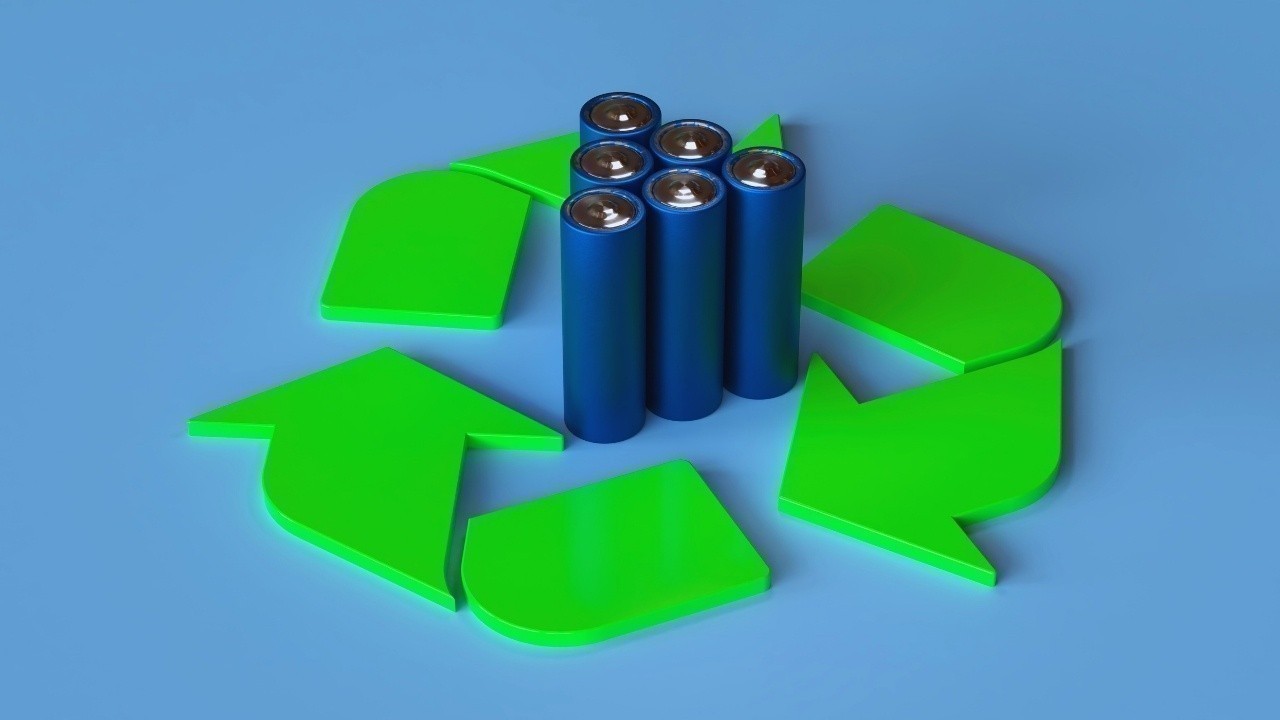
One of the most crucial developments in next-gen batteries is recycling. Traditional lithium-ion waste poses a major environmental challenge. New designs prioritise full recyclability, enabling materials to be recovered and reused without major degradation.
Future-ready battery recycling includes:
carbon-neutral recycling facilities
chemical recycling for purer material recovery
battery passports and digital traceability
standardized modules for easy disassembly
lower environmental impact in material extraction
Closed-loop battery ecosystems ensure manufacturers can recover lithium, cobalt, nickel, manganese, and other valuable materials, reducing the need for mining and improving sustainability.
Fast-charging is one of the most requested features for next-gen batteries. Advances in nanotechnology, electrode design, and solid electrolytes have enabled dramatic improvements.
Next-gen fast-charging promises:
full EV charge in minutes instead of hours
reduced stress on battery health
improved support for high-power grids
better performance in cold temperatures
These innovations aim to make charging an electric vehicle as fast and convenient as refueling a traditional one.
Safety has been a major concern for consumers, especially after incidents involving battery overheating or fires. New battery chemistries prioritise stability through:
solid electrolytes
non-flammable materials
improved thermal management
advanced separators
smarter battery-management systems
As batteries become safer, public trust in electric mobility and renewable storage grows, accelerating adoption.
Software is playing a larger role than ever in battery technology. Smart battery management systems ensure optimal performance and safety by monitoring:
temperature
charge/discharge rate
voltage balance
cell health
Artificial intelligence is being integrated into modern BMS to extend lifespan and prevent degradation through predictive insights, making batteries smarter and more efficient.
Next-gen battery production emphasizes sustainability from the start. Manufacturers are reducing emissions and resource waste through:
low-carbon manufacturing methods
reduced water usage
ethical sourcing of minerals
recycled materials in cells
circular-economy frameworks
Eco-conscious production ensures that clean energy storage technologies do not contribute to new environmental problems.
Battery innovation is powering the rise of decentralised energy systems. Homes, businesses, and microgrids can store renewable energy locally, reducing strain on large fossil-fuel power stations.
Next-gen batteries enable:
home solar + storage systems
rural electrification
community microgrids
disaster-resilient infrastructure
Decentralised power supports climate adaptation by ensuring electricity remains available during extreme weather events.
As battery technology evolves, even industries once thought impossible to electrify are entering the conversation. Next-gen batteries are enabling:
short-haul electric flights
hybrid marine vessels
electric ferries
drone delivery networks
High-density, low-weight chemistries are the key to unlocking electric transportation across air and sea.
As nations expand renewable installations, battery storage becomes essential to stabilize supply. Next-gen grid batteries help:
reduce blackout risks
manage peak loads
store excess solar/wind energy
balance volatile renewable outputs
These systems are becoming critical as countries phase out fossil fuels and adopt ambitious climate policies.
Countries are competing fiercely to dominate battery manufacturing. Gigafactories are being built worldwide, with governments offering incentives to strengthen industrial supply chains.
Nations are focusing on:
energy independence
reduced import reliance
leadership in electric mobility
local job creation
technological sovereignty
This competition accelerates innovation and reduces costs for consumers.
Despite significant progress, next-gen batteries still face hurdles:
scaling up manufacturing
securing sustainable raw materials
ensuring stable global supply chains
lowering production costs
meeting safety regulations
developing recycling infrastructure
Addressing these issues will determine how quickly next-gen batteries become mainstream.
Customers increasingly want batteries that:
last longer
charge faster
maintain capacity for years
are made responsibly
can be recycled easily
Next-gen batteries are being designed with these expectations at their core, signalling a major shift in how technology aligns with lifestyle and environmental values.
The next decade will redefine energy storage. Batteries will become safer, cleaner, more powerful, and deeply integrated into everyday infrastructure.
Future developments may include:
universal solid-state adoption
carbon-neutral battery factories
near-instant vehicle charging
wide-scale recyclable materials
metal-free battery chemistries
global battery-passport standards
ultra-long grid storage systems
AI-optimised battery life cycles
These innovations point to a world where renewable energy is reliable, electric mobility is fully mainstream, and sustainability is integrated into every stage of energy storage.
Next-generation batteries are accelerating the global clean-energy transition. With safer materials, faster charging, extreme durability, and fully recyclable designs, they are reshaping how nations generate, store, and consume power. As research, investment, and manufacturing continue to grow, these technologies will drive a more sustainable, resilient, and electrified future for the planet.
This article explores global energy and technology trends for informational purposes. Technical performance and availability of next-generation batteries may vary by region, manufacturer, and regulatory standards.

Philippine Airlines Suspends Dubai, Doha Flights Till April 30
Philippine Airlines has suspended Manila-Dubai and Doha flights till April 30 due to Middle East ten

Deadly Factory Fire in Daejeon Kills 11, Several Missing
A massive fire at an auto parts factory in Daejeon, South Korea, has killed 11 people, injured 59, a

Sanofi Opens Innovation Centre in Chengdu China
Sanofi opens its first China Innovation Centre in Chengdu, boosting R&D, clinical trials, and supply

Jordan, Egypt Condemn Terror Plot Targeting UAE
Jordan and Egypt strongly condemn a terror plot targeting the UAE’s economy, reaffirming support for

Elon Musk Found Liable in Twitter Investor Case
A US jury found Elon Musk liable for misleading Twitter investors in 2022 deal, awarding up to $2.1

BTS Comeback Concert Draws 260K Fans in Seoul
BTS holds a mega comeback concert in Seoul with 260,000 fans, marking their first album in 3 years a

UAE DMT Prepares for Weather Alert March 21–27
Abu Dhabi’s DMT activates emergency plans, deploys teams, and urges public caution as unstable weath


Bank of Baroda Faces Abu Dhabi Legal Battle over NMC Collapse
Bank of Baroda’s involvement in Abu Dhabi litigation tied to the NMC Healthcare collapse raises repu

Top Museum Openings of 2026 Set to Transform Global Tourism
From Los Angeles to Abu Dhabi and Brussels, 2026 brings major museum launches—Lucas Museum, Guggenhe

UAE Tour Highlights UAE’s Strength in Hosting Global Sports Events
Abu Dhabi Sports Council says the successful UAE Tour reflects the UAE’s leading role in hosting maj

EU Seeks Clarity from US After Supreme Court IEEPA Ruling
European Commission urges full transparency from the US on steps after Supreme Court ruling, emphasi

SpaceX Launches 53 New Satellites for Expanding Starlink Network
SpaceX launches 53 Starlink satellites in two Falcon 9 missions, breaking reuse records and expandin

RTA Awards Contract for Phase II of Hessa Street Upgrade in Dubai
Phase II of Hessa Street Development to add bridges, tunnel, and upgraded intersections, doubling ca

UAE Gold Prices Today, Monday 16 February 2026: Dubai & Abu Dhabi Updated Rates
Gold prices in UAE on 16 Feb 2026 updated: 24K around AED 599.75/gm, 22K AED 555.25/gm, and 18K AED

Over 25 Ahmedabad Schools Receive Bomb Threat Email, Authorities Investigate
More than 25 schools in Ahmedabad evacuated after bomb threat emails mentioning Khalistan. Authoriti