Post by : Anis Karim
For decades, fitness culture has been shaped by structure—repetitions, machines, drills, and strict programs centered around strength, muscle growth, and calorie burn. Gyms symbolized discipline, progress, and transformation. Yet today, an increasing number of people are stepping away from rigid exercise routines and embracing a different philosophy: movement as medicine.
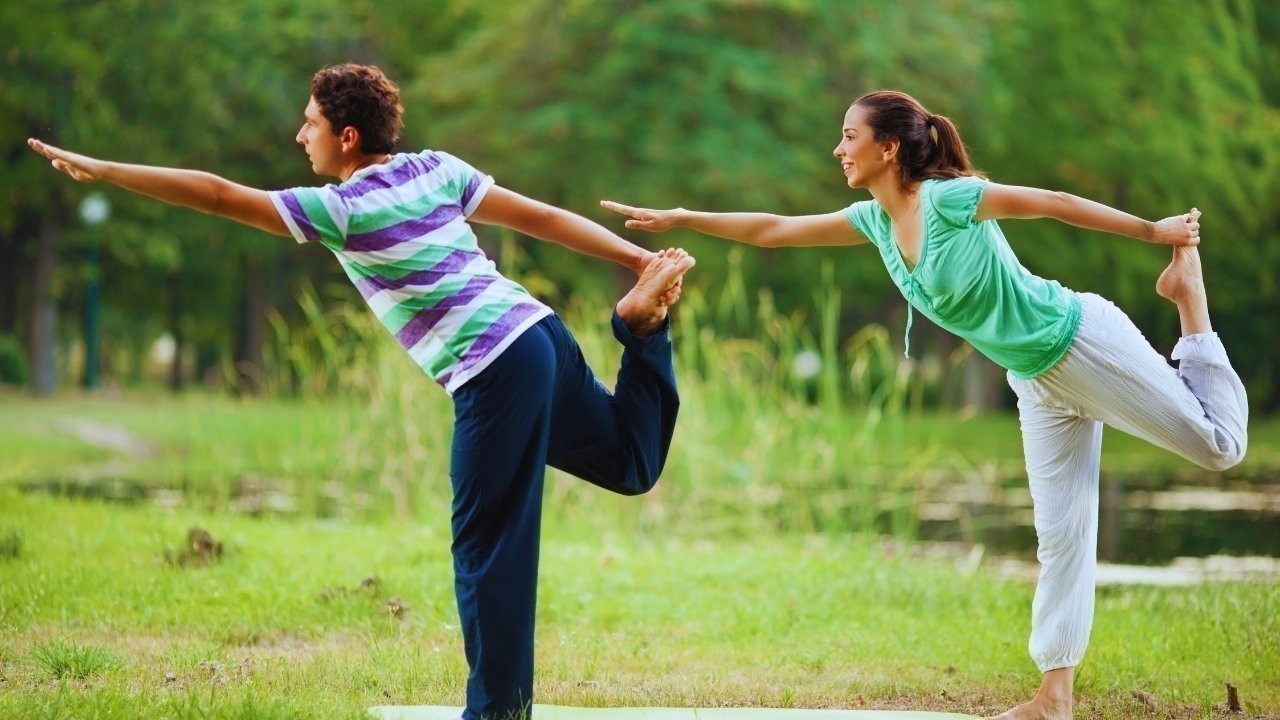
Movement medicine isn’t just about physical fitness. It's a holistic way of reconnecting with the body through instinctive motion, rhythm, playfulness, and expression. Rather than chasing perfection or sculpted symmetry, people are embracing flow, pleasure, intuition, and natural movement patterns.
This shift reflects a deeper change in how we relate to health. Wellness has evolved beyond aesthetics—it's now about emotional relief, nervous system regulation, and functional strength that supports life, not just the mirror.
Gyms still play a valuable role in health, but many individuals feel disconnected from repetitive exercises, heavy machines, and the performance-driven environment. The old fitness mindset focused on pushing harder, counting numbers, and competing—even if silently—with others or with yourself.
Today’s generation faces new challenges:
– high stress and mental overload
– sedentary screen-based work
– emotional burnout
– need for creative outlets
– desire for community and positive energy
In this climate, movement that feels freeing, healing, and emotionally grounding resonates more deeply than heavy routines that feel like obligation. People no longer want to “punish” their bodies into fitness—they want to care for their bodies into strength.
Dance has surged as a wellness practice worldwide—not for performance, but for healing. Whether it's conscious dance sessions, Zumba, Afro-fusion, belly dance, contemporary movement, or ecstatic dance workshops, people are finding their rhythm.
Dance offers:
– emotional release through movement
– endorphin boost without monotony
– improved coordination and balance
– self-expression without judgment
– cardio benefits wrapped in joy
– deep nervous system relaxation
It bypasses the brain’s need for structure and invites the body to lead. People don’t dance to “exercise”—they dance to feel alive, confident, grounded, and connected.
Ancient movement patterns—crawling, squatting, hanging, rolling, climbing, jumping, flowing—are making a comeback. These movements reflect how the human body was designed to move before chairs, screens, elevators, and modern conveniences shaped our posture and mobility.
Primal movement and flow practices focus on:
– joint health and flexibility
– natural core strength
– balance and coordination
– posture correction
– injury prevention
– freedom of motion
They reconnect the body with instinctive capability. A strong body isn't just a muscular one—it's a body that moves freely, reacts quickly, and supports everyday life effortlessly.
Kids run, jump, tumble, stretch, hang, and explore without thinking about fitness. Adults often lose this spontaneity, replacing movement with routines, chairs, and screens. But play is making a comeback as a legitimate wellness method.
Parkour sessions, trampoline workouts, animal-flow communities, and outdoor “play gyms” are becoming wellness staples. Even adults are rediscovering skipping ropes, hula hoops, open-space running, and tree climbing in structured play workshops.
This playful movement culture supports not just the body but the mind. Play stimulates creativity, releases stress, builds agility, and brings laughter—the most underrated therapy of all.
The modern movement trend is deeply tied to mental wellbeing. Science increasingly validates what traditional cultures always knew—movement regulates emotions, releases trauma, improves cognitive clarity, and centers the mind.
Movement medicine supports:
– emotional release (crying, laughing, shaking)
– stress relief and grounding
– boosting dopamine and serotonin
– nervous system calming
– trauma healing through somatic release
– improved self-awareness
Rather than numbing emotion through control and rigidity, movement encourages feeling, releasing, and integrating emotions through the body. People leave sessions lighter—not just physically, but mentally.
Somatic practices focus on internal sensations rather than external form. They encourage tuning into the body’s messages and responding with compassion. This approach improves emotional resilience, body awareness, and inner peace.
Somatic practices include:
– breath-led motion
– slow flow exercises
– mindful stretching
– micro-movements for fascia release
– shaking practices for stress discharge
Somatic work isn’t about doing—it’s about feeling. It teaches us the body is not a machine to be disciplined, but a home to be understood.
Group gyms once represented community for fitness, but many people now crave deeper emotional connection instead of silent reps beside strangers. Movement circles, dance workshops, outdoor flow meetups, and community movement festivals create social bonding around shared joy.
Benefits include:
– social connection
– shared creative energy
– support and safety
– collective empowerment
– belonging without competition
Movement becomes a shared language beyond words.
Interestingly, digital platforms have fueled this shift. Online movement classes allow people to explore dance, primal flow, breath-movement practices, and expression safely from home.
Virtual instructors encourage freedom—not conformity—making movement accessible to:
– introverts
– beginners
– those intimidated by gyms
– people healing trauma
– busy professionals seeking flexibility
Technology hasn’t removed authenticity—it has amplified access to it.
Old health culture measured success in numbers: weight, calories, sets, reps, duration. Movement medicine celebrates how we feel instead of how we look.
Key shifts include:
– from aesthetic goals to emotional wellbeing
– from punishment to pleasure
– from comparison to self-connection
– from discipline to flow
– from performance to inner experience
Movement becomes nourishment—not obligation.
Unlike strict gym schedules, movement medicine fits into real life. People practice:
– stretching while working
– dance breaks in living rooms
– playground workouts with kids
– barefoot walks in parks
– mobility flows before bed
– breath movement sessions during stress
It isn't an appointment—it's woven into life.
Movement medicine is not a trend — it's a homecoming. It returns us to our natural state: alive, expressive, curious, emotional, spontaneous, and free.
Where gyms built strength from effort, movement builds strength from joy. Where numbers ruled fitness, now sensations lead the way. Where bodies once worked under pressure, they now move under pleasure.
The body remembers freedom. And today’s world finally listens.
In this new era, fitness does not belong inside walls alone. It lives in rhythm, nature, breath, laughter, flow, sensation, and presence. Movement isn’t just exercise — it is healing, celebration, and life itself.
This article shares general wellness insights for educational purposes. Movement experiences and emotional outcomes vary for individuals. Readers should explore practices gradually and consult qualified professionals if they have any existing health or mobility concerns.
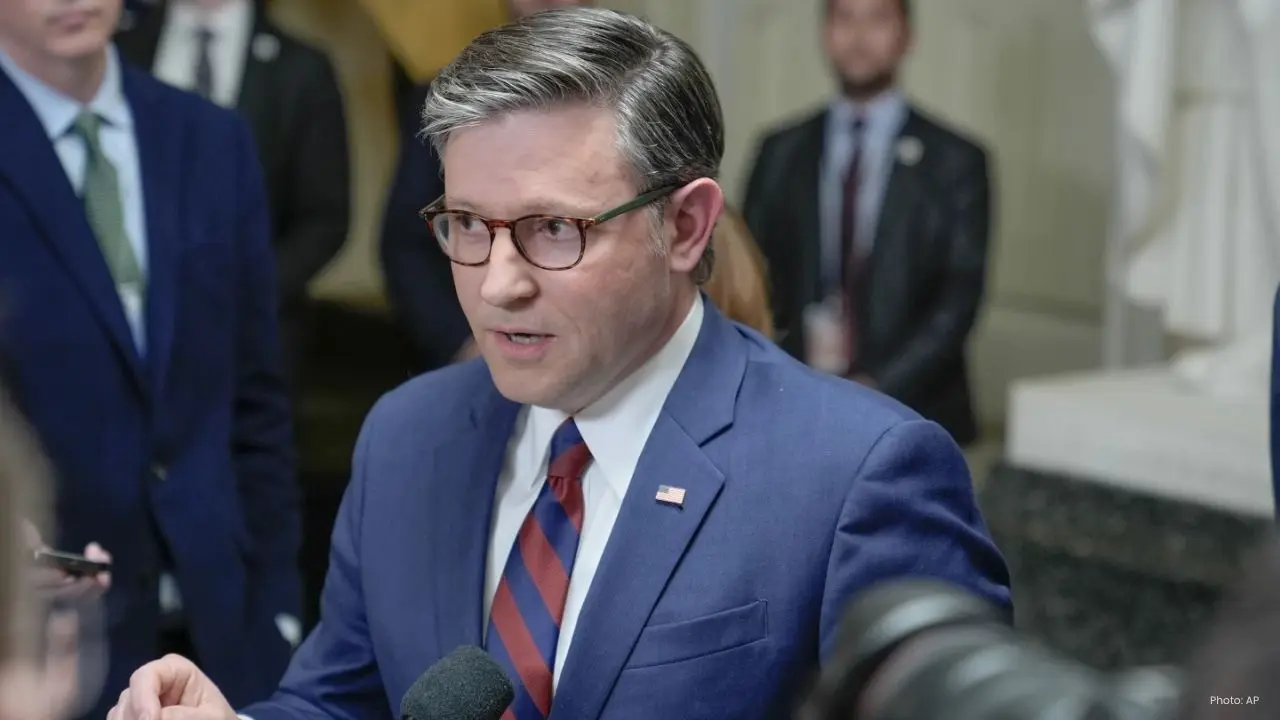
GOP Leaders Unveil Plan to End DHS Partial Shutdown
House and Senate GOP leaders propose a two-track plan to fund DHS, aiming to end the record-long shu
Northern California Shaken by Early Morning 4.6 Earthquake
A 4.6 magnitude earthquake struck near Boulder Creek, CA, early Thursday, shaking homes across a 100

Hillhouse Opens Abu Dhabi Office, Strengthens UAE Presence
Hillhouse Investment opens ADGM office with Category 3C license, boosting UAE and GCC investment act
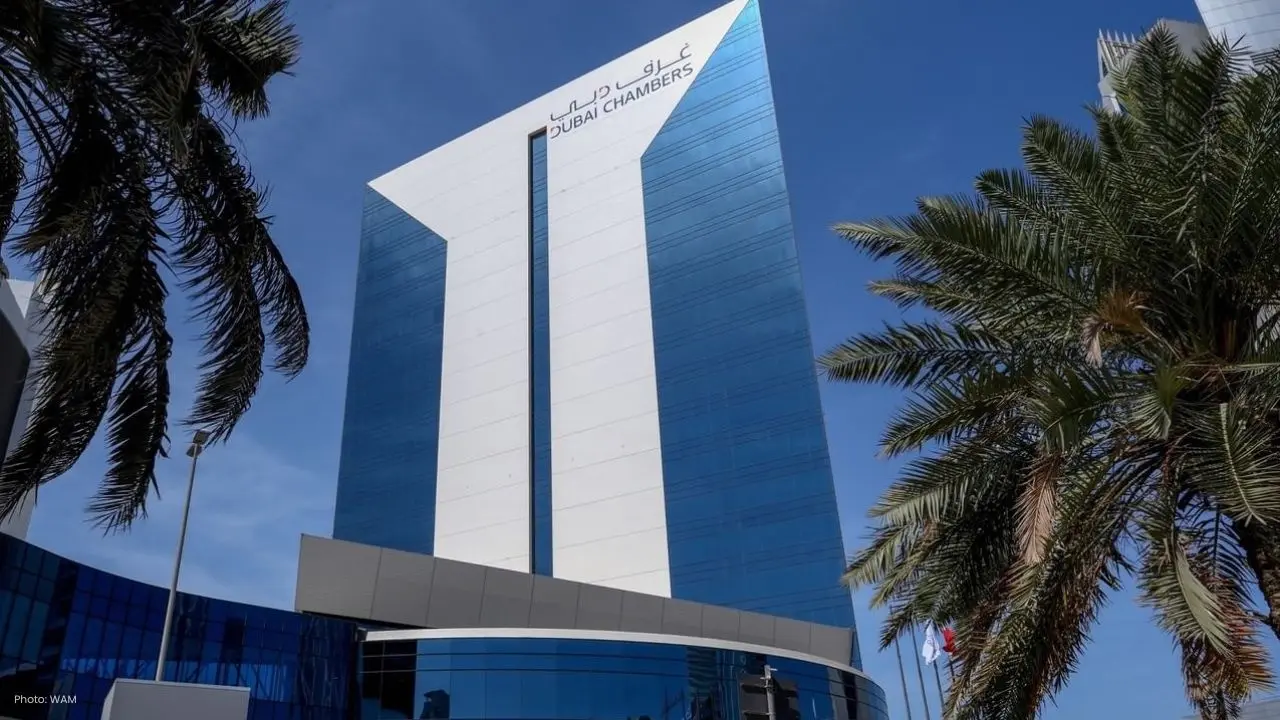
Dubai, China Strengthen Trade & Investment Cooperation
Dubai Chambers meets CCPIT Beijing to enhance trade, investment, and cooperation in digital economy,
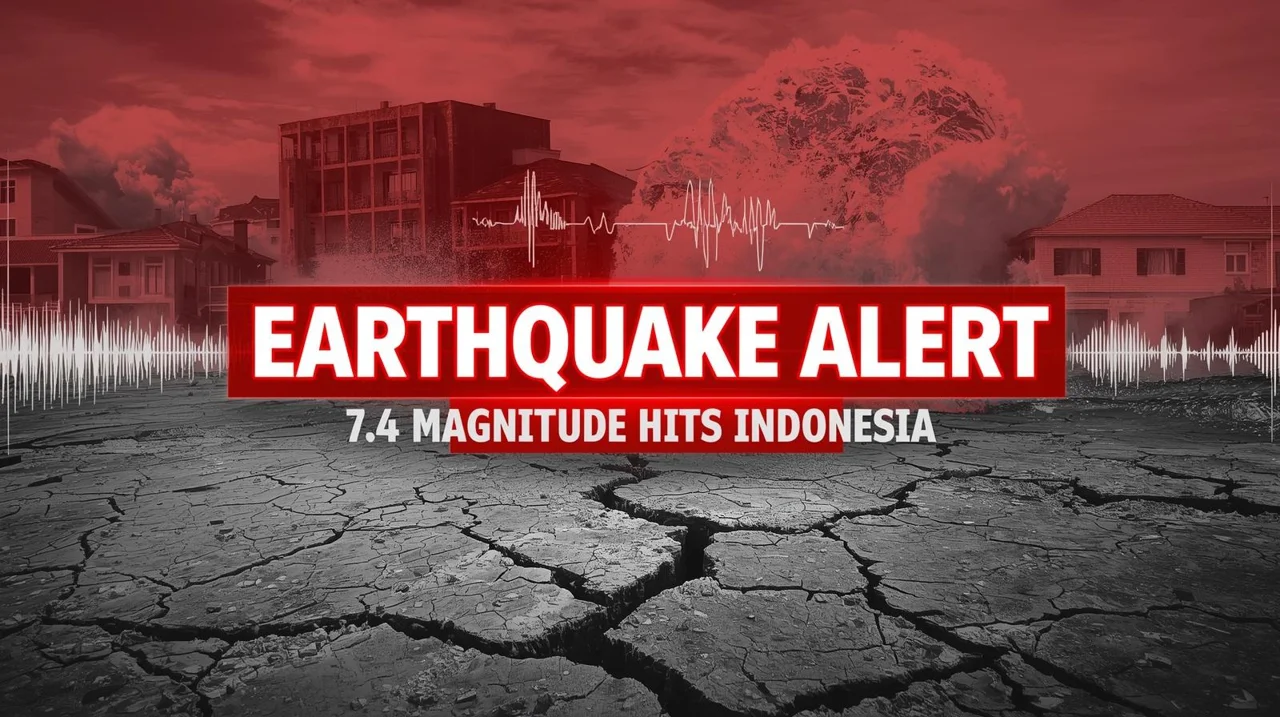
Indonesia Earthquake Today: 7.4 Magnitude Quake Triggers Tsunami Warning
A 7.4 magnitude earthquake hits Indonesia, prompting tsunami warnings and emergency evacuations. Get
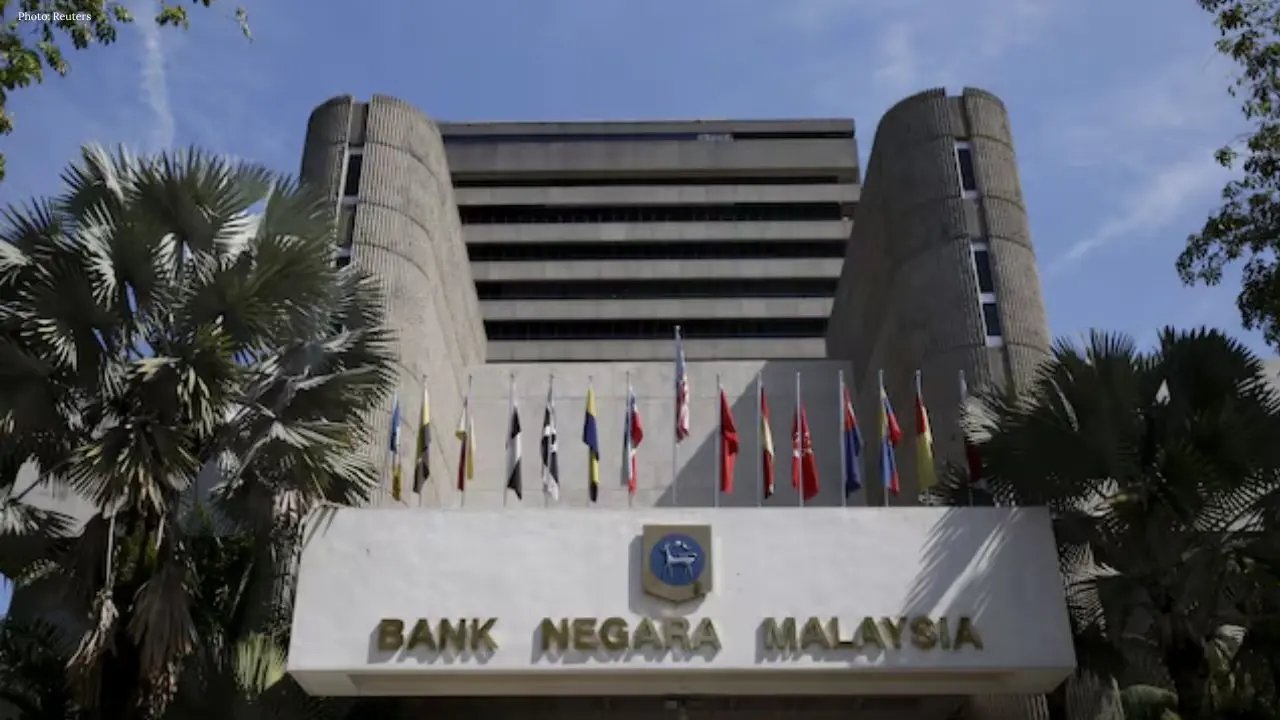
Malaysia’s Economy Remains Steady Amid Global Tensions
Despite geopolitical risks, Bank Negara highlights Malaysia's strong economic fundamentals and endur

Abu Dhabi Fund Drives Global Development & UAE Export Growth
ADFD’s 2025 report highlights AED 250B financing, global projects, and UAE export support, strengthe

NASA Launches Artemis II Crew for 10-Day Lunar Mission
NASA launches Artemis II with four astronauts for a 10-day Moon mission, marking the first crewed lu
Dubai RTA, Ministry Partner for Family First Programme
Dubai RTA and Ministry of Family partner to enhance transport, urban spaces, and services under Fami

Bank of Baroda Faces Abu Dhabi Legal Battle over NMC Collapse
Bank of Baroda’s involvement in Abu Dhabi litigation tied to the NMC Healthcare collapse raises repu
Top Museum Openings of 2026 Set to Transform Global Tourism
From Los Angeles to Abu Dhabi and Brussels, 2026 brings major museum launches—Lucas Museum, Guggenhe
UAE Tour Highlights UAE’s Strength in Hosting Global Sports Events
Abu Dhabi Sports Council says the successful UAE Tour reflects the UAE’s leading role in hosting maj

EU Seeks Clarity from US After Supreme Court IEEPA Ruling
European Commission urges full transparency from the US on steps after Supreme Court ruling, emphasi

SpaceX Launches 53 New Satellites for Expanding Starlink Network
SpaceX launches 53 Starlink satellites in two Falcon 9 missions, breaking reuse records and expandin

RTA Awards Contract for Phase II of Hessa Street Upgrade in Dubai
Phase II of Hessa Street Development to add bridges, tunnel, and upgraded intersections, doubling ca