
Post by : Anis Karim
A wave of new licensing rules announced this week is reshaping the craft-beer scene and putting microbreweries in a position of both challenge and opportunity. For entrepreneurs behind the kegs, the rules require revised business models, fresh compliance strategies and a sharper focus on location, production capacity and serving formats. For patrons and local nightlife, these developments signal more craft-beer options — but also potential price adjustments, regulatory transparency and deeper shifts in how fresh beer is brewed, served and marketed.
These changes come at a moment when microbreweries are not just niche players but growing cultural touchpoints in many cities. The new regulations respond to that growth — aiming to standardise operations, improve licensing transparency and align craft-beer production with broader public-policy goals around safety, taxes and tourism. This article dives into the details of the rules, explores how microbreweries are adapting, and outlines what consumers and enthusiasts can expect in the coming months.
The newly announced rules include several critical requirements that impact microbreweries across the board:
Eligibility of Premises and Location: Many jurisdictions now restrict microbrewery licences to specific zones — primarily hotels, restaurants or clubs — and often require minimum seating or area thresholds.
Production and Serving Limits: Some licences set clearly defined annual production caps, or explicitly tie production to on-site consumption (i.e., draught only) rather than full commercial bottling.
Application Process and Fees: The regulation updates typically include non-refundable application fees, specified timelines for submission, and lottery or quota systems for allocation.
Environmental, Waste and Health Compliance: Microbreweries are required now to handle effluent, wastewater, cooling and sanitation according to stricter standards, and some must submit environmental-impact or food-safety certifications.
Ownership, Staffing and Structural Conditions: Some rules mandate that applicants maintain minimum ownership percentages, adhere to local content or investment requirements, or ensure specific staffing/technical-expertise levels.
Inspection and Reporting Requirements: Once licensed, microbreweries will face regular inspections, batch-testing obligations for beer quality, and must display certification or lab-report disclosures for consumers.
Because the rules were “announced this week”, many microbrewery owners are currently reviewing the fine print, assessing financial impact and planning operational changes.
Microbrewery owners are reacting quickly to the new regime — some by pivoting their business models, others by expanding to meet new criteria, and many by revisiting their compliance strategy.
Many brewers are making on-the-ground changes. For example, a brewery that previously operated with minimal seating now plans to expand its dining area to meet new minimum capacity thresholds. Others are adjusting production flows — shifting from bottled-beer distribution to “on-site draught only” models if the licence says so.
New fee structures, application deposits and compliance costs have prompted owners to revisit pricing, staffing and investment schedules. Some are seeking additional capital, while others are renegotiating with landlords or rethinking lease agreements to align with license-zone requirements.
Given some rules tie microbrewery licences to hotels, restaurants or “premium” hospitality zones, some brewers are exploring partnerships with hotel chains or relocating to larger venues that can support the greater space demands.
With regulatory changes also affecting which promotions are allowed, how beer is labelled and how production volumes are disclosed, many microbreweries are beginning to adjust their branding. They lean into “fresh on-site brew” messaging, emphasise craft credentials and highlight compliance as a selling point.
Because licences increasingly emphasise on-premise consumption (rather than mass distribution), microbreweries are elevating tap-room experiences: offering food pairings, live events, craft sessions, and making the venue part of the attraction. This shift allows them to meet licence criteria and generate higher-margin visitor revenue.
If you’re someone who enjoys craft beer or is simply curious about new microbrew bars, the regulatory shift will affect what you see, where you go and what you pay.
Because many licences focus on brewing and serving on-the-premises, you might see more brew-pub-style venues popping up. These venues often emphasise freshness, limited runs and tap-only servings.
With compliance costs rising (fees, space upgrades, quality testing), some producers may pass on costs to consumers. However, the elevated experience (food pairings, venue ambience) may justify higher price points.
In response to competition and the incentive to attract visitors, microbreweries may experiment more: small batches, seasonal flavours, tap-room exclusives. The regulatory push may actually accelerate experimentation rather than inhibit it.
New inspection and certification requirements mean consumers can expect better signage about beer quality, batch data or lab-certified standards. This could raise the baseline of what craft beer must deliver.
With many regulators expanding allowable zones beyond city centres, more localities may see microbrewery venues — smaller towns, suburban hospitality hubs or tourist zones may benefit from the shift.
While the new rules present opportunity, they also carry risks — especially for smaller brewers or those just entering the market.
Meeting minimum area, seating capacity or production-equipment requirements can demand substantial capital, putting smaller entrants at a disadvantage.
Quota or lottery-based allocations, high application fees and limited number of licences per region may mean delays or unpredictable market entry timelines.
Complying with environmental standards, batch testing, beer-quality certification and documentation adds administrative overhead. Breweries will need to invest in compliance systems and possibly hire specialist staff.
If a microbrewery previously relied heavily on distribution outside the venue or online sales, licensing rules that prioritise on-site service may force a business-model pivot. That can lead to revenue uncertainty during transition.
Smaller or niche breweries may find it harder to justify very small experimentation batches if compliance cost remains high—even though innovation is often their competitive edge.
The announcement of these rules comes at a strategic moment for the craft-beer industry, and it aligns with broader trends.
Across many cities and regions, consumer appetite for unique, local-brewed beer is rising. Licensing frameworks aim to capture that growth while ensuring regulation keeps pace.
Regulators see microbreweries as drivers of tourism, local employment and hospitality enhancement. By encouraging licensed venues, cities hope to boost local economy and nightlife culture.
With craft-beer venues often combining food, drink and entertainment under one roof, regulators are increasing standards around hygiene, capacity and waste-handling. The new rules reflect this integrated view of hospitality and safety.
Craft-beer licensing also presents revenue opportunities for governments through excise duties, hospitality taxes and visitor spending. Clearer rules help reduce informal operations and improve tax compliance.
While full rollout will take months, a few microbreweries are already making moves.
Some operators in major cities are expanding their seating and dining facilities to meet new area thresholds.
Others have launched exclusive tap-room experiences emphasising “licensed craft brew” slogans to align with newly mandated service-venue criteria.
A handful of start-ups paused plans, deciding to wait for full clarity on rules, fees and timelines before finalising investment.
These early adopters give a glimpse of how the sector may restructure — and how fast the market might evolve.
For anyone following the craft-beer scene or considering entering it, the next 12 months will be important. Key indicators include:
Licence-allocation timelines: How quickly approvals are processed after the rule announcement.
Venue expansion and geographic spread: Whether smaller towns and suburbs attract craft-beer venues.
Menu and format diversification: Whether tap-room-only formats, seasonal runs and venue-based breweries increase in number.
Pricing shifts: How consumer pricing adjusts in response to operational cost changes.
Regulatory feedback loops: Whether authorities refine rules based on early operational feedback from brewers.
Consumer perception: How patrons react to craft-beer experiences under the new framework.
Monitoring these trends will show whether the licensing changes drive growth, standardisation or unintended consolidation in the craft-beer sector.
The newly announced licensing rules mark a pivotal moment for microbreweries and the craft-beer ecosystem. For patrons, the changes promise fresher beer, more venue-focused experiences and a broader array of choices. For brewers, the rules require adaptation, strategic investment and sharper business models — but they also present a chance to grow more sustainably, professionally and profitably.
In short, microbreweries now stand at the intersection of regulatory demand, consumer enthusiasm and hospitality evolution. Those who adjust quickly stand to gain — and those who don’t may find the new rules harder to navigate. Either way, the craft-beer landscape is changing, and the coming months will show whether this regulatory push results in a wave of new brew-pubs, elevated beer culture and expanded access for enthusiasts everywhere.
This article is for general informational and editorial purposes only. It summarises recent policy changes around microbrewery licensing and does not constitute legal, investment or business-planning advice. Local regulatory conditions may vary and operators should seek specific professional guidance.
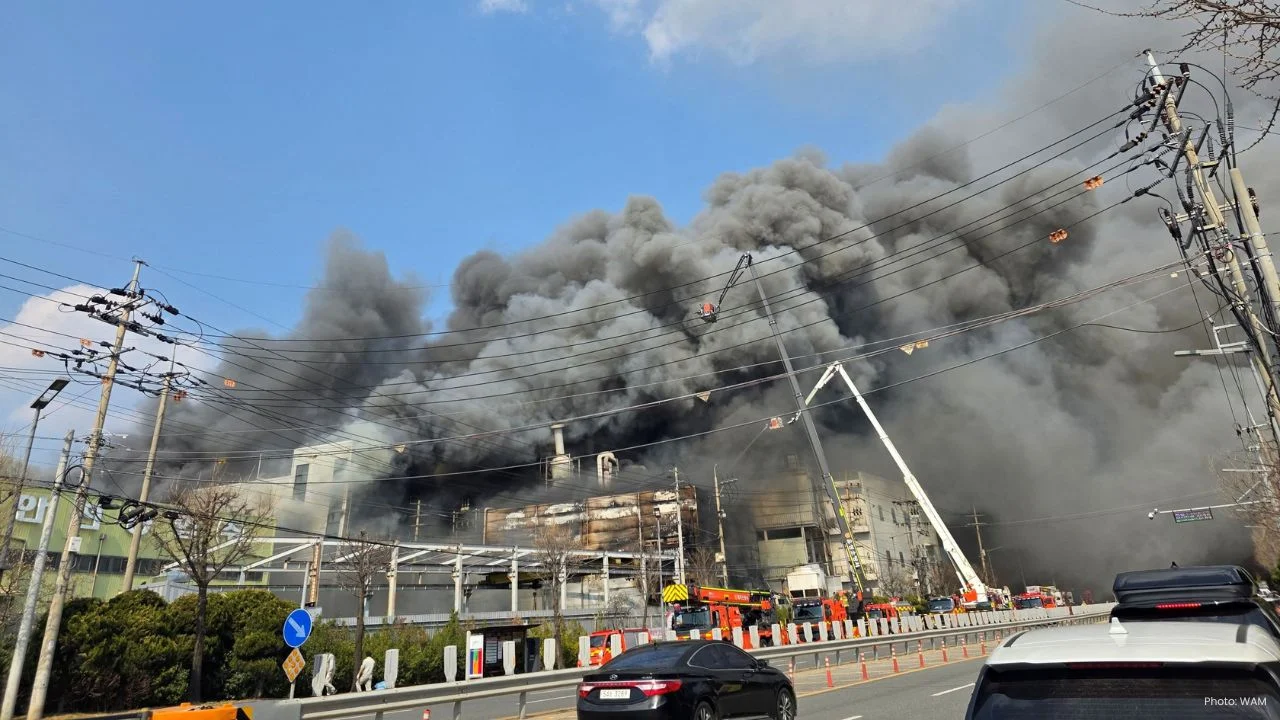
Deadly Factory Fire in Daejeon Kills 11, Several Missing
A massive fire at an auto parts factory in Daejeon, South Korea, has killed 11 people, injured 59, a

Sanofi Opens Innovation Centre in Chengdu China
Sanofi opens its first China Innovation Centre in Chengdu, boosting R&D, clinical trials, and supply

Jordan, Egypt Condemn Terror Plot Targeting UAE
Jordan and Egypt strongly condemn a terror plot targeting the UAE’s economy, reaffirming support for

Elon Musk Found Liable in Twitter Investor Case
A US jury found Elon Musk liable for misleading Twitter investors in 2022 deal, awarding up to $2.1

BTS Comeback Concert Draws 260K Fans in Seoul
BTS holds a mega comeback concert in Seoul with 260,000 fans, marking their first album in 3 years a

UAE DMT Prepares for Weather Alert March 21–27
Abu Dhabi’s DMT activates emergency plans, deploys teams, and urges public caution as unstable weath

Dubai Property Market Faces War-Driven Slowdown
Dubai’s real estate market shows early slowdown as Iran war impacts investor confidence, with fallin


Bank of Baroda Faces Abu Dhabi Legal Battle over NMC Collapse
Bank of Baroda’s involvement in Abu Dhabi litigation tied to the NMC Healthcare collapse raises repu

Top Museum Openings of 2026 Set to Transform Global Tourism
From Los Angeles to Abu Dhabi and Brussels, 2026 brings major museum launches—Lucas Museum, Guggenhe

UAE Tour Highlights UAE’s Strength in Hosting Global Sports Events
Abu Dhabi Sports Council says the successful UAE Tour reflects the UAE’s leading role in hosting maj

EU Seeks Clarity from US After Supreme Court IEEPA Ruling
European Commission urges full transparency from the US on steps after Supreme Court ruling, emphasi

SpaceX Launches 53 New Satellites for Expanding Starlink Network
SpaceX launches 53 Starlink satellites in two Falcon 9 missions, breaking reuse records and expandin

RTA Awards Contract for Phase II of Hessa Street Upgrade in Dubai
Phase II of Hessa Street Development to add bridges, tunnel, and upgraded intersections, doubling ca

UAE Gold Prices Today, Monday 16 February 2026: Dubai & Abu Dhabi Updated Rates
Gold prices in UAE on 16 Feb 2026 updated: 24K around AED 599.75/gm, 22K AED 555.25/gm, and 18K AED

Over 25 Ahmedabad Schools Receive Bomb Threat Email, Authorities Investigate
More than 25 schools in Ahmedabad evacuated after bomb threat emails mentioning Khalistan. Authoriti