Post by : Anis Karim
Over the last week, several cities have announced new workplace policies focused on mental health check-ins—a response to rising reports of burnout, disengagement, and emotional fatigue among workers. The pressures of hybrid schedules, unstable workloads, digital overload, and increasing economic anxiety have made it clear that employers can no longer treat mental health as an optional add-on.
City officials, labour departments, and corporate associations have jointly emphasised that emotional well-being plays a significant role in productivity, retention, and workplace harmony. The new check-in policies are designed to make conversations around mental health normal, accessible, and stigma-free. They aim to help employees at all levels feel seen, supported, and stable.
These policies are not only aimed at large corporations. Small businesses, public sector offices, educational institutions, and local organisations are receiving guidelines too. With this shift, cities are reframing mental health as a shared responsibility that shapes both workforce resilience and community well-being.
The sudden momentum behind mental-health initiatives this week stems from multiple developments. Recent surveys reported increased stress levels linked to rapid digital changes, unpredictable work cycles, and financial strain. Hybrid workers, juggling both home and office environments, have expressed rising difficulty in maintaining work-life balance.
Local authorities also noted a spike in employee absenteeism and reduced engagement, driving policymakers to encourage companies to adopt more structured, preventative measures. Instead of responding only when employees reach a breaking point, cities want workplaces to identify early signs of distress and intervene sensitively.
Another catalyst comes from rising conversations about emotional well-being in the public space. Editorials, HR roundtables, and health experts have all highlighted the need for workplaces to create cultures where workers can openly discuss mental strain without fear of judgement. This week’s policies reflect that awareness.
Workplace check-ins introduced this week vary across cities, but they share the core objective of offering employees a supportive platform—without forcing them to disclose sensitive details. These systems blend structured guidance with flexibility.
Managers or trained supervisors conduct brief, non-intrusive chats with employees—either in person or virtually. These discussions focus on workload limits, stress levels, interpersonal challenges, and general emotional state.
Many organisations are adopting digital self-check surveys that allow employees to reflect privately on their mental health, flag concerns, and receive recommendations or resources.
Workplaces are encouraged to provide small windows of time each week where employees can pause, reset, or speak to a support officer.
Cities have recommended partnerships with licensed mental-health professionals. Larger organisations are adopting in-house counsellors, while smaller ones are opting for rotating experts funded partially by municipal programs.
Some workplaces are piloting anonymous team-level assessments that help HR understand group morale, identify burnout pockets, and adjust workflows accordingly.
Employee reaction to these new policies has been largely positive. For many, the check-ins offer a safe space to express concerns that were previously ignored or minimised. Workers appreciate the recognition that emotional well-being affects job performance and personal life equally.
Many young professionals, particularly those coping with early-career pressures, find reassurance in structured check-ins that help them navigate challenges without stigma. Working parents—managing unpredictable routines—also welcome the opportunity to discuss stress before it becomes unmanageable.
Remote and hybrid employees feel better supported knowing that their isolation and digital fatigue are being acknowledged in formal policy.
While some companies initially worried that mental-health policies would add administrative burden, early reports this week suggest the opposite. Employers adopting check-ins are seeing:
Higher team morale
Faster conflict resolution
Better workload distribution
Lower absenteeism
More engaged and productive teams
Stronger sense of organisational trust
Managers say that check-ins help them catch workflow issues early, preventing small frustrations from escalating. HR teams find these conversations invaluable for shaping more empathetic and effective workplace cultures.
A key part of the new policy rollout involves training managers—not to become counsellors, but to listen. Cities are providing guidelines on how supervisors can:
Ask open-ended, non-judgmental questions
Recognise signs of burnout
Respond calmly to distress
Maintain employee privacy
Avoid offering medical advice
Direct employees to professional help when needed
This training is crucial because mishandled conversations can discourage workers from speaking up. The emphasis is on empathy, tone, confidentiality, and respect.
Workplaces with large remote teams face unique challenges. This week’s policies introduce tailored approaches for digital workers, including:
Short virtual check-ins focused solely on well-being
Encouraging cameras-off conversations for comfort
Flexible hours for overloaded remote workers
“Digital detox windows” to reduce screen pressure
Peer-support groups organised online
Rotational social sessions to maintain team connection
Cities acknowledge that remote workers are at higher risk of feeling disconnected, making structured check-ins especially valuable.
The newest policies emphasise integration rather than occasional programming. Instead of one-off workshops, mental health is being woven into weekly routines. Examples include:
Regular reminders to use available resources
Workplace bulletins featuring wellness tips
Encouraging micro-breaks throughout the day
Stress-management corners in offices
Quiet rooms for calming down after intense meetings
Flexible deadlines when possible
Collaborative scheduling to prevent burnout
The goal is to create workplaces where mental health is as normal a topic as workload or deadlines.
Despite the progress, some employees hesitate to participate in check-ins due to privacy worries. Cities are countering this with clear guidelines stating:
Check-ins cannot be recorded without consent
Personal disclosures cannot influence performance reviews
Participation must remain voluntary
Conversations must remain confidential
Supervisors cannot probe into private life
These safeguards help build trust and encourage honest engagement.
Municipalities are collaborating with local mental-health organisations, NGOs, hospitals, and educational institutions to strengthen workplace support. These partnerships offer:
Discounted counselling
Mental-health awareness workshops
Crisis-intervention helplines
Seminars on managing burnout
Access to group therapy programs
Resources for stress management and emotional resilience
These city-wide partnerships broaden access beyond individual companies, ensuring even small workplaces can provide meaningful support.
This week’s policy updates also recognise the link between financial stress and mental health. Workers facing rising expenses, housing pressures, and job insecurity often carry emotional strain into their day-to-day routines. Cities are urging employers to consider:
Fair workloads
Clear communication
Transparent expectations
Supportive leave structures
Predictable scheduling
Opportunities for upskilling
By acknowledging financial stress as a major factor, these policies take a more realistic and compassionate approach.
Based on the momentum observed this week, mental-health check-ins are poised to become a standard part of modern employment. Future expansions could include:
City-wide well-being dashboards
AI-supported early detection tools
Workplace wellness certifications
Subsidised in-house counselling teams
Mandatory emotional-wellness modules for managers
Neighbourhood mental-health hubs for workers
Annual well-being compliance reviews
The direction is clear: emotional support will be treated as a core workplace requirement, not a bonus.
The workplace is undergoing a profound transformation. Mental health check-ins, once considered optional or intrusive, are now recognised as essential tools for sustaining a healthy, productive workforce. The policies launched this week reflect a shift toward empathy, early support, and shared responsibility. As more cities adopt structured well-being frameworks, employees can expect workplaces that listen, adapt, and care—creating a foundation for both professional and personal growth.
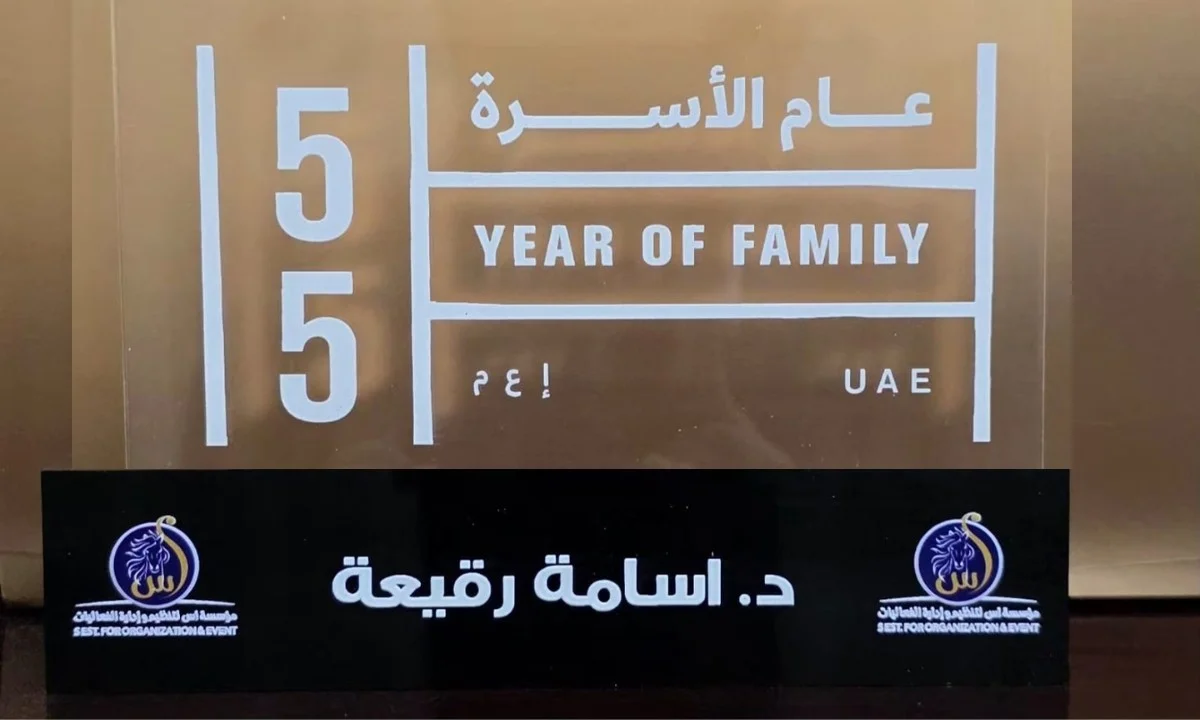
Family Wins “Family of the Year 2026” at Noor Al Quran Event in Ras Al Khaimah
A family honored at the Noor Al Quran initiative in Ras Al Khaimah for Quran memorization and strong

US Approves $16.5B Arms Deal Amid Iran War Escalation
US approves $16.5B arms sale to Gulf allies and $7B to UAE, boosting defence amid Iran tensions whil
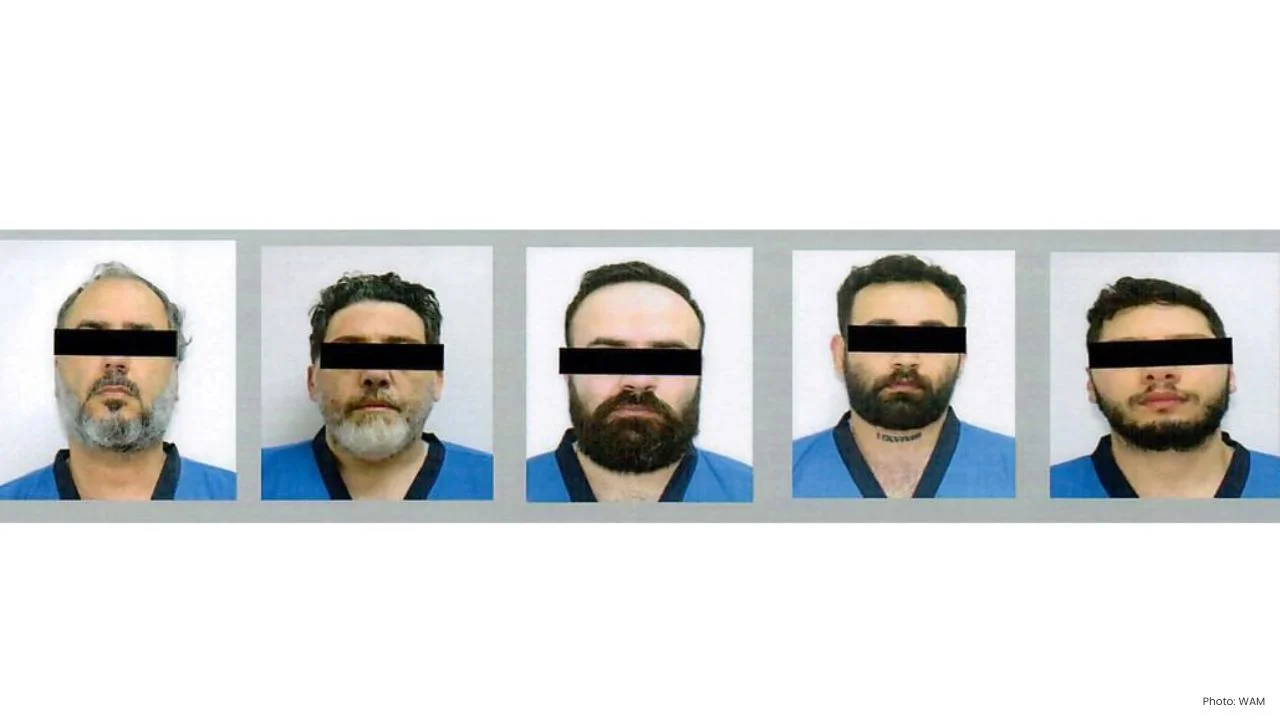
UAE Busts Hezbollah-Iran Terror Network, Members Held
UAE authorities have broken a terror network linked to Hezbollah and Iran, arresting members accused

Swiatek Stunned by Linette in Miami Open Upset Shock
Iga Swiatek suffered a shocking defeat to Magda Linette at the Miami Open, marking her first opening

UAE Orphan Fund Raises AED 3.3 Billion in Ramadan Drive
UAE’s Mother of the Nation Orphan Fund raises AED 3.3B in Ramadan, boosting support for education, h

Ramadan in the UAE: Reflections on Humanity, Leadership, and Lasting Values
A heartfelt Ramadan reflection by Osama Regaah on UAE’s spirit of humility, unity, and leadership, a

Dhurandhar 2 Opens Big, Crosses ₹100 Cr on Day 1
Ranveer Singh starrer Dhurandhar 2 earns ₹102 Cr on day one despite delays, beating past Bollywood o


Bank of Baroda Faces Abu Dhabi Legal Battle over NMC Collapse
Bank of Baroda’s involvement in Abu Dhabi litigation tied to the NMC Healthcare collapse raises repu

Top Museum Openings of 2026 Set to Transform Global Tourism
From Los Angeles to Abu Dhabi and Brussels, 2026 brings major museum launches—Lucas Museum, Guggenhe

UAE Tour Highlights UAE’s Strength in Hosting Global Sports Events
Abu Dhabi Sports Council says the successful UAE Tour reflects the UAE’s leading role in hosting maj
EU Seeks Clarity from US After Supreme Court IEEPA Ruling
European Commission urges full transparency from the US on steps after Supreme Court ruling, emphasi

SpaceX Launches 53 New Satellites for Expanding Starlink Network
SpaceX launches 53 Starlink satellites in two Falcon 9 missions, breaking reuse records and expandin

RTA Awards Contract for Phase II of Hessa Street Upgrade in Dubai
Phase II of Hessa Street Development to add bridges, tunnel, and upgraded intersections, doubling ca

UAE Gold Prices Today, Monday 16 February 2026: Dubai & Abu Dhabi Updated Rates
Gold prices in UAE on 16 Feb 2026 updated: 24K around AED 599.75/gm, 22K AED 555.25/gm, and 18K AED

Over 25 Ahmedabad Schools Receive Bomb Threat Email, Authorities Investigate
More than 25 schools in Ahmedabad evacuated after bomb threat emails mentioning Khalistan. Authoriti