
Post by : Anis Karim
Since its popularization in the mid-20th century, plastic has infiltrated every aspect of our lives—from packaging to electronics. Its affordability and adaptability have made it a staple, but at a grave environmental cost. Currently, global plastic production reaches hundreds of millions of tonnes yearly, much of which ends up as waste in our oceans and landfills, fragmenting into microplastics that threaten both wildlife and human health.
In light of this crisis, scientists, businesses, regulators, and consumers are turning toward plastic alternatives—innovative materials designed to either substitute conventional plastics or reduce their ecological footprint significantly. This growing movement is propelled by stricter regulations, consumer demand for greener choices, and corporate pledges toward sustainable practices.
Derived from renewable resources like plant starches, cellulose, and sugarcane, bioplastics offer a sustainable alternative to petroleum-based plastics. Though not all bioplastics are biodegradable, many can compost or decompose under appropriate conditions more efficiently than traditional plastic counterparts.
Common examples include materials like polylactic acid (PLA) and polyhydroxyalkanoates (PHA), each exhibiting unique properties that make them suitable for various applications, including packaging, disposable cutlery, and agricultural films.
Recent market studies indicate robust growth in the global bioplastics sector, valued at approximately USD 16.7 billion in 2025, with projections for continued expansion driven by rising preferences for eco-friendly alternatives and favorable regulatory frameworks.
This trend reflects a significant movement toward embracing renewable resources in packaging—the largest sector for plastic usage—alongside developing uses in textiles, automotive design, and electronics.
Among promising advancements is PHA (polyhydroxyalkanoate), a fully biodegradable plastic created by microbes. European researchers are pushing to develop PHA as a viable substitute for traditional plastic packaging while aiming to create industrial recycling pathways and boost circular economy practices.
Research is also underway to bolster bioplastics with natural fibers, enhancing their strength and making them competitive with conventional plastic materials.
Nevertheless, some bioplastics encounter hurdles, including higher costs and inconsistent quality. Critics caution that not all bioplastics are uniformly sustainable and that some may necessitate dedicated composting systems for effective degradation.
Beyond polymers, a suite of plant-derived materials is gaining traction in packaging, with options like bagasse (sugarcane fiber), bamboo, and wheat straw making headway in food containers and utensils. These renewable resources are accessible, biodegradable, and offer effective alternatives to conventional plastics.
Additionally, seaweed-derived polymers are being explored for biodegradable packaging solutions, capitalizing on marine resources that don't rely on freshwater or arable land, thus paving the way for viable and high-performance alternatives.
Products like beeswax wraps have gained popularity as green substitutes for single-use plastic wrappers. Crafted from cotton and beeswax, these wraps can be reused, are breathable, and compostable, thus reducing reliance on plastic wrap.
In addition, everyday items like silicone food storage, glass containers, and cloth bags are on the rise as more consumers strive to decrease their plastic consumption.
Materials such as Zeoform, made from cellulose fibers, show potential in replacing traditional plastics in a variety of sectors. It is biodegradable, non-toxic, and exclusively sourced from natural materials, exemplifying the capabilities of next-generation alternatives.
These cellulose composites are appealing due to their carbon-sequestering properties and reduction in fossil fuel dependency, allowing for the creation of durable products without synthetic additives.
Mycelium and other bio-derived foams are emerging as sustainable alternatives to traditional plastic foams. These materials can be cultivated into specific shapes using low-energy processes, and they completely compost after their usage period.
These innovative biocomposites are surging in popularity for applications like protective packaging and insulation, formerly dominated by conventional plastic foams.
While they don’t directly replace plastics, advanced recycling and upcycling methods form an integral part of a sustainable material ecosystem. Businesses are converting plastic waste into valuable products, like recycled plastic panels that are now utilized in various sectors including construction and design. A notable example is Polygood, fashioned from recycled waste, applicable in furniture and fixtures while championing circular economy principles.
Likewise, programs like RiverRecycle focus on retrieving plastic from waterways and converting it into durable goods, thus preventing ocean pollution and fostering local economies through community-driven recycling initiatives.
Global policies are accelerating the shift towards plastic alternatives as nations implement bans on single-use plastics and set minimum recycling standards, significantly fostering sustainable material production.
In the food service sector, the push to eliminate traditional plastic straws and containers has sparked increased interest in biodegradable options, opening up opportunities for plant-based and bioplastic innovations.
Large companies are embedding eco-friendly materials within their supply chains. For instance, both textile and packaging sectors are broadening their use of bio-based and recycled substances. Corporate strategies often involve partnerships with innovators focused on developing sustainable materials, which enriches the market presence of alternatives.
Plastic alternatives present several ecological benefits:
Lower dependence on fossil fuels with reduced carbon outputs, primarily in materials derived from renewable sources.
Enhanced biodegradability and compostability, minimizing long-term ecological litter.
Support for circular economy principles, fostering materials designed for reuse, recycling, or secure disposal.
Despite advancements, challenges linger. Numerous bioplastics and eco-materials tend to be pricier than conventional plastics, which could hinder their use in economically sensitive markets. Additional infrastructure is often needed for effective composting or recycling to maximize their environmental impacts.
There are also concerns regarding the health implications of certain bioplastics, indicating that not all biodegradable materials are devoid of issues like microplastic generation and chemical concerns—highlighting the importance of meticulous material design and safety assessments.
Globally, consumers are becoming more aware of the implications of plastic use, prompting a demand for sustainable options. Household items such as reusable containers, plant-based utensils, and beeswax wraps are becoming increasingly popular. Retailers and online stores now prominently feature products labeled as “plastic-free” or “biodegradable,” signaling a shift in purchasing patterns toward environmentally conscious choices.
The trends of 2025 suggest a move toward mainstream acceptance of plastic alternatives, transitioning from niche applications to standard materials. Ongoing innovations in material science, advancements in composting and recycling facilities, coupled with policy alignment will further expedite this shift.
For bioplastics, the focus will be on scaling production and decreasing costs through technological improvements and industrial methodologies. Plant-based composites may extend their influence beyond packaging, infiltrating sectors like construction and automotive.
Ultimately, these alternatives are vital to a comprehensive approach to combatting environmental pollution from plastics—emphasizing reduction, reuse, recycling, and sustainable development to ensure functionality and economic sustainability.
Disclaimer: This article synthesizes public research, market reports, and environmental analysis on sustainable materials and plastic alternatives. Material performance and availability may differ across regions, and continuous research is vital for refining insights.
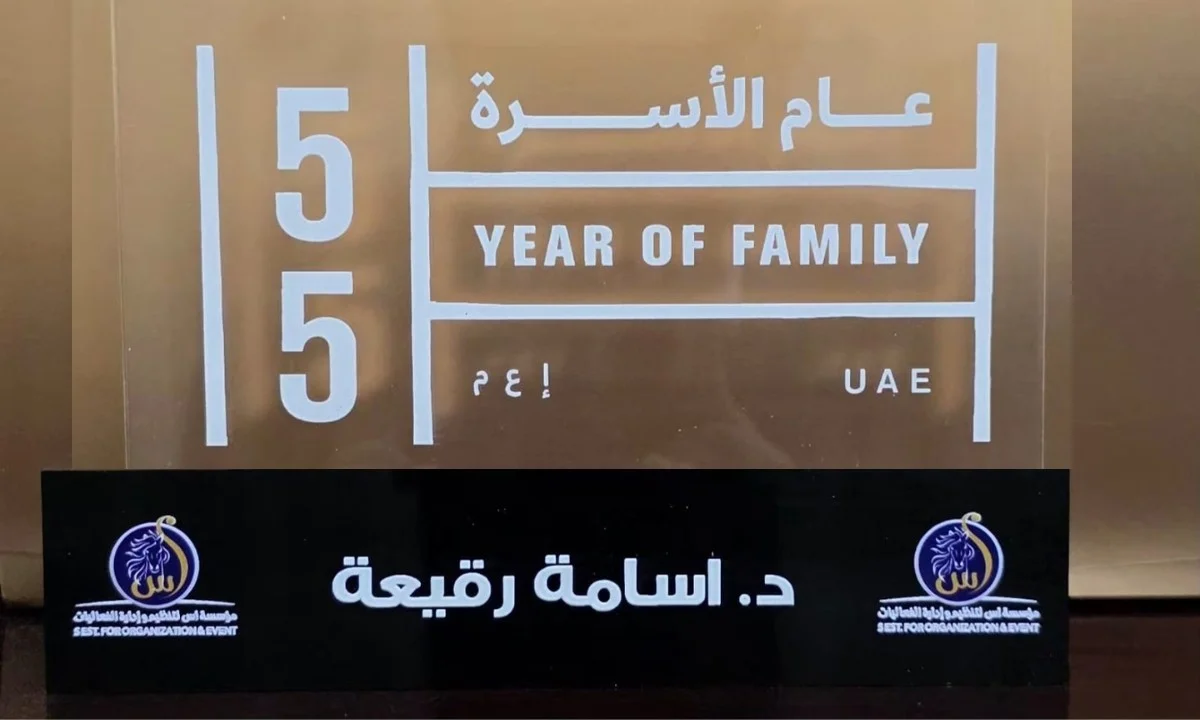
Family Wins “Family of the Year 2026” at Noor Al Quran Event in Ras Al Khaimah
A family honored at the Noor Al Quran initiative in Ras Al Khaimah for Quran memorization and strong

US Approves $16.5B Arms Deal Amid Iran War Escalation
US approves $16.5B arms sale to Gulf allies and $7B to UAE, boosting defence amid Iran tensions whil

UAE Busts Hezbollah-Iran Terror Network, Members Held
UAE authorities have broken a terror network linked to Hezbollah and Iran, arresting members accused

Swiatek Stunned by Linette in Miami Open Upset Shock
Iga Swiatek suffered a shocking defeat to Magda Linette at the Miami Open, marking her first opening

UAE Orphan Fund Raises AED 3.3 Billion in Ramadan Drive
UAE’s Mother of the Nation Orphan Fund raises AED 3.3B in Ramadan, boosting support for education, h

Ramadan in the UAE: Reflections on Humanity, Leadership, and Lasting Values
A heartfelt Ramadan reflection by Osama Regaah on UAE’s spirit of humility, unity, and leadership, a

Dhurandhar 2 Opens Big, Crosses ₹100 Cr on Day 1
Ranveer Singh starrer Dhurandhar 2 earns ₹102 Cr on day one despite delays, beating past Bollywood o


Bank of Baroda Faces Abu Dhabi Legal Battle over NMC Collapse
Bank of Baroda’s involvement in Abu Dhabi litigation tied to the NMC Healthcare collapse raises repu

Top Museum Openings of 2026 Set to Transform Global Tourism
From Los Angeles to Abu Dhabi and Brussels, 2026 brings major museum launches—Lucas Museum, Guggenhe

UAE Tour Highlights UAE’s Strength in Hosting Global Sports Events
Abu Dhabi Sports Council says the successful UAE Tour reflects the UAE’s leading role in hosting maj

EU Seeks Clarity from US After Supreme Court IEEPA Ruling
European Commission urges full transparency from the US on steps after Supreme Court ruling, emphasi

SpaceX Launches 53 New Satellites for Expanding Starlink Network
SpaceX launches 53 Starlink satellites in two Falcon 9 missions, breaking reuse records and expandin

RTA Awards Contract for Phase II of Hessa Street Upgrade in Dubai
Phase II of Hessa Street Development to add bridges, tunnel, and upgraded intersections, doubling ca

UAE Gold Prices Today, Monday 16 February 2026: Dubai & Abu Dhabi Updated Rates
Gold prices in UAE on 16 Feb 2026 updated: 24K around AED 599.75/gm, 22K AED 555.25/gm, and 18K AED

Over 25 Ahmedabad Schools Receive Bomb Threat Email, Authorities Investigate
More than 25 schools in Ahmedabad evacuated after bomb threat emails mentioning Khalistan. Authoriti