Post by : Bianca Qureshi
Photo: WAM
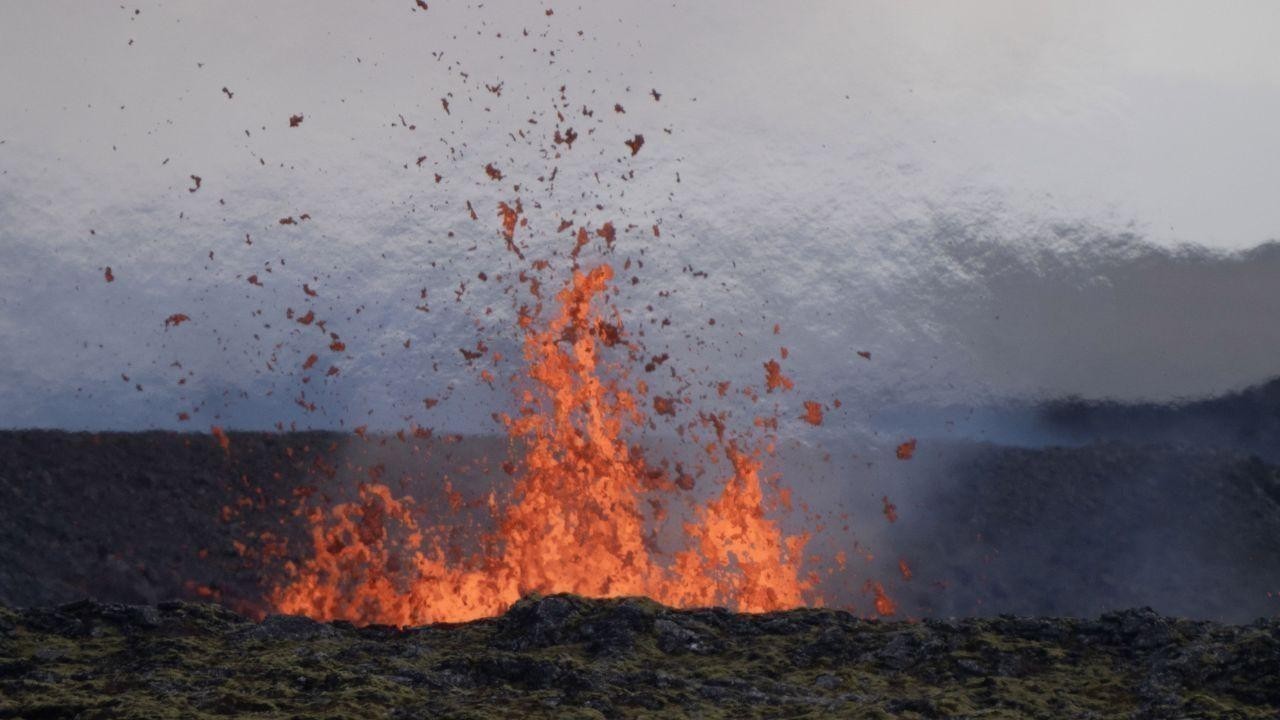
On Wednesday, a volcano erupted in south-west Iceland, as confirmed by the country's meteorological office. This latest eruption is part of an ongoing series of volcanic activities on the Reykjanes Peninsula, located near Iceland’s capital, Reykjavik. Over the past few years, this region has become increasingly active, surprising scientists and locals alike.
Iceland, often called the “Land of Ice and Fire,” is famous for its breathtaking glaciers, geysers, and volcanoes. It lies on top of the Mid-Atlantic Ridge, a crack between two tectonic plates, making it one of the most geologically active places on Earth.
Stay informed with the latest news. Follow DXB News Network on WhatsApp Channel
What Makes This Eruption Special?
This eruption is a fissure eruption, which is different from the dramatic eruptions we often see in movies. Instead of exploding from a cone-shaped volcano, this kind of eruption causes lava to leak out of long cracks in the ground. It looks like glowing rivers of fire slowly flowing over the land.
These types of eruptions are still dangerous, but they don’t usually produce huge ash clouds that can stop air travel or harm distant cities. So far, the current eruption has not sent any ash into the sky and has not disrupted life in Reykjavik or nearby towns.
A Pattern Of Volcanic Activity Since 2021
This is not an isolated event. In fact, it’s the 12th eruption in this area since 2021. Scientists believe that the volcano systems under the Reykjanes Peninsula have "reawakened" after being quiet for nearly 800 years.
Before 2021, the Reykjanes Peninsula hadn’t seen much activity for centuries. But now, the ground has been shaking more often, and small cracks and lava flows are becoming more common. This means the whole volcanic system underneath Iceland is going through major changes.
What Is A Fissure Eruption?
Let’s understand this more clearly.
A fissure eruption happens when lava comes out from long, narrow cracks in the ground instead of a central volcano or crater.
These cracks can stretch for kilometers.
Lava from these cracks spreads slowly, creating wide, flat layers of rock.
While they don’t usually explode violently, the lava can still damage roads, homes, and power lines if it flows into inhabited areas.
The current eruption followed this same pattern. The lava quietly emerged from a new crack in the Reykjanes area and began spreading across the landscape.
Are People In Danger?
Luckily, the eruption is not currently threatening homes or towns. The lava is mostly flowing in open areas where nobody lives. Also, the wind direction and the lack of ash mean that air travel has not been affected, which is a big relief for the country and travelers alike.
However, authorities are keeping a close eye on the situation. Emergency services are ready in case the lava flow changes direction or the eruption grows stronger. Some hiking trails have been closed, and people are being warned to stay away from the eruption site.
Why Does Iceland Have So Many Volcanoes?
Iceland sits right on the boundary of two massive tectonic plates—the North American and Eurasian plates. These plates are slowly moving apart, and as they do, magma from deep inside the Earth rises to fill the gap. This causes earthquakes and volcanic eruptions.
The Reykjanes Peninsula is one of the spots where this plate movement is most visible. That’s why it’s become so active in recent years.
How Do Scientists Track Volcanic Activity?
Iceland has a very advanced system to monitor volcanoes. The Icelandic Meteorological Office (IMO) uses a mix of tools:
Seismographs to detect small earthquakes that often happen before an eruption.
GPS stations to measure how much the ground is moving or swelling.
Drones and satellites to track lava flows and changes in the landscape.
Cameras and sensors placed near active areas to give live updates.
Thanks to this technology, scientists can often give early warnings to residents and help prevent damage or loss of life.
Impact On Travel And Environment
While past Icelandic eruptions like the famous Eyjafjallajökull eruption in 2010 caused major disruptions to air travel across Europe due to huge ash clouds, the recent Reykjanes eruptions have been relatively calm in comparison.
Because the lava is flowing slowly and there’s little to no ash, airports are operating normally. Tourists are still visiting Iceland, though some tour routes near the eruption zone are restricted for safety reasons.
Environmentally, these eruptions do change the landscape. New hills and lava fields are being formed. Vegetation is destroyed in the path of the lava, but over time, new life grows back—sometimes richer than before because volcanic soil is very fertile.
What Happens Next?
Nobody can say for sure how long this eruption will last. Some past eruptions in this region have lasted only a few days, while others went on for weeks. Scientists are watching closely to see if more cracks open or if the current fissure widens.
They’re also studying the patterns to predict future eruptions. The Reykjanes system seems to be entering a new era of activity, and we may see more eruptions in the coming years.
Icelanders Stay Calm And Prepared
What’s amazing is how calm and prepared Icelanders are during these events. Because they live in such an active volcanic zone, they are taught from an early age how to react to eruptions and earthquakes. Emergency drills, alert systems, and solid building designs all help protect the population.
Many people even visit the eruption site from a safe distance to take photos and experience the natural wonder. For them, volcanoes are just a part of life in Iceland.
Nature’s Power On Display
This latest eruption on Iceland’s Reykjanes Peninsula reminds us of how alive our planet is. Even though it hasn’t caused major damage, it shows the powerful forces beneath the Earth’s surface.
With careful monitoring, strong infrastructure, and a deep respect for nature, Iceland continues to face these eruptions bravely—welcoming the fire as a part of its incredible natural identity.
Family Wins “Family of the Year 2026” at Noor Al Quran Event in Ras Al Khaimah
A family honored at the Noor Al Quran initiative in Ras Al Khaimah for Quran memorization and strong

US Approves $16.5B Arms Deal Amid Iran War Escalation
US approves $16.5B arms sale to Gulf allies and $7B to UAE, boosting defence amid Iran tensions whil
UAE Busts Hezbollah-Iran Terror Network, Members Held
UAE authorities have broken a terror network linked to Hezbollah and Iran, arresting members accused

Swiatek Stunned by Linette in Miami Open Upset Shock
Iga Swiatek suffered a shocking defeat to Magda Linette at the Miami Open, marking her first opening

UAE Orphan Fund Raises AED 3.3 Billion in Ramadan Drive
UAE’s Mother of the Nation Orphan Fund raises AED 3.3B in Ramadan, boosting support for education, h
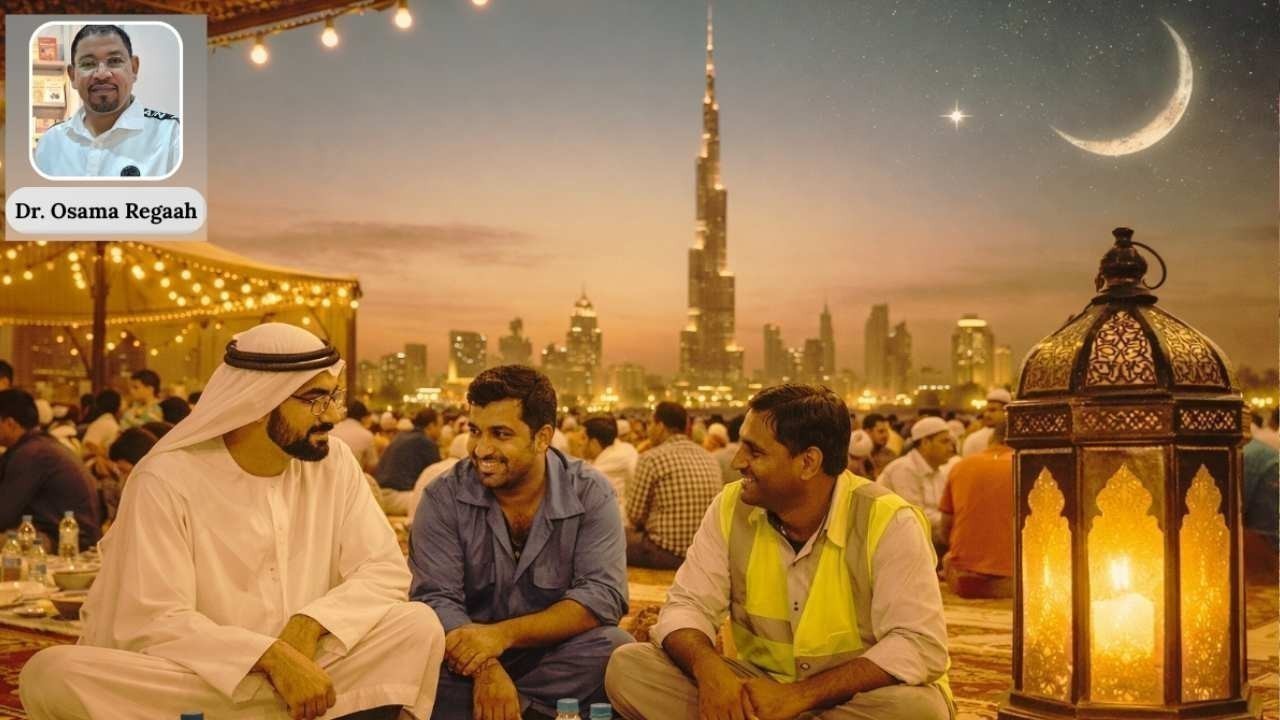
Ramadan in the UAE: Reflections on Humanity, Leadership, and Lasting Values
A heartfelt Ramadan reflection by Osama Regaah on UAE’s spirit of humility, unity, and leadership, a

Dhurandhar 2 Opens Big, Crosses ₹100 Cr on Day 1
Ranveer Singh starrer Dhurandhar 2 earns ₹102 Cr on day one despite delays, beating past Bollywood o

Bank of Baroda Faces Abu Dhabi Legal Battle over NMC Collapse
Bank of Baroda’s involvement in Abu Dhabi litigation tied to the NMC Healthcare collapse raises repu
Top Museum Openings of 2026 Set to Transform Global Tourism
From Los Angeles to Abu Dhabi and Brussels, 2026 brings major museum launches—Lucas Museum, Guggenhe

UAE Tour Highlights UAE’s Strength in Hosting Global Sports Events
Abu Dhabi Sports Council says the successful UAE Tour reflects the UAE’s leading role in hosting maj
EU Seeks Clarity from US After Supreme Court IEEPA Ruling
European Commission urges full transparency from the US on steps after Supreme Court ruling, emphasi
SpaceX Launches 53 New Satellites for Expanding Starlink Network
SpaceX launches 53 Starlink satellites in two Falcon 9 missions, breaking reuse records and expandin
RTA Awards Contract for Phase II of Hessa Street Upgrade in Dubai
Phase II of Hessa Street Development to add bridges, tunnel, and upgraded intersections, doubling ca

UAE Gold Prices Today, Monday 16 February 2026: Dubai & Abu Dhabi Updated Rates
Gold prices in UAE on 16 Feb 2026 updated: 24K around AED 599.75/gm, 22K AED 555.25/gm, and 18K AED
Over 25 Ahmedabad Schools Receive Bomb Threat Email, Authorities Investigate
More than 25 schools in Ahmedabad evacuated after bomb threat emails mentioning Khalistan. Authoriti