Post by : Sam Jeet Rahman
In today’s fast-paced world, stress has become an unavoidable part of life. Whether it stems from work pressures, personal challenges, or global uncertainties, chronic stress can significantly affect both mental and physical health. However, maintaining wellness during stressful periods is possible with strategic habits, mindfulness, and self-care routines.
This article explores practical, actionable strategies to help you stay balanced, energized, and resilient, even in the most challenging times.
Your mental well-being forms the foundation for overall wellness. Stress can lead to anxiety, depression, and burnout if left unmanaged.
Strategies to Support Mental Health:
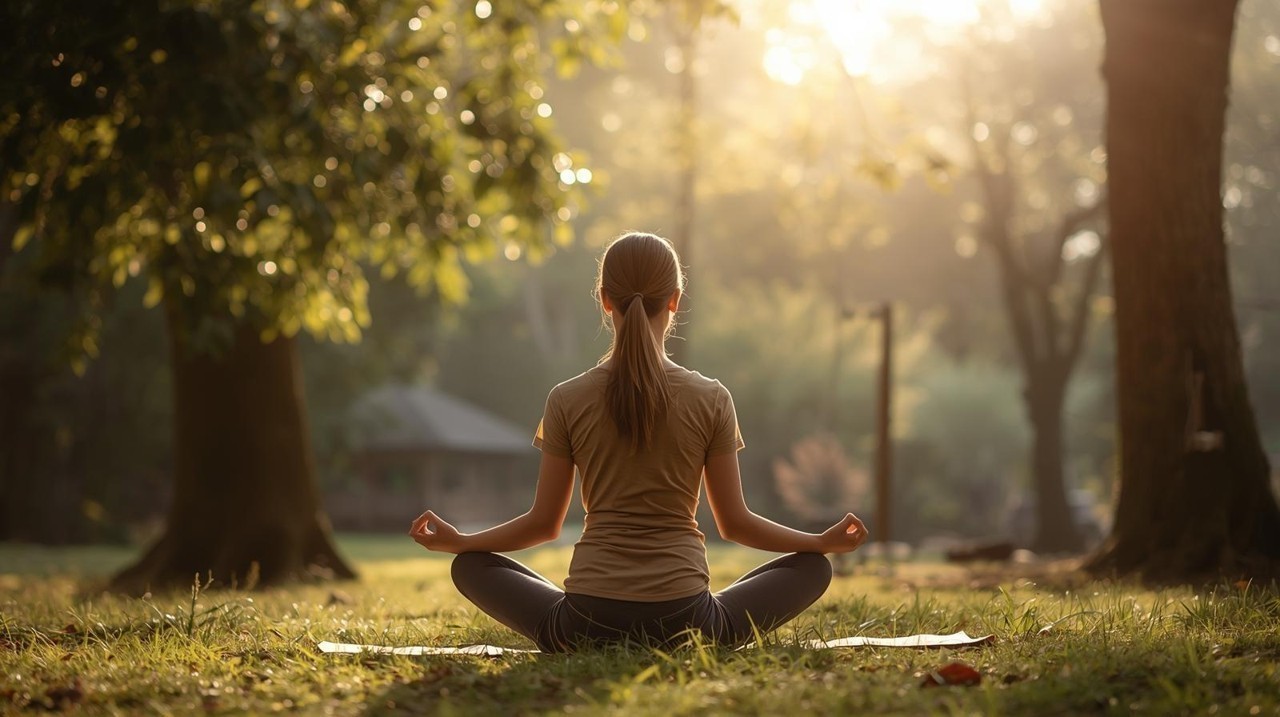
Practice mindfulness: Spend 10–15 minutes daily meditating, breathing deeply, or focusing on the present moment.
Journaling: Write down thoughts, emotions, and reflections to release mental clutter.
Positive self-talk: Replace negative thoughts with constructive, empowering statements.
Seek professional support: Don’t hesitate to consult therapists or counselors if stress becomes overwhelming.
Focusing on mental health improves clarity, decision-making, and emotional resilience.
Nutrition directly impacts both brain function and physical energy levels. Eating well during stressful times can help your body cope more effectively.
Dietary Tips:
Include fruits, vegetables, whole grains, and lean proteins in your meals.
Reduce processed foods, refined sugars, and excess caffeine, which can worsen stress.
Stay hydrated by drinking plenty of water throughout the day.
Include omega-3 rich foods like salmon, flaxseed, and walnuts to support brain health.
A balanced diet supports stable energy, improved mood, and better immune function.
Exercise is one of the most effective ways to manage stress and maintain overall health. It reduces stress hormones, increases endorphins, and improves sleep quality.
Practical Ways to Stay Active:
Take daily walks or light jogging.
Practice yoga or stretching exercises to reduce tension.
Incorporate home workouts or resistance training sessions.
Use short activity breaks during work hours to stay energized.
Regular movement enhances cardiovascular health, muscle strength, and emotional well-being.
Mindfulness and relaxation strategies help calm the nervous system and prevent stress from escalating.
Effective Techniques:
Deep breathing exercises: Inhale deeply for four counts, hold for four, exhale for six. Repeat 5–10 times.
Progressive muscle relaxation: Tense and release different muscle groups to reduce physical tension.
Guided meditation or visualization: Listen to audio sessions or visualize calm, safe spaces.
These practices improve focus, emotional stability, and mental clarity.
Sleep is essential for restoring the mind and body, especially during stressful periods. Poor sleep can exacerbate anxiety, weaken immunity, and reduce productivity.
Tips for Better Sleep:
Maintain a consistent sleep schedule, even on weekends.
Limit screen exposure 30–60 minutes before bed.
Create a dark, quiet, and cool sleeping environment.
Consider relaxation routines like reading or meditation before sleep.
Consistent, restorative sleep supports cognitive function, emotional balance, and overall wellness.
Social support is crucial for both mental and emotional resilience. Sharing feelings, seeking advice, or simply connecting with loved ones can reduce stress and foster a sense of belonging.
Ways to Stay Connected:
Schedule regular calls or meetups with family and friends.
Join online or local community groups.
Engage in group activities or shared hobbies.
Strong social connections promote emotional stability, perspective, and comfort during difficult times.
Managing exposure to stress-inducing factors can help maintain wellness.
Practical Approaches:
Limit consumption of distressing news or social media content.
Reduce toxic or draining relationships.
Focus on positive and productive environments.
Setting boundaries protects your mental clarity and emotional resilience.
Leisure activities provide a mental break and improve overall well-being.
Self-Care Hobbies Include:
Reading, painting, or writing.
Listening to music or playing instruments.
Gardening, cooking, or crafts.
Regular engagement in enjoyable activities reduces stress and promotes mental relaxation.
Gratitude has been scientifically proven to improve mood, reduce stress, and enhance overall life satisfaction.
Ways to Practice Gratitude:
Write down three things you’re grateful for each day.
Express appreciation to those around you.
Reflect on positive moments before sleep.
Gratitude encourages positivity, resilience, and emotional well-being.
Stress often arises from overcommitment to work at the expense of personal life. Balancing responsibilities improves wellness and productivity.
Strategies to Balance Work and Life:
Set clear boundaries between work and personal time.
Schedule breaks and downtime for relaxation.
Prioritize tasks and delegate when possible.
A balanced approach reduces burnout and mental fatigue.
Short, mindful breaks throughout the day reduce stress and improve focus.
Techniques to Try:
Take a 2–3 minute pause every hour to breathe deeply.
Focus on your senses and surroundings during breaks.
Stretch or walk briefly to release tension.
These pauses restore energy, concentration, and emotional control.
Relying on alcohol, caffeine, or unhealthy coping mechanisms can worsen stress and harm physical health.
Healthy Alternatives:
Replace alcohol with herbal teas or flavored water.
Limit caffeine intake to moderate levels.
Seek emotional support rather than unhealthy habits.
Avoiding substance overuse improves overall health, mental clarity, and resilience.
Chaos and disorganization contribute to stress. Planning and maintaining structure helps reduce anxiety and improve efficiency.
Organizational Tips:
Keep a daily schedule or to-do list.
Prioritize tasks and set realistic goals.
Declutter physical and digital spaces for a calmer environment.
An organized routine supports mental clarity, productivity, and reduced stress.
Stressful times can lead to self-criticism and negative thoughts. Practicing self-compassion improves emotional resilience.
Self-Compassion Practices:
Acknowledge your feelings without judgment.
Speak to yourself as you would a supportive friend.
Celebrate progress, even if small.
Self-compassion fosters emotional stability and confidence, helping navigate challenges effectively.
Finally, the key to maintaining wellness is consistency. Small, daily practices accumulate into long-term health benefits.
Examples of Small Habits:
Drinking water first thing in the morning.
Taking a 10-minute walk during lunch.
Practicing gratitude before bed.
Spending 5 minutes on deep breathing during work breaks.
Consistency in these small actions strengthens mental, emotional, and physical resilience over time.
Stressful times are inevitable, but they don’t have to compromise your mental and physical wellness. By incorporating practical strategies such as mindfulness, healthy nutrition, regular movement, quality sleep, social connection, and self-compassion, you can maintain balance and resilience.
Small, consistent habits build a strong foundation for long-term well-being, ensuring that even during high-stress periods, your mind and body remain healthy, focused, and energized. Start with a few changes today, and gradually integrate these practices into your life for a healthier, more resilient you.

Family Wins “Family of the Year 2026” at Noor Al Quran Event in Ras Al Khaimah
A family honored at the Noor Al Quran initiative in Ras Al Khaimah for Quran memorization and strong

US Approves $16.5B Arms Deal Amid Iran War Escalation
US approves $16.5B arms sale to Gulf allies and $7B to UAE, boosting defence amid Iran tensions whil

UAE Busts Hezbollah-Iran Terror Network, Members Held
UAE authorities have broken a terror network linked to Hezbollah and Iran, arresting members accused

Swiatek Stunned by Linette in Miami Open Upset Shock
Iga Swiatek suffered a shocking defeat to Magda Linette at the Miami Open, marking her first opening
UAE Orphan Fund Raises AED 3.3 Billion in Ramadan Drive
UAE’s Mother of the Nation Orphan Fund raises AED 3.3B in Ramadan, boosting support for education, h

Ramadan in the UAE: Reflections on Humanity, Leadership, and Lasting Values
A heartfelt Ramadan reflection by Osama Regaah on UAE’s spirit of humility, unity, and leadership, a

Dhurandhar 2 Opens Big, Crosses ₹100 Cr on Day 1
Ranveer Singh starrer Dhurandhar 2 earns ₹102 Cr on day one despite delays, beating past Bollywood o


Bank of Baroda Faces Abu Dhabi Legal Battle over NMC Collapse
Bank of Baroda’s involvement in Abu Dhabi litigation tied to the NMC Healthcare collapse raises repu

Top Museum Openings of 2026 Set to Transform Global Tourism
From Los Angeles to Abu Dhabi and Brussels, 2026 brings major museum launches—Lucas Museum, Guggenhe

UAE Tour Highlights UAE’s Strength in Hosting Global Sports Events
Abu Dhabi Sports Council says the successful UAE Tour reflects the UAE’s leading role in hosting maj

EU Seeks Clarity from US After Supreme Court IEEPA Ruling
European Commission urges full transparency from the US on steps after Supreme Court ruling, emphasi

SpaceX Launches 53 New Satellites for Expanding Starlink Network
SpaceX launches 53 Starlink satellites in two Falcon 9 missions, breaking reuse records and expandin

RTA Awards Contract for Phase II of Hessa Street Upgrade in Dubai
Phase II of Hessa Street Development to add bridges, tunnel, and upgraded intersections, doubling ca

UAE Gold Prices Today, Monday 16 February 2026: Dubai & Abu Dhabi Updated Rates
Gold prices in UAE on 16 Feb 2026 updated: 24K around AED 599.75/gm, 22K AED 555.25/gm, and 18K AED

Over 25 Ahmedabad Schools Receive Bomb Threat Email, Authorities Investigate
More than 25 schools in Ahmedabad evacuated after bomb threat emails mentioning Khalistan. Authoriti