Post by : Sam Jeet Rahman
Managing money is not about earning more—it’s about allocating income correctly. Many people earn well yet struggle financially because their income distribution lacks structure. Others earn modestly but feel stable because they follow a clear allocation system between saving, spending, and investing.
In today’s economy, where inflation, job uncertainty, and lifestyle pressure coexist, knowing how to divide your income intelligently is one of the most important life skills. This guide explains a realistic, flexible, and practical framework to allocate income without stress, guilt, or constant budgeting fatigue.
The biggest myth in personal finance is that higher income automatically brings financial security. In reality:
High earners often overspend
Savings get delayed indefinitely
Investments start too late
Lifestyle inflation consumes future stability
Correct allocation ensures that every rupee or dollar has a role, preventing money from disappearing without progress.
Every income, regardless of size, should be divided into three functional buckets:
Spending: Day-to-day living and lifestyle
Saving: Safety, emergencies, and short-term goals
Investing: Long-term wealth and inflation protection
The mistake most people make is prioritizing spending first and allocating whatever is left to saving and investing—often nothing remains.
Spending is unavoidable and necessary. The goal is not to restrict spending, but to control and define it clearly.
Rent or home EMIs
Utilities and groceries
Transport and fuel
Insurance premiums
Education expenses
Subscriptions and daily lifestyle costs
Spending should cover comfort, dignity, and functionality, not impulsive upgrades.
Uncontrolled spending:
Reduces saving capacity
Delays investing
Increases financial anxiety
Creates paycheck dependency
A controlled spending structure provides predictability and peace of mind.
Saving is not about wealth—it’s about security and flexibility.
Emergency fund
Short-term goals
Medical or unexpected expenses
Temporary income gaps
Savings protect you from using debt when life surprises you.
Without savings:
Emergencies become financial disasters
Credit cards become survival tools
Investments get liquidated prematurely
Savings buy time, not returns.
Investing is where future freedom is built.
Inflation silently erodes cash
Savings alone lose real value
Long-term goals grow costlier every year
Investing allows your money to work harder than you do over time.
Retirement
Wealth creation
Children’s education
Financial independence
Long-term security
Investing requires patience, discipline, and emotional control.
Saving only when money is left
Treating investments as optional
Overspending to match peers
Mixing emergency funds with investments
Ignoring inflation impact
These mistakes don’t show damage immediately—but they compound silently.
There is no one-size-fits-all rule, but effective allocation follows clear principles.
A practical starting point for most individuals:
50–55% Spending
20–25% Saving
20–25% Investing
This model balances stability, safety, and growth.
Higher spending percentage is normal
Focus on building savings habit
Start investing small but consistently
Even small investments build discipline.
Gradually reduce lifestyle expansion
Increase investing contribution
Strengthen emergency fund
This stage defines long-term success.
Spending should not scale equally with income
Investing should increase aggressively
Savings should be fully funded
High income without high investment is wasted potential.
Many people rush into investing without a savings buffer.
Market volatility requires patience
Emergencies force premature withdrawals
Emotional stress increases poor decisions
A fully funded emergency fund protects investments from interruption.
A strong emergency fund covers:
3–6 months of essential expenses
More if income is unstable or self-employed
This fund should be liquid, accessible, and low-risk.
Spending control does not mean deprivation.
Fix monthly discretionary limits
Avoid emotional spending triggers
Reduce subscription overload
Delay impulse purchases
Spending intentionally increases satisfaction without increasing cost.
Discipline should not rely on motivation.
Removes emotional decision-making
Ensures consistency
Prevents overspending
Builds habits silently
Automate transfers to savings and investments on salary day.
Not all investments serve the same purpose.
Focus on safety and liquidity
Avoid high volatility
Balanced growth and stability
Moderate risk tolerance
Growth-focused allocation
Ability to absorb volatility
Time reduces risk when discipline is maintained.
Inflation reduces purchasing power every year.
Increase investment share gradually
Avoid parking excess cash idle
Review allocation annually
Your allocation should evolve as life evolves.
Money decisions are emotional.
Fear of market losses
Guilt around spending
Anxiety during uncertainty
Comparison with others
A clear allocation framework reduces emotional overload.
Life changes require financial adjustments.
Salary increase
Marriage or family changes
New financial goals
Market shifts
Annual reviews keep your system aligned with reality.
Correct income allocation:
Builds confidence
Reduces financial stress
Protects against uncertainty
Accelerates goal achievement
Creates optionality in life decisions
Freedom comes from structure, not luck.
Always pay yourself first.
Savings and investments should happen before lifestyle spending—not after.
Allocating income between saving, spending, and investing is not about strict rules—it’s about intentional design. When your money has a clear structure, you stop reacting to financial stress and start controlling outcomes.
Small adjustments made consistently matter more than perfect strategies.
This article is intended for informational and educational purposes only and does not constitute financial, investment, or legal advice. Income allocation strategies may vary based on individual circumstances, goals, risk tolerance, and market conditions. Readers are advised to consult a qualified financial advisor before making significant financial decisions or changes to their financial plan.
Family Wins “Family of the Year 2026” at Noor Al Quran Event in Ras Al Khaimah
A family honored at the Noor Al Quran initiative in Ras Al Khaimah for Quran memorization and strong

US Approves $16.5B Arms Deal Amid Iran War Escalation
US approves $16.5B arms sale to Gulf allies and $7B to UAE, boosting defence amid Iran tensions whil

UAE Busts Hezbollah-Iran Terror Network, Members Held
UAE authorities have broken a terror network linked to Hezbollah and Iran, arresting members accused
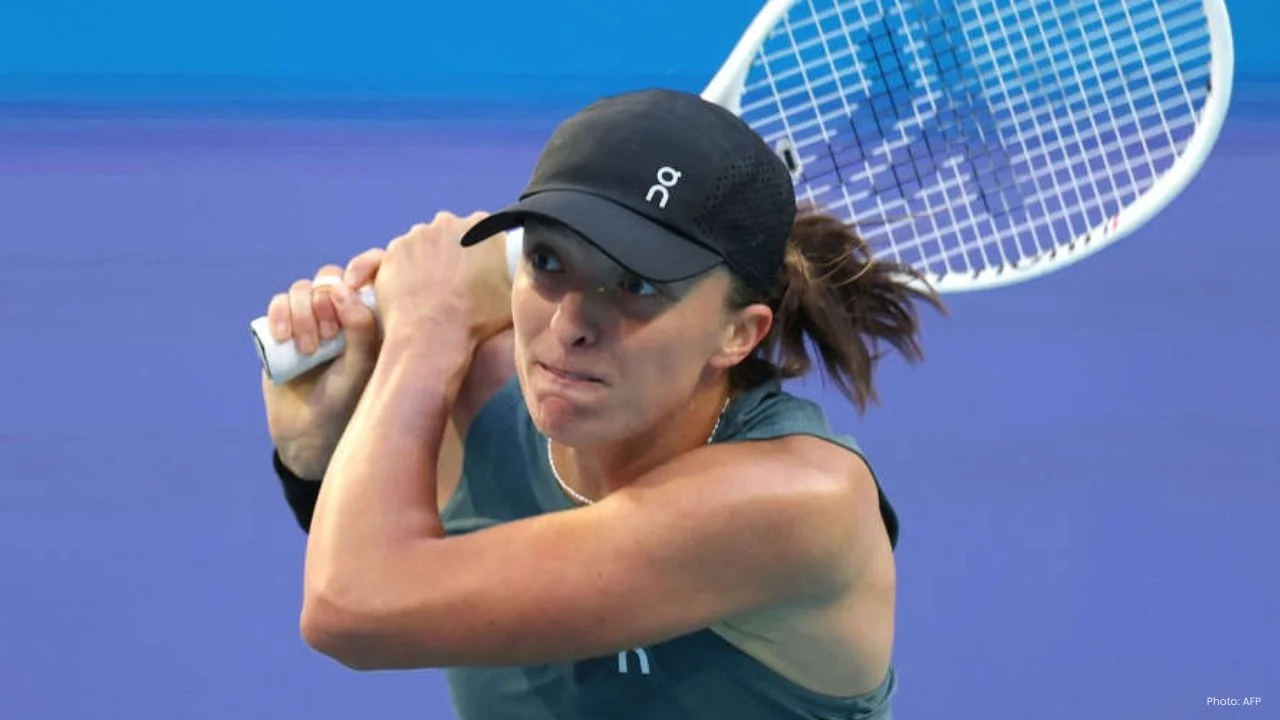
Swiatek Stunned by Linette in Miami Open Upset Shock
Iga Swiatek suffered a shocking defeat to Magda Linette at the Miami Open, marking her first opening

UAE Orphan Fund Raises AED 3.3 Billion in Ramadan Drive
UAE’s Mother of the Nation Orphan Fund raises AED 3.3B in Ramadan, boosting support for education, h
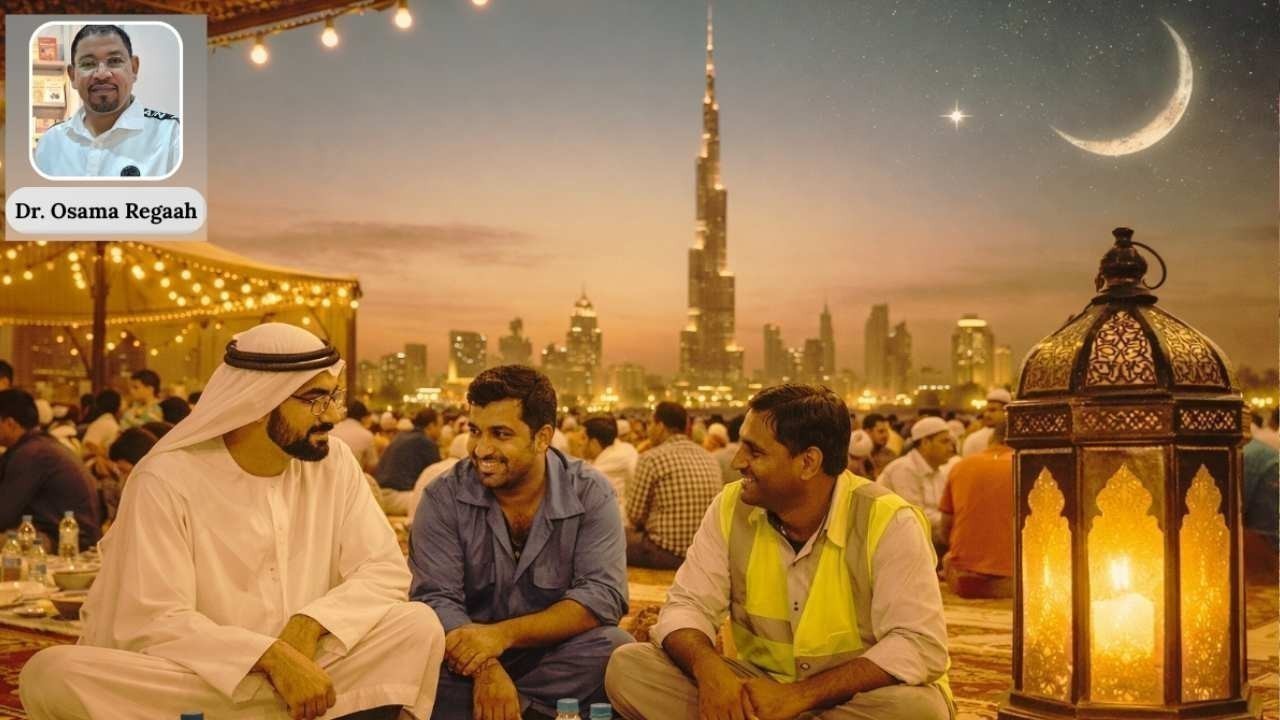
Ramadan in the UAE: Reflections on Humanity, Leadership, and Lasting Values
A heartfelt Ramadan reflection by Osama Regaah on UAE’s spirit of humility, unity, and leadership, a

Dhurandhar 2 Opens Big, Crosses ₹100 Cr on Day 1
Ranveer Singh starrer Dhurandhar 2 earns ₹102 Cr on day one despite delays, beating past Bollywood o


Bank of Baroda Faces Abu Dhabi Legal Battle over NMC Collapse
Bank of Baroda’s involvement in Abu Dhabi litigation tied to the NMC Healthcare collapse raises repu

Top Museum Openings of 2026 Set to Transform Global Tourism
From Los Angeles to Abu Dhabi and Brussels, 2026 brings major museum launches—Lucas Museum, Guggenhe

UAE Tour Highlights UAE’s Strength in Hosting Global Sports Events
Abu Dhabi Sports Council says the successful UAE Tour reflects the UAE’s leading role in hosting maj
EU Seeks Clarity from US After Supreme Court IEEPA Ruling
European Commission urges full transparency from the US on steps after Supreme Court ruling, emphasi

SpaceX Launches 53 New Satellites for Expanding Starlink Network
SpaceX launches 53 Starlink satellites in two Falcon 9 missions, breaking reuse records and expandin

RTA Awards Contract for Phase II of Hessa Street Upgrade in Dubai
Phase II of Hessa Street Development to add bridges, tunnel, and upgraded intersections, doubling ca

UAE Gold Prices Today, Monday 16 February 2026: Dubai & Abu Dhabi Updated Rates
Gold prices in UAE on 16 Feb 2026 updated: 24K around AED 599.75/gm, 22K AED 555.25/gm, and 18K AED

Over 25 Ahmedabad Schools Receive Bomb Threat Email, Authorities Investigate
More than 25 schools in Ahmedabad evacuated after bomb threat emails mentioning Khalistan. Authoriti