Post by : Zayd Kamal
As the world seeks sustainable alternatives to traditional energy sources, solar power is emerging as a key player in the future of electronics. With growing concerns over the environmental impact of fossil fuels and the need for more efficient energy solutions, How Solar Power Could Change Electronics in the Future is a question that many innovators are keen to answer. This change is already taking place, with solar-powered devices entering the market and offering consumers a glimpse of what a solar-powered electronic future could look like. In this article, we’ll explore how solar power can revolutionize electronic devices, the benefits it offers, and the challenges that lie ahead.
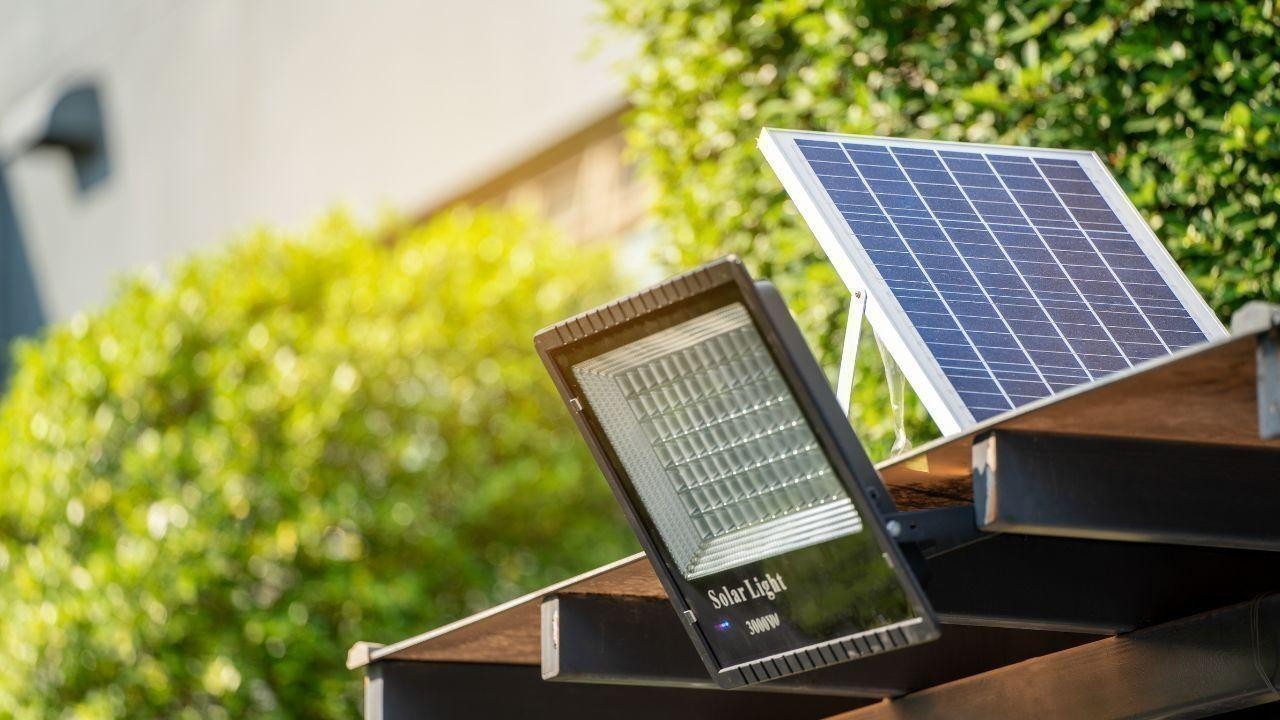
Solar power works by converting sunlight into electricity using photovoltaic cells, which capture and transform sunlight into usable energy. These solar cells have become more efficient over time, reducing their cost and size while increasing their capacity to generate electricity. As a result, solar power is becoming a viable option not only for large-scale applications, such as powering homes, but also for small, portable electronics. From solar-powered calculators to solar phone chargers, we are already seeing the integration of solar energy into consumer gadgets. This trend is expected to continue, and as technology advances, it is highly likely that solar power will become a mainstream energy source for a wide range of electronic devices.
One of the main advantages of solar-powered electronics is their environmental benefit. Traditional electronics require energy from the power grid, which often relies on non-renewable resources like coal or natural gas. In contrast, solar-powered devices harness clean, renewable energy directly from the sun, reducing the reliance on harmful energy sources. This shift toward solar energy can drastically lower the carbon footprint of electronic products, helping to mitigate the effects of climate change. Additionally, solar-powered devices reduce the need for disposable batteries, which can have a negative environmental impact. As more and more consumers demand sustainable solutions, manufacturers are increasingly turning to solar power as a way to meet these needs.
Another key advantage of solar-powered electronics is the convenience they offer, particularly in terms of portability. Devices powered by solar energy can operate independently of traditional power sources, allowing users to stay connected even in remote areas where electricity may be unavailable. For example, solar-powered phone chargers and portable batteries are ideal for outdoor activities like camping, hiking, and traveling. These devices ensure that users can keep their smartphones, tablets, and other gadgets charged, no matter where they are. As the technology improves, it is expected that more consumer electronics, such as laptops and wearables, will incorporate solar panels to extend battery life and increase portability. With the ability to power devices using only sunlight, solar-powered gadgets offer a level of self-sufficiency that traditional electronics cannot match.
While the initial cost of solar-powered electronics may be higher due to the technology involved, there are long-term savings to be gained. Once a solar-powered device is purchased, the cost of operating it is virtually zero. Unlike battery-powered devices, which require frequent replacements, solar-powered electronics rely on sunlight for their energy needs. This can save users money in the long run, as they will not need to purchase replacement batteries or constantly recharge their devices using electricity. In addition, the widespread adoption of solar technology could drive down production costs, making solar-powered devices more affordable for consumers. As solar technology becomes more common in the electronics industry, it is expected that prices will become more competitive with traditional devices, further encouraging their use.
The future of solar-powered electronics looks especially promising for smartphones, laptops, and wearable technology. For smartphones, integrating solar cells into the device itself could reduce the need for frequent charging. Imagine a smartphone that can charge itself simply by being exposed to sunlight. While solar-powered phones are still in the prototype stage, the potential for such devices to become mainstream is high. Advances in solar technology could allow for smaller, more efficient solar cells to be embedded in smartphones, making them capable of recharging during everyday use. Similarly, laptops and other portable devices could benefit from built-in solar panels, allowing users to power their devices without needing to plug them into an outlet. For those who rely on their devices for work, study, or leisure, solar-powered laptops would offer the freedom to use them anywhere, without worrying about finding an available power source.
Wearable technology is also an area where solar power could make a significant impact. Devices like smartwatches and fitness trackers are often charged using small, disposable batteries or through wireless charging pads. However, these devices could be significantly improved by incorporating solar panels into their design. A solar-powered smartwatch, for example, could stay charged indefinitely with exposure to sunlight, eliminating the need for users to regularly plug it in or replace batteries. As more wearable technology companies explore the potential of solar energy, we are likely to see more solar-powered devices in the market, offering users a more convenient and environmentally friendly solution for their tech needs.
While the potential for solar-powered electronics is undeniable, there are still several challenges that need to be addressed before solar power can fully integrate into the electronics industry. One of the primary hurdles is the efficiency of solar cells. Although solar technology has advanced significantly in recent years, small-scale solar panels still struggle to generate enough power to meet the needs of larger electronic devices, especially when considering factors like battery life and charging speed. Researchers are working on improving the efficiency of solar cells, making them smaller and more powerful, but it will take time before solar power becomes a practical and widespread solution for all electronics.
Another challenge is the cost of production. Although solar technology has become more affordable over time, the initial investment required for solar-powered electronics is still higher than for conventional devices. This is especially true for devices that integrate solar panels directly into their design. However, as demand for solar-powered products grows and manufacturing processes become more streamlined, the cost of production is expected to decrease, making solar-powered electronics more accessible to a broader audience.
How Solar Power Could Change Electronics in the Future is an exciting question that is already being answered by innovation and technological advancements. Solar power offers numerous benefits, from reducing environmental impact to providing greater convenience and cost savings for consumers. As solar technology continues to improve and become more integrated into the design of everyday electronics, we can expect to see a future where solar-powered gadgets are commonplace. Whether it’s a solar-powered smartphone, laptop, or wearable, the possibilities for solar-powered electronics are endless. As we move toward a more sustainable future, solar power will undoubtedly play a key role in transforming the way we use and interact with technology.
In this article, we explore How Solar Power Could Change Electronics in the Future and its potential to revolutionize the way we use electronic devices. Solar power, a renewable energy source, has already begun to influence the electronics industry with products like solar-powered chargers and gadgets. The integration of solar power into smartphones, laptops, and wearables offers numerous benefits, including eco-friendliness, portability, and cost savings. Solar-powered electronics help reduce reliance on fossil fuels, lower carbon footprints, and provide greater energy independence. However, challenges such as solar cell efficiency and production costs remain. Despite these hurdles, the future of solar-powered electronics looks promising, offering more sustainable and convenient solutions for consumers.
The information provided in this article is intended for general informational purposes and is based on current technological trends and industry insights. DXB News Network does not guarantee the accuracy, completeness, or reliability of the content. The potential applications of solar power in electronics are subject to ongoing research and development, and the actual outcomes may vary. Readers are encouraged to consult expert opinions and sources before making any decisions based on the information presented here.

Togo Champions New World Map at UN
Togo advocates for a world map that accurately portrays Africa's true dimensions, challenging the di

Nigeria Launches Investigation Following Fatal Airstrike
Nigerian authorities initiate a probe into an airstrike in Jilli, defending their actions while addr

Sharjah Judicial Council Hosts Partners Forum Ceremony 2026
Sharjah Judicial Council forum held with Deputy Ruler attending. Event highlighted digital justice p

Trump's AI Jesus Image Draws Intense Criticism Amid Pope Dispute
Donald Trump's AI-generated image depicting him as Jesus stirs outrage, escalating tensions with Pop

Trump Optimistic on Ending Iran Conflict Amid New Diplomatic Efforts
Donald Trump expresses optimism that the Iran conflict is nearing resolution as U.S. talks advance w

Devastating Super Typhoon Sinlaku Strikes U.S. Pacific Islands
Super Typhoon Sinlaku wreaked havoc on U.S. Pacific islands, unleashing winds of 240 km/h and forcin

Dubai Social Professionals Take Oath, Strengthen Sector
Dubai licenses 49 social professionals, boosting service quality and community welfare


7 Daily Habits to Burn Belly Fat Naturally
Discover 7 simple daily habits to burn belly fat naturally without extreme dieting. Easy, effective

Power of Compounding: How $5,000 Can Grow Into $120,000
Discover how compounding turns $5,000 into $120,000 over time. Learn long-term investing strategies

When to Test Blood Sugar: Morning vs After Breakfast Explained
Should you check blood sugar fasting or after meals? Learn the best time to test glucose levels and

WhatsApp Down Today? Users Report Strange Issue Worldwide
WhatsApp users report message delays and strange issues worldwide. Find out what happened, why it oc
Is Your Phone Spying on You? 6 Android Settings to Turn Off Now
Worried your phone is spying on you? Learn 6 Android settings to turn off now to protect your privac

7 Protein-Rich Indian Foods You Should Add to Your Daily Diet
Discover 7 protein-rich Indian foods to boost your daily protein intake naturally without supplement

Is It Safe to Keep Laptop Plugged In All the Time? Battery Truth Explained
Is it safe to keep your laptop plugged in all day? Learn the truth about battery health, charging ha

Actual Cost of Living in Dubai for a Family : Rent, School Fees & Monthly Expenses
Discover the real cost of living in Dubai for a small family in 2026, including rent, school fees, g