Post by : Sam Jeet Rahman
Traditional Japanese cuisine is not defined by heavy spices or complex cooking techniques but by its close relationship with nature. Every dish reflects respect for seasonality, geography, and ingredient purity. Local ingredients play a central role in shaping flavours, textures, and presentation. Rather than masking natural taste, Japanese cooking enhances what the ingredient already offers. This philosophy has allowed regional food cultures to flourish across the country, making Japanese cuisine both diverse and deeply rooted in place.
Japanese cuisine, often referred to as washoku, is recognised worldwide for its balance, simplicity, and harmony with nature. What truly makes it unique is its dependence on local ingredients that change with seasons and regions. From rice grown in specific valleys to seafood harvested from nearby waters, every ingredient carries the identity of its origin. Traditional Japanese cooking values freshness, minimal processing, and natural flavours, allowing local produce to define the dish. This article explores how local ingredients shape traditional Japanese cuisine and why they are essential to its authenticity and global appeal.
Rice is the backbone of Japanese food culture and holds both nutritional and cultural importance. It is not treated as a side dish but as the heart of the meal.
Why local rice matters
Different regions of Japan grow rice varieties suited to their climate and soil. These variations affect texture, sweetness, and aroma.
Key characteristics of Japanese rice
• Short-grain with sticky texture
• Mild natural sweetness
• Soft yet structured consistency
Role of rice in traditional meals
• Served plain to highlight quality
• Used in sushi, rice bowls, and onigiri
• Essential in ceremonial and everyday meals
Local rice quality directly influences the overall dining experience, as even the simplest meal depends on well-cooked rice.
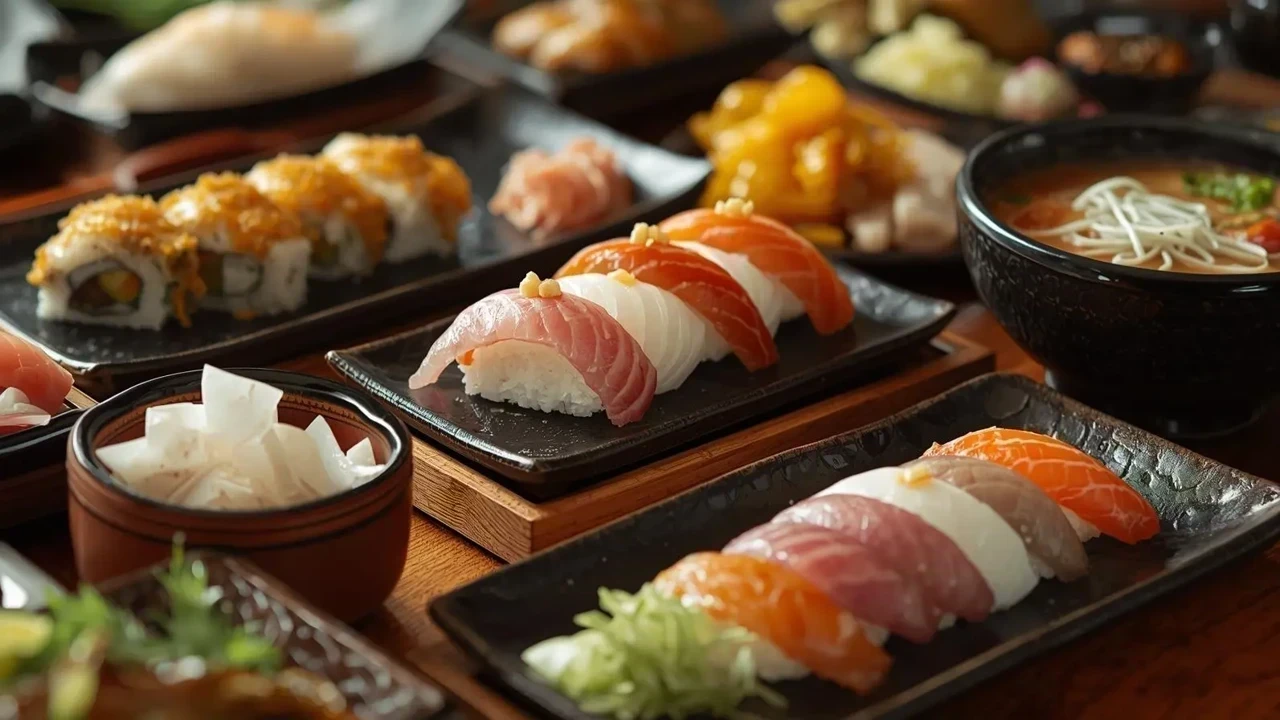
Japan’s long coastline and surrounding seas have made seafood central to its traditional diet. Coastal regions rely heavily on what the sea provides locally.
Importance of fresh, local seafood
Japanese cuisine prioritises freshness, often serving seafood raw or lightly cooked. This makes local sourcing essential.
Common local seafood ingredients
• Tuna, mackerel, sardines
• Sea bream and yellowtail
• Shellfish and seaweed
How seafood defines regional cuisine
• Coastal towns specialise in specific fish
• Inland areas focus on preserved seafood
• Preparation methods reflect local availability
The taste and quality of seafood vary depending on water temperature and region, creating unique local food identities.
Vegetables in Japanese cuisine are chosen based on season and local availability rather than year-round supply.
Why seasonality matters
Seasonal vegetables are fresher, more flavourful, and nutritionally richer. Japanese cooking embraces this natural cycle.
Examples of seasonal vegetables
• Bamboo shoots in spring
• Eggplant and cucumber in summer
• Mushrooms and root vegetables in autumn
• Daikon radish and leafy greens in winter
Mountain and rural influence
Inland regions rely on mountain vegetables, wild greens, and roots, shaping dishes that differ from coastal cuisine.
Fermentation is a defining feature of Japanese cuisine, and local environments play a major role in this process.
Key fermented ingredients
• Miso
• Soy sauce
• Rice vinegar
• Pickled vegetables
Why local conditions matter
Temperature, humidity, and local microorganisms influence fermentation results. This leads to regional variations in taste and aroma.
Impact on flavour
• Adds umami depth
• Enhances shelf life
• Creates complexity without heavy seasoning
Fermented foods form the backbone of Japanese seasoning, replacing the need for excessive spices.
Dashi is a simple broth made from local ingredients and is essential to Japanese cooking.
Common dashi ingredients
• Kelp
• Dried fish flakes
• Dried anchovies
Why local sourcing is important
The quality of dashi depends on the purity and freshness of its components. Regional variations exist based on available ingredients.
Role of dashi
• Base for soups and stews
• Enhances natural flavours
• Provides umami without heaviness
Dashi allows ingredients to shine rather than overpowering them.
Japanese cuisine varies greatly from one region to another due to differences in climate and resources.
Examples of regional influence
• Coastal areas focus on seafood-heavy dishes
• Mountain regions use preserved foods and vegetables
• Northern areas develop warming, hearty meals
• Southern regions use lighter flavours
Local pride in food
Communities preserve traditional recipes passed down through generations, keeping regional food culture alive.
Traditional Japanese cooking techniques aim to respect the ingredient rather than transform it.
Common methods
• Grilling
• Steaming
• Simmering
• Raw preparation
Why simplicity matters
Minimal cooking highlights freshness, texture, and natural sweetness, making ingredient quality essential.
Japanese cuisine places strong emphasis on visual presentation, often inspired by natural surroundings.
How local ingredients influence presentation
• Seasonal colours on the plate
• Natural shapes left intact
• Use of local ceramics
Food presentation reflects the season, region, and ingredient origin, creating a complete sensory experience.
Japanese food culture is shaped by values of respect, balance, and sustainability.
Cultural principles
• Respect for farmers and fishermen
• Avoidance of waste
• Appreciation of seasonal cycles
Local ingredients support sustainable practices and strengthen community-based food systems.
While Japanese dishes are cooked worldwide, authentic flavours are difficult to recreate without the original ingredients.
Reasons authenticity depends on locality
• Ingredient freshness differs
• Fermentation changes with environment
• Substitutes lack original flavour depth
True Japanese cuisine reflects place, not just recipe.
Japanese cuisine has gained global recognition precisely because of its ingredient-focused philosophy.
Why it stands out
• Clean, balanced flavours
• Nutritionally mindful
• Deep cultural connection
This approach has influenced modern cooking trends worldwide.
Traditional Japanese cuisine is inseparable from the local ingredients that define it. Rice grown in specific regions, seafood harvested from nearby waters, seasonal vegetables, and naturally fermented seasonings all contribute to its unique character. Rather than relying on heavy spices or complex preparation, Japanese cooking celebrates simplicity, freshness, and harmony with nature. Understanding how local ingredients shape Japanese cuisine allows a deeper appreciation of its authenticity, regional diversity, and cultural depth. It is this respect for place and season that makes Japanese food truly unique and timeless.
This article is intended for informational purposes only. Ingredient availability, preparation styles, and regional food traditions may vary. Readers are encouraged to explore authentic local experiences and consider dietary preferences or restrictions when learning about traditional cuisines.

Aryna Sabalenka Survives Tough Battle at Miami Open
World No.1 Aryna Sabalenka wins a tight match vs Ann Li at Miami Open. Top seeds Alcaraz, Rybakina,

Abu Dhabi Opens Two New Bridges to Cut Traffic by 60%
DMT launches two high-capacity bridges linking Al Reem Island to E‑12, reducing travel time by 15 mi

Family Wins “Family of the Year 2026” at Noor Al Quran Event in Ras Al Khaimah
A family honored at the Noor Al Quran initiative in Ras Al Khaimah for Quran memorization and strong

US Approves $16.5B Arms Deal Amid Iran War Escalation
US approves $16.5B arms sale to Gulf allies and $7B to UAE, boosting defence amid Iran tensions whil

UAE Busts Hezbollah-Iran Terror Network, Members Held
UAE authorities have broken a terror network linked to Hezbollah and Iran, arresting members accused

Swiatek Stunned by Linette in Miami Open Upset Shock
Iga Swiatek suffered a shocking defeat to Magda Linette at the Miami Open, marking her first opening

UAE Orphan Fund Raises AED 3.3 Billion in Ramadan Drive
UAE’s Mother of the Nation Orphan Fund raises AED 3.3B in Ramadan, boosting support for education, h


Bank of Baroda Faces Abu Dhabi Legal Battle over NMC Collapse
Bank of Baroda’s involvement in Abu Dhabi litigation tied to the NMC Healthcare collapse raises repu

Top Museum Openings of 2026 Set to Transform Global Tourism
From Los Angeles to Abu Dhabi and Brussels, 2026 brings major museum launches—Lucas Museum, Guggenhe

UAE Tour Highlights UAE’s Strength in Hosting Global Sports Events
Abu Dhabi Sports Council says the successful UAE Tour reflects the UAE’s leading role in hosting maj

EU Seeks Clarity from US After Supreme Court IEEPA Ruling
European Commission urges full transparency from the US on steps after Supreme Court ruling, emphasi

SpaceX Launches 53 New Satellites for Expanding Starlink Network
SpaceX launches 53 Starlink satellites in two Falcon 9 missions, breaking reuse records and expandin

RTA Awards Contract for Phase II of Hessa Street Upgrade in Dubai
Phase II of Hessa Street Development to add bridges, tunnel, and upgraded intersections, doubling ca

UAE Gold Prices Today, Monday 16 February 2026: Dubai & Abu Dhabi Updated Rates
Gold prices in UAE on 16 Feb 2026 updated: 24K around AED 599.75/gm, 22K AED 555.25/gm, and 18K AED

Over 25 Ahmedabad Schools Receive Bomb Threat Email, Authorities Investigate
More than 25 schools in Ahmedabad evacuated after bomb threat emails mentioning Khalistan. Authoriti